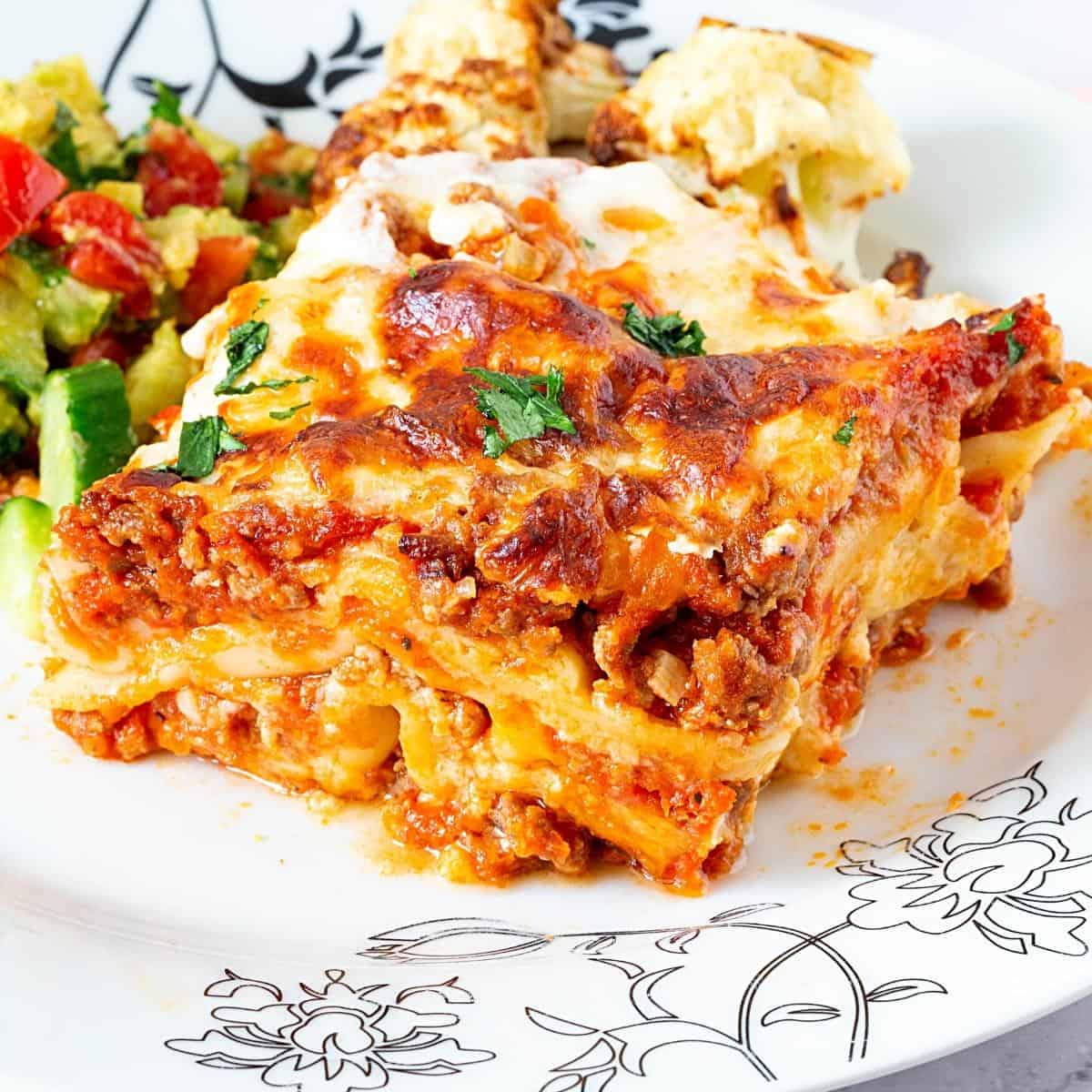
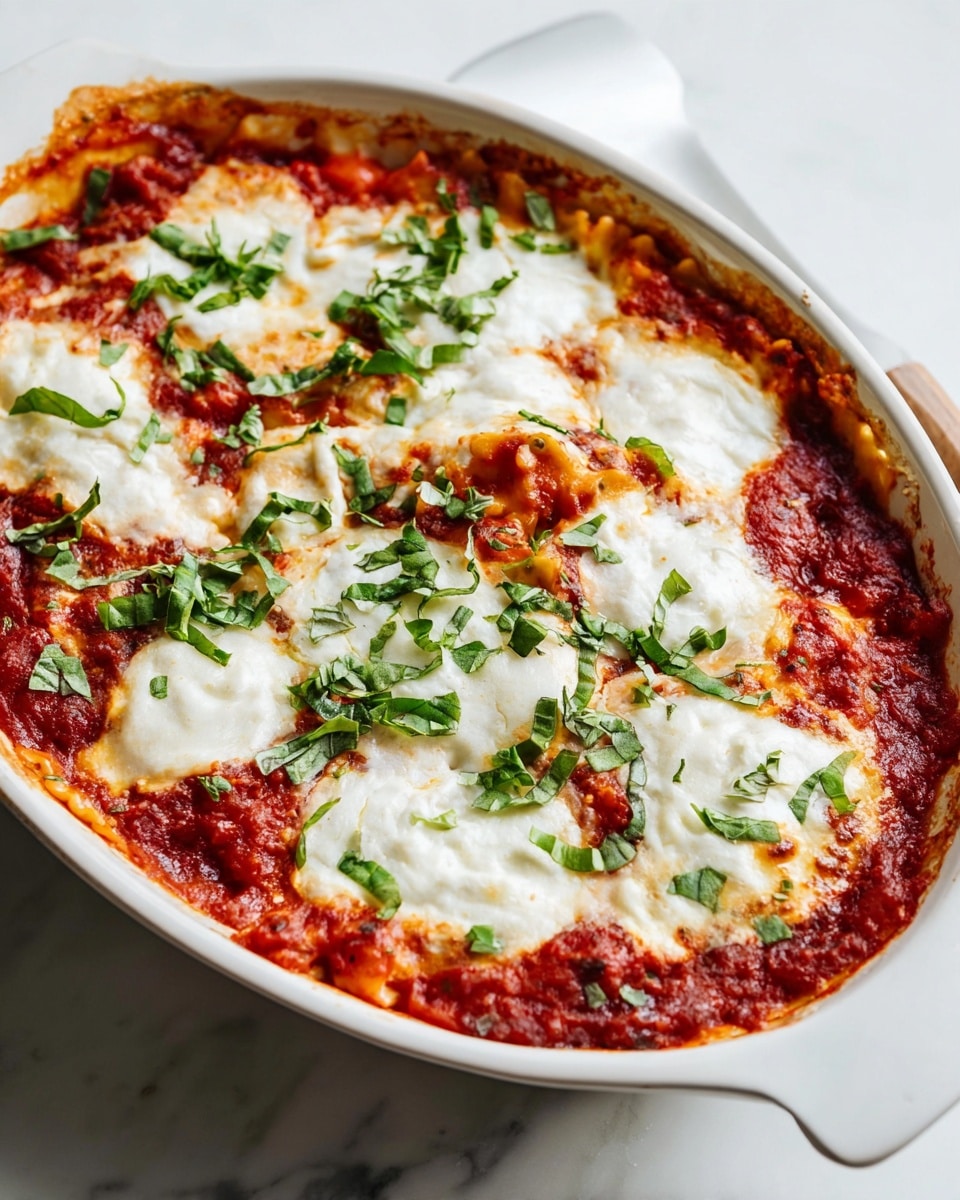
Lasagna is a masterpiece of layered comfort food, but its ultimate success relies entirely on the quality and character of the sauce. While traditional marinara and classic béchamel form the time-tested foundation of Italian-style pasta bakes, modern home cooks and culinary enthusiasts alike have expanded the horizon, experimenting with rich ragùs, earthy mushroom infusions, and vibrant plant-based alternatives. Choosing the right sauce transforms a standard weeknight dinner into an extraordinary culinary creation by balancing acidity, moisture, fat content, and savory depth.
Understanding the Role of Sauce in Lasagna Architecture
Lasagna is more than just a stack of pasta sheets and melted cheese; it is a carefully engineered architectural structure where the sauce acts as both the adhesive and the primary moisture source. Unlike a quick stovetop pasta dish where sauce coats the outside of noodles, lasagna bakes in the oven for an extended period. During this time, the raw or par-boiled pasta absorbs a significant amount of liquid.
If a sauce is too watery, the lasagna will turn into a soup when sliced. Conversely, if a sauce is too dry, the pasta sheets will remain chalky, tough, and undercooked. Achieving the ideal balance requires matching the viscosity and moisture content of your sauce to the type of pasta sheets you use—whether they are fresh handmade sheets, dried corrugated noodles, or no-boil varieties. Furthermore, the fat and acidity levels in the sauce must cut through the richness of the ricotta, mozzarella, and Parmesan cheeses, creating a harmonious and balanced bite.
The 7 Best Sauces for Lasagna Recipes
To help you navigate your next baking project, here are the seven best sauces for lasagna recipes, ranging from heritage Italian staples to contemporary flavor profiles.
1. Traditional Italian Ragù (Bolognese)
Originating from Bologna, Italy, a true meat ragù is vastly different from a fast tomato sauce with ground beef. A traditional Bolognese is a meat-heavy sauce with a relatively small amount of tomato paste and crushed tomatoes, simmered slowly with soffritto (onion, celery, and carrot), pancetta, white wine, and milk or broth.
- Why it works: The slow-simmering process tenderizes the meat and breaks down the aromatics, creating an unctuous, thick sauce that clings tightly to pasta layers without adding excess watery liquid.
- Best paired with: Classic flat egg pasta sheets, béchamel, and Parmigiano-Reggiano.
- Pro tip: Never rush a Bolognese; letting it simmer gently for at least two to three hours allows the fats and proteins to emulsify completely.
2. Classic Béchamel (White Sauce)
In Northern Italian tradition—particularly in regions like Emilia-Romagna—tomato sauce is often replaced or paired exclusively with a silky white béchamel sauce made from butter, flour, and milk, seasoned delicately with nutmeg, salt, and white pepper.
- Why it works: Béchamel provides a velvety, creamy texture that infuses the lasagna with rich dairy fats. As it bakes, it sets and locks in moisture, giving traditional lasagna its signature decadent mouthfeel.
- Best paired with: Classic meat ragù, spinach pasta sheets, and fresh mozzarella.
- Pro tip: Whisk continuously when adding warm milk to your butter-and-flour roux to prevent lumps, and finish with a pinch of freshly grated nutmeg for authentic flavor.
3. Smooth Marinara (Tomato and Herb Sauce)
For those who prefer a brighter, lighter, and more tomato-forward profile, a smooth, slow-simmered marinara made from high-quality crushed Italian plum tomatoes (such as San Marzano), garlic, olive oil, and fresh basil is an unbeatable choice.
- Why it works: The natural acidity of tomatoes cuts directly through the heavy fats of rich cheeses like ricotta and mozzarella, preventing the dish from tasting overly heavy or greasy.
- Best paired with: Ricotta and spinach fillings, Italian sausage, and garlic-herb crusts.
- Pro tip: Simmer your marinara uncovered for at least 45 minutes to evaporate excess water before layering your lasagna.
4. Creamy Mushroom and Thyme Sauce
For a vegetarian option that doesn't compromise on savory depth, a rich mushroom cream sauce utilizing wild varieties like cremini, shiitake, and portobello delivers intense umami flavor.
- Why it works: Mushrooms contain natural glutamates that mimic the deep, savory satisfaction of meat-based sauces. Sautéing them until deeply browned caramelizes their natural sugars, adding earthy complexity to a butter, garlic, and heavy cream reduction.
- Best paired with: Fontina cheese, roasted garlic, and whole-wheat or spinach lasagna noodles.
- Pro tip: Do not overcrowd your pan when browning mushrooms; getting a deep, golden-brown sear is critical for maximizing flavor.
5. Creamy Pesto Sauce
Swapping traditional red or white sauce for a vibrant, herbaceous basil pesto blended with heavy cream or ricotta creates a striking, spring-forward lasagna that stands out at any gathering.
- Why it works: The intense aroma of fresh basil, garlic, pine nuts, and Parmesan cheese infuses every single layer with bright, aromatic oils. Cream or ricotta softens the herbaceous punch, making it smooth enough for baking.
- Best paired with: Grilled chicken, sun-dried tomatoes, zucchini ribbons, and mozzarella.
- Pro tip: Add the pesto off the heat or mix it with dairy just before assembling to prevent the bright green basil from oxidizing and turning bitter in the oven.
6. Spicy Arrabbiata Sauce
If you enjoy dishes with a kick, an arrabbiata sauce—a fiery Southern Italian tomato sauce infused with crushed red pepper flakes, garlic, and olive oil—brings vibrant heat to heavy baked pasta.
- Why it works: The sharp heat of chili flakes stimulates the palate, cutting through dense layers of ricotta and melted cheese to keep each bite lively and dynamic.
- Best paired with: Spicy Italian pork sausage, pecorino romano cheese, and roasted bell peppers.
- Pro tip: Bloom your red pepper flakes in olive oil over medium-low heat for about a minute before adding your tomatoes to release their fat-soluble capsaicin flavor fully.
7. Slow-Cooked Short Rib Ragu
For special occasions or weekend dinner parties, replacing standard ground beef with a luxurious, melt-in-your-mouth beef short rib ragù transforms lasagna into an upscale gourmet meal.
- Why it works: Braising bone-in short ribs with red wine, beef stock, and aromatics until the meat falls off the bone yields a rich, gelatin-laden sauce that adds unmatched body and deep, savory richness to the bake.
- Best paired with: Sharp aged cheddar, goat cheese, or ricotta, paired with thick, artisanal pasta sheets.
- Pro tip: Skim excess fat from the surface of the braising liquid before shredding the meat so your lasagna does not become excessively oily during baking.
Sauce and Lasagna Pairing Guide
To help you select the ideal combination for your next cooking session, use the following reference table to match sauce profiles with complementary ingredients and cheese selections.
| Sauce Type | Primary Flavor Profile | Ideal Cheese Pairings | Best Complementary Ingredients |
|---|---|---|---|
| Traditional Ragù | Savory, meaty, aromatic | Parmigiano-Reggiano, Mozzarella | Pancetta, soffritto, béchamel |
| Classic Béchamel | Creamy, buttery, mild | Parmigiano-Reggiano, Fontina | Nutmeg, white pepper, spinach |
| Smooth Marinara | Bright, acidic, herbaceous | Ricotta, Mozzarella, Parmesan | Fresh basil, garlic, Italian sausage |
| Mushroom Thyme | Earthy, rich, umami | Fontina, Gruyère, Parmesan | Cremini mushrooms, garlic, heavy cream |
| Creamy Pesto | Herbaceous, garlicky, nutty | Mozzarella, Ricotta, Parmesan | Pine nuts, sun-dried tomatoes, chicken |
| Spicy Arrabbiata | Fiery, tangy, bold | Pecorino Romano, Mozzarella | Spicy pork sausage, bell peppers |
| Short Rib Ragu | Decadent, beefy, complex | Aged Goat Cheese, Parmesan | Red wine, rosemary, braised beef |
Common Sauce Mistakes to Avoid When Making Lasagna
Even experienced home cooks occasionally encounter structural or flavor failures due to improper sauce preparation. Keeping these common pitfalls in mind will ensure your lasagna holds its shape and delivers exceptional flavor.
- Using watery canned tomatoes without reduction: Dumping thin, watery canned tomatoes directly into your layering process is the number one cause of soggy lasagna. Always simmer your tomato-based sauces down until they coat the back of a spoon.
- Skipping seasoning adjustments: Because lasagna involves unseasoned pasta sheets and mild cheeses like fresh ricotta, your sauce needs to be seasoned robustly. Taste your sauce before assembling; it should be slightly more flavorful and salted than you think necessary.
- Failing to match sauce viscosity to pasta type: If you are using no-boil lasagna sheets, your sauce must contain a higher moisture content (or you must add extra liquid) because the dry pasta drinks up significant fluid while baking. Conversely, pre-cooked fresh pasta requires a thicker, concentrated sauce to prevent slipping and sliding.
Frequently Asked Questions
Can I mix two different sauces in one lasagna?
Yes, combining sauces is a classic culinary technique. The most famous example is pairing a traditional meat ragù with a creamy béchamel sauce, alternating layers of each to create a rich, complex texture and flavor profile that balances meatiness with creamy dairy.
How do I fix a sauce that is too watery?
If your tomato or meat sauce is too thin, create a quick slurry by mixing one tablespoon of cornstarch or all-purpose flour with two tablespoons of cold water, then whisk it into the simmering sauce. Alternatively, simmer the sauce uncovered over medium-low heat for an extra 20 to 30 minutes to let natural evaporation thicken it.
Should I put sauce on the very top layer of the lasagna?
Yes, but with strategy. While a layer of sauce and melted cheese on top keeps the lasagna moist, covering it too heavily with wet sauce can prevent the top cheese from browning nicely. A thin skim of sauce beneath a generous blanket of mozzarella and Parmesan creates the ideal golden-brown crust.
Can I make lasagna sauce ahead of time?
Many lasagna sauces—especially meat ragùs, marinara, and short rib sauces—taste even better when made a day in advance. Storing them in an airtight container in the refrigerator allows the spices and aromatics to meld completely before assembly.
Final Recommendation
Selecting the right sauce for your lasagna depends entirely on the occasion and your desired flavor profile. If you are preparing a traditional Sunday dinner, nothing rivals the comforting richness of a slow-simmered Traditional Italian Ragù paired with classic Béchamel. If you want a vibrant weeknight meal with minimal effort, a bright, garlic-forward Smooth Marinara paired with seasoned ricotta will never let you down. Take the time to simmer your chosen sauce properly, balance its moisture content, and you will achieve a restaurant-quality lasagna every single time.