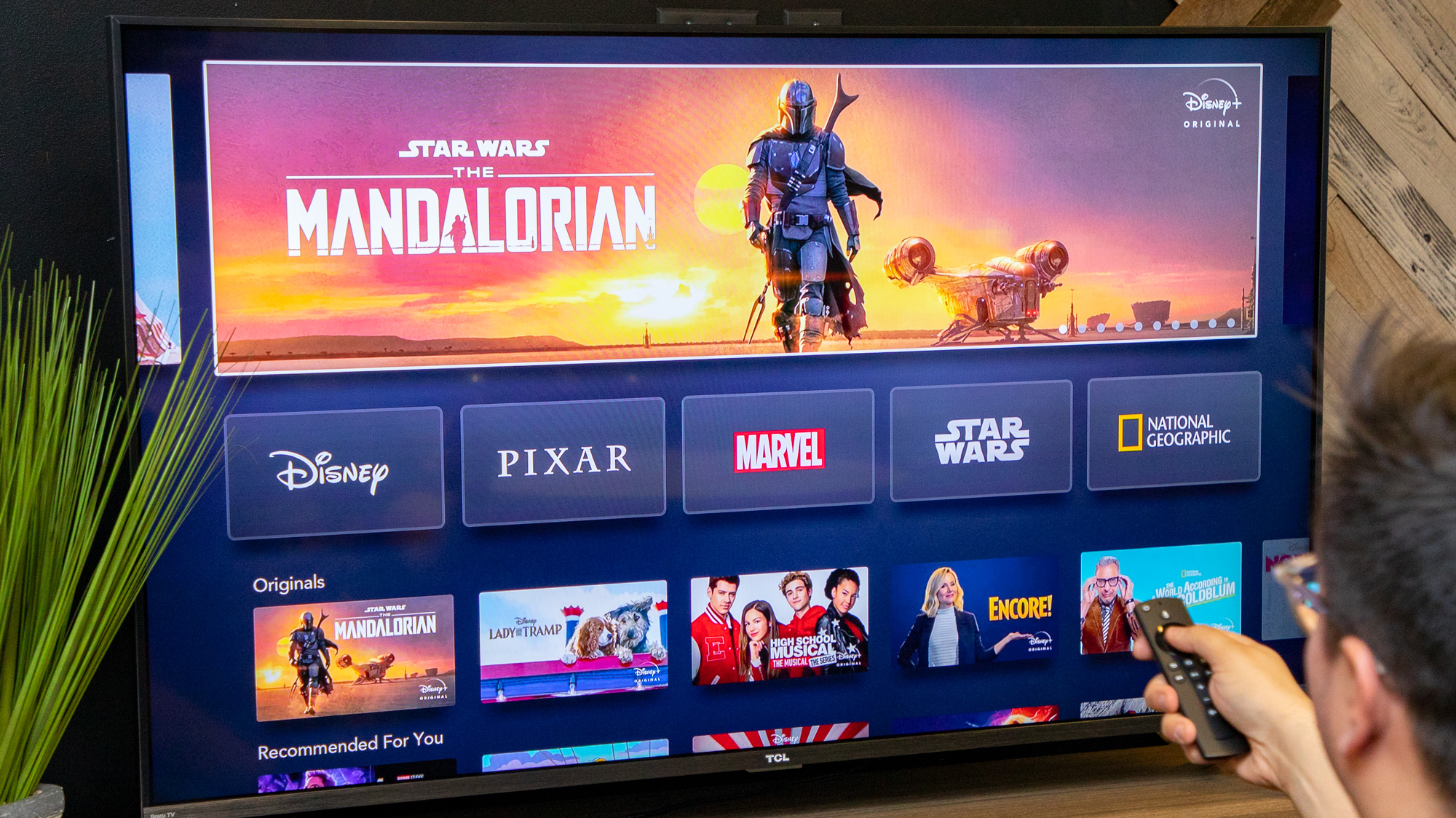
The year 2023 marked a profound shift in the streaming industry, characterized by widespread content purges, cost-cutting measures, and strategic pivots away from rapid expansion toward profitability. Among the platforms adjusting to this new economic reality was Disney+, which canceled several high-profile original series—including Willow, The Mysterious Benedict Society, Big Shot, Turner & Hooch, and The Mighty Ducks: Game Changers—often removing them from the streaming library entirely for tax write-offs and licensing flexibility. This wave of cancellations matters deeply because it shattered the illusion of permanent digital availability, altered the compensation models for creators, and signaled the end of the streaming wars' "spend-at-all-costs" era, permanently changing how audiences consume and value serialized television.
The Shift in the Streaming Landscape: Why 2023 Changed Everything
For years following the initial streaming boom, media conglomerates prioritized subscriber acquisition above all else. Wall Street rewarded platforms that could show exponential user growth, even if those subscribers were acquired at a massive financial loss. Disney+ launched in late 2019 with an aggressive slate of original programming, building out massive universes based on Marvel, Star Wars, and legacy Disney intellectual properties. However, by late 2022 and throughout 2023, macroeconomic pressures, rising interest rates, and mounting quarterly losses forced a drastic reckoning across the entire media sector.
The financial reality of streaming became impossible to ignore. Producing high-end television with cinematic budgets required immense capital, yet subscription fees alone were not scaling fast enough to cover production, marketing, and global infrastructure costs. Wall Street shifted its primary metric of evaluation from "subscriber growth" to "profitability" and "free cash flow." In response, Disney, under the leadership of returning CEO Bob Iger, instituted rigorous cost-cutting strategies. Content spending was reevaluated, underperforming or niche titles were shelved, and executive teams began treating streaming libraries not as permanent museums of content, but as financial ledgers requiring active optimization.
This environment created unprecedented vulnerability for shows that did not pull immediate, massive viewership numbers or drive cross-platform merchandising. For the consumer, 2023 served as a rude awakening. The promise that a streaming service would act as a permanent, reliable archive for all its original creations was broken. Shows could vanish overnight, sometimes without physical or digital home video alternatives, leaving fans with unfinished stories and a growing sense of alienation from the platforms they paid monthly to support.
Examining the 5 Disney Plus Cancelled Shows of 2023
To understand the scope of the 2023 content contraction, it is necessary to examine the specific shows that were canceled and removed. Each of these series represented a different genre, legacy brand integration, and demographic target, yet all fell victim to the same overarching financial recalibration.
1. Willow
Based on the 1988 fantasy film directed by Ron Howard, Willow was a high-fantasy sequel series that brought back original star Warwick Davis alongside a new generation of adventurers. Produced with an estimated budget comparable to major feature films, the series aimed to establish a sustainable fantasy franchise for Disney+. Despite critical praise for its tone and world-building, the series failed to capture a broad enough mainstream audience to justify its exorbitant production costs. Disney canceled Willow after a single season and, in a controversial move, removed it from the platform entirely in June 2023 as part of a content write-down, making it legally unavailable to watch through official subscription channels.
2. The Mysterious Benedict Society
Adapted from Trenton Lee Stewart’s best-selling youth novel series and starring Tony Hale, The Mysterious Benedict Society was a quirky, stylish mystery-adventure that garnered a passionate, dedicated fanbase and strong critical reviews. Despite its charm, the show struggled to break through the crowded algorithmic recommendations of the platform. After airing its second season in late 2022, Disney officially canceled the series in early 2023. While it managed to avoid immediate deletion from the library at the exact moment of cancellation, its future as an active, supported property evaporated, demonstrating that critical acclaim and distinct artistic identity were no longer shields against cancellation in an era of strict ROI (Return on Investment) metrics.
3. Big Shot
Co-created by David E. Kelley, Big Shot starred John Stamos as a temperamental college basketball coach who is forced to take a job at an elite private girls' high school. The sports comedy-drama targeted a family-friendly, multi-generational demographic that Disney+ historically thrived on. The show successfully ran for two seasons, with its second season dropping in late 2022. However, when Disney audited its streaming roster for cost efficiencies in early 2023, Big Shot was quietly canceled. The series represented a staple category of streaming programming—mid-budget, reliable, comforting live-action drama—that suddenly found itself priced out of renewal as budgets tightened.
4. Turner & Hooch
Serving as a television continuation of the 1989 Tom Hanks film, Turner & Hooch starred Josh Peck as the son of the original movie's protagonist, paired with a massive, slobbering French Mastiff. Commissioned as a 12-episode first season, the action-comedy was designed to be light, accessible franchise extension content. Although it debuted in 2021, its long-term financial viability was re-evaluated in the subsequent corporate restructuring periods of 2022 and 2023. Disney opted not to renew the series for a second season, solidifying the realization that nostalgic IP adaptations alone were no longer guaranteed a multi-season runway if they failed to generate sustained cultural momentum.
5. The Mighty Ducks: Game Changers
Building upon the beloved 1990s sports film franchise and featuring the return of original star Emilio Estevez for its first season, The Mighty Ducks: Game Changers was an obvious nostalgic play for millennial parents and their children. The show managed a successful two-season run, expanding its roster and shifting settings to an intense hockey boot camp in its sophomore outing. Despite retaining a recognizable brand name and delivering solid family entertainment, the series was canceled in early 2023 as part of Disney’s broader sports and family programming cutbacks. Its cancellation highlighted how quickly even foundational corporate IP could be sidelined when quarterly financial targets demanded aggressive expense reduction.
Comparative Overview of Cancelled Disney Plus Series
| Show Title | Original IP / Basis | Seasons Aired | Primary Genre | Status Post-Cancellation |
|---|---|---|---|---|
| Willow | 1988 Feature Film | 1 Season | High Fantasy | Cancelled & Removed from Platform |
| The Mysterious Benedict Society | Young Adult Novel | 2 Seasons | Mystery / Adventure | Cancelled |
| Big Shot | Original Concept | 2 Seasons | Sports Comedy-Drama | Cancelled & Removed from Platform |
| Turner & Hooch | 1989 Feature Film | 1 Season (12 Episodes) | Action Comedy | Cancelled |
| The Mighty Ducks: Game Changers | 1992 Feature Film | 2 Seasons | Family Sports | Cancelled |
Why These Cancellations Matter: The Broader Implications
The removal and cancellation of these five shows in 2023 are not isolated incidents; they represent a fundamental paradigm shift in how media conglomerates operate, how creators are compensated, and how consumers interact with digital culture. Understanding the gravity of these decisions requires analyzing three distinct dimensions: financial restructuring, creative labor rights, and cultural preservation.
The Tax Write-Off Phenomenon and Content Deletion
The most shocking aspect of the 2023 streaming purges was the outright removal of completed content from streaming services. For decades, the entertainment industry operated on a syndication and library model where older films and television shows generated passive revenue indefinitely through physical media sales, television syndication, and digital rentals.
Under modern corporate accounting rules, however, companies discovered they could take financial write-downs on underperforming or newly acquired content by shelving it permanently. By removing Willow and Big Shot from Disney+, the company was able to claim tax savings, treating the production costs as a loss rather than an asset. This practice fundamentally altered the economic social contract between streamer and subscriber. Consumers who paid a monthly fee under the assumption that a library would grow permanently suddenly realized that content could be treated as a disposable financial instrument, erased from existence at the whim of corporate accountants.
The Death of Residuals and Creative Compensation
Beyond consumer access, these cancellations directly impacted the livelihoods of writers, actors, directors, and crew members. In traditional television, a series surviving past its first season—and certainly reaching two seasons—meant that creators could rely on syndication and residual payments to sustain their careers between projects.
Streaming services, however, historically utilized buyout models that paid a flat upfront fee instead of traditional back-end residuals tied to viewership performance or re-runs. When shows like The Mysterious Benedict Society or Turner & Hooch were canceled abruptly and subsequently buried or denied physical media releases, the long-term income stream for the creative talent vanished. This economic precariousness was a primary catalyst for the historic Writers Guild of America (WGA) and Screen Actors Guild (SAG-AFTRA) strikes of 2023, where creators pushed back against algorithmic opacity and the disappearance of fair compensation models in the streaming era.
The Erosion of Digital Culture and Media Preservation
In the physical media era, if a network canceled a television show, fans could still purchase DVDs or Blu-rays, ensuring the work survived in domestic collections and cultural memory. The digital-first strategy adopted by Disney+ and other streaming platforms in 2023 exposed a terrifying vulnerability in digital preservation: the digital dark age.
When a streaming-exclusive show is canceled and removed from the server, it effectively ceases to exist for the general public. It cannot be legally streamed, purchased, or rented. This threatens the historical record of television art. Future audiences and film historians may find entire eras of mid-budget television missing from archives simply because corporate balance sheets dictated that keeping the files active on a server was no longer financially advantageous.
Practical Guidance for Navigating the Modern Streaming Era
As the streaming landscape continues to evolve through 2026, viewers and creators alike must adapt to an environment where content permanence is no longer guaranteed. Understanding how to navigate this ecosystem can help mitigate the frustration of sudden cancellations and library purges.
- Support Physical Media and Digital Purchases: When favorite shows receive physical media releases (Blu-ray, 4K UHD) or digital purchase options on platforms like Apple TV or Amazon Prime Video, purchasing them ensures permanent access independent of subscription library purges.
- Manage Expectations on Serialized Storytelling: Recognize that streaming algorithms reward immediate engagement. Shows that require a slow-build or multi-season investment face disproportionate cancellation risks if they do not capture massive viewership within their first 28 days.
- Monitor Industry Trade Reporting: Keeping track of corporate earnings calls, tax write-off windows, and licensing deals can provide early warnings about which shows are vulnerable to sudden removal, allowing fans time to advocate or archive support.
- Diversify Entertainment Sources: Relying exclusively on a single subscription service leaves viewers vulnerable to localized content removals. Exploring independent streaming platforms, public libraries (via services like Hoopla and Kanopy), and physical media cooperatives offers safer harbors for diverse media consumption.
Frequently Asked Questions
Why did Disney+ remove shows like Willow from its platform?
Disney+ removed shows like Willow primarily for financial restructuring and tax write-down purposes. By formally shelving and removing underperforming content from the active streaming library, the company could claim financial losses to offset taxes and reduce ongoing residual and licensing cost liabilities associated with hosting the digital files.
Will cancelled Disney+ shows ever return to the platform or be released on DVD?
While it is technically possible for Disney to license these shows to third-party platforms or eventually release them on physical media, the likelihood is low for niche titles. Once a project has been written off for tax purposes, legal and accounting restrictions often prevent the company from monetizing it for a set period, making physical releases rare.
How did the 2023 strikes relate to these streaming cancellations?
The widespread cancellations and content removals in 2023 highlighted the precarious financial realities for creative talent working in streaming. The lack of transparent viewership data, the absence of traditional residuals, and the sudden disappearance of work without compensation were core grievances that drove the historic Hollywood labor strikes of that year.
Are streaming services still canceling and removing shows in 2026?
Yes, the industry-wide pivot toward profitability over subscriber volume remains the dominant business model. While the frantic purge pace of 2023 has leveled off into more calculated portfolio management, streaming platforms continue to cancel underperforming series and occasionally license out or remove content to optimize their balance sheets.
Conclusion
The cancellation and removal of five prominent Disney+ shows in 2023—Willow, The Mysterious Benedict Society, Big Shot, Turner & Hooch, and The Mighty Ducks: Game Changers—were far more than routine corporate housekeeping. They served as a watershed moment that exposed the fragile economics of the streaming era, demonstrating that digital libraries are vulnerable to sudden corporate write-downs, that creators face precarious compensation models without traditional residuals, and that digital-only distribution threatens cultural preservation. Recognizing the gravity of these decisions empowers viewers to demand better archiving practices, support physical media, and approach the modern subscription landscape with a more informed, critical perspective.