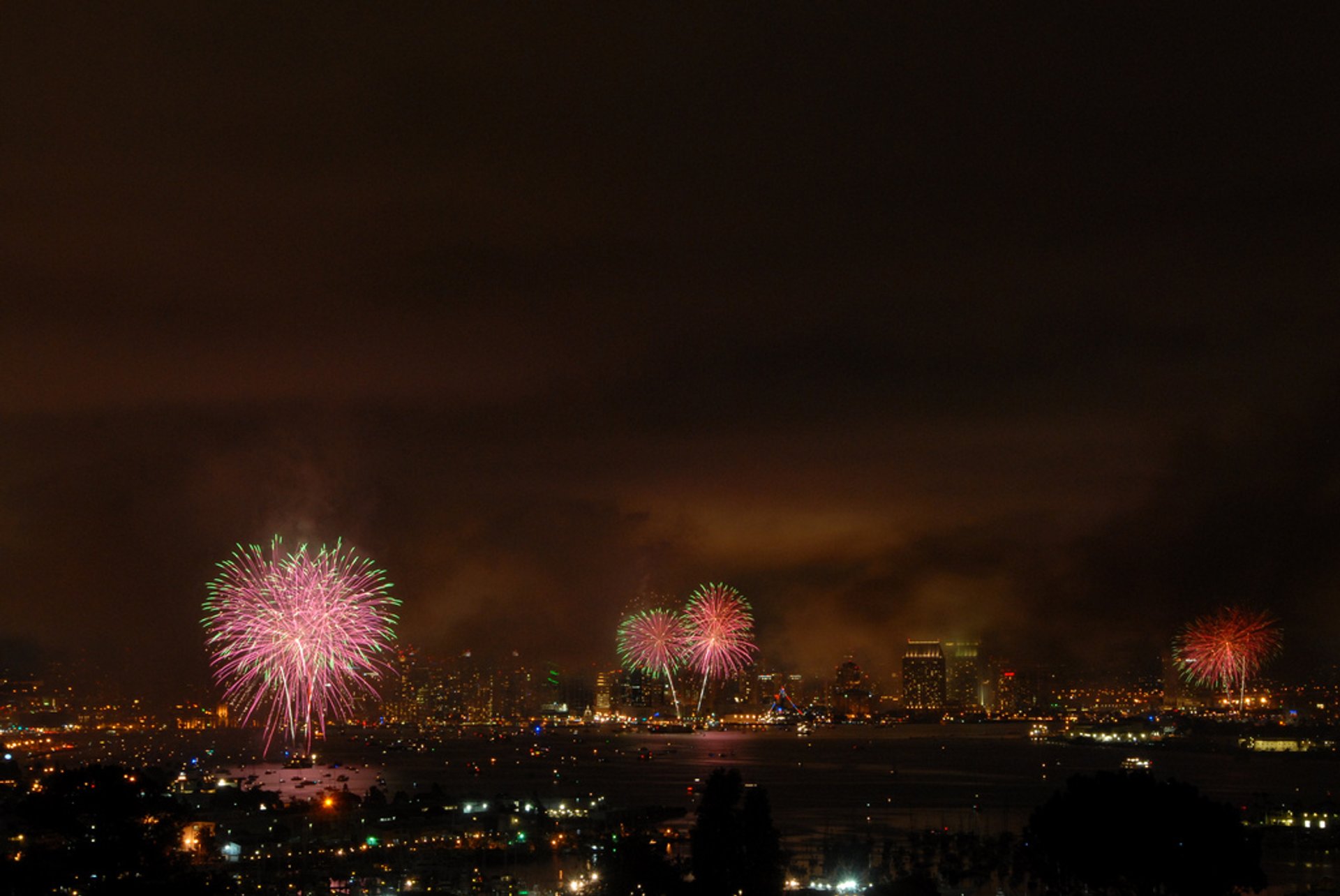
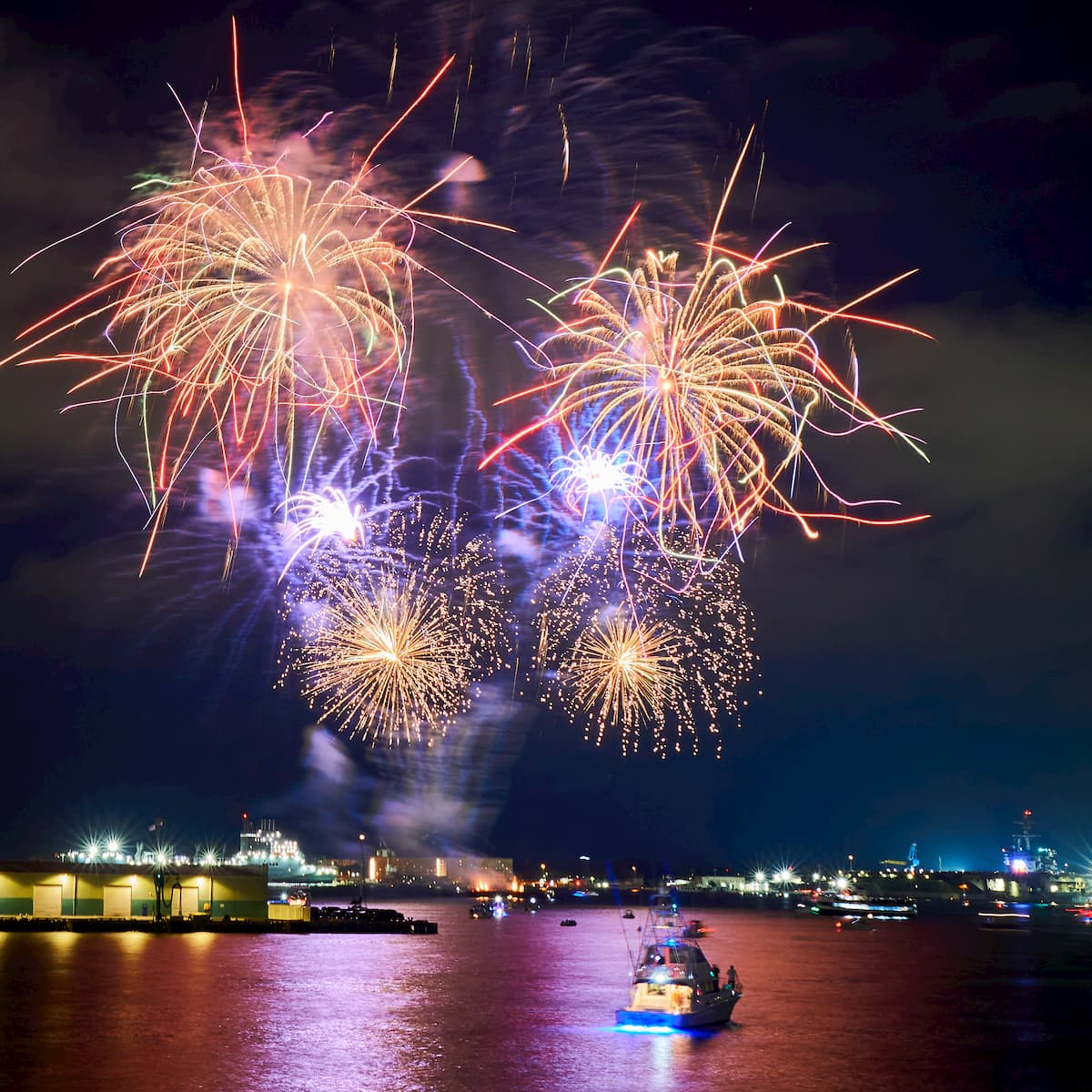
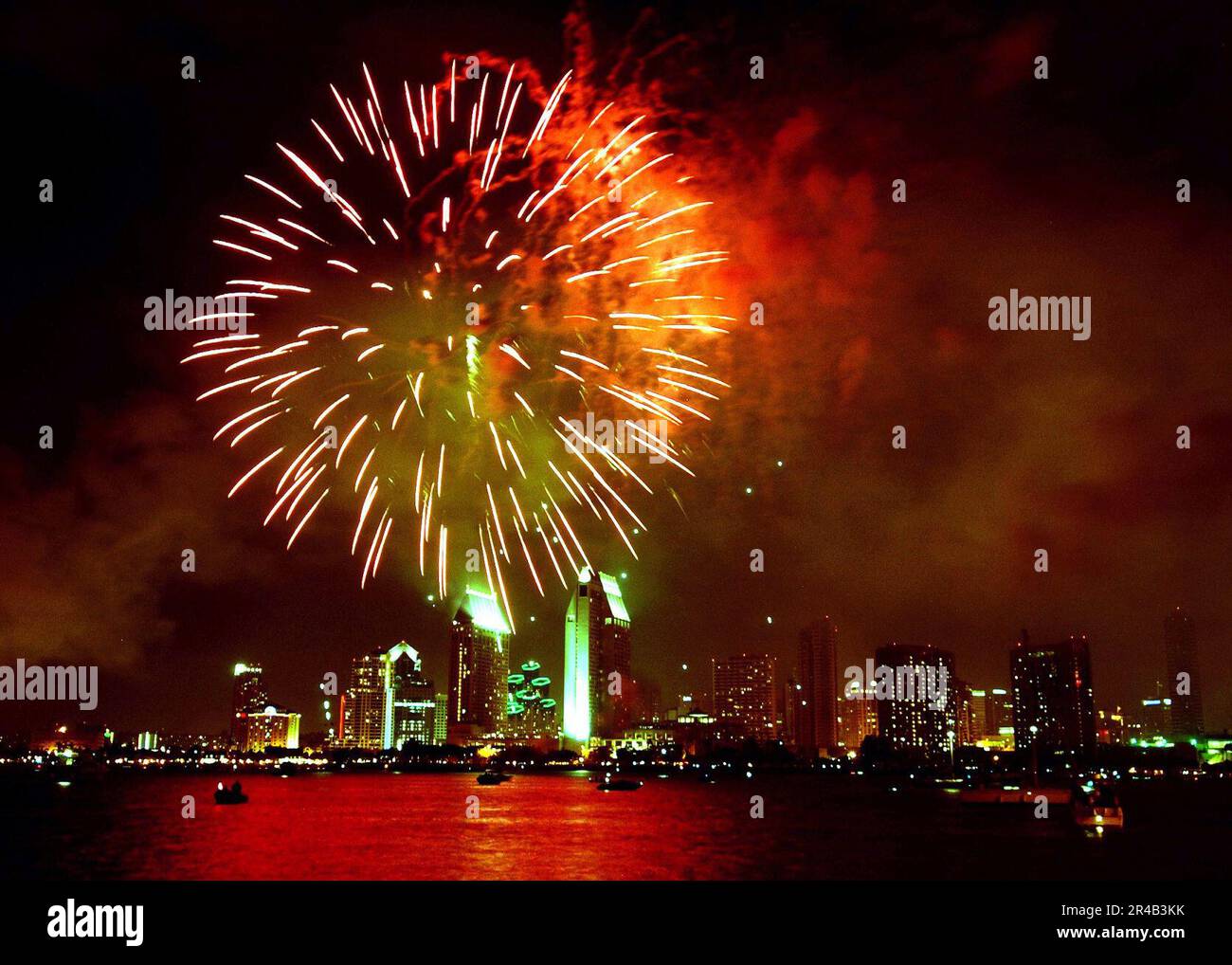
On July 4, 2012, San Diego’s "Big Bay Boom" experienced a catastrophic technical failure when approximately $400,000 worth of pyrotechnics ignited simultaneously. Instead of a choreographed 17-minute display, the entire inventory was consumed in roughly 15 to 30 seconds. This event remains a primary case study in pyrotechnic system vulnerabilities and large-scale event risk management.
The Anatomy of the 2012 Big Bay Boom Incident
The Big Bay Boom is traditionally one of the largest Independence Day celebrations in the United States. In 2012, the event was designed to be a massive multi-location spectacle, utilizing four separate barges anchored across the San Diego Bay: Shelter Island, Harbor Island, the North Embarcadero, and the South Embarcadero. A fifth launch site was located at the Imperial Beach Pier.
At approximately 8:50 PM PT, five minutes before the scheduled start time, a signal intended to "wake up" the systems or test the circuits instead triggered a massive, unplanned discharge. For the hundreds of thousands of spectators lined up along the waterfront, the expected 17-minute rhythmic display was replaced by a deafening roar and a blinding wall of white light that ascended hundreds of feet into the air.
While the $400,000 figure is often cited as the cost of the fireworks themselves, the total economic footprint of the event—including security, logistics, and broadcasting—was significantly higher. The failure did not just result in a lost light show; it resulted in a massive logistical "burst" that left the city in a state of confusion and, eventually, became one of the first truly global "viral" fail moments of the digital era.
The Technical Cause: How a 17-Minute Show Ignited in Seconds
The 2012 failure was traced back to a corrupted data file within the firing system’s computer. Pyrotechnic displays of this magnitude are rarely "hand-lit." Instead, they rely on sophisticated digital firing systems that use SMPTE timecode (Society of Motion Picture and Television Engineers) to sync explosions with music and other environmental cues.
The Role of Garden State Fireworks
The contractor for the event, Garden State Fireworks, had a long-standing reputation for excellence. However, technical analysis following the event revealed that a "glitch" occurred during the transfer or execution of the firing script. In modern pyrotechnics, the firing computer sends low-voltage electrical signals to "e-matches" (electric matches) inserted into the lift charges of the firework shells.
In the San Diego incident, a signal was sent to all firing modules across all four barges simultaneously. Because the computer saw the entire 17-minute script as a single, immediate command rather than a sequential timeline, it initiated every cue at once. This created a "mass detonation" effect. The hardware performed exactly as told; unfortunately, the software gave the wrong instructions.
Redundancy and Signal Corruption
Industry experts often point to this event when discussing the importance of "command validation." In 2012, the systems lacked the robust "sanity checks" that are now standard in 2026. A modern system would likely flag a command to fire 100% of the inventory in a single millisecond as a logical error and require manual override. At the time, the software interpreted the corrupted file as a legitimate, albeit extreme, command sequence.
The Safety Perspective: Why There Were No Injuries
Given the sheer volume of explosives involved—estimated at over 7,000 shells across the various barges—it is a testament to maritime and pyrotechnic safety standards that no one was injured. The simultaneous ignition of $400,000 worth of fireworks created a massive pressure wave and a localized heat spike that could have been lethal if spectators had been within the "fallout zone."
- Exclusion Zones: The Port of San Diego and the U.S. Coast Guard had enforced strict safety perimeters around each barge. These zones are calculated based on the largest shell size in the display. Even with the mass ignition, the heat and debris were contained within these pre-calculated "dead zones."
- Structural Integrity of the Barges: There were concerns that the collective force of the explosions might sink or damage the barges. However, the energy of a firework is designed to move upward (the path of least resistance through the mortar tube). While the mortar racks were scorched and some equipment was destroyed, the barges remained afloat.
- The Absence of Personnel: One of the benefits of automated digital firing is that technicians are not required to be on the barge during the show. The operators were located at a safe distance on "mother ships" or shore-based control centers, ensuring they were not exposed to the massive blast.
Economic and Branding Impact
The financial fallout of the 2012 Big Bay Boom was complex. While the spectators were disappointed, the legal and financial ramifications were handled with a level of transparency that eventually saved the event's reputation.
The $400,000 Loss
The $400,000 worth of pyrotechnics was essentially vaporized in 15 seconds. Under typical contracts, the pyrotechnic company is responsible for the successful execution of the show. Garden State Fireworks took full responsibility for the error. They did not charge the city for the failed show and committed to providing a future show (the 2013 "makeup" show) at no cost to the organizers.
Sponsorship and Media
The Big Bay Boom is funded largely by private sponsors rather than taxpayer dollars. These sponsors—including local hotels, restaurants, and media outlets like FOX 5 San Diego—initially faced a public relations nightmare. However, the viral nature of the "fail" video actually brought more global eyes to the "Big Bay Boom" brand than a successful show would have. By 2026, the 2012 incident is remembered as a historic anomaly rather than a reason to avoid the event.
Comparison: Intended Show vs. Actual 2012 Event
The following table breaks down the technical specifications of what was planned versus what occurred during the "15-second show."
| Metric | Planned 2012 Display | Actual 2012 Incident |
|---|---|---|
| Duration | 17 Minutes (1,020 Seconds) | ~15–30 Seconds |
| Estimated Shell Count | 7,000+ Shells | 7,000+ Shells |
| Total Fireworks Value | ~$400,000 | ~$400,000 |
| Cost per Second | ~$392 | ~$26,666 |
| Visual Intensity | Rhythmic, colored patterns | Total white-out / fireball |
| Sound Profile | Percussive, timed booms | Single sustained roar (approx. 150+ dB) |
| Barge Distribution | 4 Barges + 1 Pier | All locations triggered simultaneously |
Public Reaction and the Viral Legacy
The San Diego fireworks fail was one of the first major "fail" events to be captured from thousands of different angles simultaneously via smartphones and uploaded to YouTube and Twitter. The footage is striking: the night sky over the San Diego Bay turns completely white, followed by a massive mushroom cloud of smoke illuminated from within by the dying embers of thousands of shells.
The disappointment for the estimated 500,000 people on the waterfront was palpable. Many had waited for eight to ten hours to secure a viewing spot, only to have the show end before they could even finish their first "ooh" or "aah." In the aftermath, the Port of San Diego and the event organizers had to manage a massive traffic egress as half a million people tried to leave the waterfront simultaneously, nearly 20 minutes earlier than police and transit authorities had planned for.
Lessons Learned for the Pyrotechnic Industry
Since 2012, the global pyrotechnics industry has implemented several safeguards specifically designed to prevent a "San Diego-style" failure. As we look back from 2026, these changes are now the industry standard:
- File Verification Protocols: Firing software now includes a "rehearsal mode" where the computer checks the script for "impossible" commands—such as firing more than a certain percentage of the inventory in a specific timeframe.
- Hardware Interlocks: Modern firing modules often require a "keep-alive" signal or a specific heartbeat from the control computer. If the computer sends a corrupted or "all-fire" signal that doesn't match the expected timecode, the modules are designed to ignore the command and go into a safe state.
- Decoupled Systems: Rather than having one master computer that can "see" all 7,000 shells, large shows often use decentralized controllers that only have access to their specific segments of the script. This limits the "blast radius" of a potential software bug.
Frequently Asked Questions
Was the $400,000 paid for by taxpayers?
No. The Big Bay Boom is primarily funded through corporate sponsorships and private donations. While the Port of San Diego provides logistical support, the direct cost of the fireworks—which was lost in the 2012 incident—was a private contractual matter between the organizers and Garden State Fireworks.
Did any of the fireworks actually explode on the ground?
No. All the fireworks were contained within their mortar tubes on the barges. While they all fired at once, they still traveled upward into the air. The "wall of fire" seen in videos was the result of thousands of shells bursting at relatively low altitudes because the "lift charges" were all competing for the same oxygen and space, and the sheer volume of smoke obscured the higher-altitude bursts.
What happened to Garden State Fireworks after the incident?
The company took full responsibility and worked closely with the Port of San Diego to make amends. Because they were transparent and provided the 2013 show for free, they maintained a positive relationship with the city. They are still regarded as one of the top pyrotechnic firms in the world.
How did the 2013 "makeup" show go?
The 2013 Big Bay Boom was a massive success. The organizers and Garden State Fireworks implemented additional redundancies, and the show went off without a hitch, drawing an even larger crowd than the 2012 event due to the publicity of the previous year's failure.
Why did the smoke stay around so long?
The simultaneous ignition of $400,000 worth of black powder and chemical salts created a massive amount of particulate matter. Without the natural "pacing" of a 17-minute show, the wind did not have time to clear the smoke between bursts. This resulted in a thick "fog" that lingered over the bay for nearly an hour.
Final Recommendations for Event Planners
The 2012 San Diego fireworks incident serves as a vital reminder that in high-stakes event production, the "single point of failure" is usually digital, not mechanical. For organizations planning large-scale displays in 2026 and beyond, the following actions are recommended:
- Software Redundancy: Always use firing software that includes a logic-gate check to prevent simultaneous discharge of a full script.
- On-Site Testing: Perform a "dry run" of the timecode and firing signals without the e-matches connected to ensure the script reads correctly across all locations.
- Communication Strategy: Have a pre-written crisis communication plan for technical failures. In 2012, the delay in explaining what happened led to unnecessary confusion. Modern events should use social media and mobile apps to immediately inform the public of technical issues.
The $400,000 San Diego fireworks fail remains a legendary moment in the history of Independence Day celebrations—a 15-second reminder of the power of pyrotechnics and the importance of technical precision.