Lufkin drivers navigating the unique blend of rural East Texas highways, bustling local corridors like Loop 287, and unpredictable weather face distinct auto insurance needs. Finding the right policy involves balancing state-mandated minimums with comprehensive coverages like collision, comprehensive, and uninsured motorist protection. Evaluating local providers, national carriers with strong local footprints, and specialized regional insurers helps drivers secure optimal rates and reliable claims service in Angelina County.
Understanding Auto Insurance Requirements in Lufkin, Texas
Securing auto insurance in Lufkin, Texas, begins with a thorough understanding of state legal mandates and local driving conditions. Texas operates under a "fault" system for car accidents. This means the driver who is at fault for a collision is also legally and financially responsible for the resulting injuries, property damage, and other losses. Consequently, the state enforces strict minimum liability insurance requirements to ensure motorists can cover basic damages they might cause to others.
Texas State Minimum Liability Limits
Every driver operating a motor vehicle on public roads in Lufkin must carry at least the state-mandated minimum liability coverage, commonly expressed as 30/60/25 coverage:
- $30,000 of bodily injury liability coverage per person injured in an accident you cause.
- $60,000 of total bodily injury liability coverage per accident when multiple people are injured.
- $25,000 of property damage liability coverage per accident for damage you cause to another person's vehicle or property.
Relying solely on these state minimums exposes drivers to substantial financial risk. If you cause an accident that results in severe injuries or totals an expensive vehicle, damages easily exceed these thresholds. The at-fault driver must pay out of pocket for any remaining balance, which can lead to severe financial hardship. Therefore, insurance experts in Angelina County consistently recommend purchasing higher limits and adding optional coverages tailored to local driving hazards.
Local Driving Risks in Angelina County
Lufkin presents a distinct driving environment characterized by a mix of dense urban-suburban traffic along South First Street and high-speed rural routes stretching through the Piney Woods, such as US-59 and State Highway 94.
- Wildlife Collisions: Rural and semi-rural highways in East Texas experience high populations of white-tailed deer. Collisions with wildlife can cause significant structural damage, making comprehensive coverage essential.
- Severe Weather and Flooding: Heavy rainstorms, localized flash flooding, and severe thunderstorms can impact visibility and road traction throughout the region. Hydroplaning on wet asphalt is a common hazard during spring and autumn storm seasons.
- Uninsured Motorist Rates: Despite legal requirements, a percentage of drivers on Texas roads operate without insurance. Uninsured and underinsured motorist (UM/UIM) coverage is a critical safeguard for Lufkin residents.
Evaluating Top Auto Insurance Options for Lufkin
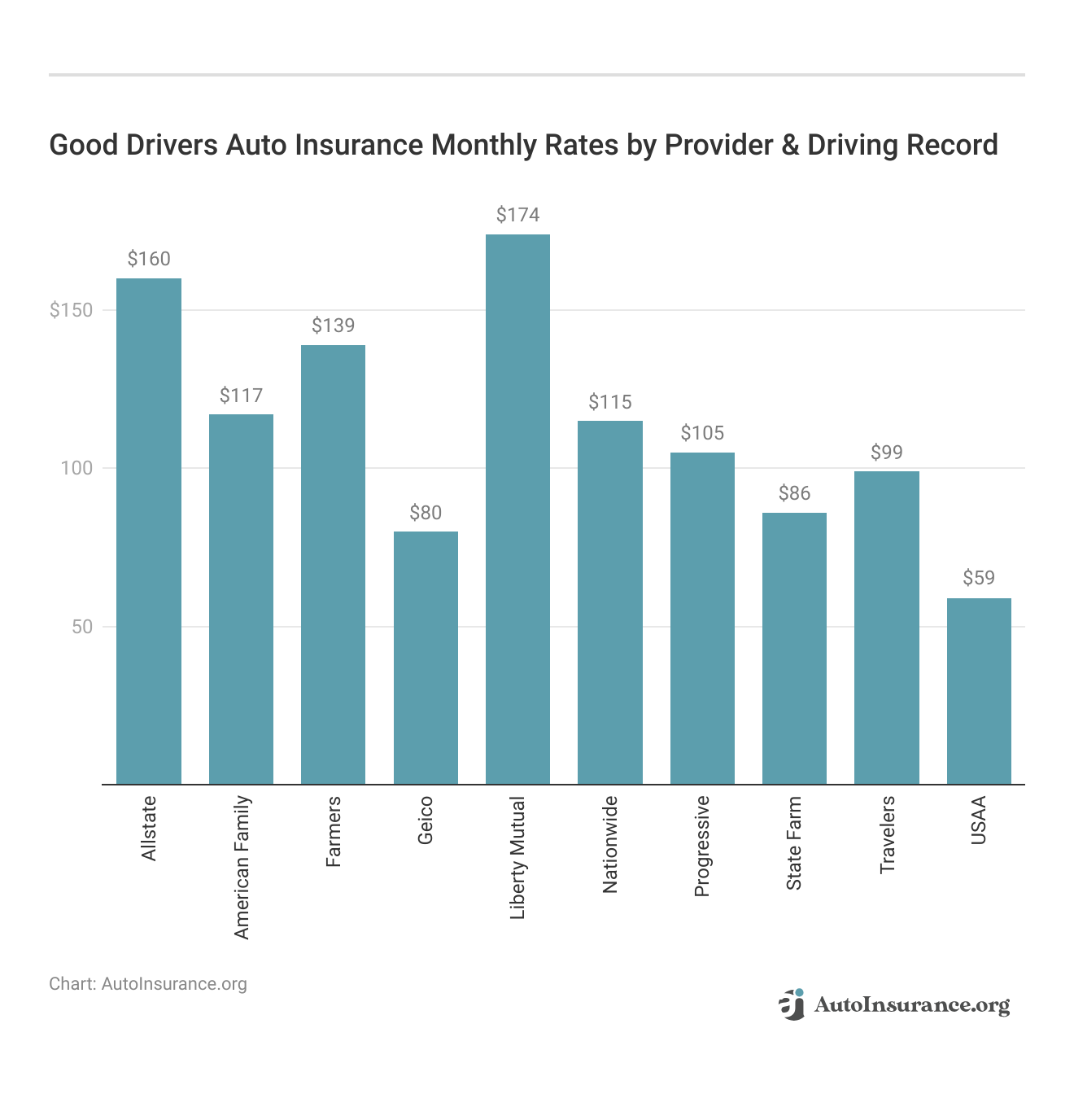
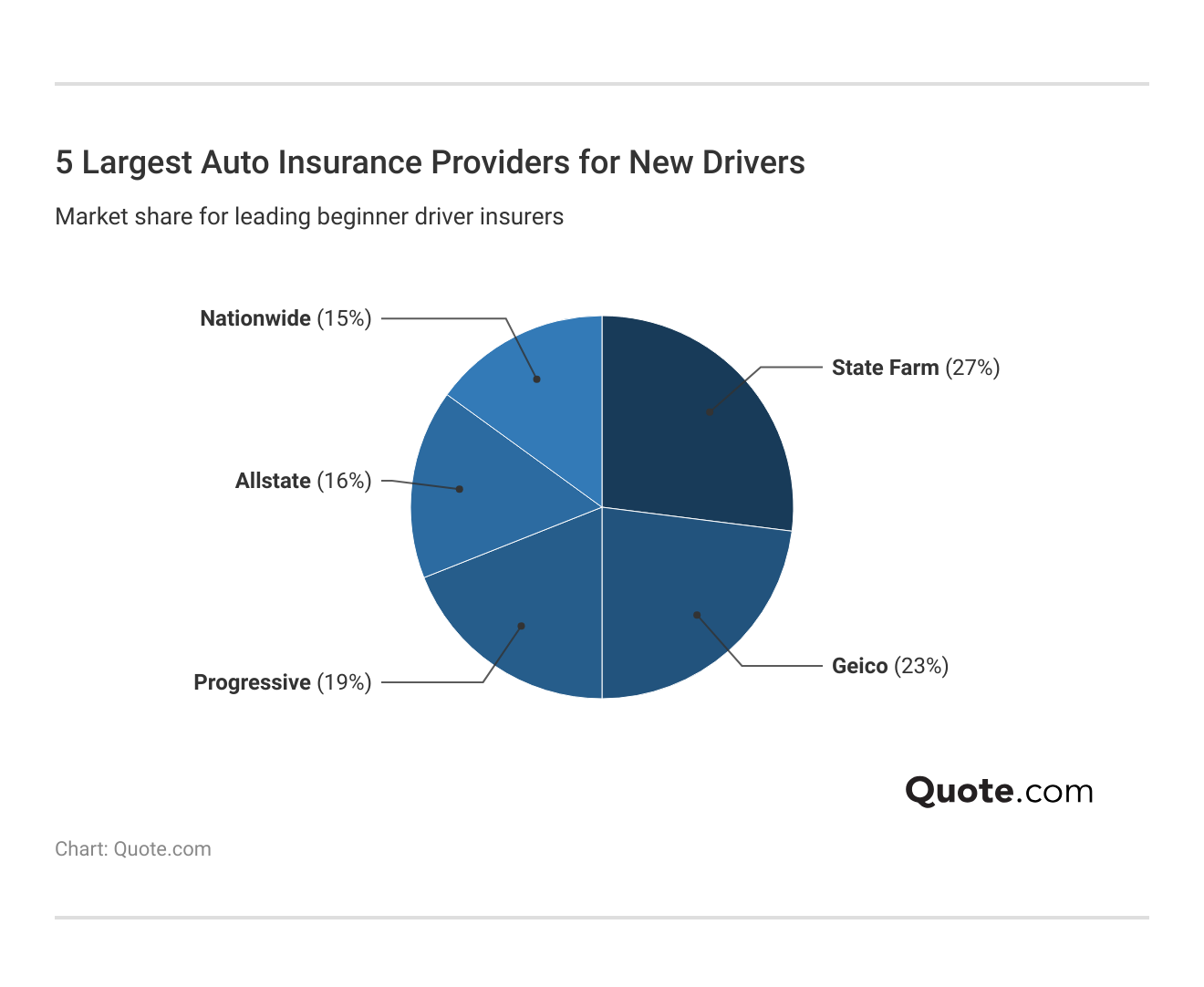
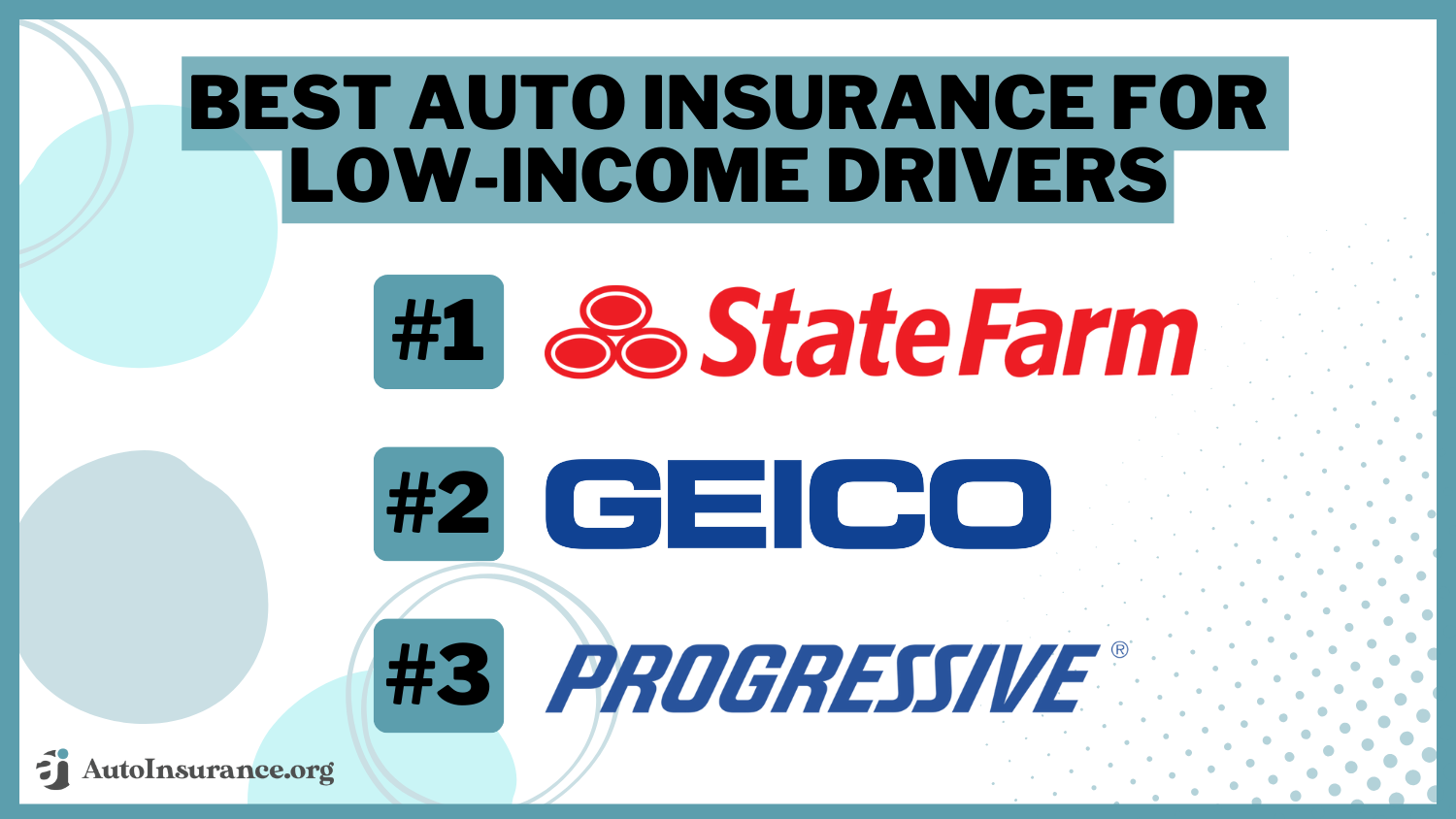
When examining the auto insurance marketplace for Lufkin drivers, several carriers stand out due to their financial stability, customer satisfaction ratings, local agent networks, and customizable policy options. The top options balance competitive pricing with robust claim-handling capabilities.
1. State Farm: Best for Local Agent Support and Bundling
State Farm maintains a dominant presence across Texas, including a dedicated agency footprint in Lufkin. For drivers who prefer face-to-face consultations and personalized policy reviews, having local agents available on corridors like Atkinson Drive or downtown provides significant value.
- Coverage Options: State Farm offers standard liability, collision, and comprehensive coverage, alongside specialized endorsements like roadside assistance, rental car reimbursement, and rideshare insurance.
- Discounts: The carrier is well-known for its Steer Clear program for young drivers and the Drive Safe & Save telematics program, which tracks driving habits via a mobile app to offer potential discounts of up to 30% for safe drivers.
- Pros and Cons: While State Farm excels in customer service and localized support, rates can sometimes be higher than discount-focused online carriers unless drivers maximize available discounts or bundle their auto policy with homeowners or renters insurance.
2. Progressive: Best for Customizable Policies and Online Tools
Progressive appeals to drivers who prefer managing their policies digitally while retaining access to competitive pricing tools. Progressive is widely utilized throughout Angelina County for its transparent quote-comparison features and flexible payment structures.
- Coverage Options: Progressive offers unique features like Name Your Price, which helps drivers find coverage tiers that fit a specific budget, and custom parts and equipment value (CPEV) coverage for customized vehicles.
- Discounts: Drivers can benefit from paperless billing, multi-car discounts, continuous insurance discounts, and the Snapshot program, which monitors driving behavior such as speed, braking, and phone usage.
- Pros and Cons: Progressive’s online platform and mobile app rank among the best in the industry for policy management and claims tracking. However, premium fluctuations can occur upon policy renewal based on broader regional claims data in East Texas.
3. Texas Farm Bureau Insurance: Best for Regional Expertise and Loyalty
As a company deeply rooted in the Lone Star State, Texas Farm Bureau Insurance understands the specific legal, environmental, and geographic factors affecting Lufkin motorists. This carrier consistently scores high in state-level customer satisfaction surveys.
- Coverage Options: Farm Bureau provides comprehensive auto protection packages, including accident forgiveness, roadside assistance, and tailored policies for farm and ranch vehicles frequently used in rural Angelina County.
- Discounts: Membership-based pricing offers distinct savings for individuals who join the county Farm Bureau organization. Additional discounts apply for safe driving records, multi-vehicle households, and anti-theft devices.
- Pros and Cons: Texas Farm Bureau delivers specialized local expertise and dedicated claims adjusters who understand regional conditions. Membership requirements do apply, and policy availability can vary compared to massive national stock companies.
Comparison of Top Lufkin Auto Insurance Providers
| Provider Name | Primary Strength | Typical Discount Programs | Best Suited For |
|---|---|---|---|
| State Farm | Local agent network & bundling | Drive Safe & Save, Steer Clear, Good Student | Drivers wanting face-to-face service and multi-policy bundles |
| Progressive | Digital tools & budget flexibility | Snapshot, Name Your Price, Paperless, Multi-car | Tech-savvy drivers seeking customizable budget tiers |
| Texas Farm Bureau | Regional Texas expertise | Membership savings, Safe Driving, Multi-vehicle | Residents looking for localized claims handling and rural coverage |
Key Factors That Influence Auto Insurance Rates in Lufkin
Insurance premiums are not one-size-fits-all. Underwriters evaluate numerous rating factors to determine the statistical risk a driver presents. Understanding these variables helps Lufkin residents take actionable steps to lower their monthly or semi-annual premiums.
Driving Record and History
Your motor vehicle record (MVR) is one of the heaviest-weighted factors in rate calculation. Insurance companies check for recent moving violations, speeding tickets, at-fault accidents, and driving while intoxicated (DWI) convictions over a three-to-five-year lookback period. Maintaining a clean driving record remains the most effective way to keep insurance costs manageable.
Vehicle Make, Model, and Safety Ratings
The type of vehicle you drive directly impacts your comprehensive and collision premiums. Vehicles equipped with advanced safety features, electronic stability control, and high crash-test ratings generally cost less to insure. Conversely, high-performance sports cars, luxury vehicles with expensive proprietary parts, and models with high theft rates typically carry higher insurance premiums.
Coverage Levels and Deductibles
The structure of your policy dictates your financial exposure and premium cost. Choosing higher deductibles—the amount you pay out of pocket before insurance kicks in—lowers your monthly premium. However, ensure you maintain an emergency fund sufficient to cover that deductible in the event of an unexpected claim.
Credit-Based Insurance Score
In Texas, insurers are permitted to use credit-based insurance scores as a rating factor, provided they comply with state insurance regulations. Statistical data indicates a correlation between credit history and the likelihood of filing insurance claims. Maintaining a strong credit profile can unlock lower premium tiers with most major carriers.
Step-by-Step Guide to Choosing and Purchasing a Policy
Selecting the right auto insurance policy requires a systematic approach to ensure adequate protection without overpaying for unnecessary extras.
- Assess Your Current Coverage: Review your existing policy declarations page. Identify your current liability limits, deductibles, and optional coverages like roadside assistance or rental reimbursement.
- Determine Your Asset Protection Needs: Evaluate your personal net worth and assets. If you own a home or have significant savings, higher liability limits (such as 100/300/100) protect those assets from being targeted in a lawsuit after an accident.
- Gather Necessary Information: Before requesting quotes, compile your driver's license number, Vehicle Identification Number (VIN) for all household vehicles, and an estimate of your annual mileage.
- Obtain Multiple Quotes: Request quotes from at least three different providers, including local agency options like State Farm and Texas Farm Bureau, alongside national carriers like Progressive. Ensure each quote uses identical coverage limits for an accurate apples-to-apples comparison.
- Verify Agent and Carrier Credentials: Check with the Texas Department of Insurance (TDI) to verify that the insurance company and agent are licensed and in good standing. Review consumer complaint indexes published by the state.
- Finalize Policy and Cancel Previous Coverage: Once you select a policy, complete the application, make your initial payment, and ensure your new proof of insurance is stored digitally or in your vehicle. Only then should you formally cancel your previous insurance policy to avoid any lapse in coverage.
Frequently Asked Questions
What happens if I drive without auto insurance in Lufkin, Texas?
Driving without minimum liability insurance in Texas is illegal and carries severe penalties. First-time offenses typically result in fines ranging from $175 to $350, plus court costs. Subsequent offenses can lead to fines up to $1,000, suspension of your driver's license and vehicle registration, and the requirement to file an SR-22 financial responsibility certificate for two years. Additionally, uninsured drivers involved in accidents forfeit their right to recover certain damages from at-fault parties under Texas law.
Should I carry comprehensive and collision coverage on an older vehicle?
If your vehicle is fully paid off and has a low market value, paying for comprehensive and collision coverage might not make financial sense. A common industry guideline is the "10% rule": if your annual comprehensive and collision premium exceeds 10% of your car's total cash value, you may want to drop those coverages and self-insure against physical damage. However, you must still maintain the state-mandated liability insurance.
How can Lufkin drivers lower their auto insurance premiums?
Drivers can reduce their premiums by bundling auto and home insurance policies, maintaining a clean driving record, opting for higher deductibles, enrolling in telematics discount programs like Snapshot or Drive Safe & Save, and inquiring about defensive driving course discounts. Additionally, maintaining good credit scores and driving vehicles with high safety ratings contributes to lower rates.
What is an SR-22 and when is it required?
An SR-22 is not an insurance policy itself, but rather a certificate of financial responsibility that an insurance company files with the Texas Department of Public Safety. It proves that you carry at least the state minimum liability insurance. Lufkin drivers may be required to file an SR-22 after major driving infractions, such as a DWI conviction, driving without insurance, or accumulating too many points on their driving record within a short timeframe.
Are rates higher in Lufkin compared to other parts of Texas?
Insurance rates vary by zip code based on local statistical factors, including accident frequency, vehicle theft rates, weather patterns, and litigation costs. While Lufkin generally experiences lower traffic density and lower average insurance rates compared to major metropolitan hubs like Houston or Dallas, local rural hazards and highway congestion still influence regional premium calculations.
Next Actions for Lufkin Drivers
Securing the best auto insurance policy requires proactive comparison and a realistic assessment of your personal risk exposure. Start by reviewing your current policy limits against the state minimums and local driving hazards outlined above. Collect quotes from State Farm, Progressive, and Texas Farm Bureau to evaluate how bundling and discount programs impact your bottom line. Taking time to review your policy annually ensures your coverage adapts to life changes, vehicle updates, and evolving family needs on the road.