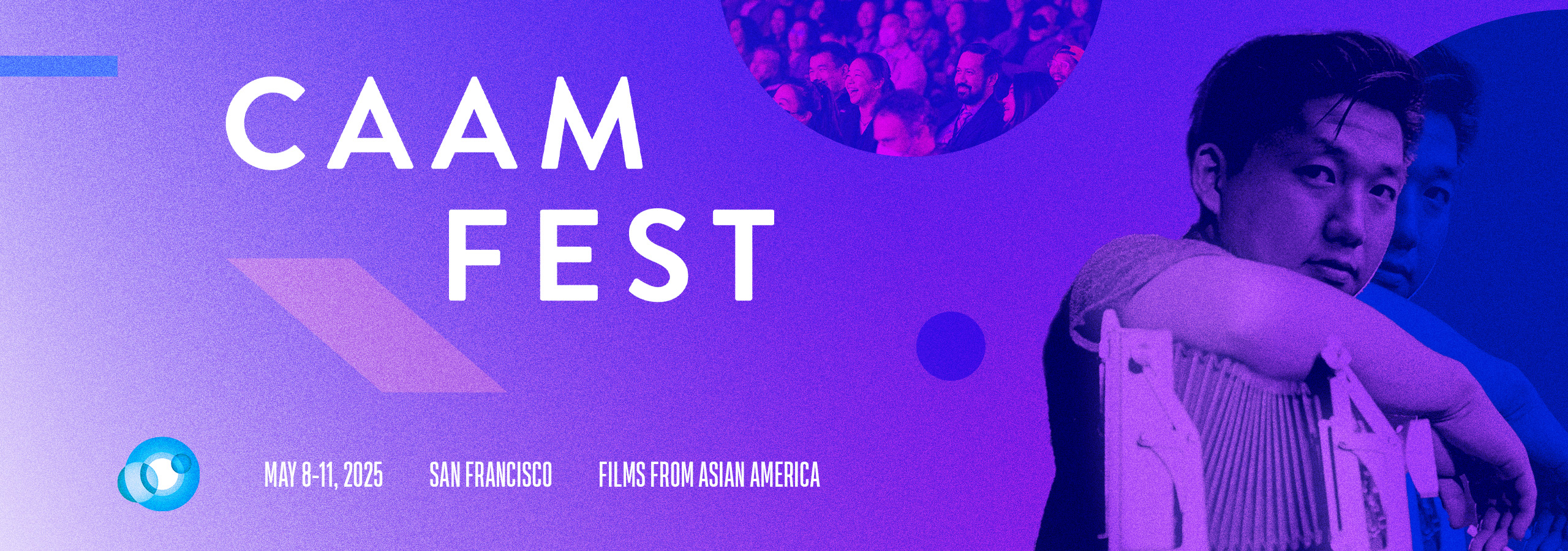
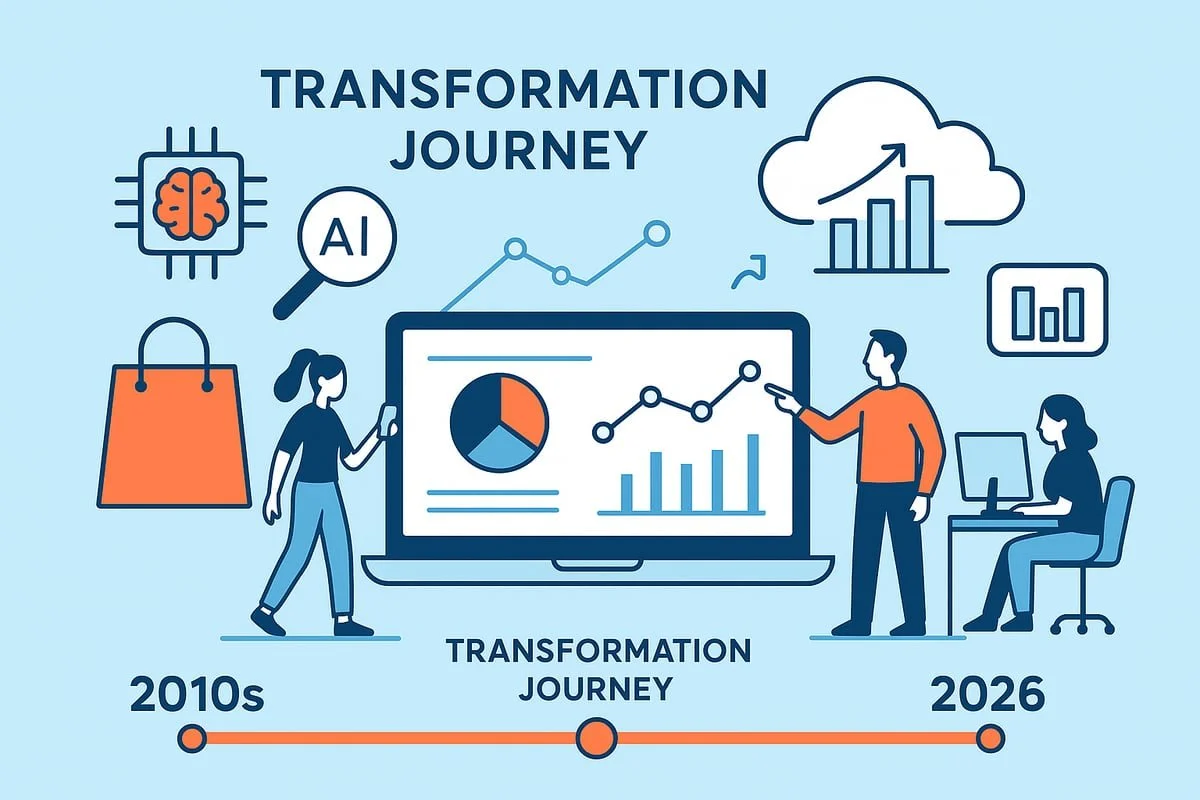
As we reach 2026, CAAMFest stands as a cornerstone of the cinematic landscape, representing a decades-long evolution from the humble beginnings of the San Francisco International Asian American Film Festival into a multifaceted, hybrid platform that shapes the discourse of Asian American storytelling and global identity.
The Center for Asian American Media (CAAM) has served as the architect for this cultural progression. By tracking the trajectory of CAAMFest, we observe more than just a calendar of film screenings; we see a timeline of transformation that mirrors the changing demographics, technological advancements, and creative ambitions of the Asian American and Pacific Islander (AAPI) community. This article explores that transformation, providing filmmakers, attendees, and cultural analysts with an understanding of how the festival operates in its current 2026 iteration.
The Foundations: From SFIAAFF to CAAMFest
To understand the 2026 version of CAAMFest, one must first recognize the structural evolution that occurred in 2013. For the first thirty years of its existence, the organization operated as the San Francisco International Asian American Film Festival (SFIAAFF). The transition to the "CAAMFest" brand was not merely a marketing pivot; it was a deliberate shift toward an interdisciplinary model.
The transformation was fueled by the necessity of integrating multiple media formats. The founders recognized that the barrier between "film" and "interactive media" was dissolving. By 2026, the festival functions as a bridge, connecting traditional cinematic narratives with the burgeoning fields of digital storytelling, episodic content, and immersive media. This evolution allows the festival to serve a wider demographic, reaching audiences who engage with AAPI stories through mobile devices, streaming platforms, and gallery-based interactive installations.
The Pillars of the 2026 Festival Model
In 2026, the organizational framework of CAAMFest rests on four primary pillars. These pillars define how the festival selects content, engages with community partners, and distributes knowledge to both creators and the public.
1. Curated Cinematic Excellence
The core remains the exhibition of narrative features, documentaries, and short films. However, the curatorial focus in 2026 has expanded to prioritize international co-productions. The goal is no longer just to highlight the "American" experience, but to showcase the interconnected nature of the global Asian diaspora. This allows for a deeper examination of shared cultural values while acknowledging the distinct political realities faced by AAPI populations in various regions.
2. Digital and Episodic Expansion
Recognizing the rise of independent streaming and episodic content, CAAMFest now dedicates significant programming blocks to serialized storytelling. This is a direct response to the way 2026 audiences consume media. The festival provides a venue for web series and limited-run shows that might not find a home in traditional theatrical distribution, offering these creators a path toward larger platform acquisition.
3. Community Engagement and Advocacy
The festival operates as an extension of CAAM’s broader mission to support media-makers through grants, fellowships, and mentorships. The 2026 edition features workshops that focus on the "business of storytelling," including navigating international distribution rights, sustainable production practices, and the ethical use of artificial intelligence in post-production.
4. Interactive and Immersive Media
Moving beyond the screen, the festival includes an interactive component that highlights virtual reality (VR) and augmented reality (AR) narratives. These installations are designed to place the viewer in the shoes of the protagonist, creating a sensory-driven empathy that traditional film often struggles to achieve.
Understanding the Operational Timeline
For those looking to engage with or submit to CAAMFest in 2026, it is essential to understand the organizational timeline that governs the festival's annual cycle.
| Phase | Timeframe | Primary Activities |
|---|---|---|
| Call for Entries | Late Summer – Autumn | Acceptance of submissions; open calls for shorts and features. |
| Programming Review | Winter | Curatorial staff evaluates submissions; initial selection phase. |
| Announcement | Spring | Official program reveal; press junkets and ticketing launch. |
| Festival Event | May | Ten days of screenings, panels, and special events. |
| Distribution Support | Post-Festival | Continued advocacy for selected films; regional touring programs. |
Prerequisites for Participation and Submission
Participating in CAAMFest requires adherence to specific guidelines that have been refined over the years. Whether you are an independent director or a documentary producer, understanding the technical and thematic requirements is the first step in successful involvement.
Eligibility Criteria
To be considered for the main festival slate, projects must demonstrate a clear connection to the AAPI experience. While the definition of "AAPI" has expanded to include a wider range of intersectional perspectives, the core mandate remains the promotion of voices that have been historically marginalized in mainstream media.
Submission Standards
The festival requires all submissions to be delivered via digital screener. High-definition (HD) files are the industry standard for 2026, and creators are expected to provide closed captions or SDH (Subtitles for the Deaf and Hard of Hearing). This commitment to accessibility is a non-negotiable component of the CAAMFest mission, reflecting a decade of efforts to make the festival inclusive for all audience members.
Costs and Licensing
Submission fees vary based on the duration of the work and the submission date. Early-bird deadlines usually occur in late August, with final deadlines following in October. It is important to note that acceptance into the festival does not grant CAAM ownership of the intellectual property; however, the festival does request exclusive premiere rights for the San Francisco Bay Area during the event window.
The Role of Technology in the Modern Festival
The 2026 iteration of the festival is deeply defined by the "transformation" aspect of its identity, specifically regarding technological integration. The shift toward a "hybrid" festival model—a format that gained prominence in the early 2020s and has since been perfected—means that geographic location is no longer the sole gatekeeper of the festival experience.
Hybrid Accessibility
By utilizing secure, encrypted streaming platforms, CAAMFest now reaches audiences beyond the Bay Area. This has fundamentally transformed the reach of the festival, allowing rural audiences or those living outside California to engage with the content. The technical stack involved in this delivery includes high-bandwidth content delivery networks (CDNs) that ensure seamless streaming, which is a major logistical improvement over the early, glitch-prone virtual festivals of the past.
Data-Driven Curatorship
The festival now uses anonymized viewership data to inform future programming. By analyzing which themes and genres resonate with the online audience, CAAM is able to tailor its workshops and grant programs to support the types of stories that have high market demand but low current representation.
Frequently Asked Questions
Is CAAMFest 2026 exclusively for filmmakers of Asian descent?
No. While the festival prioritizes stories about the AAPI experience and highlights Asian American creators, the festival is open to all filmmakers. The primary requirement is that the content centers on themes relevant to the Asian and Asian American diaspora.
How does the hybrid model work for international viewers?
The hybrid model includes geo-fenced screenings that allow for secure digital access. While some events—such as red carpet premieres and certain live panel discussions—remain in-person, the majority of the film slate is made available through the CAAMFest portal to ticket holders, provided they are within the permitted geographic region.
Are there opportunities for networking with distributors at the festival?
Yes. The 2026 schedule includes dedicated industry forums where independent creators can meet with acquisition executives from major streaming platforms and independent distributors. These forums are designed to move beyond traditional networking, focusing instead on pitch sessions and project development.
What are the main technical requirements for submission?
Submissions must be in 1080p or 4K resolution with standard codecs (H.264 or ProRes). Metadata documentation, including director statements, production stills, and full cast/crew lists, must be submitted alongside the screener through the official portal.
Can a student filmmaker submit to the festival?
The festival actively encourages submissions from students. There is a reduced entry fee for student-produced work, and specific programming slots are dedicated to emerging talent from university-level film programs.
Strategic Recommendations for Future Participation
For creators aiming to be part of the next evolution of CAAMFest, the strategy must shift from simple submission to "community building." The festival evaluates projects not just on artistic merit, but on the potential for the film to spark dialogue.
- Verify Your Rights: Ensure all music, footage, and intellectual property are cleared before the submission deadline. Problems with rights are the most common reason for disqualification.
- Prioritize Accessibility: Invest in professional-grade captioning and audio descriptions early in your post-production phase. It is an industry expectation in 2026.
- Draft a Community Outreach Plan: When submitting, provide a brief summary of how your film connects to the AAPI community and why it is relevant to the current socio-cultural climate.
- Engage Early: Participate in CAAM-sponsored networking events throughout the year, not just during the festival window. Building a relationship with the organization often provides better insight into their current programming goals.
As we continue through 2026, CAAMFest remains a vital barometer for the health and vitality of Asian American media. The timeline of its transformation—from a localized film screening event to an international nexus of advocacy and innovation—is a testament to the enduring power of these stories to change the world.