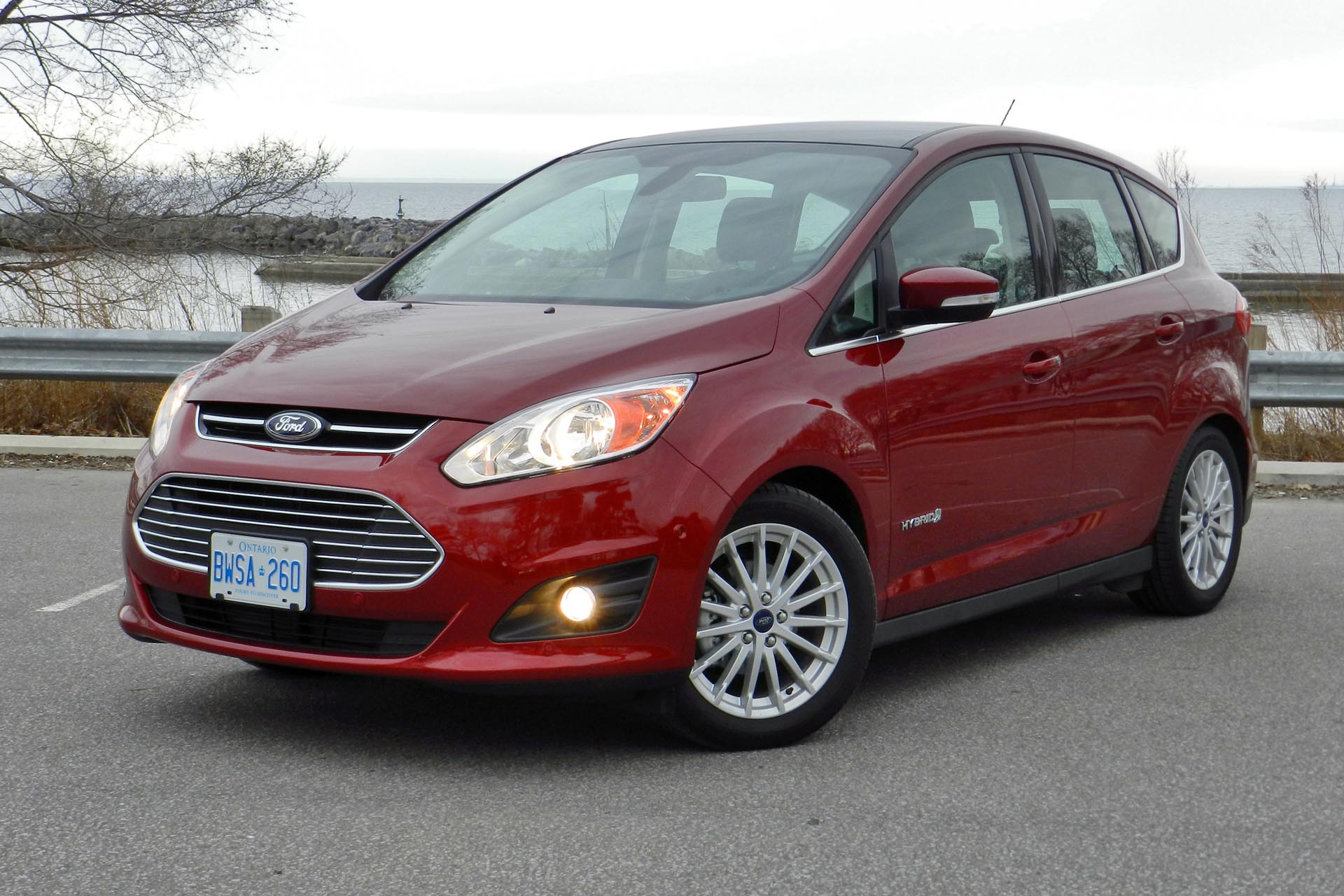
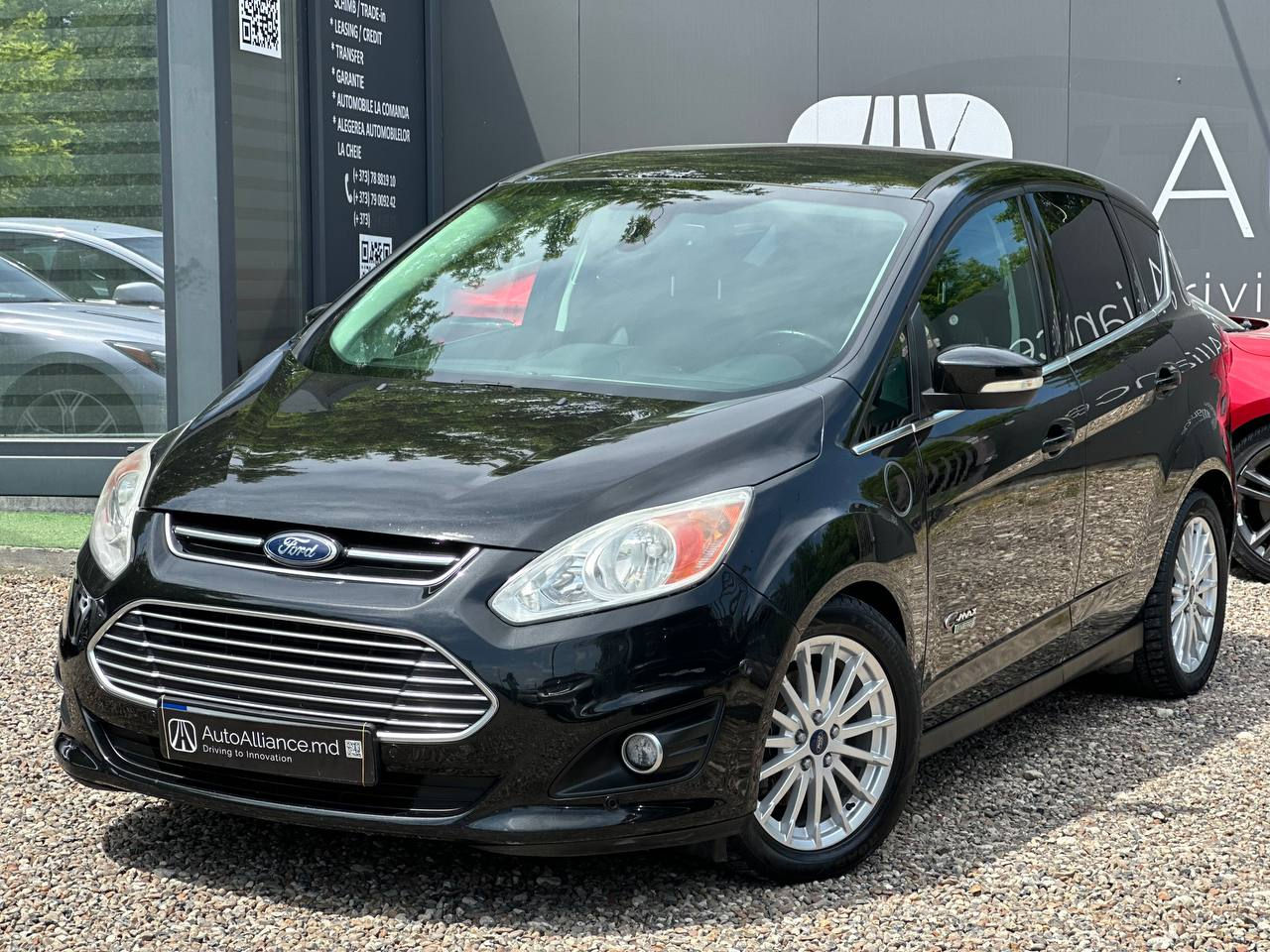
The 2015 Ford C-Max Hybrid SEL is a front-wheel-drive, five-door compact multi-activity vehicle powered by a 2.0-liter Atkinson-cycle four-cylinder engine paired with an electric motor, generating a combined 188 horsepower through an electronic continuously variable transmission. Designed to compete directly with dedicated hybrid hatchbacks, the SEL trim adds premium interior amenities, leather seating, and advanced technology features to a high-efficiency platform.
Introduction and Subject Scope
Navigating the pre-owned hybrid market requires a clear understanding of what specific model years and trim levels offer. The 2015 Ford C-Max Hybrid SEL represents a pivotal era for Ford’s electrification strategy. Initially introduced for the 2013 model year as a direct competitor to vehicles like the Toyota Prius v, the C-Max was offered exclusively as a hybrid or plug-in hybrid (known as the Energi). By 2015, Ford implemented several under-the-hood calibrations and software updates to improve real-world efficiency and address initial consumer feedback regarding EPA fuel economy ratings from earlier production runs.
The SEL designation sits at the top of the C-Max hierarchy, above the base SE trim. It elevates the driving and ownership experience by integrating luxury-oriented amenities, enhanced safety features, and upgraded infotainment technology. This overview provides a detailed examination of the 2015 Ford C-Max Hybrid SEL, exploring its powertrain specifications, interior layout, real-world efficiency, maintenance considerations, and long-term viability as a used vehicle purchase.
Powertrain and Performance Specifications
At the heart of the 2015 Ford C-Max Hybrid SEL is a sophisticated hybrid propulsion system that blends internal combustion with electric power. Understanding the mechanics of this system is essential for evaluating how the vehicle drives and how it achieves its efficiency numbers.
Engine and Electric Motor Integration
The vehicle utilizes a 2.0-liter Ti-VCT Atkinson-cycle four-cylinder engine. The Atkinson cycle trades low-end torque for superior thermal efficiency, making it ideal for hybrid applications where the electric motor can compensate for any off-the-line sluggishness. The gasoline engine alone produces 141 horsepower and 129 lb-ft of torque.
Working in tandem with the engine is a 35-kilowatt permanent-magnet AC synchronous electric motor, powered by a 1.4-kWh lithium-ion battery pack located beneath the rear cargo floor. Combined, the system generates a net total of 188 horsepower. This output makes the C-Max significantly more powerful than many of its contemporary hybrid competitors, translating into confident highway passing maneuvers and responsive acceleration from a stop.
Transmission and Drivetrain Dynamics
Power is routed to the front wheels via an electronically controlled Continuously Variable Transmission (eCVT). Unlike traditional belt-and-pulley CVTs, Ford's power-split eCVT uses a planetary gear set to seamlessly blend power from the gasoline engine, the electric motor, or both simultaneously.
The driving dynamics of the C-Max SEL are often cited by automotive journalists as a strong point. Built on Ford’s global C-segment platform—shared with the European Focus—the C-Max features a fully independent suspension system. This gives the vehicle planted handling, minimal body roll in tight corners, and a ride quality that feels more European than typical hybrid hatchbacks. Steering is weighted nicely through its electric power-assisted steering system, offering decent feedback to the driver.
Interior Comfort, Cargo Space, and SEL Trim Features
The SEL trim transforms the cabin of the C-Max from a standard commuter environment into a well-appointed space with upscale materials and advanced conveniences.
Premium Cabin Amenities
Stepping into the 2015 Ford C-Max Hybrid SEL reveals a host of standard features that were optional or unavailable on the lower SE trim. Standard equipment includes:
- Leather-trimmed seating surfaces with heated front seats
- Power-adjustable driver’s seat with lumbar support
- Dual-zone automatic climate control
- Ambient interior lighting
- Leather-wrapped steering wheel and shift knob
- Intelligent Access with push-button start
- Auto-dimming rearview mirror
- Rain-sensing windshield wipers
The dashboard layout features soft-touch materials and a driver-centric cockpit. The instrumentation relies on Ford’s SmartGauge with EcoGuide, which uses dual 4.2-inch configurable LCD screens flanking a central speedometer to provide real-time feedback on energy efficiency, braking scores, and power distribution.
Infotainment and Technology
The SEL trim comes equipped with the MyFord Touch infotainment system, centered around an 8-inch touchscreen display, paired with SYNC. While early iterations of MyFord Touch faced criticism for sluggish responses, software updates applied by 2015 improved stability. The system handles Bluetooth audio streaming, hands-free calling, satellite radio, and voice-activated navigation (if equipped as an option). A Sony audio system with nine speakers is standard on the SEL trim, delivering crisp sound quality throughout the cabin.
Passenger Space and Cargo Capacity
Because the C-Max was designed specifically as a tall hatchback or multi-activity vehicle, it offers a higher seating position and generous headroom compared to traditional sedans. Front-row occupants enjoy 41 inches of legroom, while rear passengers have 36.5 inches.
Cargo capacity is influenced by the placement of the lithium-ion battery pack under the floor. With the 60/40 split-folding rear seats upright, the C-Max SEL provides 24.5 cubic feet of cargo space. Folding the rear seats flat expands capacity to 52.6 cubic feet. While this is slightly less than the cavernous cargo hold of the Toyota Prius v, the C-Max's boxy roofline makes loading bulky items straightforward.
| Feature / Metric | 2015 Ford C-Max Hybrid SEL | Toyota Prius v (2015) |
|---|---|---|
| Net Horsepower | 188 hp | 134 hp |
| Engine Type | 2.0L I4 Atkinson-cycle + Electric | 1.8L I4 Atkinson-cycle + Electric |
| Transmission | Electronic CVT | Electronic CVT |
| EPA Fuel Economy (City/Hwy/Comb) | 42 / 37 / 40 mpg | 44 / 40 / 42 mpg |
| Cargo Volume (Seats Up / Down) | 24.5 / 52.6 cu ft | 34.3 / 67.3 cu ft |
| Curb Weight | ~3,607 lbs | ~3,485 lbs |
Fuel Economy and Real-World Efficiency
Fuel efficiency is the primary reason motorists purchase hybrid vehicles. For the 2015 model year, Ford adjusted its marketing and certification labels following earlier consumer discrepancies regarding EPA estimates.
The official EPA ratings for the 2015 Ford C-Max Hybrid SEL stand at 42 mpg city, 37 mpg highway, and 40 mpg combined. While these figures trail dedicated class leaders like the standard Toyota Prius, the C-Max offers a significantly more engaging driving experience and a heavier vehicle architecture.
Factors Affecting Real-World MPG
- Speed Profile: Hybrid vehicles excel in stop-and-go urban traffic where regenerative braking captures kinetic energy and stores it in the battery. Highway driving at sustained speeds above 75 mph relies primarily on the gasoline engine, causing fuel economy to drop closer to the upper-30s range.
- Climate Control: Running the heating system during freezing winter months requires the gasoline engine to remain active to generate cabin heat, temporarily reducing fuel efficiency. Conversely, air conditioning use has a modest impact due to the electric compressor system.
- Driving Habits: Anticipating traffic stops and using smooth, progressive braking allows the regenerative braking system to capture the maximum amount of energy rather than wasting it through friction brakes.
Safety Ratings and Driver Assistance
Safety is a critical consideration for any family vehicle. The 2015 Ford C-Max Hybrid SEL incorporates a robust suite of passive and active safety equipment designed to protect occupants.
Crash Testing and Structural Integrity
The National Highway Traffic Safety Administration (NHTSA) awarded the 2015 Ford C-Max Hybrid an overall safety rating of 4 out of 5 stars, with 5 stars awarded in side-impact evaluations. The Insurance Institute for Highway Safety (IIHS) gave the vehicle its highest rating of "Good" in moderate overlap front, side, roof strength, and head restraints evaluations.
Standard Safety Equipment
- Dual-stage front airbags, front-seat side airbags, and a driver’s knee airbag
- Safety Canopy side-curtain airbags covering both rows
- AdvanceTrac with Electronic Stability Control (ESC)
- Anti-lock Braking System (ABS) with electronic brake-force distribution
- Tire Pressure Monitoring System (TPMS)
- SOS Post-Crash Alert System
Available Safety Technology
The SEL trim allowed buyers to add optional packages, such as the Parking Technology Package, which includes front parking sensors and Active Park Assist (parallel parking guidance). A rearview camera is standard on the SEL trim, providing clear visibility when backing up.
Maintenance, Reliability, and Ownership Costs
Evaluating a used 2015 Ford C-Max Hybrid SEL requires understanding common mechanical tendencies, routine maintenance intervals, and long-term battery health.
Hybrid Battery Longevity
The lithium-ion battery pack powering the 2015 C-Max is engineered to last the lifetime of the vehicle. Federal regulations mandate a hybrid component warranty of 8 years or 100,000 miles (which extends to 10 years or 150,000 miles in California-emissions states). As vehicles from the 2015 model year age, real-world data shows that battery degradation is typically minimal, provided the vehicle has not experienced extreme operating temperatures or severe neglect. Replacement battery packs are available through aftermarket suppliers and Ford dealerships if cell failure occurs.
Common Mechanical Considerations
- Transmission Durability: The eCVT used in the C-Max is generally robust compared to traditional automatic transmissions, but fluid changes every 150,000 miles (or sooner for severe driving) are recommended to maintain longevity.
- Brake Component Wear: Because the vehicle relies heavily on regenerative braking, traditional brake pads and rotors experience less wear than non-hybrid vehicles. However, mechanics should inspect brake lines and calipers periodically to prevent rust seizing in rust-prone climates.
- Software Updates: Ensuring that the powertrain control modules have the latest Ford software calibrations helps optimize fuel delivery, battery management, and transmission shifting.
Frequently Asked Questions
What is the difference between the 2015 Ford C-Max SE and SEL?
The SEL trim is the higher-tier model compared to the base SE. It adds leather-trimmed heated front seats, power-adjustable driver seating, push-button start, ambient interior lighting, rain-sensing wipers, dual-zone climate control, and an upgraded Sony audio system with MyFord Touch.
Does the 2015 Ford C-Max Hybrid have plug-in capability?
No. The standard hybrid model charges its battery entirely through regenerative braking and the gasoline engine. Ford also offered a separate model called the C-Max Energi, which is a Plug-in Hybrid Electric Vehicle (PHEV) with a larger charging port and plug capability.
What common problems should I look out for when buying a used 2015 C-Max SEL?
Potential buyers should verify that all software updates have been applied, test the MyFord Touch infotainment screen for responsiveness, and check the service history of the hybrid battery system. A pre-purchase inspection by a mechanic familiar with hybrid powertrains is strongly recommended.
How does the cargo space of the C-Max compare to standard sedans?
The C-Max offers significantly more vertical cargo flexibility than a traditional sedan. Its hatchback design and 60/40 folding rear seats allow for hauling tall or bulky items, providing up to 52.6 cubic feet of total cargo volume with the seats down.
Is premium fuel required for the 2015 Ford C-Max Hybrid SEL?
No. The 2.0-liter Atkinson-cycle engine is designed to run efficiently on standard regular unleaded gasoline (87 octane), helping keep daily fueling costs low.
Conclusion and Buying Recommendation
The 2015 Ford C-Max Hybrid SEL remains a compelling choice for drivers seeking the efficiency of a hybrid without sacrificing driving dynamics, cabin comfort, or cargo utility. Its European-inspired handling, upscale leather interior, and robust safety profile distinguish it from more austere hybrid hatchbacks of the same era. When shopping for a pre-owned model, buyers should prioritize examples with comprehensive service records, verified software updates, and healthy battery diagnostics to ensure years of reliable, fuel-efficient operation.