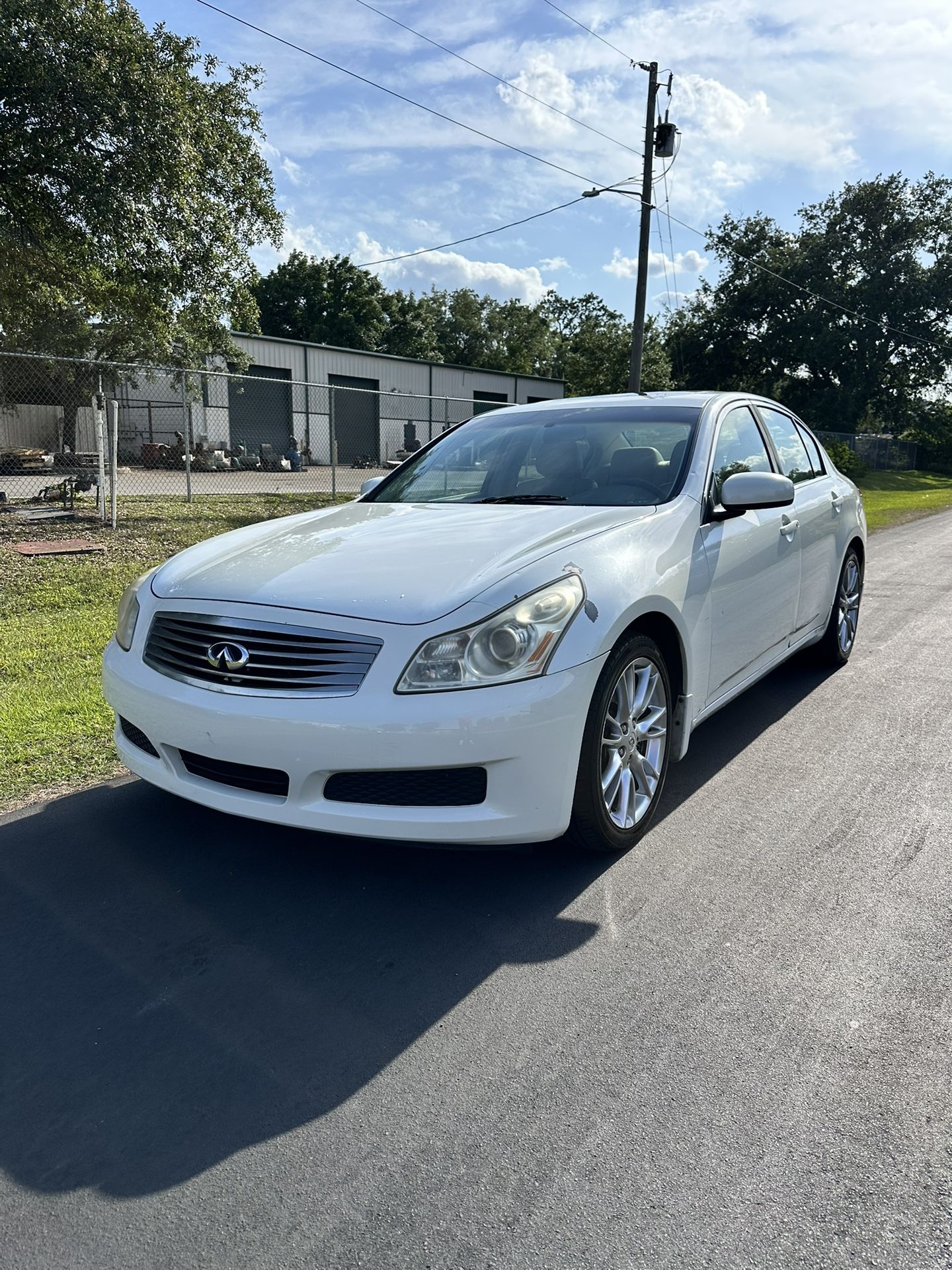
The 2007 Infiniti G35 sedan is powered by the fourth-generation VQ35HR 3.5-liter V6 engine, which produces 306 horsepower at 6,800 rpm and 268 lb-ft of torque at 4,800 rpm. This power plant marked a significant evolutionary step for Infiniti, featuring structural enhancements, a higher redline, and improved breathing compared to the previous VQ35DE engine.
The Evolution of the VQ35HR Engine
The 2007 model year represented a major redesign for the Infiniti G35 sedan. Moving from the V35 chassis to the V36 platform, the most critical change occurred under the hood. While the engine displacement remained at 3.5 liters, the "HR" designation—standing for High Revolution and High Response—signified that the engine had been substantially overhauled to address performance limitations of the outgoing VQ35DE.
Engineers at Nissan/Infiniti redesigned over 80 percent of the internal components of the engine. The block featured a taller deck height and longer connecting rods, which reduced side-loading on the pistons and decreased friction. The "High Revolution" aspect was realized through a stiffer engine block and a reinforced crankshaft that allowed for a higher redline of 7,600 rpm. This shift was intended to provide a more linear power delivery and a more aggressive acoustic profile, positioning the 2007 G35 as a genuine contender in the luxury sports sedan segment against German competitors like the BMW 3 Series.
Horsepower and Torque Characteristics
The headline figure of 306 horsepower was, at the time, a benchmark in the entry-level luxury class. To achieve these numbers, Infiniti implemented several advanced technical solutions:
- Symmetrical Dual Intake System: The most visible change under the hood was the dual intake setup. By utilizing two air cleaners and two throttle bodies, the engine breathed more efficiently, reducing intake restriction at high rpm.
- Variable Valve Timing: The VQ35HR features Continuously Variable Valve Timing Control (CVTCS) on the intake side. This allowed the engine to optimize torque delivery at low engine speeds while maintaining high-end horsepower.
- High-Flow Exhaust: The exhaust manifolds were redesigned with a more uniform length to reduce backpressure. When paired with the dual intake system, the engine achieved a much improved volumetric efficiency rating.
- Compression Ratio: The engine runs a compression ratio of 10.6:1, requiring premium unleaded gasoline (91 octane or higher) to prevent engine knock and ensure the rated horsepower is achievable.
The torque curve of the VQ35HR is notably flat, meaning the driver has access to the majority of the 268 lb-ft of torque across a broad rev range. This provides the G35 with excellent passing power at highway speeds and strong acceleration from a standstill, regardless of whether the vehicle is equipped with the 5-speed automatic or the 6-speed manual transmission.
Technical Specifications and Drivetrain Variants
When analyzing the 2007 Infiniti G35, it is essential to consider how these specifications translate across different drivetrain configurations. The vehicle was offered in both Rear-Wheel Drive (RWD) and All-Wheel Drive (AWD) variants, specifically the G35x.
The engine output remained consistent across all trims, meaning the power figures cited are identical for both RWD and AWD models. However, the transmission choice significantly impacts the driving experience. The 6-speed manual transmission was available exclusively on the "Sport" trim and featured a closer gear ratio setup, allowing the driver to keep the engine in the peak power band between 4,500 and 6,800 rpm more effectively than the 5-speed automatic.
| Feature | Specification |
|---|---|
| Engine Type | 3.5L V6 (VQ35HR) |
| Horsepower | 306 hp @ 6,800 rpm |
| Torque | 268 lb-ft @ 4,800 rpm |
| Valvetrain | DOHC, 4 valves per cylinder |
| Induction | Naturally Aspirated |
| Bore x Stroke | 95.5 mm x 81.4 mm |
| Compression Ratio | 10.6:1 |
| Redline | 7,600 rpm |
Intake and Exhaust Flow Dynamics
The transition to the dual-intake system on the 2007 G35 was not merely an aesthetic choice; it was a fundamental shift in how the engine processed air. In the previous iteration, a single intake path forced air through a complex series of bends. By splitting the intake into two paths, the engineers reduced the distance air traveled and lowered the intake air temperature, which is critical for consistent horsepower production.
The exhaust system is similarly dual-path, featuring high-flow catalytic converters located close to the engine to expedite heat-up and reduce emissions, while the piping diameter was optimized to balance exhaust scavenging (the process of using exhaust gas pulses to help pull more air into the cylinders) with the need to maintain sufficient exhaust backpressure for low-end torque.
Reliability and Maintenance Considerations for 2007 Models
In 2026, owners of the 2007 Infiniti G35 must be aware that the high-performance nature of the VQ35HR necessitates strict adherence to maintenance schedules. While the engine is generally considered robust, there are specific areas that require monitoring:
- Oil Consumption: While the VQ35HR was an improvement over the "Rev-Up" versions of the VQ35DE, all high-performance naturally aspirated engines of this era can experience minor oil consumption. Regular level checks are recommended.
- Gallery Gaskets: A known, albeit somewhat rare, point of failure involves the internal timing chain gallery gaskets. If the oil pressure light flickers at idle, this is a primary diagnostic area.
- Cooling System: The VQ35HR is sensitive to cooling system efficiency. As the vehicle reaches higher mileage, ensuring the cooling system is free of air pockets and that the thermostat is functioning correctly is vital to preventing head gasket stress.
- Throttle Body Sync: Because the engine utilizes two throttle bodies, they must be synchronized. If the engine idle is erratic or if the car hesitates after a battery disconnect, a manual idle air volume relearn procedure is often required.
Performance Comparisons
Compared to its primary market rival at the time, the BMW 330i (E90), the 2007 Infiniti G35 boasted a significant horsepower advantage—306 hp versus 255 hp. The G35's power advantage allowed it to achieve a 0-60 mph time of approximately 5.4 to 5.6 seconds, depending on the transmission and tires.
While the BMW offered different driving dynamics, the G35's engine was widely praised for its punchy delivery and the distinct, mechanical growl produced by the intake system under hard acceleration. The VQ35HR engine remains a favorite among enthusiasts because of its high ceiling for modification and its reputation for longevity when properly maintained.
Frequently Asked Questions
Does the 2007 Infiniti G35 require premium fuel for full power? Yes, the engine is tuned for 91 octane or higher. Using lower-grade fuel will trigger the knock sensors, which will retard the ignition timing and result in a measurable loss of horsepower and potentially decreased fuel efficiency.
Is there a difference in horsepower between the G35 Sedan and the G35 Coupe? In 2007, the G35 Sedan received the new VQ35HR engine (306 hp), while the G35 Coupe retained the older VQ35DE engine (293 hp). The sedan was the first to transition to the new, more powerful architecture.
Why does my 2007 G35 have two air intakes? The dual-intake design is a functional requirement of the VQ35HR engine. It provides the engine with a more direct, less restrictive path for air to reach the combustion chambers, which is a primary reason the engine can safely rev higher and make more power than its predecessor.
What is the "HR" in VQ35HR standing for? The "HR" stands for "High Revolution" and "High Response." This reflects the mechanical changes, such as the stiffer engine block and lighter internal components, that allow the engine to rev more freely and respond more quickly to throttle inputs.
What is the most common maintenance item for the VQ35HR engine? Beyond standard oil and filter changes, the most critical item to monitor is the cooling system. Proper fluid circulation is essential, and owners should be vigilant regarding any signs of coolant leaks or fluctuations in engine temperature, as overheating is the fastest way to compromise the engine's long-term health.
Recommendations for Owners
If you are currently maintaining a 2007 Infiniti G35, prioritize the quality of your engine oil and cooling system components. Synthetic oil changes every 5,000 miles, along with the use of high-quality engine air filters (which must be changed in pairs), will help ensure the engine continues to deliver its original rated power. If you notice a loss in performance, start by checking for vacuum leaks around the dual-intake tubing, as even a small tear in the rubber intake boots can significantly disrupt the engine's air-fuel ratio calculations.