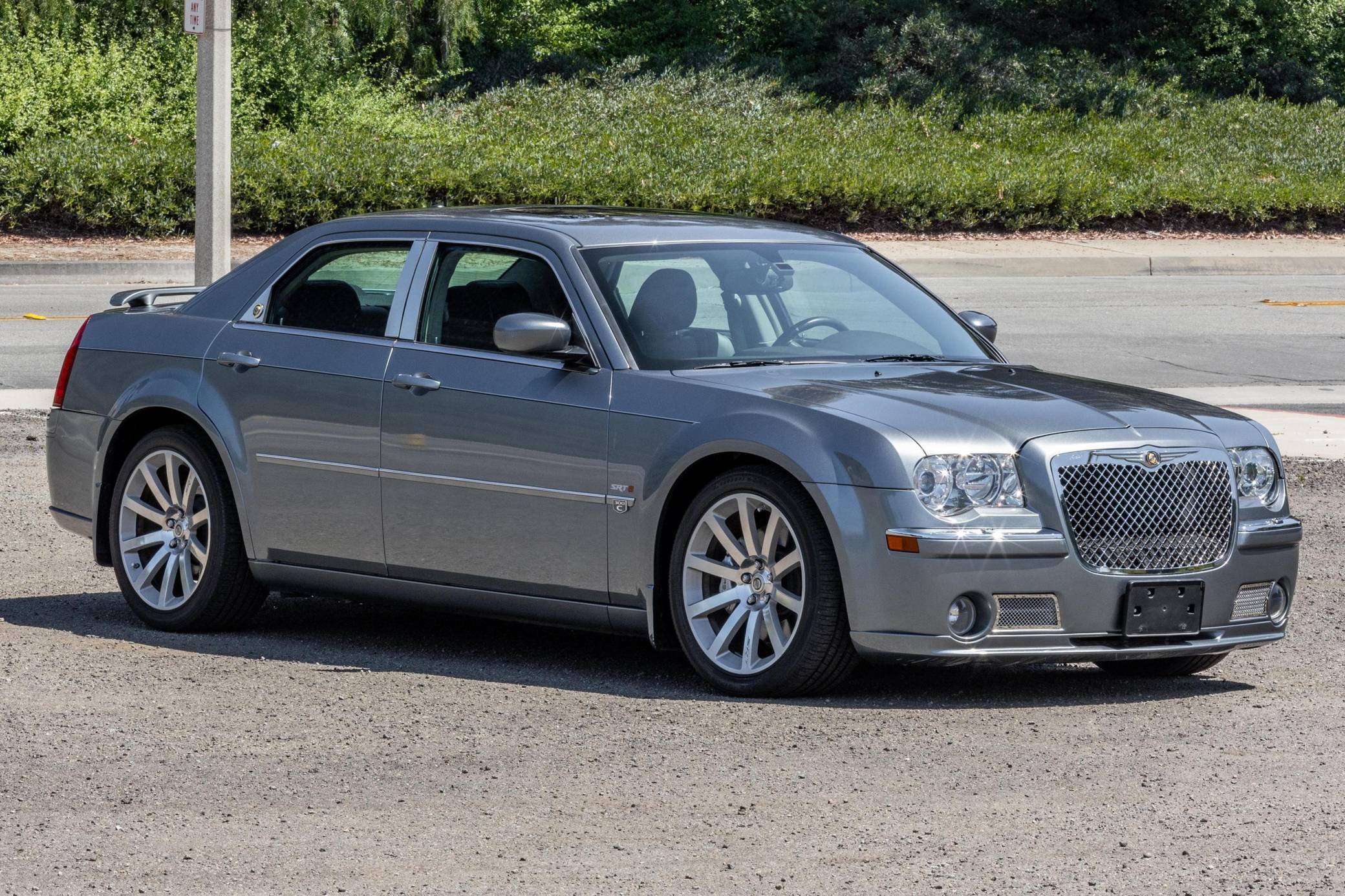
The 2006 Chrysler 300C is equipped with a 5.7-liter HEMI V8 engine that produces 340 horsepower and 390 lb-ft of torque. This powertrain provides the rear-wheel-drive or available all-wheel-drive sedan with significant acceleration capabilities, serving as the high-performance centerpiece of the Chrysler 300 lineup during the 2006 model year.
Engineering the HEMI V8 for the 300C
The 2006 Chrysler 300C gained significant recognition for the reintroduction of the "HEMI" branding into a modern executive sedan. At the heart of the vehicle’s performance is the 5.7-liter naturally aspirated V8 engine. This powerplant utilizes a hemispherical combustion chamber design, which allows for larger valves and improved airflow efficiency compared to traditional wedge-shaped combustion chambers.
This engine configuration was designed to balance raw output with the demands of a heavy, luxury-oriented chassis. The 340 horsepower rating at 5,000 RPM provided the 300C with a distinct advantage in its segment, allowing it to move from a standstill to 60 mph in the low-six-second range. The engine also features the Multi-Displacement System (MDS), a pioneering fuel-saving technology for the period that deactivates four of the eight cylinders under light load conditions to improve fuel economy during highway cruising.
Torque Characteristics and Driving Dynamics
While the horsepower figure is often the primary metric cited by enthusiasts, the 2006 Chrysler 300C’s torque delivery is arguably more influential in the vehicle's daily drivability. Producing 390 lb-ft of torque at 4,000 RPM, the HEMI engine provides substantial "low-end" grunt. This characteristic is particularly noticeable when merging onto highways or executing passing maneuvers.
The engine is paired with a five-speed automatic transmission featuring Chrysler’s AutoStick manual shift mode. The transmission is calibrated to harness the engine's torque curve, ensuring that the car feels responsive regardless of the gear. Because the 300C uses a heavy, rear-drive platform derived from architecture shared with Mercedes-Benz at the time, the power is delivered with a grounded, planted feel that contrasts with lighter, more twitchy sport sedans of the mid-2000s.
Performance Comparisons: The 300C vs. Base Models
To understand the significance of the 2006 Chrysler 300C horsepower rating, it is useful to look at the hierarchy of the model lineup for that year. The entry-level 300 and 300 Touring models were equipped with a 2.7-liter or 3.5-liter V6 engine, respectively.
| Model Trim | Engine | Horsepower | Torque (lb-ft) |
|---|---|---|---|
| Chrysler 300 | 2.7L V6 | 190 hp | 190 lb-ft |
| Chrysler 300 Touring | 3.5L V6 | 250 hp | 250 lb-ft |
| Chrysler 300C | 5.7L HEMI V8 | 340 hp | 390 lb-ft |
| Chrysler 300C SRT8 | 6.1L HEMI V8 | 425 hp | 420 lb-ft |
The step up from the 3.5L V6 to the 5.7L HEMI represents a massive leap in both output and driving character. Furthermore, the 300C acts as the bridge between the standard luxury-oriented models and the track-focused SRT8 variant, which utilized a larger 6.1-liter engine to push output to 425 horsepower.
Maintenance Requirements for Peak Performance
Maintaining the 340-horsepower output of a 2006 Chrysler 300C requires adherence to strict maintenance intervals. Because the HEMI engine utilizes a complex valve train and a sophisticated MDS system, the condition of the engine oil is critical.
- Oil Viscosity: The engine requires 5W-20 oil, specifically because the MDS system relies on consistent oil pressure and viscosity to actuate the solenoid-driven lifters. Using improper oil can lead to MDS failure and rough idling.
- Spark Plug Maintenance: The 5.7L HEMI features two spark plugs per cylinder, totaling 16 plugs. Replacing these at the recommended intervals is essential for maintaining ignition efficiency and preventing misfires that would result in a noticeable loss of power.
- Cooling System: Ensuring that the cooling system is free of debris and that the coolant is fresh is vital. High-horsepower engines generate significant thermal energy; if the engine overheats or is improperly cooled, the engine computer will pull ignition timing, resulting in reduced power output as a protective measure.
Limitations and Considerations for Owners
While the 340 horsepower is substantial, potential owners or current drivers should be aware of the performance limitations of this platform. The primary factor is weight. The 300C is a heavy vehicle, weighing over 4,000 pounds. While the HEMI provides plenty of power to overcome this inertia, the vehicle is not a "sports car" in the conventional sense. The suspension, while tuned for stability, is oriented more toward grand touring comfort than aggressive cornering.
Additionally, the age of the vehicle in 2026 means that components like fuel injectors, air intake sensors, and O2 sensors may be nearing the end of their design life. A dirty throttle body or a failing mass airflow sensor can create a "choking" effect on the engine, making it feel as though the car has lost a portion of its original horsepower. Regular diagnostic scans to monitor fuel trims and air-fuel ratios can help ensure the engine is operating at its design potential.
Frequently Asked Questions
Does the 2006 Chrysler 300C have a higher horsepower rating than the SRT8 version? No. The 300C was equipped with a 5.7L HEMI rated at 340 horsepower, while the performance-oriented SRT8 trim utilized a specialized 6.1L HEMI that produced 425 horsepower.
What is the Multi-Displacement System (MDS) and does it affect horsepower? The MDS is a fuel-saving technology that shuts down four of the eight cylinders during highway cruising. It does not affect peak horsepower, as all eight cylinders remain active as soon as the driver requests significant acceleration.
Can high-octane fuel increase the horsepower of a 2006 Chrysler 300C? The engine was designed to run on 89 octane (mid-grade) fuel. While using higher-octane fuel will not technically increase the advertised horsepower, it may prevent the engine management system from retarding ignition timing due to "knock" or "pinging" under high load, which can help ensure the engine delivers its full rated potential consistently.
Is it normal for a 2006 Chrysler 300C to lose power as it ages? Like any internal combustion engine, performance degradation can occur due to carbon buildup, worn ignition components, or clogged filters. With proper maintenance of the intake, fuel, and ignition systems, the 5.7L HEMI is known for maintaining its power delivery over many years of service.
How does the all-wheel-drive system affect the 300C’s power delivery? The AWD system, available on the 2006 300C, directs power to all four wheels, which helps with traction in adverse conditions. While it adds weight, the power output of the engine remains the same at 340 horsepower, though the feeling of acceleration may differ slightly due to the increased mechanical grip compared to a RWD model.
Next Steps for Performance Verification
If you suspect your 2006 Chrysler 300C is not delivering its expected power, begin by performing a comprehensive diagnostic check. Start with a visual inspection of the air intake system for blockages and ensure the air filter is clean. Use an OBD-II scanner to check for any pending or stored fault codes, even if the "Check Engine" light is not illuminated, as some issues (like minor vacuum leaks or slow-responding O2 sensors) may impact engine performance without triggering a dashboard warning. If the vehicle has significant mileage, consider a professional fuel system cleaning and a fresh set of 16 spark plugs to restore original throttle response and power output.