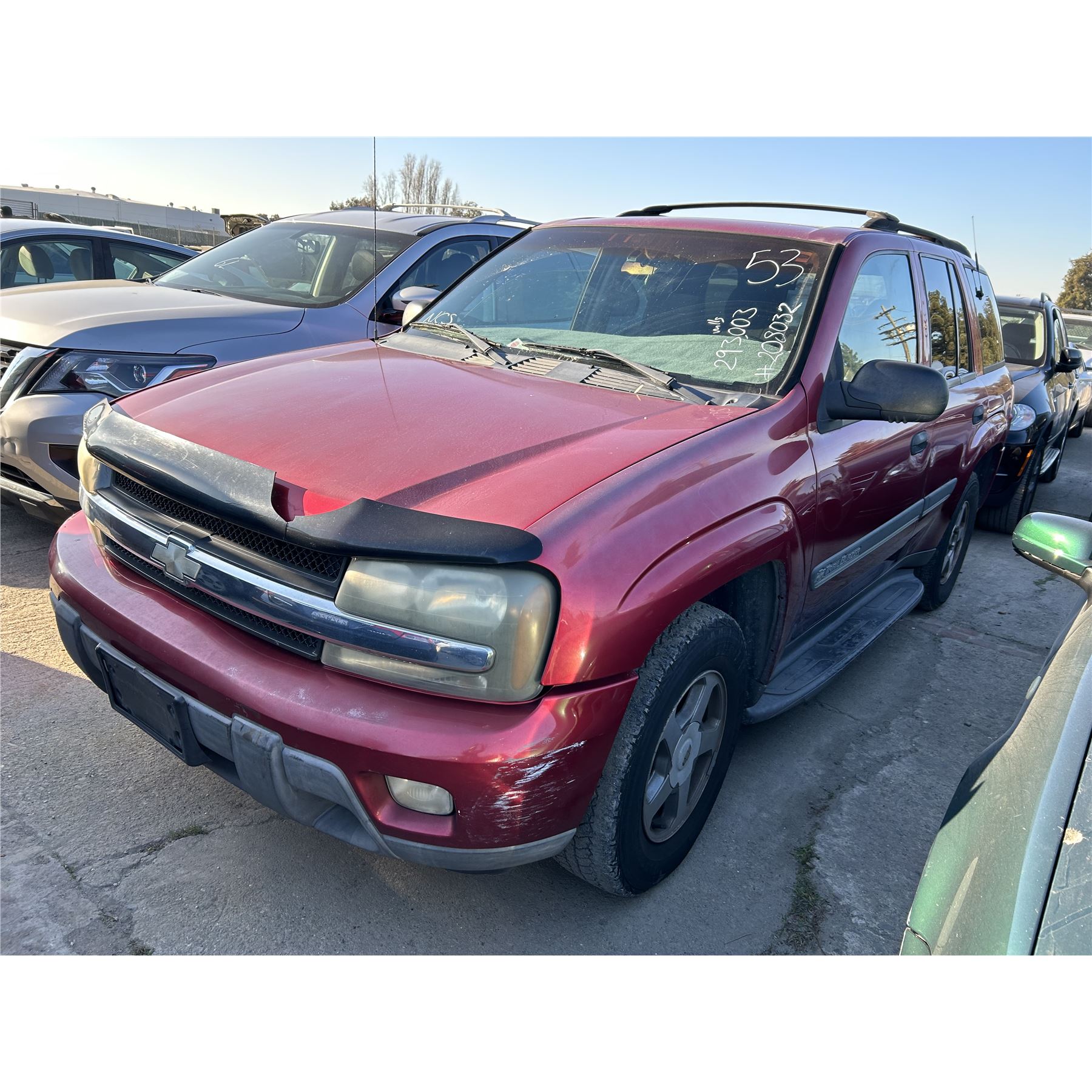
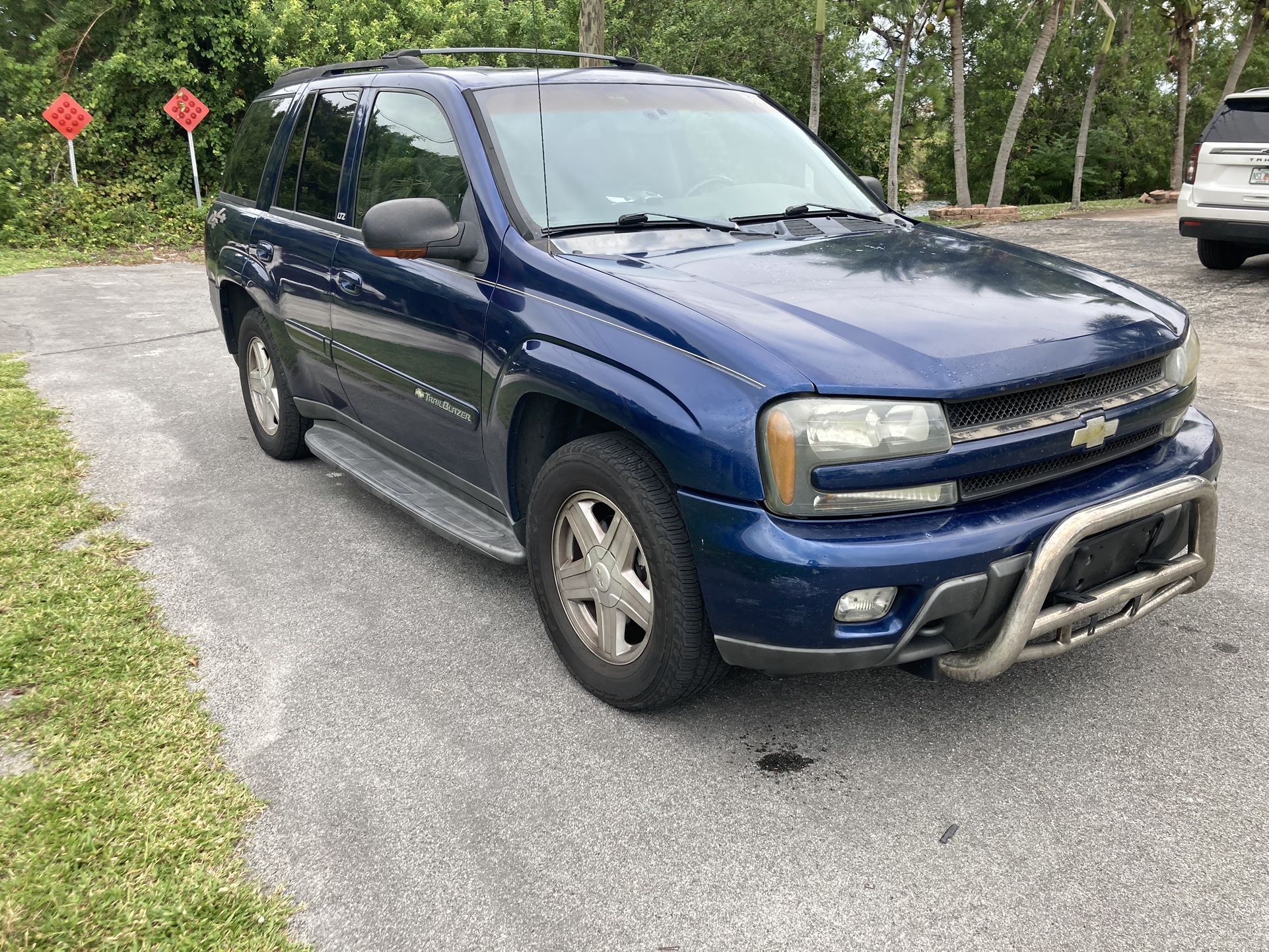
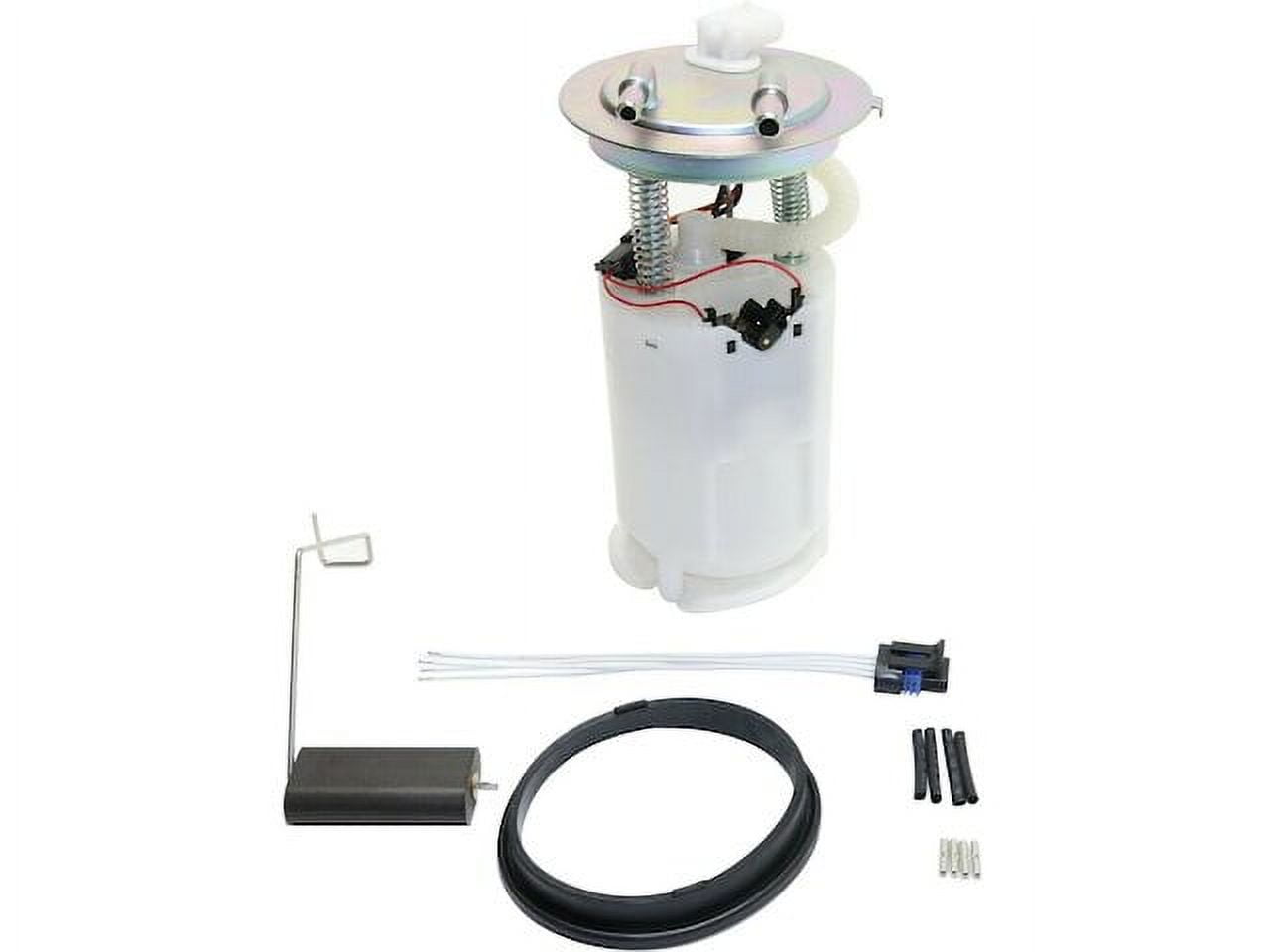
The 2002 Chevy TrailBlazer typically achieves an EPA-estimated fuel economy of around 15 mpg in the city and 20 to 21 mpg on the highway for two-wheel-drive models, resulting in a combined average of roughly 17 mpg. Real-world mileage varies based on maintenance, driving habits, and whether the vehicle is equipped with four-wheel drive.
When General Motors introduced the Chevrolet TrailBlazer as a standalone midsize SUV model for the 2002 model year, it represented a major shift in the brand's light-truck lineup. Powered by an innovative 4.2-liter inline-six engine known as the Atlas LL8, the vehicle replaced the aging Blazer S-10 architecture with a more modern platform, sophisticated suspension, and significantly more power. For buyers evaluating this era of midsize SUVs today, understanding the 2002 Chevy TrailBlazer fuel economy is essential for operational budgeting, maintenance planning, and assessing overall vehicle utility.
Historical Context and Powertrain Specifications
To fully understand the fuel consumption characteristics of the 2002 TrailBlazer, one must examine the engineering choices behind its drivetrain. General Motors invested heavily in the Vortec 4200 engine family, moving away from traditional V6 configurations in favor of an inline-six layout. This design featured dual overhead cams, four valves per cylinder, variable valve timing on the exhaust side, and an all-aluminum construction.
The Vortec 4200 produced an impressive 270 horsepower and 275 lb-ft of torque, figures that rivaled or exceeded many V8 engines of the era while aiming to maintain better efficiency than traditional heavy truck powerplants. Power was routed through a Hydra-Matic 4L60-E four-speed automatic transmission, a staple of GM's truck and SUV lineup. The vehicle was offered in both rear-wheel drive (2WD) and selectable or automatic four-wheel drive (4WD/AWD) configurations, known as the Insta-Trac or Autotrac systems.
These mechanical specifications directly dictated the vehicle's weight and rolling resistance. Weighing between roughly 4,400 and 4,700 pounds depending on trim levels (such as the base LS, mid-level LT, or luxury LTZ) and drivetrain selection, the 2002 TrailBlazer was a substantial machine. Consequently, its fuel economy figures reflect the physics of moving a heavy, high-riding utility vehicle with a relatively large-displacement engine.
Official EPA Ratings vs. Real-World Performance
When the 2002 Chevrolet TrailBlazer was new, the United States Environmental Protection Agency (EPA) utilized testing methodologies that differed slightly from modern standards, though the resulting numbers remain useful for baseline comparisons.
For the 2-wheel-drive variants, the official EPA ratings stood at approximately:
- City Fuel Economy: 15 miles per gallon (mpg)
- Highway Fuel Economy: 20 to 21 miles per gallon (mpg)
- Combined Fuel Economy: 17 miles per gallon (mpg)
For the 4-wheel-drive variants, the added mechanical drag of the transfer case, front differential, and half-shafts, combined with a slight weight penalty, reduced efficiency marginally:
- City Fuel Economy: 14 to 15 miles per gallon (mpg)
- Highway Fuel Economy: 18 to 19 miles per gallon (mpg)
- Combined Fuel Economy: 16 miles per gallon (mpg)
In real-world driving, however, achieving these numbers depends heavily on the current mechanical health of the vehicle. Because these SUVs have accumulated significant age and mileage, factors such as worn oxygen sensors, clogged fuel injectors, dragging brake calipers, and degraded transmission fluid can severely depress fuel efficiency. Many owners report real-world city averages dipping into the 12 to 13 mpg range during heavy stop-and-go commuting, while well-maintained highway cruisers can still touch 19 to 20 mpg at sustained legal speeds.
Comparison of 2002 TrailBlazer Configurations
The following table outlines the factory specifications and estimated fuel economy ranges across the primary drivetrain options for the 2002 model year.
| Drivetrain Configuration | Engine | Transmission | EPA City (mpg) | EPA Hwy (mpg) | Real-World Combined Range (mpg) |
|---|---|---|---|---|---|
| Rear-Wheel Drive (2WD) | 4.2L Inline-6 (LL8) | 4-Speed Automatic (4L60-E) | 15 | 20-21 | 15 - 18 |
| Four-Wheel Drive (4WD) | 4.2L Inline-6 (LL8) | 4-Speed Automatic (4L60-E) | 14-15 | 18-19 | 14 - 17 |
Key Factors Influencing Fuel Consumption
Several operational and mechanical variables dictate how efficiently a 2002 Chevy TrailBlazer consumes gasoline. Recognizing these factors allows owners to diagnose poor mileage and implement corrective measures.
Aerodynamics and Rolling Resistance
The TrailBlazer features a traditional boxy SUV profile with a relatively high ground clearance. At highway speeds, aerodynamic drag accounts for a massive percentage of fuel consumption. Adding roof racks, cargo baskets, oversized all-terrain tires, or lift kits exponentially increases wind resistance and rolling friction, often dropping highway fuel economy by 2 to 4 mpg. Maintaining proper tire pressure in the recommended P-metric or LT-metric tires is vital for minimizing resistance.
Engine Management and Ignition Health
The Vortec 4200 engine relies on a coil-on-plug ignition system and a sophisticated array of sensors, including mass air flow (MAF) sensors, manifold absolute pressure (MAP) sensors, and heated oxygen sensors (O2S). Over time, these components drift out of calibration or fail entirely. A lazy oxygen sensor can cause the engine control module (ECM) to run a rich air-fuel mixture, silently burning extra fuel without necessarily triggering a check engine light immediately. Regularly cleaning the throttle body and replacing fouled spark plugs can restore lost efficiency.
Transmission Efficiency
The 4L60-E four-speed automatic transmission features an overdrive gear and a torque converter clutch designed to lock up at cruising speeds, reducing engine RPM on the highway. If the torque converter clutch fails to engage, the engine operates at higher RPMs continuously on the highway, tanking fuel economy and generating excess transmission heat. Ensuring timely fluid and filter changes helps preserve internal hydraulic pressure and clutch integrity.
Practical Strategies to Improve Fuel Economy
While a 2002 Chevy TrailBlazer will never match the efficiency of a modern crossover, owners can take concrete steps to optimize its fuel consumption and ensure it operates as close to factory specifications as possible.
- Perform a Comprehensive Tune-Up: Replace worn spark plugs with original equipment manufacturer (OEM) specified iridium or double-platinum plugs. Inspect ignition coils for hairline cracks or weakness.
- Clean the Mass Air Flow Sensor and Throttle Body: Carbon buildup on the throttle blade and a contaminated MAF sensor distort the computer's calculation of incoming air, leading to inefficient fuel metering. Use dedicated electronic cleaner sprays.
- Audit Emission Components: Check for exhaust leaks upstream of the oxygen sensors, as ambient air drawn into the exhaust stream tricks the computer into adding unnecessary fuel.
- Manage Weight and Accessories: Remove unnecessary cargo, tools, and heavy accessories from the cabin and cargo area. Every extra hundred pounds forces the engine to work harder during acceleration.
- Adhere to Strict Maintenance Intervals: Change engine oil using the correct viscosity (typically 5W-30), replace air filters regularly, and keep fuel injectors clean using professional induction services or approved fuel additives.
Frequently Asked Questions
What is the gas tank capacity of a 2002 Chevy TrailBlazer?
The 2002 Chevy TrailBlazer is equipped with a 22-gallon fuel tank. Combined with an average real-world fuel economy of 16 to 17 mpg, drivers can typically expect a cruising range of approximately 350 to 370 miles on a single fill-up under mixed driving conditions, though highway trips can stretch this closer to 400 miles.
Does the 2002 TrailBlazer require premium fuel?
No, the 2002 Chevy TrailBlazer is designed to run on standard 87-octane regular unleaded gasoline. Using higher-octane premium fuel provides no performance or fuel economy benefits for this stock engine configuration, as its compression ratio and tuning parameters are optimized for regular fuel.
Why is my 2002 TrailBlazer getting worse gas mileage than expected?
Sub-par fuel economy in this vehicle is frequently caused by a stuck open thermostat (which keeps the engine running in a cold-enrichment loop), a dirty throttle body, a failing oxygen sensor, dragging brakes from a stuck caliper pin, or a clogged catalytic converter restricting exhaust flow.
Can modifying the exhaust or intake improve fuel economy?
Aftermarket cold air intakes and cat-back exhaust systems rarely yield meaningful improvements in real-world fuel economy on the TrailBlazer. While they may alter engine sound and slightly improve high-RPM power, factory intake systems are already well-optimized for general driving efficiency.
Is the 2002 TrailBlazer fuel economy affected by the 4WD system?
Yes. Operating the vehicle in selectable 4WD HI or leaving an automatic system engaged on dry pavement increases mechanical drag and drivetrain friction. For maximum fuel efficiency, drivers should utilize 2WD mode during dry, normal weather conditions.
Next Actions and Maintenance Verification
To verify the current efficiency of a 2002 Chevy TrailBlazer, conduct a manual fuel economy calculation over the course of three consecutive tankfuls. Fill the tank completely, reset the trip odometer, drive until the tank is roughly one-quarter full, and divide the miles driven by the gallons required to refill the tank. Compare this baseline figure against the expected 15/20 mpg EPA baseline. If real-world numbers fall significantly short, schedule a diagnostic scan to check for pending diagnostic trouble codes (DTCs) and inspect core ignition and fuel delivery components.