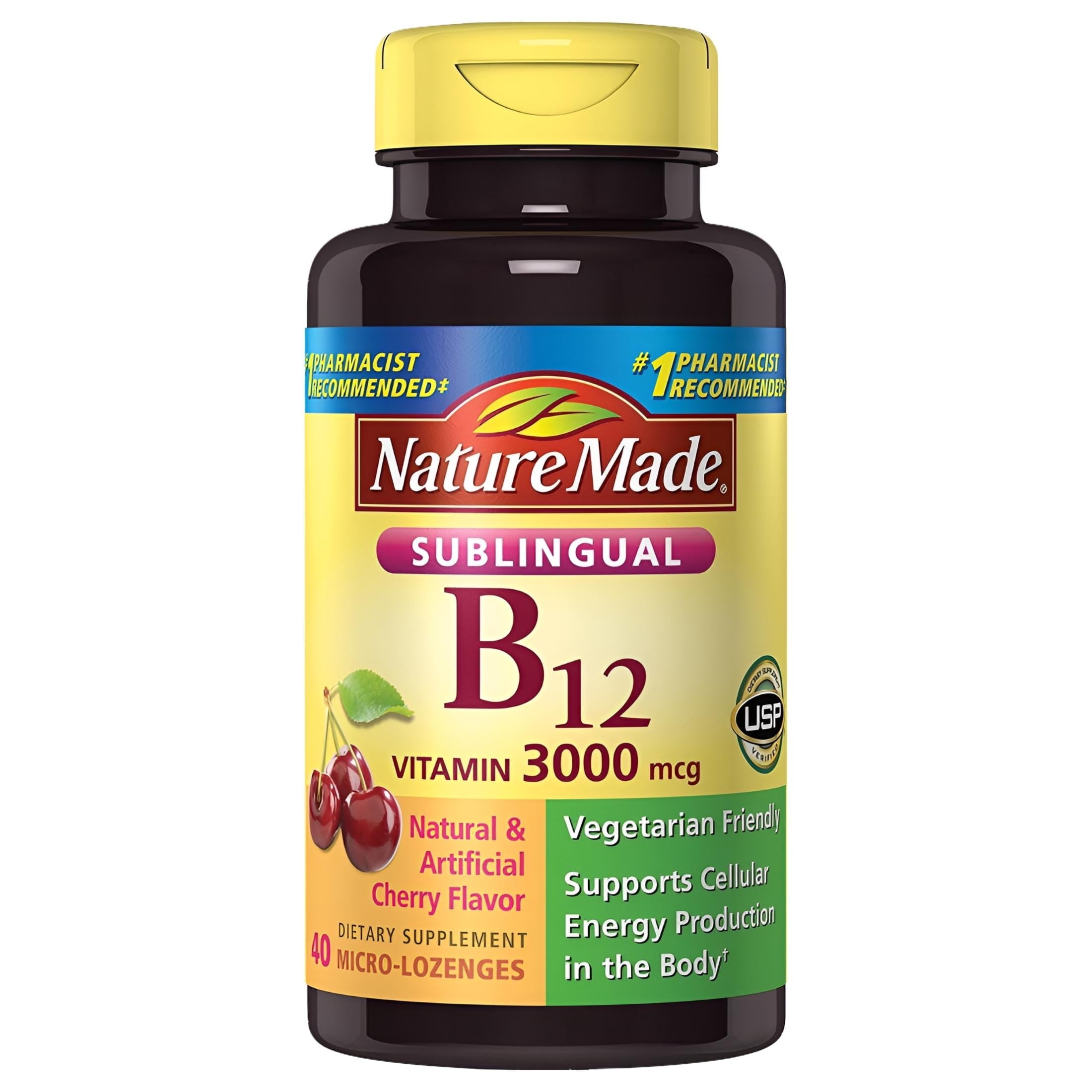
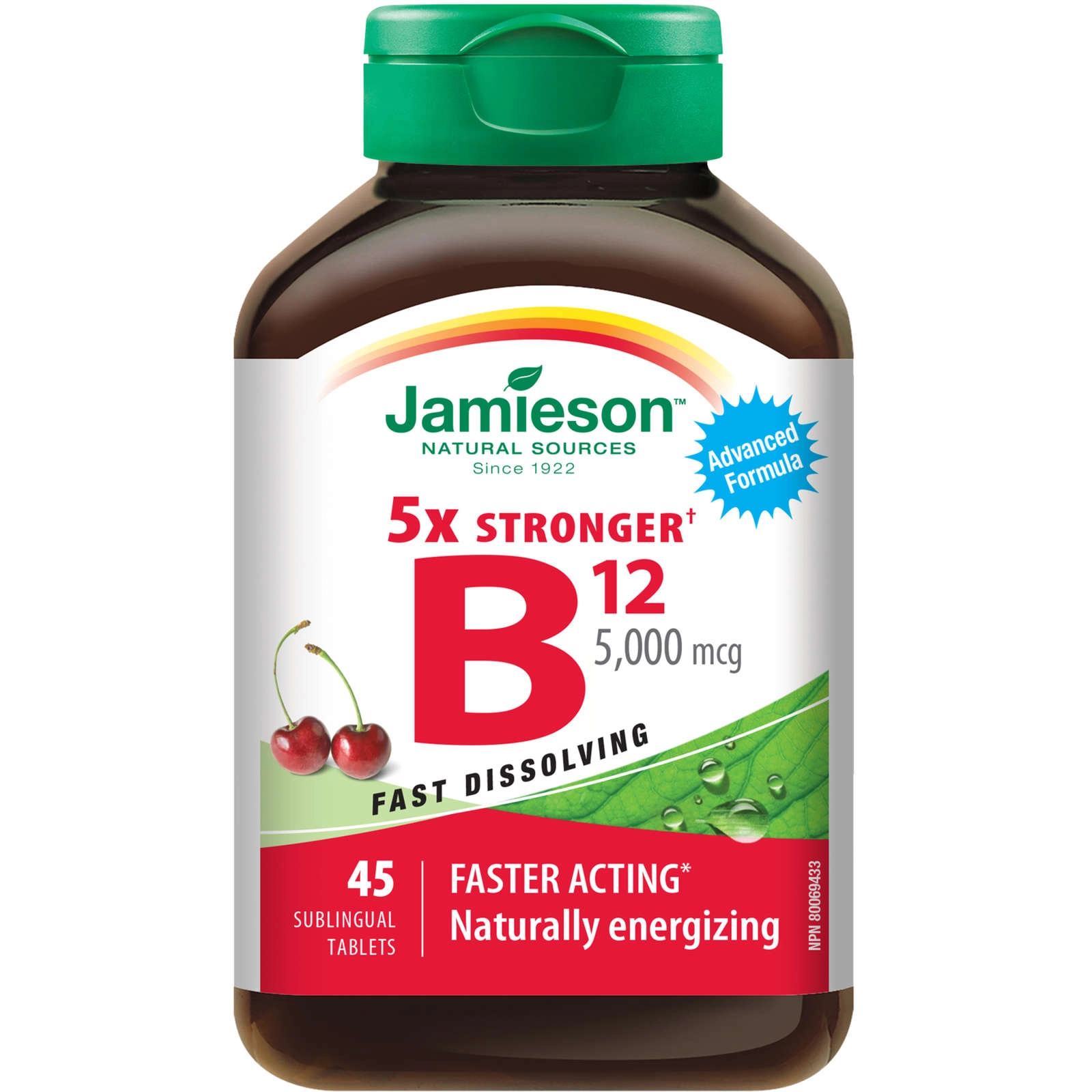
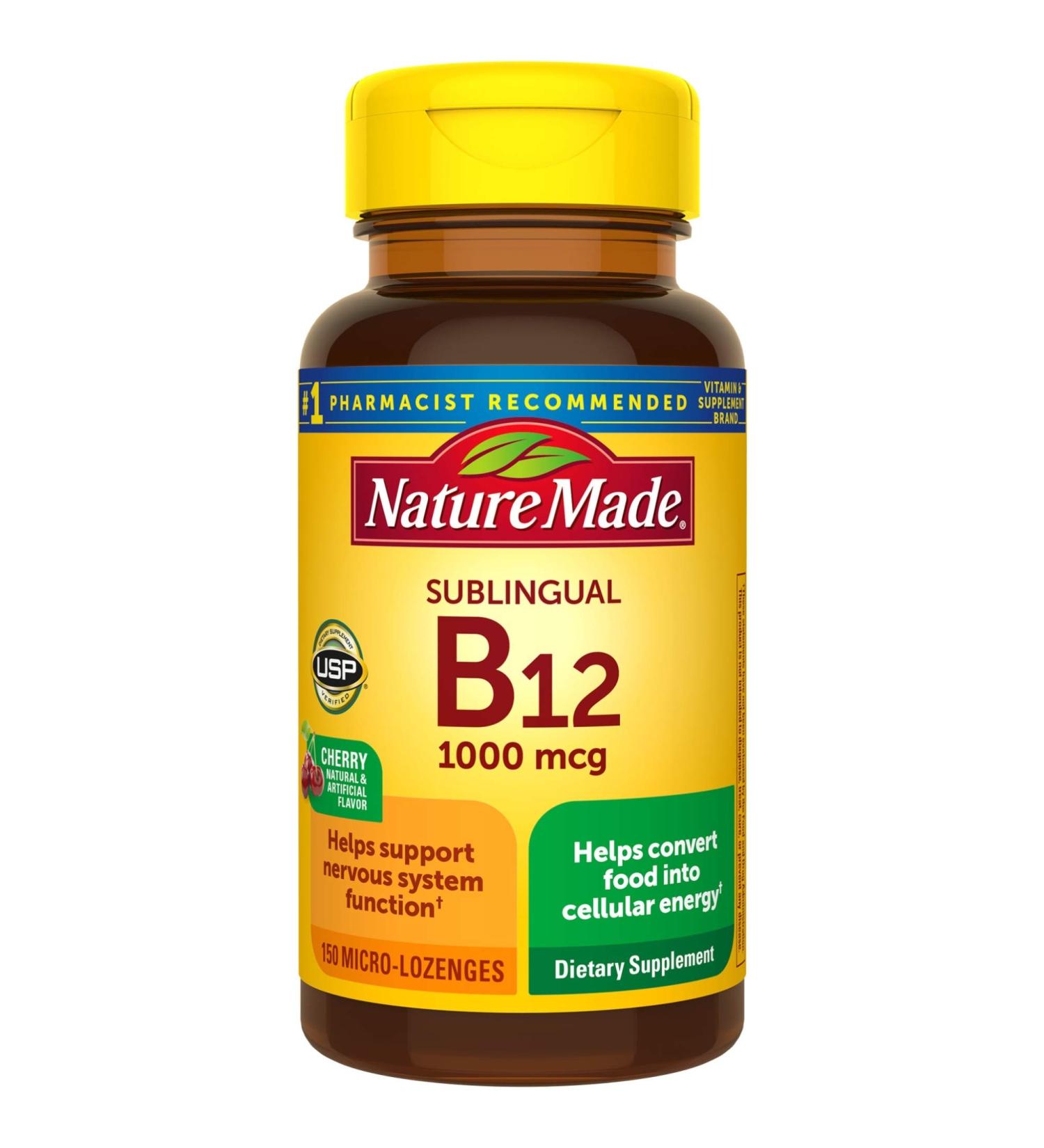
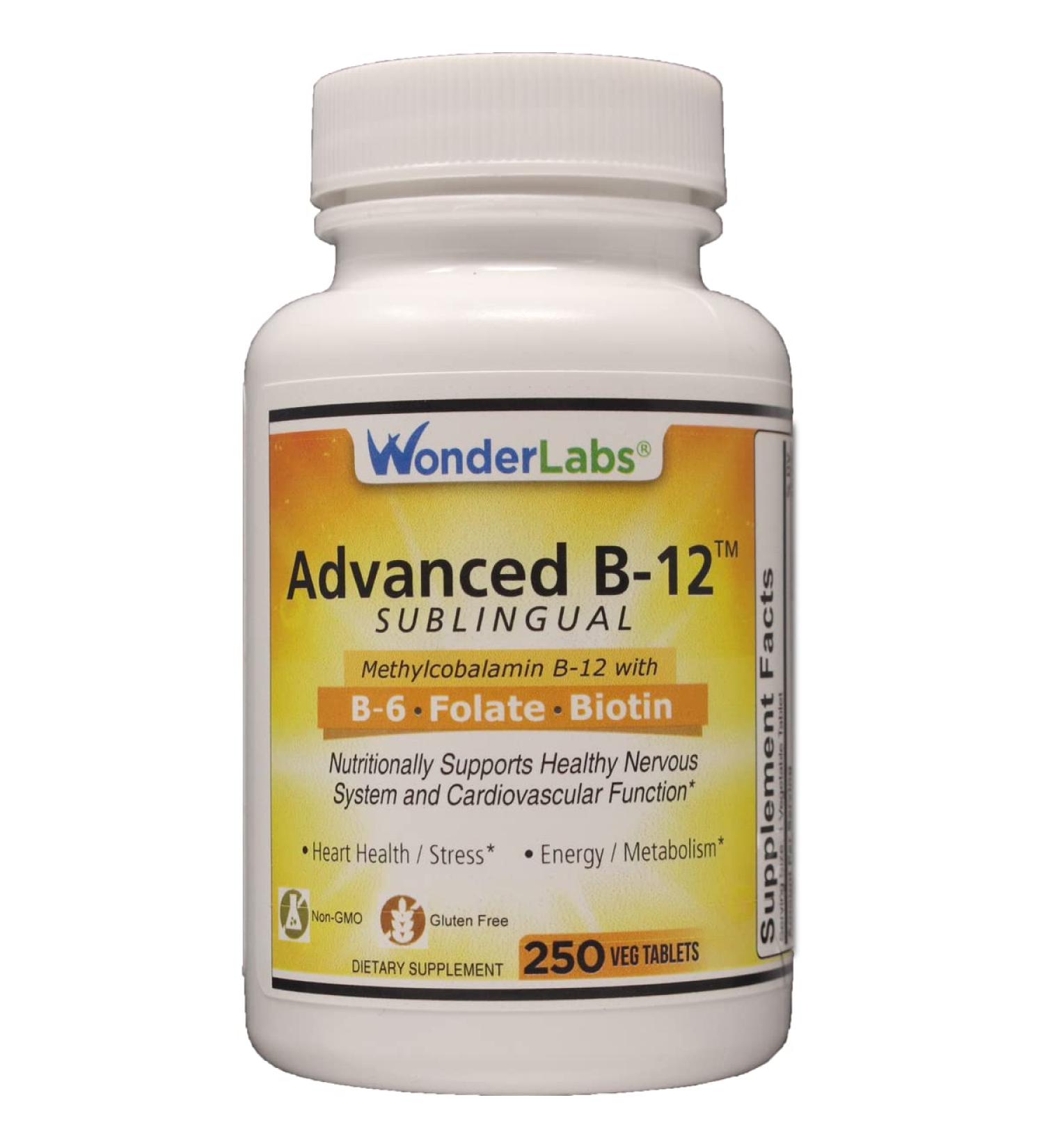
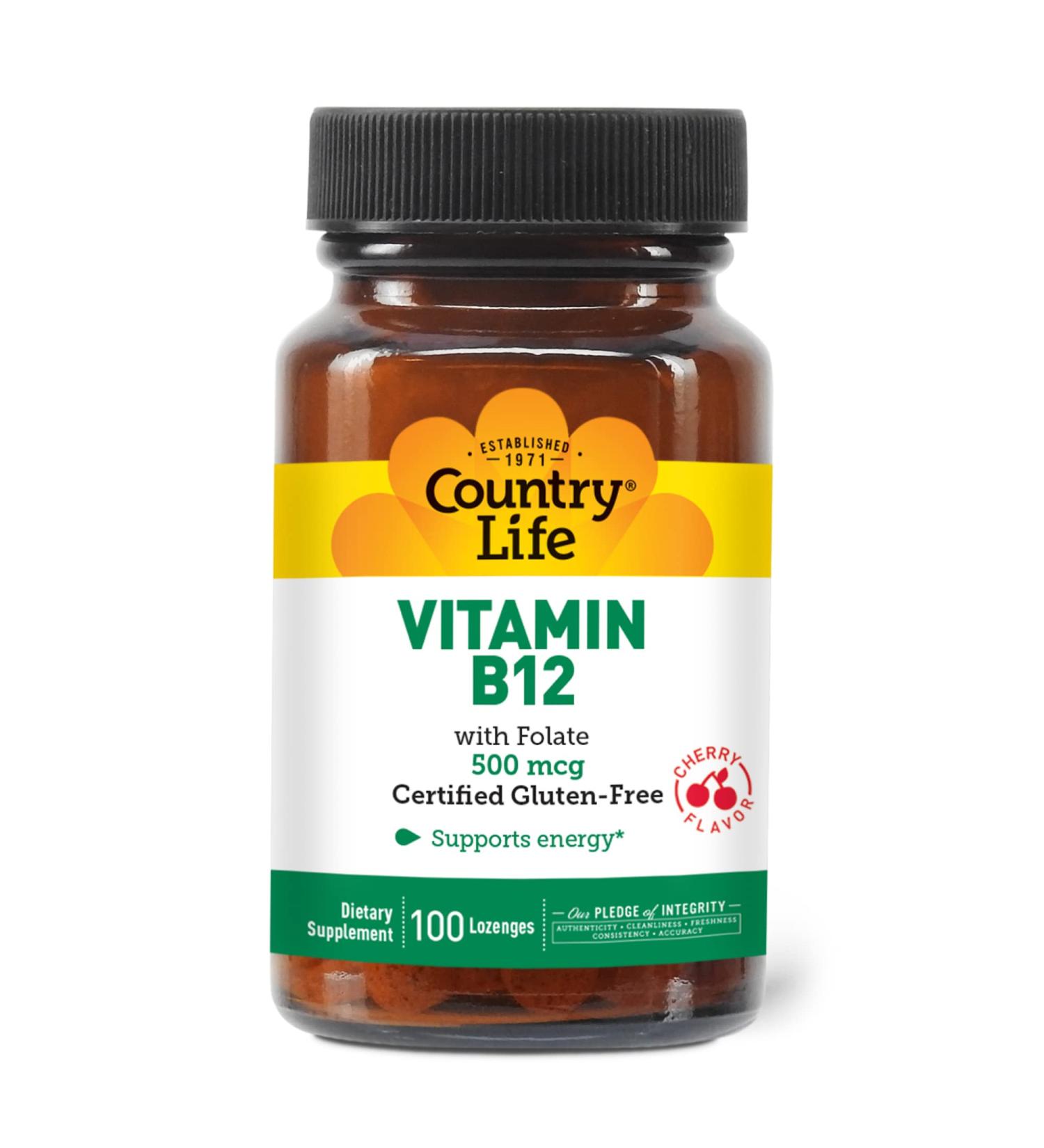
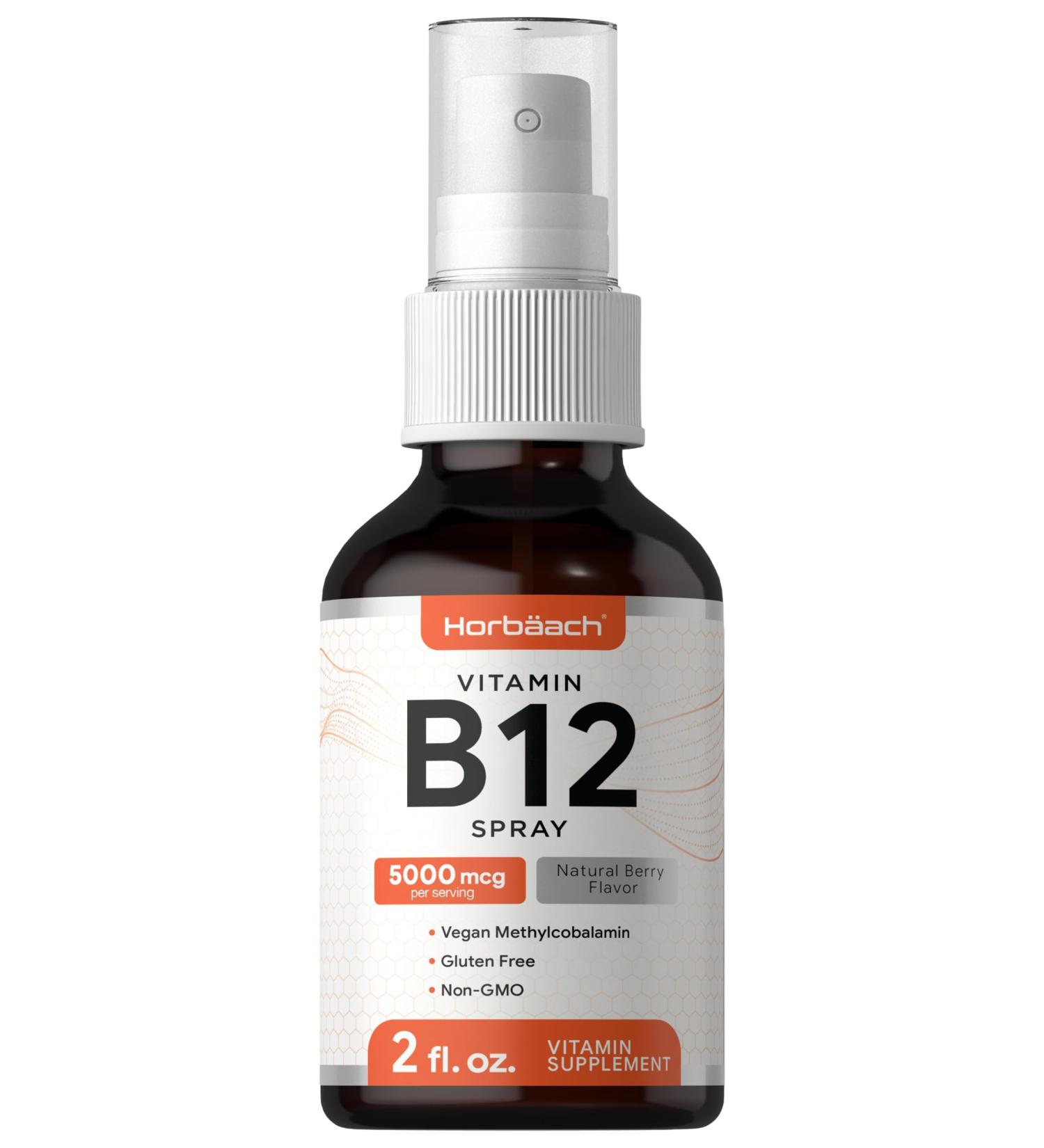
A 1500 mcg sublingual vitamin B12 supplement provides a high-potency, mucosal-absorbed dose designed to bypass standard gastrointestinal barriers, making it an effective option for individuals addressing dietary deficiencies, malabsorption issues, or increased metabolic demands without relying exclusively on intramuscular injections.
Introduction to Vitamin B12 and Sublingual Delivery
Vitamin B12, chemically known as cobalamin, is a water-soluble micronutrient essential for neurological function, red blood cell formation, and DNA synthesis. Unlike many other vitamins, B12 cannot be synthesized by the human body and must be obtained entirely from dietary sources or supplementation. Standard oral supplementation relies on intrinsic factor—a glycoprotein secreted by gastric parietal cells—to facilitate absorption in the terminal ileum. However, various physiological conditions, age-related atrophic gastritis, and certain medications can compromise this intrinsic factor-mediated pathway.
To overcome these gastrointestinal hurdles, sublingual delivery formats have become increasingly popular. A 1500 mcg sublingual vitamin B12 tablet or liquid is formulated to dissolve under the tongue or against the cheek, allowing the active ingredient to diffuse directly through the highly vascularized mucous membranes into the systemic circulation. This bypasses first-pass hepatic metabolism and reduces reliance on normal gastric acid production and intrinsic factor. Understanding how high-dose sublingual administration functions requires examining the biochemical forms of B12, the mathematics of passive diffusion, and the clinical contexts that warrant such robust supplementation.
Biochemical Forms of B12 in 1500 mcg Supplements
When selecting or evaluating a 1500 mcg sublingual vitamin B12 supplement, consumers and clinicians encounter different chemical variants of cobalamin. Each form exhibits unique pharmacokinetic properties, retention times in tissues, and specific bodily applications.
Cyanocobalamin
Cyanocobalamin is a synthetic, man-made form of vitamin B12 containing a cyanide molecule bound to the cobalamin ring. Despite the presence of cyanide—which is present in trace, non-toxic amounts and safely cleared by the body—cyanocobalamin is the most thoroughly researched and economically stable form of B12. It has an exceptionally long shelf life and converts readily into active coenzyme forms within the body.
Methylcobalamin
Methylcobalamin is a naturally occurring, bioidentical coenzyme form of B12. It features a methyl group attached to the cobalt atom. This form is immediately active in cellular metabolism, playing a critical role in the homocysteine-to-methionine conversion pathway and neurological maintenance. Proponents of methylcobalamin note its direct utilization in the central nervous system, though both synthetic and natural forms effectively elevate systemic B12 levels over time.
Hydroxocobalamin and Adenosylcobalamin
Hydroxocobalamin is a natural form produced by bacteria, frequently utilized in injectable formulations but occasionally found in specialized sublingual tablets. It binds more strongly to blood proteins, leading to longer retention times in the body. Adenosylcobalamin, another coenzyme form, operates primarily within the mitochondria supporting energy production, though it is less commonly found as a standalone high-dose sublingual option compared to methylcobalamin and cyanocobalamin.
The Mechanics of Sublingual Absorption
The primary advantage of a 1500 mcg sublingual dose lies in its route of administration. The sublingual mucosa (the tissue under the tongue) and the buccal mucosa (inside the cheeks) feature a thin epithelium and a rich network of capillaries belonging to the sublingual and labial veins.
Passive Diffusion vs. Active Transport
Under normal physiological circumstances, oral B12 absorption occurs via active transport in the gut, a process that becomes saturated at roughly 1.5 to 2.5 micrograms per meal. This means swallowing a standard low-dose vitamin B12 tablet limits total absorption to a fraction of the ingested amount.
Sublingual administration leverages a completely different mechanism: passive diffusion. Because a 1500 mcg dose creates a massive concentration gradient across the mucosal membrane, a small percentage of the vitamin passively diffuses directly into the local capillaries. Even though passive diffusion typically absorbs only about 1% to 3% of a sublingual dose, calculating 1% to 3% of 1500 mcg yields approximately 15 to 45 micrograms entering the bloodstream directly. This amount exceeds the saturation threshold of active transport, making high-dose sublingual supplementation an effective strategy for raising serum levels without injections.
Comparing B12 Administration Methods
Choosing the right format depends on clinical necessity, digestive health status, lifestyle, and cost considerations. The table below outlines how 1500 mcg sublingual B12 compares to other common delivery mechanisms.
| Parameter | 1500 mcg Sublingual B12 | Standard Oral Tablet | Intramuscular Injection |
|---|---|---|---|
| Primary Absorption Site | Buccal/Sublingual mucosa & GI tract | Terminal ileum (GI tract) | Direct intramuscular tissue |
| Intrinsic Factor Required? | Minimally (relies partly on passive mucosal diffusion) | Yes (essential for active transport) | Bypasses GI tract entirely |
| Typical Bioavailability | Moderate (enhanced by high concentration gradient) | Low to moderate (saturates around 2 mcg) | Complete and immediate systemic delivery |
| Administration Frequency | Daily or several times weekly | Daily | Weekly, monthly, or as prescribed |
| Invasiveness | Non-invasive, self-administered | Non-invasive, self-administered | Invasive, clinical or self-injection training required |
Indications and Clinical Targets for 1500 mcg Dosing
A high-potency 1500 mcg dose is typically recommended when standard daily allowances (which range from 2.4 micrograms for healthy adults to slightly higher for pregnant or lactating individuals) are insufficient to correct a deficiency or manage specific medical scenarios.
Dietary Restriction and Plant-Based Diets
Because vitamin B12 is synthesized exclusively by bacteria and archaea, it is found naturally almost exclusively in animal products (meat, poultry, fish, eggs, and dairy). Strict vegetarians and vegans face a high risk of deficiency over time unless they consistently consume fortified foods or supplements. A 1500 mcg sublingual tablet taken a few times per week provides a convenient way to maintain optimal bodily stores without requiring daily pill consumption.
Age-Related Malabsorption (Atrophic Gastritis)
As individuals age, the prevalence of atrophic gastritis—chronic inflammation of the gastric mucosa leading to reduced secretion of hydrochloric acid and pepsin—increases significantly. Hydrochloric acid is required to cleave B12 from dietary proteins. Without adequate acid, food-bound B12 cannot be properly released for absorption. Sublingual B12 bypasses this initial gastric cleavage requirement, making high-dose formulations particularly beneficial for older adults.
Pharmacological Interventions
Certain long-term medications significantly impair B12 status. Proton pump inhibitors (PPIs) and H2-receptor antagonists suppress stomach acid production, preventing the release of B12 from food. Metformin, a first-line pharmaceutical for type 2 diabetes, impairs the calcium-dependent ileal absorption of B12 in a significant percentage of patients. Clinicians frequently recommend high-dose oral or sublingual B12 to patients managing chronic acid reflux or diabetes with these medications.
Safety, Tolerability, and Potential Side Effects
Vitamin B12 is water-soluble, meaning the body excretes excess amounts primarily through the urine, rendering acute toxicity extremely rare even at high doses like 1500 mcg.
Tolerable Upper Intake Level
Regulatory bodies such as the Food and Nutrition Board of the Institute of Medicine have not established a formal Tolerable Upper Intake Level (UL) for vitamin B12 because of its low toxicity profile. No adverse toxic effects have been associated with large doses from food or supplements in healthy populations.
Rare Side Effects and Sensitivities
While safe for the vast majority of individuals, some users may experience mild, transient side effects when introducing high-potency supplements. These can include:
- Mild gastrointestinal upset or nausea if swallowed prematurely before dissolving.
- Minor skin breakouts or acneiform eruptions in sensitive individuals, often linked to high doses of B-complex vitamins.
- Allergic reactions (extremely rare), manifesting as rash, itching, or swelling, usually attributed to inactive binders, fillers, or flavoring agents in specific tablet formulations.
Individuals with severe renal impairment or Leber's disease (a hereditary optic neuropathy) should consult a healthcare professional before taking high-dose B12 supplements, as specific forms like cyanocobalamin may be contraindicated or require specialized clinical management.
Evaluating Product Quality and Selection Criteria
Not all commercial 1500 mcg sublingual B12 supplements are manufactured to the same standards. Because the dietary supplement industry is regulated differently than pharmaceutical drugs, consumers must look for objective quality markers.
Third-Party Testing and Certification
Independent verification ensures that the product contains the exact amount of active ingredient listed on the label and is free from harmful heavy metals, microbial contaminants, and undeclared allergens. Look for certification seals from reputable third-party organizations such as:
- U.S. Pharmacopeia (USP)
- NSF International
- ConsumerLab.com
- Informed-Choice
Excipients and Delivery Format
Excipients are the inactive ingredients used to bind tablets, create pleasant flavors, or ensure rapid dissolution under the tongue. Common components include mannitol, sorbitol, cellulose, and natural cherry or berry flavorings. Individuals with specific sugar sensitivities or sugar alcohols intolerance (such as those following a strict low-FODMAP diet) should carefully review the inactive ingredient list. Additionally, ensuring the tablet is genuinely formulated to disintegrate rapidly under the tongue rather than requiring standard swallowing maximizes the intended sublingual absorption mechanics.
Frequently Asked Questions
How long should a 1500 mcg sublingual B12 tablet take to dissolve?
Most quality sublingual tablets are designed to dissolve completely beneath the tongue or against the cheek within 30 to 60 seconds. The exact dissolution time depends on the tablet size, binder composition, and saliva production. If a tablet takes several minutes or remains intact, gently crushing it or choosing a liquid drop or quick-dissolve micro-tablet can improve the user experience.
Is it safe to take 1500 mcg of vitamin B12 every single day?
Yes, for most healthy adults, taking a 1500 mcg supplement daily is safe. Because B12 is water-soluble, the body absorbs what it needs via passive and active pathways and excretes the excess surplus through renal filtration. However, individuals with specific medical conditions, kidney disease, or rare blood disorders should consult a physician to establish personalized dosing schedules.
Should I take sublingual B12 with food or on an empty stomach?
Sublingual B12 does not rely on normal gastric digestion or food-induced acid secretion for its primary mucosal absorption pathway. Therefore, it can be taken with or without food. Many individuals prefer taking it in the morning, as B12 is frequently associated with supporting normal energy-yielding metabolism, and taking it late in the evening may occasionally cause mild sleep disruption in sensitive users.
Can a blood test confirm if 1500 mcg sublingual B12 is working?
Yes. Serum vitamin B12 blood tests measure total circulating cobalamin. However, serum tests can sometimes yield normal results while cellular deficiency persists. For a comprehensive assessment, clinicians often order supplementary biomarker tests, including serum methylmalonic acid (MMA) and homocysteine levels, which elevate functionally when intracellular B12 is deficient.
Practical Guidance and Next Actions
When integrating a 1500 mcg sublingual vitamin B12 supplement into a health routine, start by identifying the underlying reason for supplementation—such as dietary restriction, pharmaceutical depletion, or diagnosed deficiency. Review current blood panels with a qualified healthcare provider to establish a baseline. Select a reputable product bearing third-party certification, adhere to the manufacturer's dissolving instructions, and schedule follow-up blood work after three to six months to evaluate clinical efficacy and ensure optimal systemic levels are achieved and maintained.