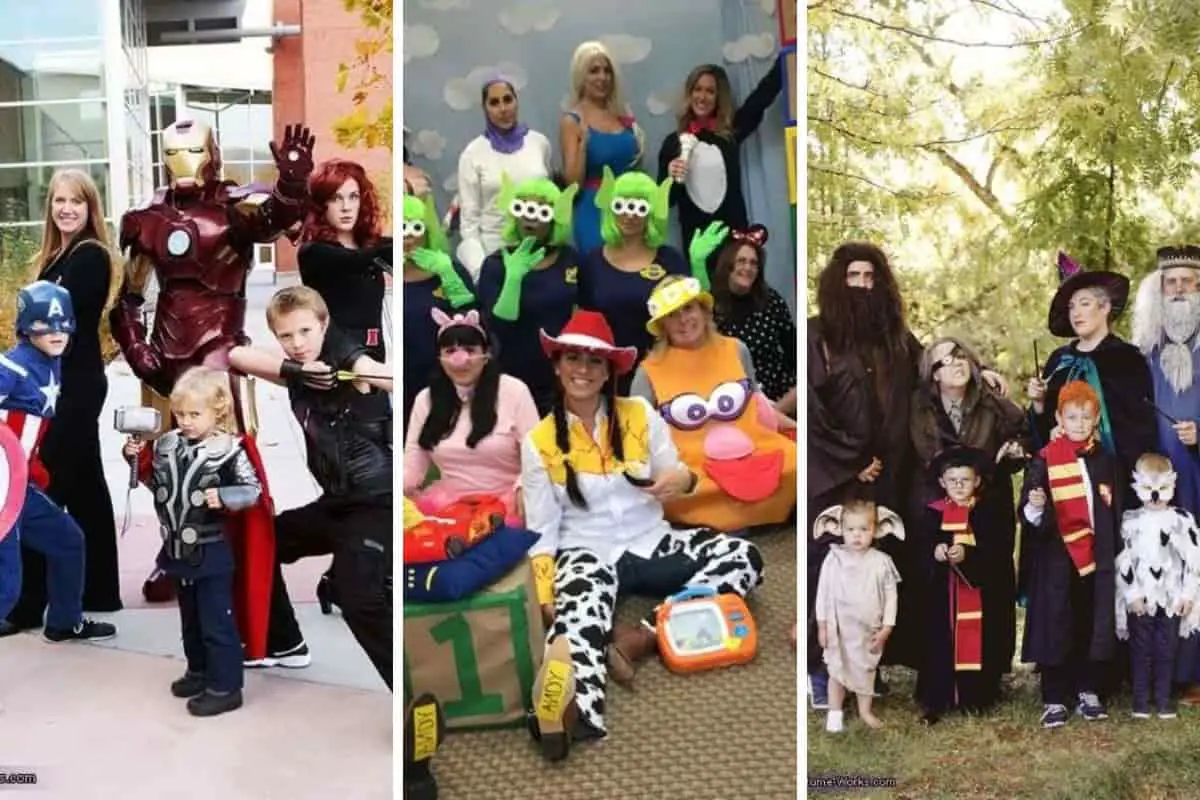
Film costumes serve as a bridge between a character’s internal world and the audience’s perception, often dictating the entire mood of a cinematic piece. To spark your creativity in 2026, focus on designs that challenge conventional silhouettes, utilize unexpected textures, and employ color theory to tell a narrative—ranging from neo-noir minimalism to opulent historical revisionism.
The Evolution of Cinematic Costume as Creative Catalyst
Costume design is rarely just about clothing; it is about visual storytelling and the construction of identity. As we look at the landscape of film in 2026, the intersection of technology and traditional craftsmanship has opened new doors for creators. Whether you are a filmmaker, a professional cosplayer, or a fashion student, the screen remains the primary source for boundary-pushing aesthetics.
The most creative film costumes are those that do not merely mimic reality but enhance it. They often rely on "visual shorthand"—the ability of a garment to convey a character's history, social status, or mental state without a single line of dialogue. By analyzing these twelve distinct ideas, you can learn to deconstruct what makes a visual "pop" and how to apply those principles to your own creative projects.
1. The Neo-Noir "Transparent" Aesthetic
Drawing inspiration from films like Blade Runner (1982) and its subsequent iterations, the use of transparent materials such as PVC, vinyl, and treated plastics sparks creativity by playing with layers. These materials allow the designer to showcase what is underneath, creating a "garment within a garment" effect.
In 2026, this look has evolved to include smart-fabrics that can change opacity. When designing, consider how a clear raincoat or a translucent collar catches light. This idea is particularly effective for sci-fi or urban fantasy settings where the environment—often rain-slicked and neon-lit—interacts directly with the costume's surface.
2. Anachronistic Period Wear
The 2018 film The Favourite and 2023’s Poor Things revolutionized how we view historical costumes by injecting modern sensibilities into period silhouettes. Instead of striving for 100% historical accuracy, these designs use contemporary fabrics (like denim or laser-cut leather) to create 18th or 19th-century shapes.
This approach sparks creativity because it removes the "museum" feel of period drama. By using a modern color palette—such as neon accents on a Victorian bustle—you create a jarring, memorable visual that feels both ancient and futuristic. It encourages the creator to look at the structure of clothing rather than just the history.
3. The "Used Future" and Post-Apocalyptic Texture
The Mad Max franchise, particularly Fury Road and Furiosa, perfected the "used future" aesthetic. The creativity here lies in the "found object" philosophy. Costumes are built from scrap metal, tires, old sporting equipment, and distressed leather.
To spark creativity using this idea, focus on the distressing process. In 2026, costume technicians use a variety of techniques—from Fuller's earth to literal blowtorches—to make new fabric look decades old. This style teaches you that imperfections are assets. A jagged hem or a rusted buckle tells a story of survival that a pristine garment never could.
4. Afrofuturism and Geometric Structure
Ruth E. Carter’s work on Black Panther (2018) and its sequel remains a pinnacle of creative inspiration. By blending traditional African patterns and silhouettes with high-tech materials and 3D-printed elements, Afrofuturism creates a unique visual language.
The creative spark here comes from the integration of mathematical patterns found in nature and culture. Using 3D printing for intricate collars or headpieces allows for shapes that are physically impossible to sew by hand. This encourages a shift from "sewing" to "engineering" a costume.
5. Surrealist Dreamscapes
Eiko Ishioka’s designs for films like The Cell (2000) and The Fall (2006) represent the peak of surrealist costume design. These costumes often involve sculptural elements—large, rigid collars, exaggerated masks, and garments that physically restrict or alter the actor's movement.
Creative growth in this area involves viewing the body as a canvas for sculpture. If you are designing for a dream sequence or a psychological thriller, consider how a costume can distort the human form. Can a cape be made of rigid resin? Can a dress incorporate internal lighting to glow from within?
6. The High-Contrast Graphic Novel Look
Films like Sin City or 300 utilize a specific color-grading process that emphasizes high contrast. Translating this into a physical costume involves using "flat" colors and sharp, defined edges to mimic a comic book.
To achieve this, designers often use "cel-shading" techniques—literally painting shadows and highlights onto the fabric to ensure the costume looks two-dimensional from certain angles. This sparks creativity by forcing you to think about how a 3D object will be captured in a 2D medium (film or photography).
7. Minimalist Uniformity and Branded Identity
Minimalism can be just as creative as maximalism. In films like Gattaca or The Lobster, the costumes are defined by their lack of individuality. Sharp lines, muted tones, and identical tailoring create a sense of oppressive order.
The creative challenge here is to make something interesting within very strict limitations. It forces the designer to focus on fit and silhouette. A perfectly tailored gray suit can be more menacing than a suit of armor if the context is right. Use this idea to explore how clothing can be used to strip away personality or enforce a corporate/state identity.
8. Technicolor Fantasy and Saturated Palettes
The "Golden Age" of Hollywood musicals, such as The Wizard of Oz or Singin' in the Rain, utilized the full spectrum of the Technicolor process. In 2026, we see a return to this hyper-saturated look in films directed by visionaries like Wes Anderson or Greta Gerwig.
Creativity in this niche is driven by color theory. How does a monochromatic pink outfit (as seen in Barbie) change the audience's perception of a character? By using a single, overwhelming color, you can create a "pop art" effect that turns the character into an icon.
9. Gothic Romance and Atmospheric Lace
The work of Kate Hawley in Crimson Peak (2015) showcases how costume can reflect the environment. The long, trailing trains of the dresses and the use of heavy velvets and intricate lace mimic the decaying Victorian mansion where the film takes place.
This idea sparks creativity through symbolism. For example, a character’s dress might feature a pattern that mimics the wallpaper of a haunted house, suggesting they are being "swallowed" by their surroundings. It encourages the use of texture to convey mood—rough wool for stoicism, or delicate lace for fragility.
10. Cyberpunk Streetwear and Techwear
Cyberpunk aesthetics have transitioned from the screen to real-world "Techwear" fashion. Inspired by Akira and Ghost in the Shell, these costumes focus on functionality, straps, utility pockets, and high-performance textiles.
The creative spark here is the "modular" nature of the clothing. Pieces can be added or removed, and the garments often feature integrated electronics (LEDs, cooling systems). This is a great area for those interested in the intersection of fashion and hardware.
11. Folk Horror and Floral Macabre
The 2019 film Midsommar introduced a bright, sun-drenched version of horror, featuring the famous "May Queen" dress made of thousands of artificial flowers. This contrast between the beautiful/natural and the horrific/ritualistic is a goldmine for creative projects.
Using organic materials (or high-quality replicas) like flowers, wheat, and untreated linen creates a "handmade" feel that is deeply unsettling in the right context. It teaches the designer how to use "beauty" as a mask for something darker.
12. Silent Film Glamour and Art Deco
The aesthetic of the 1920s, filtered through the lens of early cinema (like Fritz Lang’s Metropolis), offers a wealth of geometric and metallic inspiration. Think of the "Maschinenmensch" robot—a costume that is both feminine and industrial.
This idea sparks creativity by encouraging the use of metallics and structural ribbing. Using gold leaf, silver fabrics, or even 3D-printed chrome plates can create a look that feels both vintage and ahead of its time.
Comparison of Costume Design Approaches
The following table summarizes the key characteristics and technical requirements of the costume ideas discussed above.
| Costume Concept | Primary Material | Technical Difficulty | Budget Range | Main Visual Impact |
|---|---|---|---|---|
| Neo-Noir | PVC, Vinyl, LED strips | Medium | Moderate | Reflections & Light play |
| Anachronistic | Modern fabrics (Denim) | High | High | Subversion of History |
| Post-Apocalyptic | Distressed Leather, Scrap | Low to Medium | Low | Grit, Texture, & History |
| Afrofuturism | 3D Prints, Kente patterns | Very High | High | Cultural Engineering |
| Surrealist | Resin, Wireframes, Silk | High | High | Distortion of Form |
| Graphic Novel | Painted Canvas, Neoprene | Medium | Moderate | 2D Illusion in 3D |
| Minimalist | Wool, Silk Crepe | Medium | Moderate | Precision & Tailoring |
| Technicolor | Saturated Synthetics | Low | Moderate | Color Theory/Pop Art |
| Gothic Romance | Velvet, Antique Lace | Medium | High | Atmospheric Symbolism |
| Cyberpunk | Ripstop Nylon, Straps | Medium | Moderate | Functional Utility |
| Folk Horror | Artificial Florals, Linen | High (Time) | Moderate | Organic Juxtaposition |
| Silent Cinema | Metallic Foils, Chrome | High | High | Industrial Glamour |
Technical Execution and Creative Workflow
When embarking on a costume project inspired by film, the process should be as structured as a professional production. In 2026, the standard workflow often involves a hybrid of digital and physical stages.
Phase 1: Conceptualization and Mood Boarding
Before touching fabric, create a mood board. This should not only include stills from the films mentioned but also textures from nature, architectural photos, and color swatches. Professional designers often use tools like Pinterest or dedicated mood-boarding software to see how colors interact.
Phase 2: Silhouette and Prototyping
The silhouette is the most important part of the costume. If the outline of the character isn't recognizable, the costume has failed its primary task. In 2026, many creators use 3D body scanning to create a "digital twin," allowing them to drape virtual fabric before making a single cut. This saves both time and expensive materials.
Phase 3: Material Sourcing and Sustainability
Sustainability is no longer an afterthought. Creative costume design in 2026 heavily emphasizes the use of biodegradable sequins, recycled ocean plastics for "futuristic" fabrics, and natural dyes. Finding a unique material—such as mushroom leather or pineapple silk—can often provide the spark needed to define a character.
Phase 4: Breakdown and Distressing
"Breakdown" is the art of making a costume look like it has been lived in. Even for a high-fashion "Technicolor" look, subtle breakdown around the seams can make the garment look more realistic on camera. This is where you add the small details—sweat stains, frayed edges, or "repaired" patches—that tell the character's story.
Frequently Asked Questions
How can I make a film-inspired costume on a low budget?
The most effective way to save money is to focus on the "Post-Apocalyptic" or "Minimalist" styles. Distressing old clothes from thrift stores is inexpensive and yields high-impact results. For minimalism, focus on one perfectly tailored piece (like a blazer) and keep the rest of the outfit simple. Focus your budget on one "hero" prop or accessory that draws the eye.
What is the most important element of a "creative" costume?
Texture and Contrast. A costume made of only one material often looks flat on camera. By mixing textures—for example, pairing a rough burlap with a sleek silk—you create visual interest that "sparks" the viewer's curiosity. Contrast in color or silhouette also helps the character stand out against the background.
Is 3D printing essential for modern costume design in 2026?
While it is a powerful tool, it is not essential. 3D printing is best for "Afrofuturist" or "Cyberpunk" looks that require geometric precision. However, "Gothic Romance" or "Folk Horror" rely more on traditional skills like lace-making and embroidery. The most creative designs often combine both: a 3D-printed corset covered in hand-stitched lace.
How do I choose a color palette that tells a story?
Refer to basic color psychology. Blues and grays suggest isolation or coldness (Minimalist), while reds and oranges suggest passion or danger. In 2026, many designers use "clashing" palettes to suggest a character is out of place or mentally unstable, a technique often used in Surrealist or Technicolor films.
What are the best resources for learning costume breakdown?
The Costume Designers Guild (CDG) and various film industry "behind-the-scenes" documentaries are excellent. Look for specific tutorials on "Agitator" techniques or "Fuller’s Earth" applications. Many professional breakdown artists now share their techniques on specialized educational platforms for filmmakers.
Taking the Next Step in Your Creative Journey
To truly spark your creativity, choose one of the twelve ideas listed above and challenge yourself to create a "concept piece"—not a full costume, but a single element (like a sleeve or a mask) that embodies that style. Use the 2026 standards of sustainability and technology to push the boundaries of what has been seen on screen before. By deconstructing the visual language of film, you move from being a spectator to a creator, capable of building your own cinematic worlds through the art of the stitch.