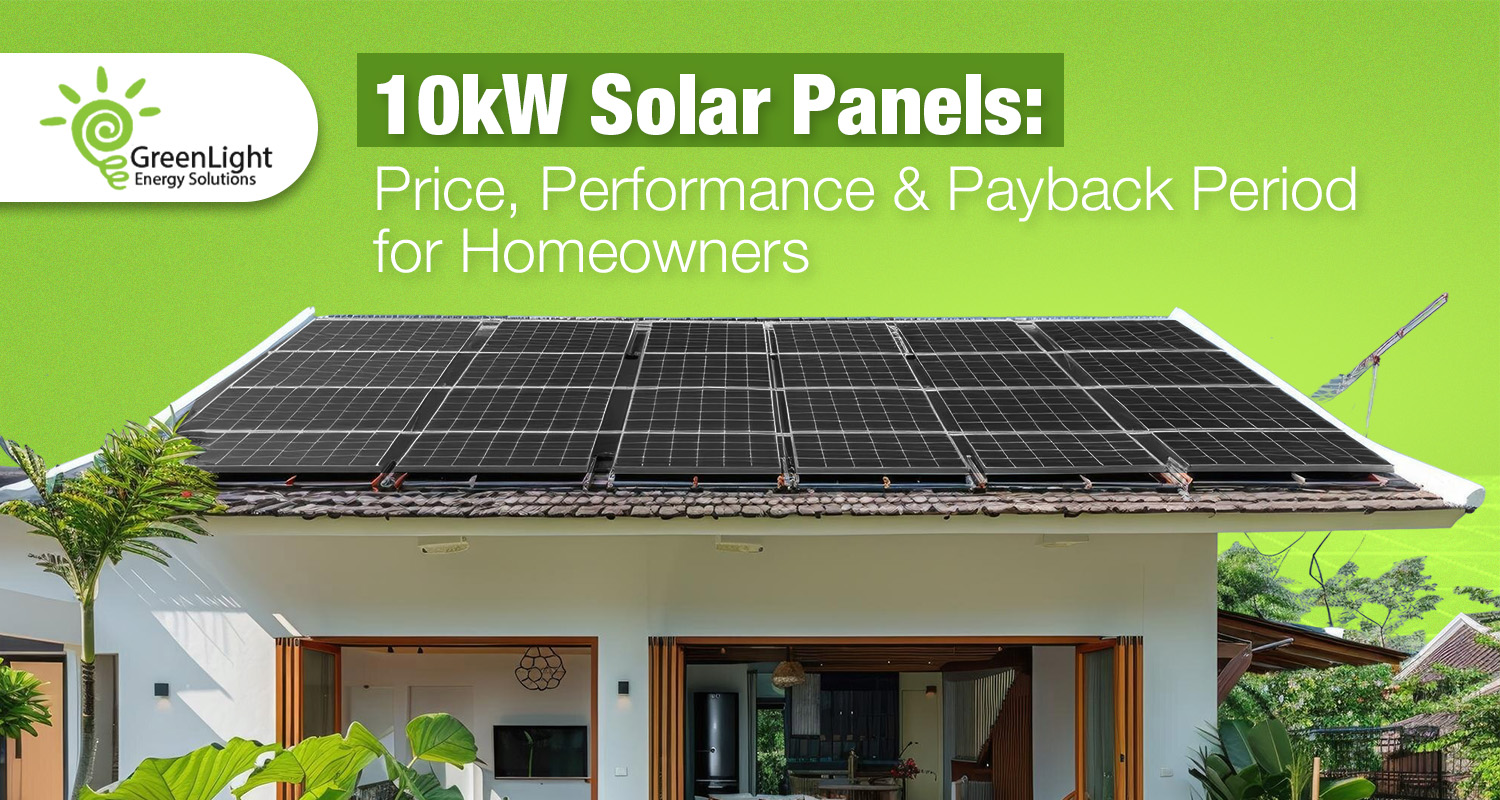
A 10kW solar panel system is a residential or small-commercial photovoltaic installation rated to generate 10 kilowatts of direct current electricity under standard test conditions, typically consisting of 25 to 35 individual panels designed to offset high household energy consumption and power electric vehicles or heat pumps.
Introduction to 10kW Photovoltaic Systems
The transition toward renewable energy has established residential and small commercial solar installations as a cornerstone of modern property management. Among various sizing options, the 10-kilowatt (10kW) photovoltaic (PV) system occupies a prominent position in the market. It bridges the gap between modest suburban setups and heavy commercial arrays. Understanding what a 10kW solar panel system is, how it functions, and what physical and technical characteristics define it is essential for homeowners, property managers, and investors evaluating clean energy solutions.
A system of this scale is engineered to meet the substantial energy demands of larger households, multi-story residences, properties equipped with electric vehicle (EV) charging stations, or homes relying on heat pumps for heating and cooling. To fully grasp the utility of a 10kW system, one must examine its core definition, mechanical layout, electrical output, physical footprint, inverter compatibility, energy storage integration, and economic considerations.
Defining a 10kW Solar System
At its core, a 10kW solar panel system refers to a collection of photovoltaic modules with a combined peak generation capacity of 10,000 watts (or 10 kilowatts) under Standard Test Conditions (STC). STC specifies a solar irradiance of 1,000 watts per meter squared, a solar spectrum of AM 1.5, and a cell temperature of 25 degrees Celsius (77 degrees Fahrenheit).
It is vital to distinguish between nameplate capacity (the 10kW rating) and actual energy generation. While the system is rated for a 10kW output at peak laboratory conditions, the actual electricity generated—measured in kilowatt-hours (kWh)—varies based on geographic location, seasonal weather patterns, roof orientation, tilt angle, and shading. On average, a 10kW system produces between 30 and 45 kWh of electricity per day, equating to roughly 9,000 to 14,000 kWh annually, depending heavily on regional solar insolation levels.
Component Breakdown and Physical Characteristics
A 10kW solar system is not a single giant panel, but an array comprising multiple individual solar modules working in tandem. The physical and structural traits of this array dictate installation requirements and roof compatibility.
Panel Count and Wattage Variations
The number of panels required to reach the 10kW threshold depends entirely on the wattage rating of the individual modules selected:
- 300-Watt Panels: Requires approximately 34 to 35 panels.
- 350-Watt Panels: Requires approximately 29 panels.
- 400-Watt Panels: Requires approximately 25 panels.
- 450-Watt High-Efficiency Panels: Requires approximately 22 to 23 panels.
Roof Space Requirements
Because modern residential panels typically range from 17 to 22 square feet per module, a 10kW system demands a substantial amount of unshaded roof space. On average, property owners need between 500 and 700 square feet of continuous, unobstructed roof area. Factors such as chimneys, vent pipes, skylights, and suboptimal roof angles can reduce the usable surface area, necessitating higher-efficiency panels to fit the 10kW capacity within a constrained footprint.
Weight and Structural Load
Solar panels and their accompanying racking systems add dead load to a roof structure. A standard 10kW array weighs between 2.3 and 3.5 pounds per square foot, totaling roughly 2,300 to 3,500 pounds for the entire system. Professional structural assessments are standard practice prior to installation to ensure the roof rafters and decking can support this added weight, especially in regions prone to heavy snow accumulation or high wind speeds.
| Panel Wattage | Approximate Panel Count | Estimated Roof Area Needed | Total System Weight Range |
|---|---|---|---|
| 300W | 34 - 35 panels | 650 - 750 sq. ft. | 2,800 - 3,500 lbs |
| 350W | 29 panels | 550 - 650 sq. ft. | 2,500 - 3,200 lbs |
| 400W | 25 panels | 500 - 580 sq. ft. | 2,300 - 3,000 lbs |
| 450W | 22 - 23 panels | 450 - 520 sq. ft. | 2,100 - 2,800 lbs |
Electrical Characteristics and Inverter Configurations
The direct current (DC) electricity generated by the solar panels must be converted into alternating current (AC) electricity for household use and grid synchronization. The choice of inverter architecture shapes the electrical characteristics of a 10kW system.
String Inverters with Optimizers
A traditional setup utilizes a single central string inverter (or dual string inverters) that handles the combined DC output of the entire array or distinct strings of panels. Power optimizers are frequently installed at the module level to condition the DC power before it reaches the inverter, mitigating performance losses caused by partial shading or debris on a single panel.
Microinverters
Alternatively, a 10kW system can be deployed using microinverters, where every individual panel features its own microinverter. This converts DC to AC at the roof level. Microinverters maximize energy harvest by ensuring that the shading or degradation of one panel does not impact the output of neighboring panels, providing granular performance monitoring through web-based user portals.
Grid-Tie, Off-Grid, and Hybrid Topologies
- Grid-Tie Systems: The most common configuration, where the 10kW system connects directly to the local utility grid. Excess energy is exported via net metering programs, while the grid supplies power during low-production hours.
- Off-Grid Systems: Completely independent of the utility grid, requiring a robust 10kW array coupled with extensive battery storage banks and backup generators to ensure uninterrupted power during prolonged sunless periods.
- Hybrid Systems: Combines grid connectivity with a chemical battery storage system (such as lithium-ion units), allowing homeowners to store excess daytime generation for nighttime consumption or emergency backup during grid outages.
Suitability, Energy Consumption, and Target Audience
A 10kW solar installation is rarely suited for small apartments or low-energy households. Its design targets specific consumption profiles and property types.
High Energy Consumers
Properties consuming between 800 and 1,200 kWh of electricity per month are ideal candidates for a 10kW system. This includes large single-family homes, multi-generational households, or properties featuring energy-intensive amenities such as large heated swimming pools, central air conditioning running continuously in warm climates, or workshops with heavy machinery.
Electrified Transportation and Heating
The proliferation of electric vehicles (EVs) and heat pump HVAC systems has driven demand for 10kW arrays. Charging an EV daily can add 300 to 500 kWh of monthly demand, while heat pumps significantly increase electricity usage during winter months. A 10kW system provides the generation headroom necessary to absorb these loads without inflating utility bills.
Economic Considerations and Financial Metrics
Evaluating a 10kW solar system involves analyzing upfront capital expenditures, ongoing operational maintenance, and long-term financial returns.
Upfront Costs and Incentives
The gross cost of a 10kW solar array varies by region, labor rates, equipment tiers, and local permitting fees. Financial incentives, such as the federal residential clean energy tax credit in the United States, significantly reduce the net capital expenditure. Additional state-level rebates, solar renewable energy certificates (SRECs), and performance-based incentives further influence the payback period.
Return on Investment (ROI) and Payback Period
The financial return of a 10kW system is determined by local utility electricity rates and net metering policies. Properties located in regions with high electricity tariffs experience shorter payback periods, often ranging from 6 to 9 years. Because most high-quality solar panels carry linear performance warranties of 25 years guaranteeing at least 80% to 85% original output at year 25, the system provides decades of reduced or eliminated electricity costs following the initial payback phase.
Operational Limitations and Maintenance Requirements
While photovoltaic systems are renowned for their passive operation and durability, a 10kW system has distinct operational boundaries that owners must navigate.
Environmental Factors and Shading
Even minor obstructions from growing trees, neighboring structures, or accumulated dust, pollen, and snow can disrupt power generation. Because a 10kW system spans a large physical area, partial shading on a single string can disproportionately reduce system output unless microinverters or optimizers are utilized.
Maintenance Protocols
Solar panels require minimal intervention, but routine maintenance safeguards performance. Periodic inspections of the racking hardware, inverter error logs, and electrical wiring ensure safety and efficiency. In arid or dusty environments, professional washing or seasonal rainfall is necessary to prevent soil accumulation from blocking sunlight absorption.
Frequently Asked Questions
How many solar panels are in a 10kW system?
A 10kW system typically consists of 22 to 35 panels, depending on the power rating of the individual modules. Modern high-efficiency panels rated at 400 to 450 watts require around 22 to 25 panels, whereas older or lower-wattage modules around 300 watts require up to 35 panels.
How much electricity does a 10kW solar system produce daily?
On average, a 10kW system generates between 30 and 45 kWh of electricity per day. Actual daily production fluctuates based on geographic location, seasonal daylight hours, tilt angle, ambient temperature, and weather conditions.
Can a 10kW solar system power an entire house?
Yes, a 10kW system is designed to fully power an average-sized to large single-family home that consumes up to 1,200 kWh monthly. It also provides sufficient excess generation to support heavy loads like electric vehicle chargers or heat pumps.
What size roof is required for 10kW solar panels?
A 10kW array typically requires between 500 and 700 square feet of unshaded, structurally sound roof space. The exact footprint depends on the physical dimensions and efficiency ratings of the specific panels chosen.
Do 10kW solar panels work during a power outage?
Standard grid-tied 10kW solar systems automatically shut down during a grid outage for utility worker safety. To maintain power during an outage, the system must be paired with a hybrid inverter and a battery storage bank or an islanding-capable transfer switch.
Conclusion and Next Actions
A 10kW solar panel system represents a robust, high-capacity renewable energy solution capable of offsetting substantial household electricity consumption, supporting electric vehicle adoption, and mitigating rising utility costs. Property owners evaluating this system size should prioritize securing professional site assessments, verifying structural roof integrity, analyzing historical utility bills, and reviewing local net metering policies. Engaging certified solar contractors ensures proper equipment selection, safe electrical integration, and compliance with local building and interconnection codes.