For the tax year, the minimum payment threshold for issuing a Form 1099-NEC (Nonemployee Compensation) is $600. If you pay an independent contractor, freelancer, or unincorporated vendor at least $600 in nonemployee compensation during the calendar year, you are generally required by the Internal Revenue Service (IRS) to report those payments on Form 1099-NEC.
Navigating independent contractor reporting rules requires precision, especially as tax regulations evolve and enforcement mechanisms tighten. Businesses, sole proprietors, single-member LLCs, and partnerships must understand not only the baseline dollar threshold but also the finer nuances of who qualifies, what types of payments trigger reporting obligations, and how compliance interacts with state-level rules. Failing to meet these obligations can result in stiff penalties from tax authorities, making it critical to establish robust internal accounting procedures well before filing deadlines arrive.
Core Definition and Purpose of Form 1099-NEC
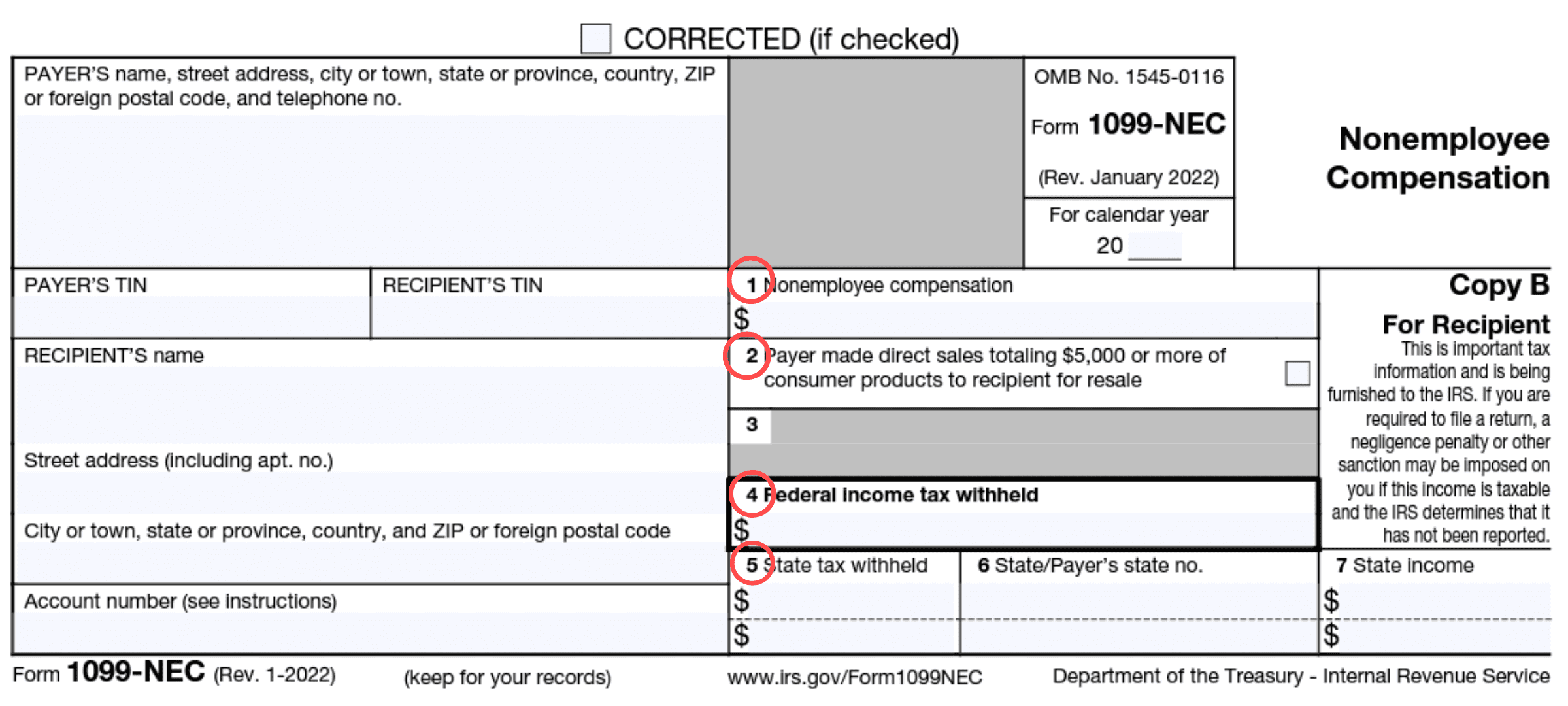
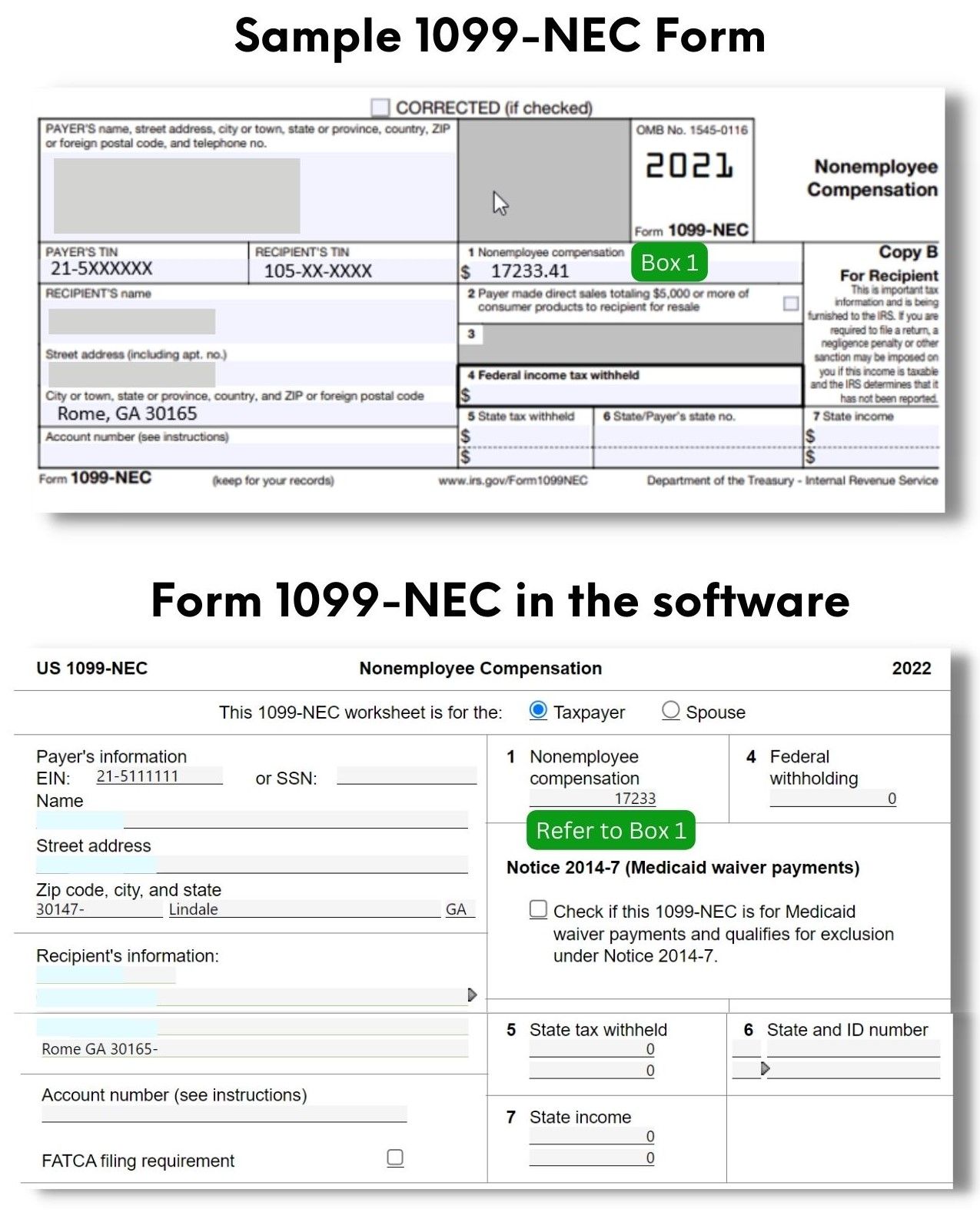
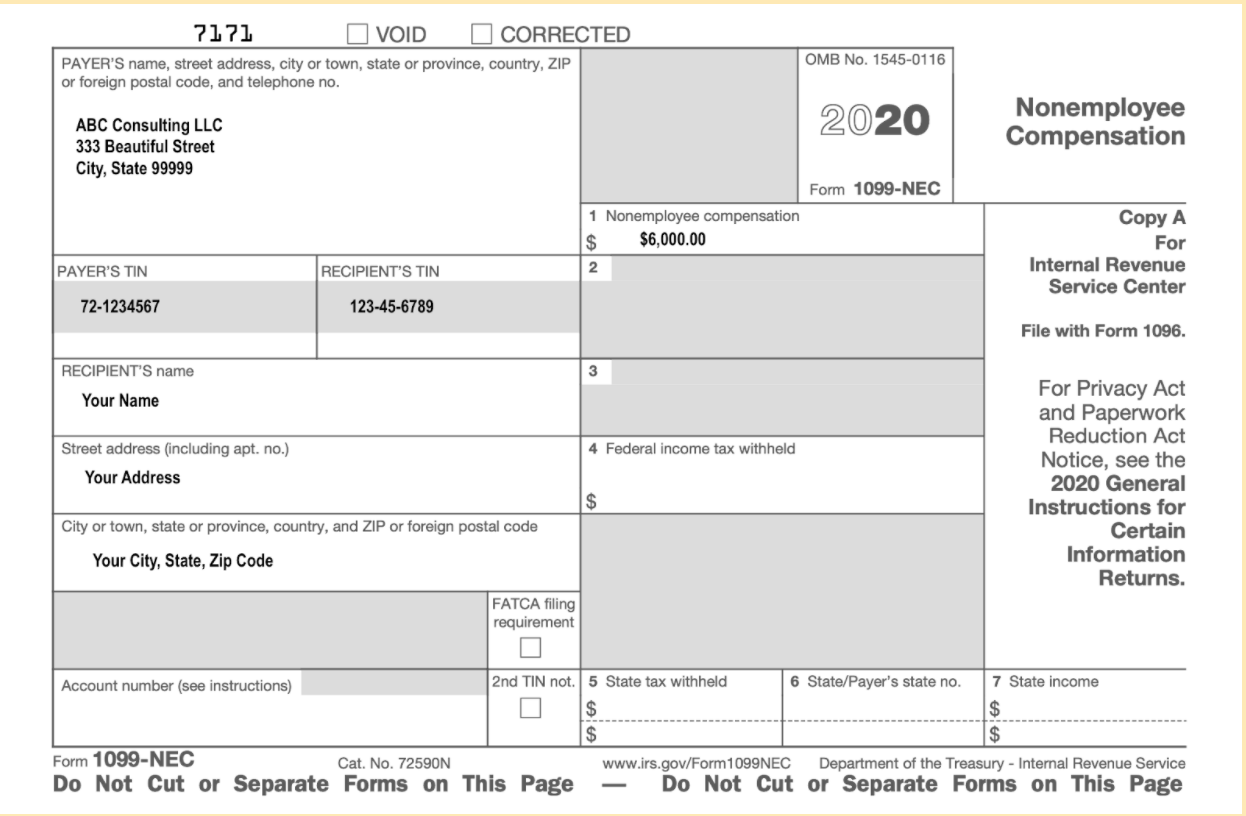
Form 1099-NEC is the primary information return used by businesses to report payments made to nonemployees for services rendered. Before tax year 2020, nonemployee compensation was historically reported in Box 7 of Form 1099-MISC. However, the Protecting Americans from Tax Hikes (PATH) Act of 2015 mandated a structural separation, and the IRS permanently reinstated the 1099-NEC to streamline reporting for independent contractor income and combat tax fraud.
The "NEC" stands for Nonemployee Compensation. This document acts as an informational return rather than a tax bill. It provides both the IRS and the recipient with a clear record of income earned outside of a traditional employer-employee relationship. Because independent contractors do not have federal income tax or FICA taxes withheld at the source by their clients, the Form 1099-NEC ensures that the government has a reliable paper trail to verify self-employment earnings reported on Schedule C (Profit or Loss From Business).
Understanding the scope of this form protects businesses from compliance drift. It applies primarily to trade or business operations. Personal payments—such as hiring a neighborhood teenager to mow your lawn or paying an individual for domestic help at your primary residence—do not trigger 1099-NEC reporting requirements because those activities do not constitute a trade or business.
The $600 Rule: Breaking Down the Minimum Threshold
The baseline rule governing the Form 1099-NEC minimum amount is straightforward: if cumulative payments to a single nonemployee reach or exceed $600 within the calendar year, reporting is mandatory. This figure is absolute under federal guidelines and has remained a fixture of tax reporting for decades.
Several operational principles govern how this $600 threshold is calculated and applied:
- Cumulative Tracking: The threshold is not per invoice; it is cumulative per calendar year. If you pay a freelance graphic designer $100 across six separate monthly projects, the total is $600, triggering the requirement.
- Calendar Year Basis: Reporting is strictly tied to the calendar year (January 1 through December 31). The date the service was performed matters less than the date the payment was actually disbursed or cleared.
- Per-Payee Calculation: The threshold applies independently to each payee. You do not aggregate payments across different contractors to reach $600; each individual or entity must cross the threshold on their own merits.
To ensure compliance, businesses must track payments continuously throughout the year rather than attempting a hurried reconciliation during tax season. Implementing a reliable accounting system or utilizing dedicated vendor management software helps flag contractors approaching the $600 mark.
Who Receives a 1099-NEC? (Eligibility and Classifications)
Determining who should receive a Form 1099-NEC depends heavily on the legal structure of the service provider and the nature of the payments. The form is specifically intended for individuals and entities providing services to your business who are classified as independent contractors, consultants, freelancers, or self-employed individuals.
Qualifying Entities
You must generally issue a 1099-NEC to:
- Sole proprietors operating under their own name or a DBA (Doing Business As).
- Single-member Limited Liability Companies (LLCs) treated as disregarded entities for tax purposes.
- Partnerships and limited partnerships.
- Certain attorneys and law firms, regardless of whether they are incorporated (payments to legal service providers are a notable exception to the general corporate exemption).
Exempt Entities
In most cases, you are not required to issue a 1099-NEC to:
- Corporations (both C-corporations and S-corporations), with the exception of certain legal and medical service corporations.
- Tax-exempt organizations and government entities.
- Vendors selling physical goods or merchandise rather than services (these fall under general trade rules and often utilize Form 1099-MISC or are exempt entirely).
- Employees who receive wages reported on Form W-2.
Proper worker classification remains a cornerstone of compliance. Misclassifying an employee as an independent contractor to avoid issuing a W-2 or paying payroll taxes can lead to severe IRS audits, back taxes, and penalties. The Form 1099-NEC should only be used for genuinely independent entities operating with operational autonomy.
What Payments Count Toward the Minimum Amount?
Not every disbursement made to a vendor or contractor counts toward the 1099-NEC threshold. Understanding what constitutes reportable nonemployee compensation prevents unnecessary administrative burdens and ensures accurate reporting.
Qualifying payments include:
- Fees for Services: Professional fees paid to accountants, consultants, designers, writers, and IT specialists.
- Commissions: Payments made to nonemployee salespersons who are not covered by W-2 wage reporting.
- Fees Paid to Subcontractors: Payments made by a general contractor to a specialized tradesperson (such as an electrician or plumber) who operates as an independent business.
- Prizes and Awards: Fees or financial awards given to nonemployees for participating in promotional events or contests connected to your trade or business.
- Director's Fees: Compensation paid to members of a board of directors who are not direct employees of the corporation.
Non-Reportable Payments
Certain financial transactions must be excluded from Form 1099-NEC calculations:
- Payments for Goods: Purchases of inventory, equipment, raw materials, or physical merchandise.
- Freight and Shipping Charges: Direct payments to freight companies or postal carriers for delivery services.
- Personal Expenses: Any payments made outside the scope of a trade or business.
- Payments Made via Credit Card or Third-Party Networks: If you pay an independent contractor using a credit card, debit card, or a third-party payment processor (such as PayPal, Stripe, or Venmo), those transactions are typically reported by the payment processor on Form 1099-K, not by your business on Form 1099-NEC. This prevents double-reporting of the same income stream.
Comparison of 1099 Thresholds and Forms
To place the 1099-NEC into proper perspective, it helps to examine how it compares to other common information returns issued by businesses.
| Form Type | Primary Purpose | Minimum Threshold | Common Recipients |
|---|---|---|---|
| Form 1099-NEC | Nonemployee compensation for services | $600 | Independent contractors, freelancers, sole proprietors |
| Form 1099-MISC | Miscellaneous income (rent, royalties, prizes) | $600 (varies by type) | Landlords, royalty recipients, legal settlement entities |
| Form 1099-K | Payment card and third-party network transactions | Varies by platform/state | E-commerce sellers, high-volume gig workers |
| Form W-2 | Employee wage and tax statement | $0 (all wages) | Standard company employees |
Reviewing this breakdown highlights why maintaining clear financial boundaries between service providers, merchandise vendors, and platform-processed payments is vital for accurate tax preparation.
Essential Prerequisites: Form W-9 Collection
You cannot accurately file a Form 1099-NEC without first collecting accurate taxpayer information from your contractors. This is where Form W-9 (Request for Taxpayer Identification Number and Certification) becomes essential.
Best practices for managing Form W-9 include:
- Upfront Collection: Require every new independent contractor to complete and sign a Form W-9 before you issue their first payment. Never wait until January to chase down tax IDs.
- Verify Information: Ensure the legal name matches the Taxpayer Identification Number (TIN)—either a Social Security Number (SSN) for sole proprietors or an Employer Identification Number (EIN) for LLCs and partnerships.
- Use IRS Matching Services: Utilize the IRS TIN Matching Program to verify that the name and TIN provided by the contractor match government records before filing your information returns.
Failing to collect a W-9 does not exempt you from filing a 1099-NEC. In fact, if you fail to withhold backup taxes when a W-9 is missing or incorrect, your business may become personally liable for those unwithheld taxes.
Filing Deadlines, Submission Methods, and Penalties
Adhering to strict timelines is non-negotiable when dealing with federal tax information returns. The filing deadline for Form 1099-NEC is January 31 following the close of the tax year.
Key Deadlines
- To Contractors: You must furnish Copy B of Form 1099-NEC to the independent contractor no later than January 31.
- To the IRS: You must file Copy A of Form 1099-NEC with the IRS no later than January 31. Unlike previous years where electronic filing extensions pushed out deadlines for other 1099 variants, the January 31 deadline applies firmly to both paper and electronic submissions of the 1099-NEC.
Submission Methods
- Electronic Filing (IRIS or FIRE): The IRS provides the Information Returns Intake System (IRIS) and the Filing Information Returns Electronically (FIRE) systems. Note that electronic filing thresholds have tightened significantly; businesses filing 10 or more information returns (aggregating all 1099 types) are generally required to file electronically.
- Paper Filing: Businesses filing fewer than 10 total returns may still submit via paper using official red-ink Copy A forms purchased or printed directly from the IRS (printed downloadable PDFs from the internet are generally rejected by IRS scanning equipment).
Late Filing Penalties
The IRS imposes tiered penalties for failing to file correct information returns on time, with penalty amounts escalating based on how late the filing is corrected. Willful disregard of reporting requirements results in substantially higher fines per form.
State-Level Reporting and the Combined Federal/State Filing Program
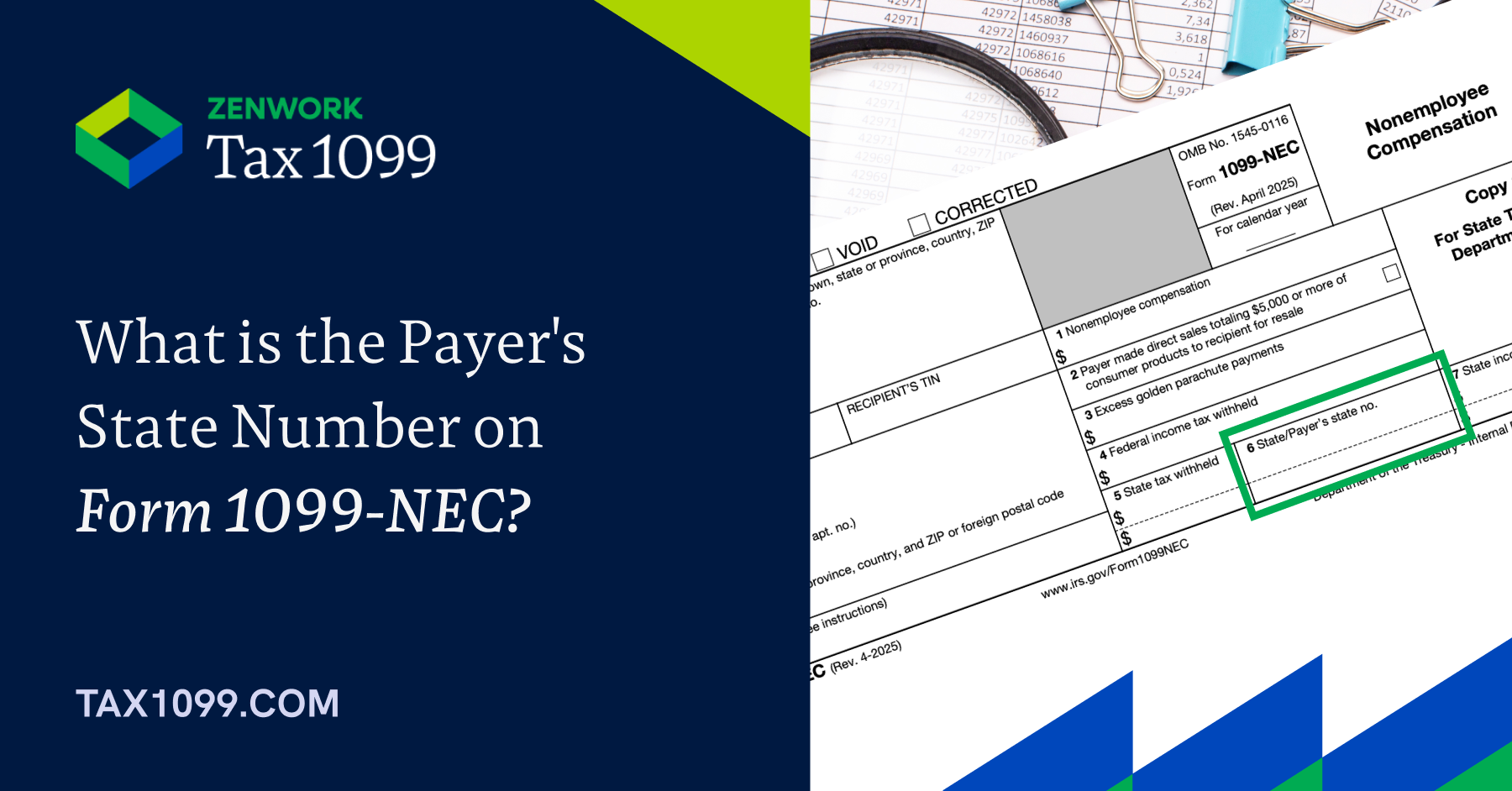
Federal compliance is only part of the equation. Many U.S. states have independent reporting requirements and tax agencies that require copies of Form 1099-NEC, especially if state income tax was withheld or if the state participates in coordination programs.
- Combined Federal/State Filing Program (CFSFP): This program allows the IRS to forward data from participating information returns directly to participating state tax agencies. However, not all states participate, and some states require direct, independent electronic submission.
- State-Specific Thresholds: While most states mirror the federal $600 minimum, business owners must verify state-level instructions to ensure local tax compliance and avoid state-level penalties.
Common Mistakes and Troubleshooting
Navigating 1099-NEC compliance frequently trips up business owners. Recognizing common pitfalls helps prevent costly errors:
- Relying on Incomplete Address and ID Data: Submitting a return with an incorrect TIN or outdated address guarantees an IRS penalty notice (Notice CP2100). Always cross-reference your accounting software data against the contractor's submitted W-9.
- Confusing W-2 and 1099 Workers: Incorrectly classifying workers to save on payroll taxes exposes a business to Department of Labor and IRS audits. When in doubt, consult the common-law rules governing behavioral control, financial control, and the type of relationship between the parties.
- Ignoring Threshold Aggregation: Forgetting to sum multiple payments made to the same contractor across different projects throughout the year results in under-reporting.
Frequently Asked Questions
What should I do if a contractor refuses to provide a W-9?
If a contractor refuses to provide a W-9, you are legally required to institute backup withholding at a flat federal rate (currently 24%) on all future payments made to that individual. You must then remit those withheld taxes to the IRS using Form 945. Furthermore, you should still file a 1099-NEC showing the total compensation paid and indicating that the TIN is missing or incomplete.
Do I need to issue a 1099-NEC if I paid a contractor less than $600?
No. If your total cumulative payments to an independent contractor do not reach the $600 threshold within the calendar year, you are not legally required to issue a Form 1099-NEC, though you may still deduct the business expense on your tax return.
Are payments made via PayPal or credit card subject to 1099-NEC?
No. Payments made through third-party settlement organizations (like PayPal, Stripe, or Venmo) or via credit and debit cards are reported on Form 1099-K by the payment processor. Issuing a 1099-NEC for these same transactions would result in double-reporting to the IRS.
Can I file Form 1099-NEC after the January 31 deadline?
You can file late, but doing so will trigger statutory IRS penalties that increase the longer you wait. If you anticipate missing the deadline, you can request a single 30-day extension by filing Form 8809, though extensions are not automatically granted for information returns.
Do foreign independent contractors living and working abroad require a 1099-NEC?
Generally, no. Payments made to non-U.S. resident aliens for services performed entirely outside the United States are exempt from 1099-NEC reporting. However, you may need the contractor to complete Form W-8BEN to document their foreign status and protect your business from withholding obligations.
Conclusion and Next Actions
Mastering the 1099-NEC minimum amount rules safeguards your business from unexpected tax penalties and ensures seamless financial operations. To maintain compliance moving forward, audit your current vendor list, verify that every active independent contractor has a signed Form-W9 on file, and implement automated tracking in your accounting software to monitor the $600 cumulative threshold throughout the year. Consulting a certified public accountant (CPA) or qualified tax professional ensures that your filing procedures remain aligned with current federal and state mandates.