Criminal damage to property in the first degree represents one of the most severe property-related offenses in criminal law, typically classified as a high-level felony due to the substantial financial loss, public disruption, or risk to human life involved. When an individual intentionally and unlawfully damages, defaces, destroys, or tampers with property belonging to another, the severity of the charge escalates rapidly based on factors such as the dollar value of the damage, the specific type of property targeted, and whether human life or public safety was endangered. Navigating the legal landscape of this offense requires an understanding of statutory definitions, grading criteria, potential penalties, defense strategies, and the profound legal distinctions that separate first-degree offenses from lower-tier property crimes.
Defining Criminal Damage to Property in the First Degree
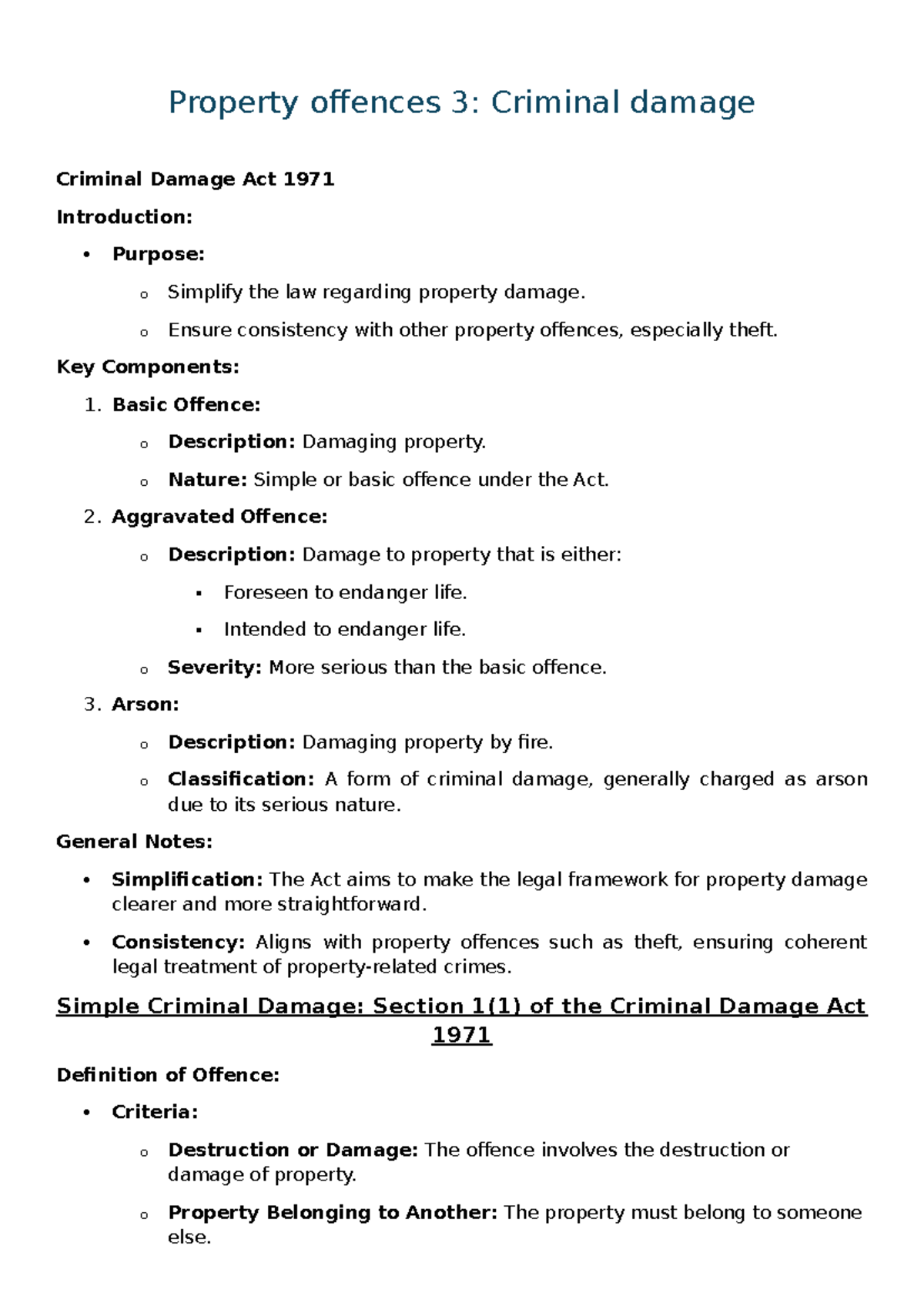
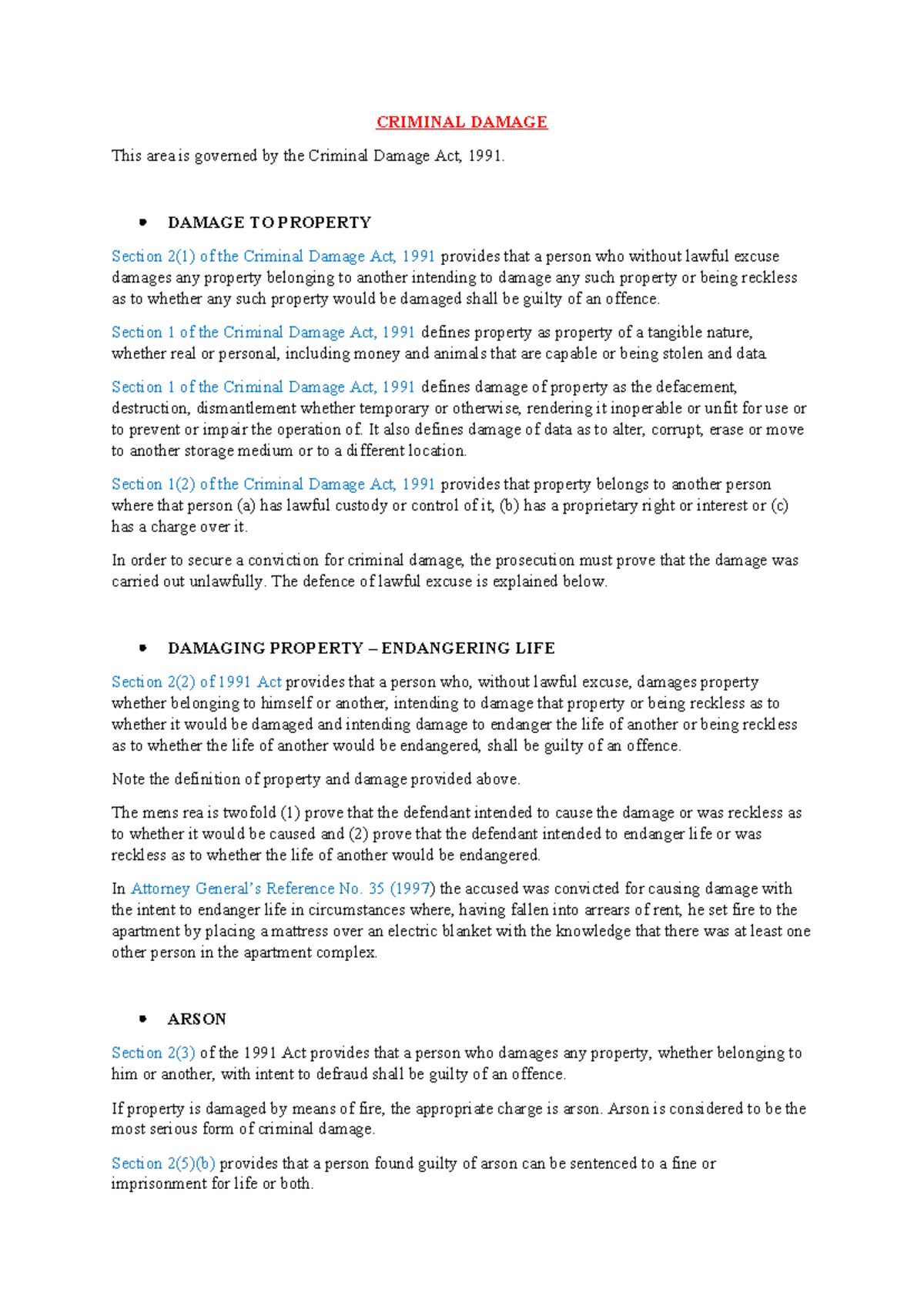
At its core, criminal damage to property occurs when a person knowingly damages another person's property without their explicit consent. To elevate this offense to the first degree, prosecutors must prove specific statutory aggravating factors that distinguish the act from simple vandalism or lower-degree property destruction. While statutory definitions vary by jurisdiction—such as Georgia, Illinois, or Minnesota—they share common structural pillars focused on the scale of harm, the utilization of hazardous materials, or the disruption of critical societal infrastructure.
The offense generally splits into two primary avenues of first-degree liability:
- Substantial Economic Loss or Property Value: Causing damage that exceeds a high statutory monetary threshold (often thousands of dollars) or causing interruption to public utility services.
- Endangerment of Human Life or Critical Infrastructure: Damaging property in a manner that creates a foreseeable risk of bodily harm, or targeting vital public assets such as communication systems, transportation networks, government buildings, or educational institutions.
Unlike simple criminal mischief or misdemeanor vandalism, which typically involve minor defacement or low-cost repair bills, first-degree criminal damage is almost universally classified as a felony. This classification reflects the legislative intent to severely punish actions that not only destroy physical assets but also threaten community stability, economic security, and public safety.
Statutory Elements and Proving the Offense
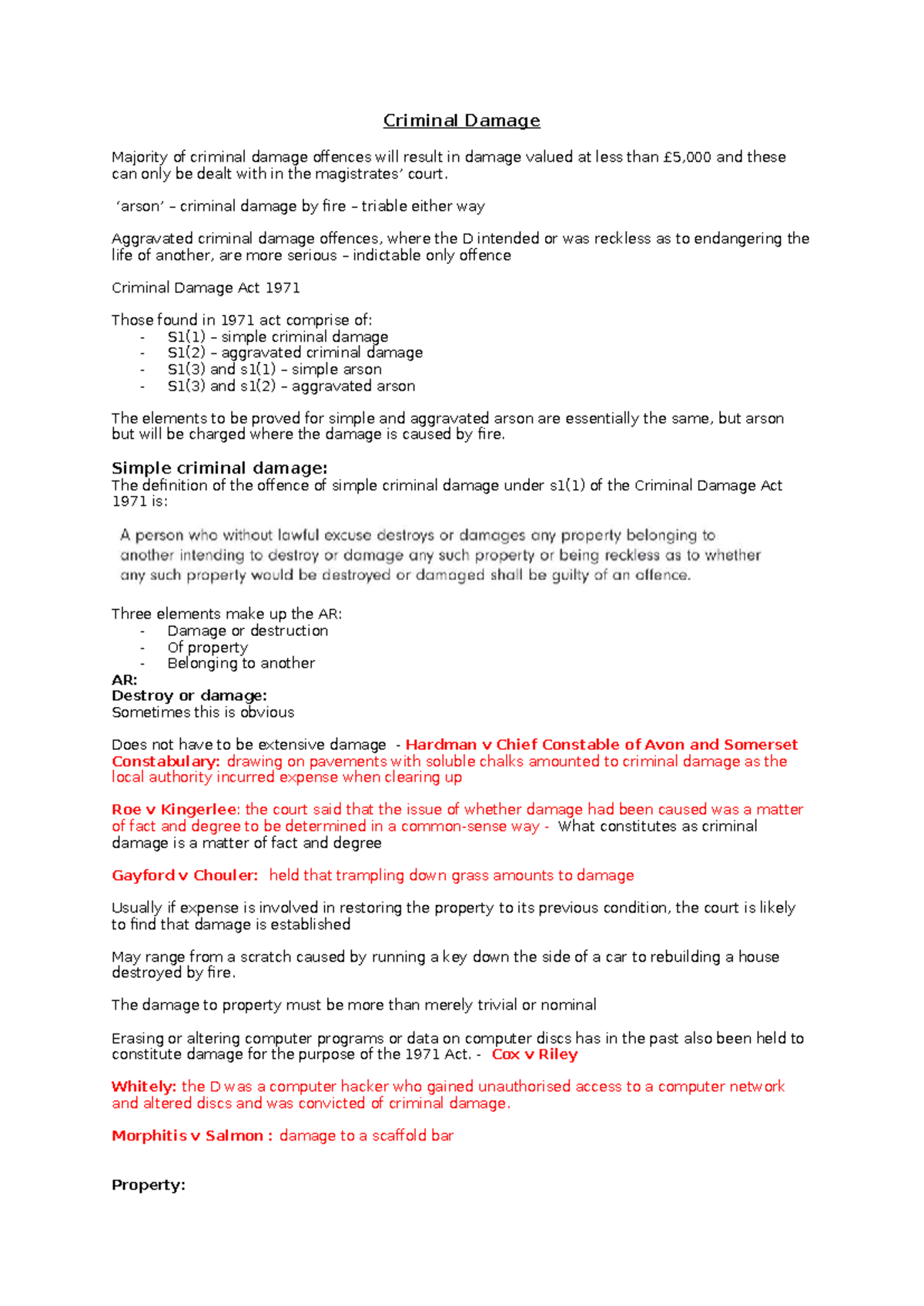
To secure a conviction for criminal damage to property in the first degree, the prosecution must establish every element of the crime beyond a reasonable doubt. Failing to prove even a single element can result in an acquittal or a reduction of charges to a lesser-included offense, such as criminal mischief or second-degree property damage.
The legal burden rests on demonstrating specific mental states and physical acts:
- Intent (Mens Rea): The defendant must have acted knowingly or intentionally. Accidental damage, negligence, or reckless behavior—while potentially civilly liable or punishable under lesser statutes—does not typically satisfy the strict intent requirement for first-degree felony charges, unless recklessness with hazardous elements (such as explosives or fire) is explicitly written into the statute.
- Property Ownership: The property must belong wholly or partially to another person, business, or governmental entity. An individual generally cannot be convicted of criminal damage for destroying their own property, unless fraudulent intent involving insurance payouts is present (which triggers separate arson or insurance fraud charges).
- Lack of Consent: The property owner must not have given permission for the defendant to alter, deface, or destroy the property.
- Aggravating Factor: The presence of the specific statutory aggravator that elevates the crime to the first degree, such as reaching the high-dollar financial threshold or interfering with a designated critical infrastructure sector.
Grading, Penalties, and Sentencing Factors
Because criminal damage to property in the first degree is a felony offense, the associated penalties are severe and can permanently alter an individual's personal and professional life. Sentencing guidelines and statutory maximums depend heavily on the jurisdiction where the offense occurred, the defendant's prior criminal history, and the specific circumstances surrounding the property destruction.
| Sentencing Component | Typical Felony Consequences | Potential Long-Term Impacts |
|---|---|---|
| Incarceration | Ranging from 1 to 15+ years in state prison, depending on statutory limits and aggravating factors. | Disruption of employment, family separation, and exposure to institutional environments. |
| Financial Restitution | Mandatory court-ordered payment covering the full cost of repair, replacement, or lost revenue. | Long-term civil judgments, wage garnishment, and persistent debt obligations. |
| Probation / Parole | Supervised release periods ranging from 2 to 10 years following prison terms or in lieu of incarceration. | Mandatory check-ins, travel restrictions, drug testing, and swift revocation risks. |
| Criminal Record | Permanent felony conviction visible on background checks. | Loss of employment opportunities, housing denials, and disenfranchisement. |
Judges look closely at aggravating and mitigating factors during sentencing. Aggravating circumstances that can push a sentence toward the maximum include targeting schools, places of worship, or emergency services, as well as utilizing hate-crime motivations. Conversely, mitigating factors such as lack of prior criminal history, voluntary restitution efforts, or documented mental health struggles can sometimes lead to reduced sentences, alternative diversion programs, or probation-heavy outcomes.
Common Scenarios Involving First-Degree Property Damage
Understanding how these laws apply in real-world contexts helps clarify the threshold between misdemeanor property damage and first-degree felony charges. Prosecutors frequently file first-degree charges in complex commercial disputes, public protests that turn destructive, domestic disputes involving high-value assets, and targeted attacks on public utilities.
Commercial and Industrial Vandalism
When an individual breaks into a commercial facility, industrial plant, or construction site and causes extensive damage to heavy machinery, computer servers, or structural elements, the repair costs quickly exceed statutory thresholds. Furthermore, if that damage halts manufacturing operations or compromises business continuity, the economic impact satisfies the primary statutory trigger for first-degree classification.
Attacks on Critical Infrastructure
Targeting public infrastructure represents one of the most aggressively prosecuted forms of property damage. This includes intentionally damaging electrical power grids, water treatment facilities, telecommunication towers, public transit systems, or government-owned vehicles and structures. Because these actions threaten public health, safety, and national security, legislatures have enacted stringent laws that bypass standard monetary thresholds, making any intentional disruption of these systems an automatic first-degree felony.
Domestic and Retaliatory Property Destruction
In some cases, severe domestic disputes escalate into major property destruction. If an individual intentionally bulldozes, sets fire to, or structurally compromises a residential home or a fleet of high-value vehicles belonging to a former partner or family member, the combined replacement value and the inherent danger of fire or structural collapse routinely elevate the charges to the first degree.
Potential Legal Defenses
Facing a felony charge of criminal damage to property in the first degree demands a robust, legally sound defense strategy. Defense attorneys evaluate the specific facts of the case to identify weaknesses in the prosecution's narrative, constitutional violations during the investigation, or factual inaccuracies regarding property value and intent.
- Lack of Specific Intent: Demonstrating that the damage was accidental, reckless rather than intentional, or the result of a misunderstanding can effectively negate the mens rea requirement for felony-level charges.
- Mistaken Identity or Alibi: In many property damage cases—particularly those occurring at night or in unsecured public spaces—eyewitness testimony or video surveillance may be grainy, ambiguous, or misattributed. Establishing an alibi or demonstrating that the defendant was not present at the scene is a fundamental defense.
- Ownership or Authorized Consent: If the defendant can prove they held a legitimate ownership interest in the property or reasonably believed they had the owner's consent to alter or modify the property, the core element of the crime fails.
- Challenging Property Valuation: Because many statutes rely on specific monetary thresholds to define first-degree damage, defense experts often scrutinize the prosecution's valuation methods. If the defense can prove the actual repair or replacement cost falls below the statutory felony line, the charge must be reduced.
- Constitutional Violations: Suppressing illegally obtained evidence, coerced confessions, or statements gathered without proper Miranda warnings can cripple the state's case and lead to dismissed charges.
Frequently Asked Questions
What distinguishes criminal damage in the first degree from lower degrees?
First-degree property damage typically involves either a significantly higher financial loss threshold or the endangerment of human life and critical public infrastructure. Lower degrees (such as second, third, or fourth degree) generally cover lower-cost property destruction without the presence of aggravating factors like utility disruption or risk of bodily harm.
Can criminal damage to property be charged as a federal crime?
Yes. If the damaged property belongs to the federal government, crosses state lines, or impacts interstate commerce, federal agencies such as the FBI or the Department of Homeland Security may investigate, leading to federal prosecution under specific federal destruction-of-property statutes.
Is restitution mandatory upon a conviction?
In the vast majority of jurisdictions, courts are statutorily required to order financial restitution as part of a sentence for criminal damage to property. This requires the defendant to pay the victim or their insurance company for the full cost of repairs or asset replacement, in addition to any criminal fines or prison time.
What role does insurance play in criminal damage cases?
While property insurance often covers the initial cost of repairs for the victim, insurance companies routinely pursue subrogation claims against the convicted defendant to recover payouts. Furthermore, insurance fraud involving intentional property destruction introduces entirely separate, severe criminal liabilities.
Can a first-degree property damage charge be reduced through a plea bargain?
Yes. Defense attorneys frequently negotiate with prosecutors to reduce first-degree felony charges to lesser felonies or misdemeanors, such as criminal mischief, vandalism, or trespass, particularly if the defendant has no prior criminal record, agrees to pay upfront restitution, or completes community service.
Next Steps and Professional Legal Guidance
Facing accusations or formal charges of criminal damage to property in the first degree requires immediate, calculated action. Because this offense carries severe felony penalties, long-term imprisonment, and permanent criminal records, attempting to navigate the criminal justice system without qualified counsel is exceptionally risky. Individuals under investigation or facing indictment should immediately secure the services of an experienced criminal defense attorney specializing in property crimes. Counsel can review police reports, challenge property valuations, protect constitutional rights, and negotiate effectively with prosecutors to mitigate potential legal exposure.