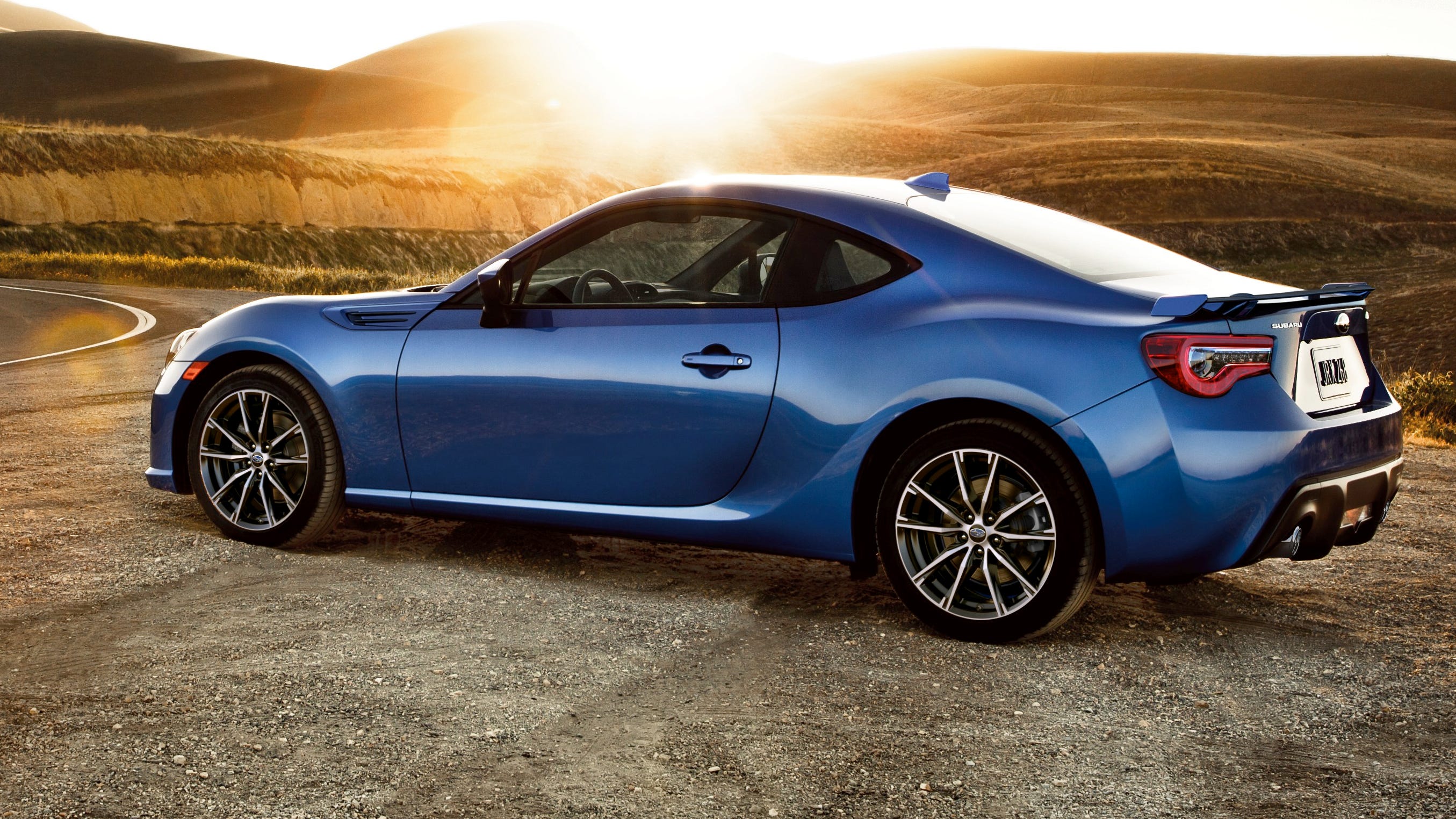
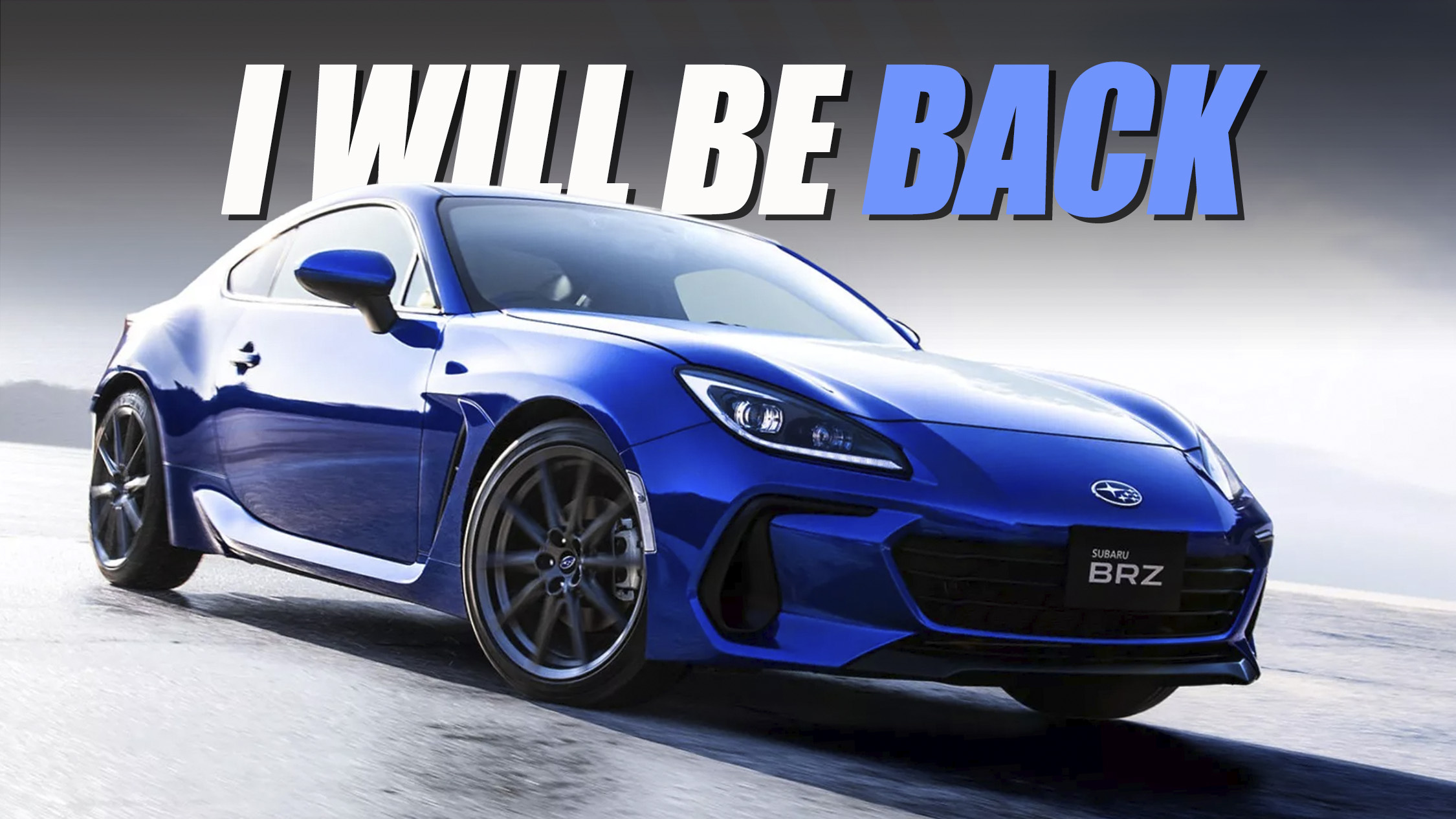
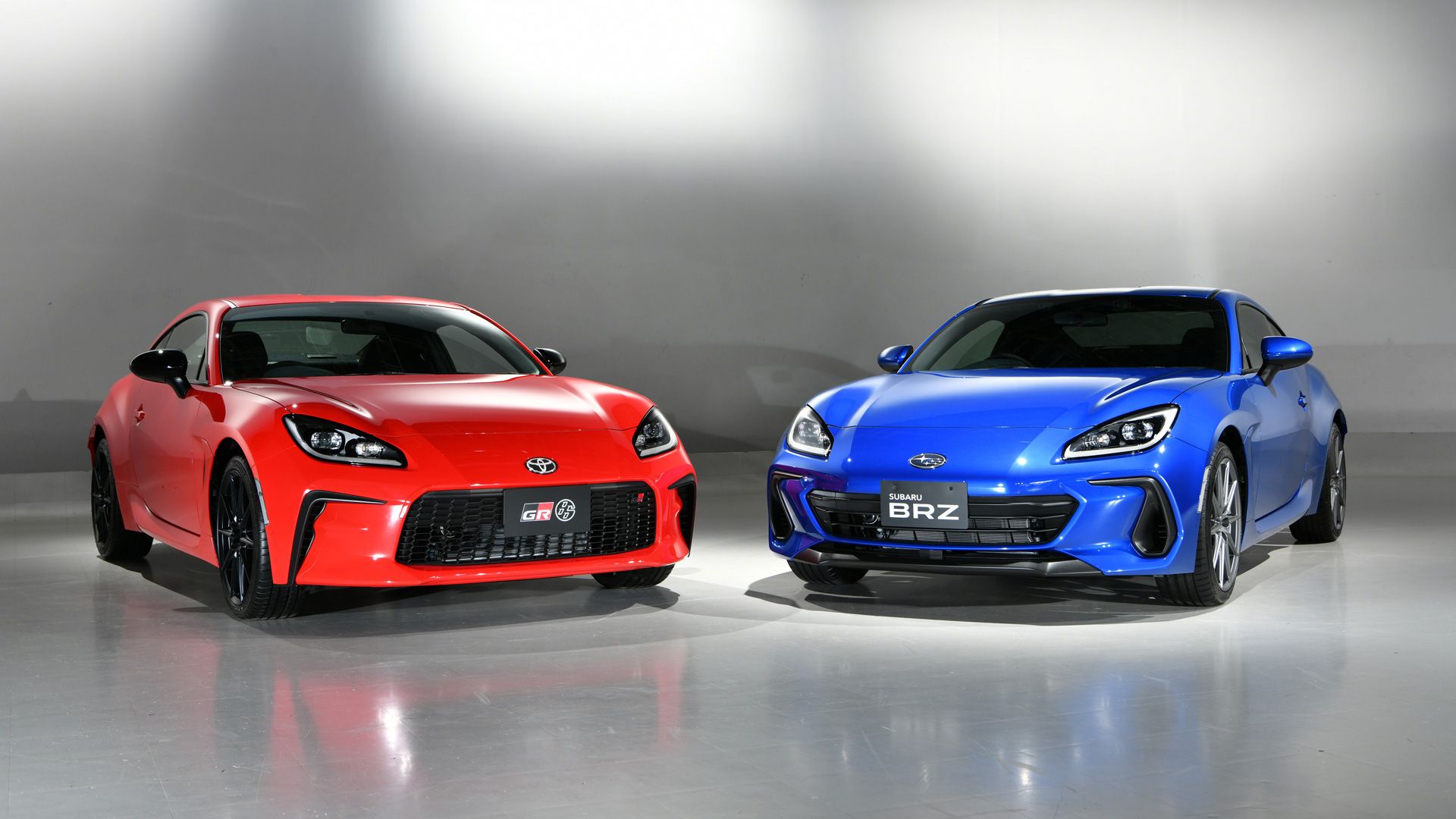
The most critical insight into the Toyota 86 and Subaru partnership is that it represents a rare, highly successful co-development model where two rival manufacturers shared core engineering responsibilities, combining Toyota's high-pressure direct-injection packaging and manufacturing optimization with Subaru's proprietary horizontally opposed boxer engine architecture to build an affordable, rear-wheel-drive sports car that neither company could have economically justified or engineered alone.
The Genesis of the Collaborative Sports Car Project
When Toyota and Subaru announced their joint venture in the late 2000s, the automotive industry greeted the news with a mix of excitement and skepticism. Traditionally, rival automakers do not pool their proprietary research and development resources to build low-volume sports cars. However, shifting market dynamics, stringent global emissions regulations, and a declining youth interest in traditional performance vehicles forced a change in strategy.
Toyota, despite being a manufacturing titan, sought a lightweight, rear-wheel-drive platform that could recapture the spirit of classic enthusiast cars like the Toyota AE86 Corolla. Meanwhile, Subaru was world-renowned for its symmetric all-wheel-drive systems and boxer engines, but the brand lacked a dedicated, lightweight rear-wheel-drive architecture. The collaboration—internally designated as Project D-4S during development—became a masterclass in leveraging complementary corporate strengths. Instead of a simple badge-engineering exercise where one company builds a car and the other slaps on a new grille, both manufacturers integrated their engineering teams from the ground up.
The partnership hinged on an intellectual exchange: Toyota contributed its advanced D-4S direct and port fuel-injection technology, overall product planning, and packaging expertise, while Subaru provided the newly designed naturally aspirated horizontally opposed engine block and the physical manufacturing framework at its Gunma plant in Japan. This division of labor minimized financial risk for both corporations while maximizing the dynamic potential of the final product, which debuted globally as the Toyota 86, Subaru BRZ, and Scion FR-S.
Architectural Breakdown: How the Boxer Meets the Chassis
At the heart of the Toyota 86 and Subaru BRZ partnership is a unique powertrain and layout configuration. To understand the depth of this co-development, one must examine how mechanical components from both brands were synthesized into a single cohesive platform.
The Engine Dynamics
The engine—designated as the FA20 by Subaru and integrated with Toyota's D-4S injection system—is a joint triumph. Subaru engineered the aluminum block, cylinder heads, and overall combustion chamber layout, maintaining its signature low-center-of-gravity boxer configuration. Toyota added its high-pressure fuel-injection system, which utilizes dual injectors per cylinder (port and direct injection) to optimize fuel atomization, emissions compliance, and high-rpm throttle response.
Weight Distribution and Center of Gravity
Because the Subaru boxer engine is horizontally flat and compact, it sits lower in the engine bay than a traditional inline-four engine. When combined with Toyota's chassis packaging and lightweight body panels, the vehicle achieves a center of gravity lower than many dedicated mid-engine supercars. This design choice defines the driving character of the platform, allowing for rapid directional changes without requiring overly stiff suspension damping that would ruin ride quality on public roads.
Comparative Analysis: Joint Engineering Contributions
To fully appreciate the scope of this automotive alliance, it is helpful to examine how Toyota and Subaru divided the engineering responsibilities. The table below outlines the core components and identifies which manufacturer took the primary lead during development.
| Component / System | Primary Contributor | Supporting Contributor / Integration |
|---|---|---|
| Engine Block & Layout | Subaru (FA24 / FA20 Boxer) | Toyota (D-4S Fuel Injection System) |
| Chassis & Platform | Jointly Developed (Subaru Platform base) | Toyota (Rigidity tuning and packaging) |
| Transmission (Manual) | Subaru (Aisin-derived manual housing) | Toyota (Shift linkage and gear ratio tuning) |
| Transmission (Automatic) | Aisin (Toyota Affiliate) | Subaru (ECU calibration and integration) |
| Manufacturing Facility | Subaru (Gunma Main Plant) | Toyota (Quality control standards and auditing) |
| Exterior Styling | Toyota (Front fascia and overall silhouette) | Subaru (Rear fascia, lighting elements, and aerodynamics) |
Manufacturing Realities and Quality Control
The partnership extended far beyond the drawing board and into the assembly line. Manufacturing the vehicle exclusively at Subaru's Gunma plant required aligning two entirely different corporate cultures, quality control protocols, and supply chain networks.
Subaru's Gunma facility had to adapt to Toyota's rigorous production-control methodologies, often referred to in the industry as the Toyota Production System (TPS). This integration ensured that every chassis rolled off the line with tight panel gaps, consistent paint depth, and stringent mechanical tolerances. For Subaru, adopting elements of TPS streamlined their internal processes, while Toyota gained firsthand insight into Subaru's specialized manufacturing techniques for symmetrical components and low-volume sports car assembly.
The joint manufacturing setup also presented unique logistical hurdles. Parts sourced from Toyota’s vast supplier network had to be shipped to Subaru’s assembly line, requiring precise synchronization to prevent factory bottlenecks. The success of this logistical dance laid the groundwork for future collaborations between the two companies, proving that cross-corporate manufacturing integration could work seamlessly without sacrificing brand identity.
Brand Differentiation and Market Positioning
One of the most fascinating aspects of the Toyota and Subaru partnership is how two nearly identical mechanical twins managed to target distinct buyer segments through subtle suspension tuning and stylistic differentiation.
While the Toyota 86 (later renamed the GR 86 in its second generation) and the Subaru BRZ share the exact same chassis, engine, and interior architecture, their dynamic behaviors diverge noticeably. Subaru traditionally tunes the BRZ's suspension with a slightly softer front spring rate and stiffer rear setup, promoting predictable, neutral handling that favors grip and stability. Toyota, through its Gazoo Racing division, often tunes the GR 86 with stiffer front springs and softer rear settings, encouraging sharper turn-in and a playful chassis character that invites rear-wheel drift enthusiasts.
This calculated differentiation prevents the two cars from cannibalizing each other's sales while honoring the distinct brand heritage of both manufacturers. A buyer looking for a balanced, everyday commuter sports car might lean toward the Subaru BRZ, whereas an enthusiast seeking a track-ready weekend toy with aggressive steering reflexes might gravitate toward the Toyota GR 86.
Frequently Asked Questions
Did Toyota own Subaru during the development of the 86 and BRZ?
No, Toyota did not fully own Subaru, though Toyota held a minority equity stake in Fuji Heavy Industries (now Subaru Corporation) during the project's inception. This equity relationship facilitated trust and cooperation, but the sports car project was structured as a business partnership rather than an internal corporate mandate.
Why did Toyota use a Subaru engine instead of one of its own?
Toyota did not mass-produce a compact, naturally aspirated, rear-wheel-drive compatible boxer engine at the time. Developing such an engine from scratch would have inflated the retail price of the car, defeating the primary goal of creating an affordable, lightweight sports car for enthusiasts. Partnering with Subaru gave Toyota immediate access to proven boxer engine technology.
Are the second-generation Toyota GR 86 and Subaru BRZ still a joint venture?
Yes. The second-generation models, introduced for the 2022 model year, continue the partnership. They feature a larger 2.4-liter naturally aspirated boxer engine, increased chassis rigidity, and updated interior technology while maintaining the core collaborative blueprint established by the original vehicles.
Can parts from a Subaru BRZ be used directly on a Toyota GR 86?
Because the mechanical foundations, suspension components, and engine blocks are virtually identical, the vast majority of OEM and aftermarket parts are directly interchangeable between the Toyota and Subaru variants.
Strategic Next Steps for Enthusiasts and Buyers
For automotive enthusiasts evaluating this platform, understanding the depth of the Toyota and Subaru partnership provides valuable purchasing and maintenance context. When sourcing replacement parts, servicing the vehicle, or modifying the suspension, owners can look to both OEM catalogs with confidence.
If you are considering purchasing a first-generation (2013–2020) or second-generation (2022–present) model, prioritize vehicles with verified maintenance records, paying special attention to fluid changes and oil maintenance for the direct-injected boxer engine. Engaging with owner communities dedicated to both the 86 and BRZ will also reveal region-specific service tips and aftermarket upgrades tailored to your specific driving goals.