The Challenge Season 38, officially titled The Challenge: Ride or Dies, represents a major pivot in the long-running MTV reality competition franchise by pairing up competitors with their closest real-world allies, romantic partners, or family members. Running from October 2022 to February 2023, this milestone installment introduced an unprecedented core twist: players entered the game locked into dynamic pairs, meaning that if one partner was eliminated, medically disqualified, or forced to quit, the other partner’s game immediately ended as well.
The Core Concept and Theme of Ride or Dies
The foundational premise of The Challenge: Ride or Dies revolves around the strength, trust, and psychological friction of pre-existing relationships. Unlike previous seasons where casts were largely assembled through random draws, political drafts, or individual casting selections, Season 38 forced veterans and rookies alike to test the limits of their closest bonds under extreme physical and mental stress.
The title itself serves as a contractual obligation for the pairs. A "ride or die" implies someone who would endure anything for their partner. Throughout the season, host T.J. Lavin continuously tested whether these partnerships were built on genuine loyalty or strategic convenience. When contestants faced grueling daily missions, political backstabbing in The Zone, and punishing eliminations, the fragility of these bonds became the primary driver of the season's drama.
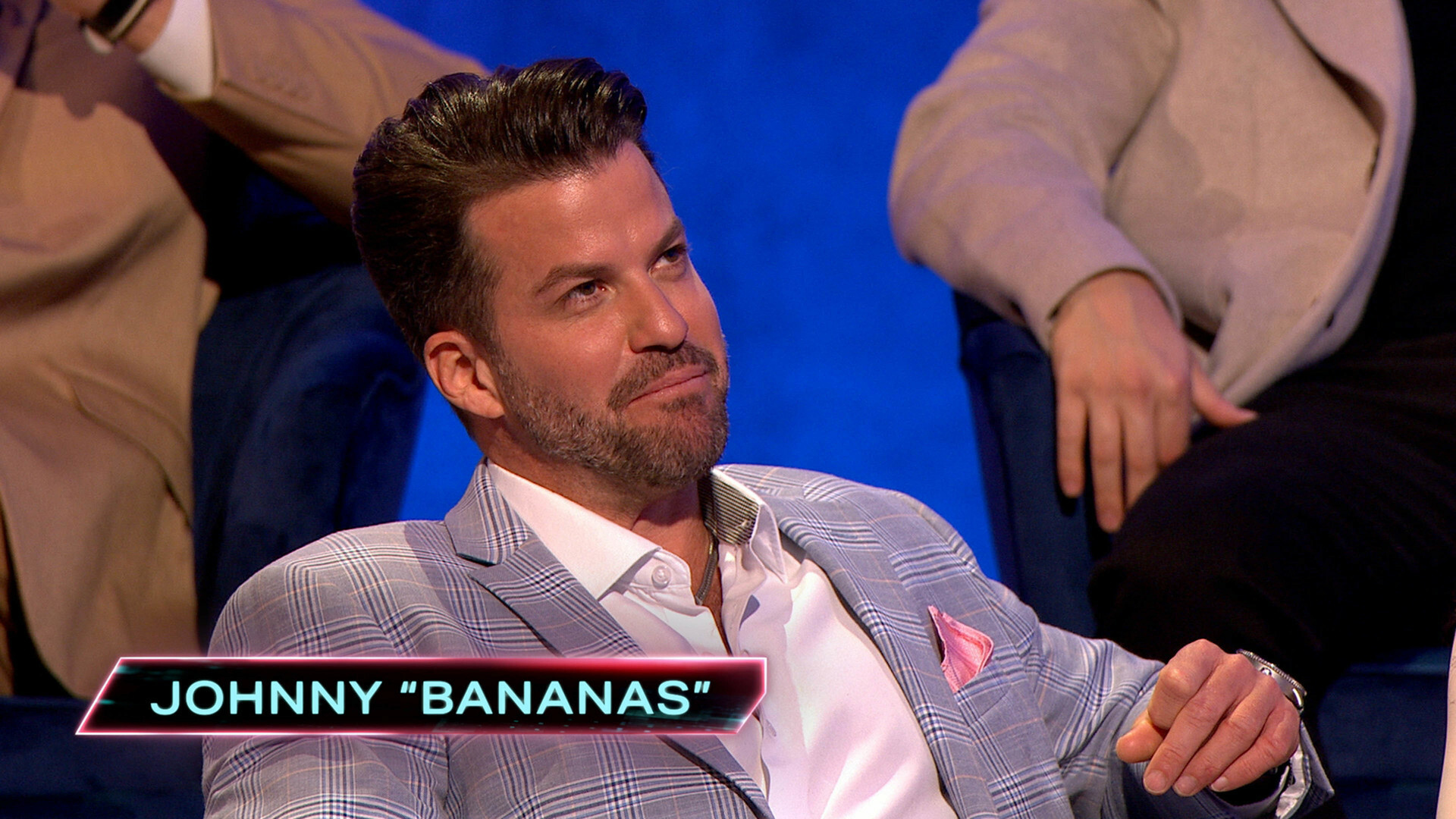
Furthermore, the casting dynamic blended legendary franchise mainstays with a fresh crop of rookies. This juxtaposition created an immediate tactical imbalance. Veterans like Johnny "Bananas" Devenanzio, Jordan Wiseley, Tori Deal, and Veronica Portillo brought years of political savvy and arena experience, while their chosen partners often had to navigate the high-stakes television environment for the very first time.
Cast Dynamics: Veterans, Rookies, and Real-World Bonds
Understanding the competitive landscape of Season 38 requires looking closely at how the pairs were constructed. The relationships ranged from married couples and long-term dating partners to estranged exes, siblings, and lifelong best friends.
Notable Partnerships and Their Backgrounds
- Tori Deal and Devin Walker: A pairing of two strategic masterminds who forged a deep platonic friendship on previous seasons. Their communication and political control allowed them to navigate the game with minimal friction.
- Johnny "Bananas" Devenanzio and Nany González: A pairing rooted in a decade-long friendship and history. While Bananas brought unmatched tactical manipulation, Nany provided the emotional anchor, with the season heavily tracking Nany's emotional resilience following personal tragedy outside the game.
- Jordan Wiseley and Aneesa Ferreira: A complex pairing of close friends where Jordan, a multi-time champion, had to manage the physical discrepancies between his elite endurance and Aneesa's documented struggles in running-heavy finals.
- Fessy Shafaat and Moriah Jadea: A combination of a physically imposing veteran and a rookie partner, testing whether raw athletic prowess could overcome political targets.
- Kaycee Clark and Kenny Clark: A brother-sister duo that brought a calm, athletic demeanor to the house, though they occasionally struggled to penetrate the dominant political alliances.
The Major Twists: The Zone, The Redemption House Variations, and the Chaos Tier
What sets The Challenge: Ride or Dies apart from standard team or pair formats is the layered evolution of its game mechanics. Production introduced several distinct phases designed to disrupt comfortable majorities and force unexpected eliminations.
Phase 1: The Standard Pair Elimination
In the opening weeks, losing pairs were sent directly into The Zone, while the winners of the daily missions held the power to select opponents. However, the catch was absolute: losing in The Zone meant both partners went home instantly. This raised the stakes of every daily mission, as safe players had to carefully weigh whether sending a strong team into elimination would backfire if that team managed to return.
Phase 2: The Control vs. Chaos Mid-Game Twist
Midway through the season, T.J. Lavin disrupted the game by dividing the remaining players into separate tiers or introducing sudden mercenary arrivals. Former champions—such as Darrell Taylor, Veronica Portillo, Laurel Stucky, and Laterrian Wallace—entered the game mid-season as independent threats or game-changers. This forced established alliances to break apart, as the arrival of veteran powerhouses destabilized voting blocks and forced rookies to re-evaluate their survival strategies.
Phase 3: The Purge Challenges
True to modern Challenge tradition, Season 38 featured multiple purges designed to trim the fat without requiring a traditional political vote. These multi-stage physical trials tested endurance, puzzle-solving, and sheer willpower, immediately eliminating the slowest pairs from the competition compound without giving them a chance to plead their case in the arena.
Comparative Breakdown of Key Season Elements
| Feature | Description & Impact on Season 38 |
|---|---|
| Primary Format | Two-person teams bound by real-world relationships; elimination of one means elimination of both. |
| Host | T.J. Lavin, maintaining his signature strict stance on quitting and sportsmanship. |
| Location | Buenos Aires, Argentina, utilizing expansive outdoor terrain and cold-weather elements. |
| Grand Prize | A shared cash prize pool totaling $1,000,000, distributed among the final podium spots. |
| Key Advantage | Daily mission winners gained safety and ultimate control over the elimination ballot. |
The Finale Structure and the Ultimate Test of Endurance
The culmination of The Challenge: Ride or Dies was one of the most punishing multi-stage finals in franchise history. Spanning over 100 hours of continuous physical exertion, sleep deprivation, and complex checkpoints, the final tested every aspect of the remaining pairs' physical and mental resilience.
The final required teams to conquer freezing temperatures, heavy rucksack carries, eating challenges featuring local delicacies, and intricate puzzle-solving under severe physical fatigue. Because the format demanded that both partners cross the finish line together, pacing became the ultimate strategic weapon. Stronger athletes had to physically assist, encourage, and sometimes carry their exhausted partners through grueling terrain to avoid timing out.
Ultimately, the grueling nature of the course separated those who were true "ride or dies" from those whose partnerships fractured under pressure. The victors cemented their legacies by managing not just their own bodies, but the psychological state of their chosen partners through moments of extreme duress.
Common Criticisms and Strategic Lessons
While The Challenge: Ride or Dies received praise for its strong character arcs and emotional depth, it also faced scrutiny from long-time viewers regarding pacing and the predictability of veteran-led alliances.
- The Power of Pre-Existing Pacts: Because many cast members entered the house with established real-world friendships, rookie pairs often found it difficult to shift the power dynamic, leading to a predictable early-game sweep where rookies were targeted systematically.
- The Weight of Disproportionate Partners: In some pairings, one partner clearly carried the physical workload of daily missions and eliminations, raising questions about whether pure pair formats penalize individuals who are partnered with less athletically inclined friends or family members.
- The Evolution of Social Strategy: The season proved that physical dominance alone is insufficient to win a modern Challenge final. Mental fortitude, emotional intelligence, and clean political navigation remain the absolute prerequisites for lifting the trophy.
Frequently Asked Questions
What happens if one person gets injured on The Challenge Ride or Dies?
If a competitor suffers a medical disqualification or severe injury that prevents them from continuing, their partner is automatically eliminated from the game alongside them, regardless of how well the team was performing politically or athletically.
Who won The Challenge Season 38?
Tori Deal and Devin Walker won The Challenge: Ride or Dies, successfully navigating the political landscape and enduring the grueling multi-stage final to claim the championship and the grand prize.
Were there any mid-season replacements or returning players?
Yes, the season featured mid-game twists that introduced veteran mercenaries and independent competitors, shaking up the power structure and forcing existing pairs to adapt to sudden changes in the house dynamic.
How many episodes are in The Challenge Season 38?
The season spans 19 episodes, including the standard competitive run, the reunion specials hosted by Nia Moore, and the behind-the-scenes footage detailing the grueling nature of the final.
Can single players apply for a Ride or Dies format?
No, the casting process specifically required applicants to audition and pass physical and psychological evaluations as a pre-existing pair, emphasizing the relational aspect of the theme.
Next Actions for Fans and Viewers
For viewers looking to revisit or dive deeper into The Challenge: Ride or Dies, the entire season is available for streaming via Paramount+ and digital purchase platforms like Amazon Prime Video and Apple TV. To fully appreciate the strategic nuances of Season 38, consider watching preceding seasons such as Spies, Lies and Allies (Season 37) and Double Agents (Season 36) to understand the background and evolution of the veteran competitors who dominate the political landscape of the franchise.