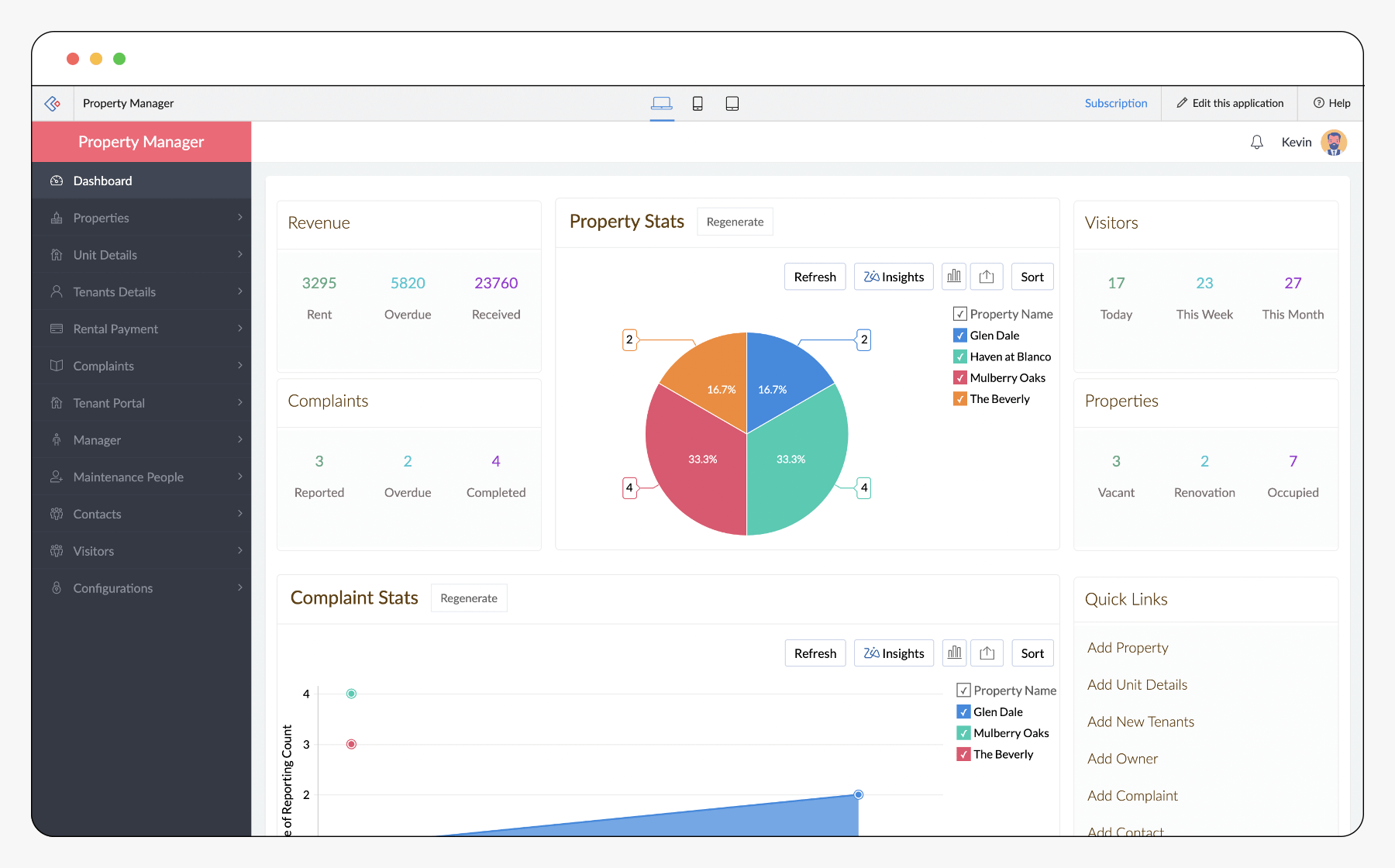
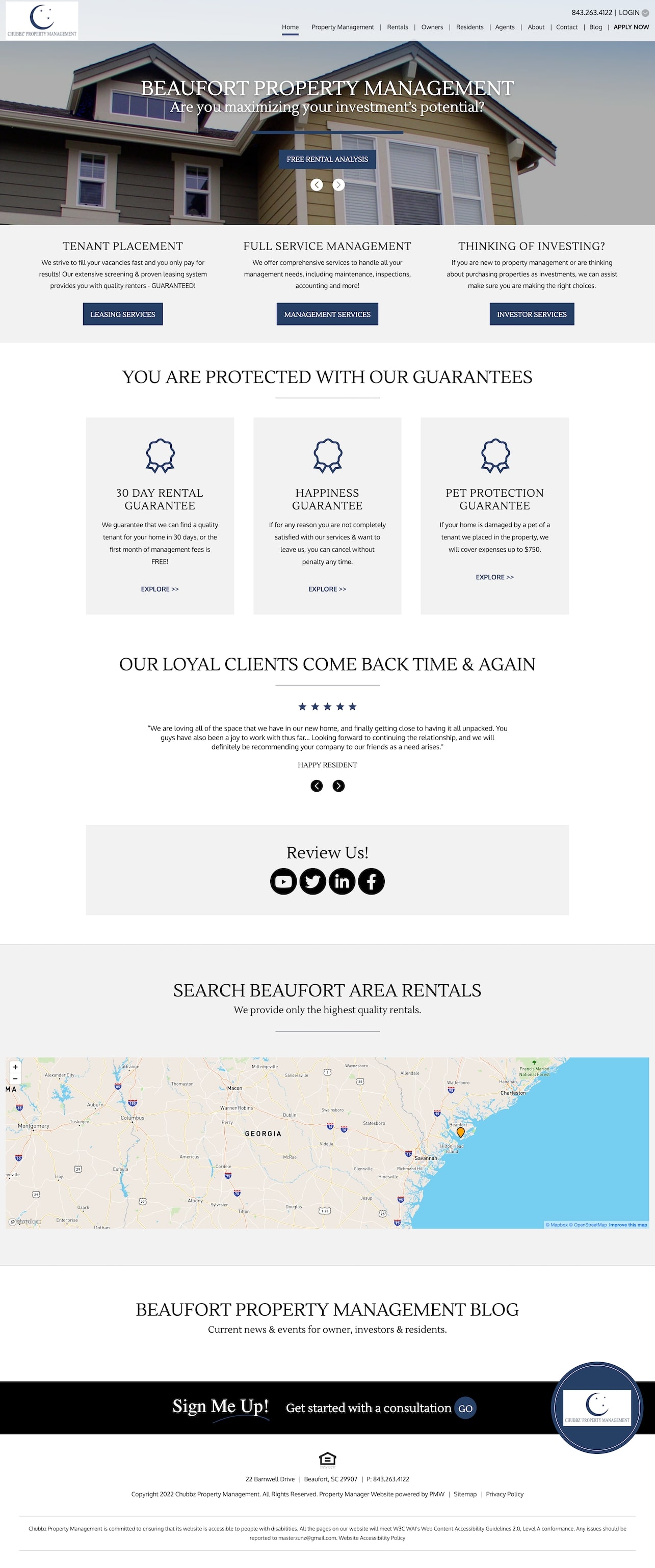
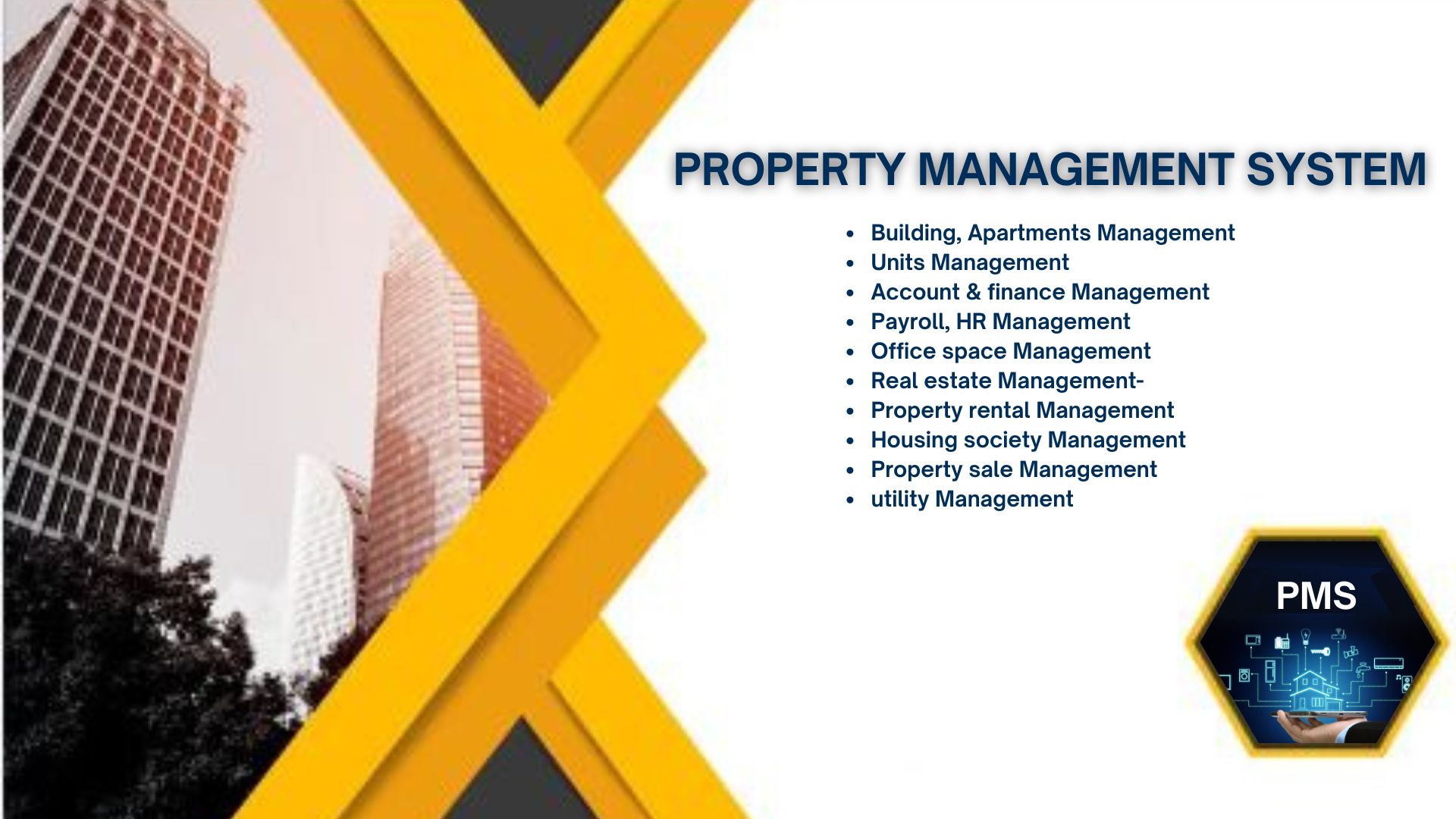
A to Z property management refers to the comprehensive, end-to-end oversight of residential or commercial real estate assets. This full-service approach encompasses everything from marketing and tenant screening to maintenance, financial reporting, and legal compliance. In 2026, it integrates advanced AI-driven analytics and automated systems to maximize owner ROI while ensuring high tenant satisfaction.
Property management is no longer merely about collecting rent and fixing leaky faucets. For investors and homeowners, the "A to Z" approach represents a paradigm shift toward professional asset management where every variable—from local zoning changes to predictive maintenance—is handled by experts. Whether you are dealing with a local firm branded as "A to Z Property Management" or looking for the "A to Z" of industry standards, understanding the full lifecycle of a rental property is essential for long-term financial success.
Defining the Scope of Full-Service Management
Full-service property management, often colloquially termed "A to Z management," is a turnkey solution designed to decouple the property owner from the daily operational stressors of real estate. In 2026, the complexity of the rental market—driven by fluctuating interest rates and evolving tenant protection laws—has made the DIY (Do-It-Yourself) approach increasingly risky for the average investor.
The "A to Z" philosophy begins before a tenant ever sets foot on the property. It starts with a comprehensive market analysis to determine the optimal rental price. Setting a price too high leads to prolonged vacancies, while setting it too low leaves significant revenue on the table. Professional managers use proprietary data and real-time market trends to hit the "sweet spot" of maximum yield and minimum vacancy.
Beyond pricing, the scope includes "rent-ready" inspections. This involves a granular review of the property’s condition to ensure it meets both aesthetic standards for marketing and legal habitability standards. A property that is truly "managed from A to Z" is one where the owner’s primary responsibility is reviewing monthly financial statements rather than fielding emergency calls at 3:00 AM.
Phase 1: Marketing and Tenant Acquisition
The first letter in the alphabet of management is "A" for Acquisition—specifically, acquiring the right tenant. In 2026, marketing a property has evolved far beyond a simple listing on a single portal.
High-Impact Marketing Strategies
Professional management firms utilize multi-channel distribution. This includes listing properties on major aggregates like Zillow, Apartments.com, and Realtor.com, but also leveraging social media algorithms and localized SEO. High-quality photography, 3D virtual tours, and drone footage have become standard requirements. These tools allow prospective tenants to "walk through" the property remotely, which is particularly vital in a mobile society where many renters secure housing before moving to a new city.
The Science of Tenant Screening
Screening is the most critical safeguard for an owner’s investment. A to Z management involves a rigorous, multi-tiered verification process. In 2026, this includes:
- Credit History Analysis: Moving beyond just a score to look at debt-to-income ratios and payment patterns.
- Criminal Background Checks: Conducting these within the bounds of evolving Fair Housing regulations to ensure safety while avoiding discriminatory practices.
- Eviction History: Searching national databases for prior filings, not just completed evictions.
- Employment and Income Verification: Utilizing automated tools to verify bank deposits and employment status directly, reducing the risk of fraudulent pay stubs.
Phase 2: Lease Administration and Legal Compliance
Once a tenant is selected, the "A to Z" process moves into the legal and administrative phase. The lease agreement is a legally binding document that serves as the primary defense against future disputes.
Drafting Enforceable Agreements
Standardized templates found online are rarely sufficient in 2026. A professional management firm uses leases that are regularly reviewed by legal counsel to ensure compliance with state and local statutes. These agreements clearly define the responsibilities of both parties, including rules regarding pets, smoking, sub-leasing, and maintenance obligations.
Regulatory Compliance and Fair Housing
The regulatory environment for rental housing has become increasingly localized. Many municipalities have introduced specific ordinances regarding security deposit interest, "just cause" eviction rules, and mandatory inspections. An A to Z manager stays abreast of these changes to protect the owner from costly litigation or administrative fines. According to the U.S. Department of Housing and Urban Development (HUD), Fair Housing compliance is a non-negotiable aspect of property oversight that requires constant vigilance.
Phase 3: Maintenance and Asset Preservation
The "M" in property management often stands for the biggest variable expense: Maintenance. Effective management transitions from a reactive model (fixing things when they break) to a proactive model (preventing them from breaking).
Predictive and Preventative Maintenance
In 2026, many A to Z management firms utilize IoT (Internet of Things) sensors. These devices can detect moisture under sinks or monitor HVAC performance, alerting the manager to a potential issue before it becomes a catastrophic failure. Preventative maintenance schedules—such as semi-annual HVAC servicing, gutter cleaning, and roof inspections—are baked into the management plan. This extends the useful life of major appliances and structural components, preserving the property’s capital value.
Vendor Management
A significant advantage of hiring a professional firm is their network of vetted vendors. Because management companies provide high volumes of work to contractors (plumbers, electricians, painters), they often receive preferred pricing and faster response times. This "economies of scale" benefit is passed down to the property owner, ensuring that repairs are handled by licensed, insured professionals at competitive rates.
Phase 4: Financial Reporting and Revenue Management
Transparency is the hallmark of a professional management experience. For the owner, the property is a financial asset that must be tracked as accurately as a stock portfolio.
Automated Rent Collection
In 2026, paper checks are largely a thing of the past. A to Z management systems utilize secure online portals where tenants can pay via ACH, credit card, or even scheduled automatic transfers. This increases the likelihood of on-time payments and simplifies the accounting process.
Comprehensive Financial Statements
Owners should expect real-time access to their financial data. This includes:
- Cash Flow Statements: A monthly breakdown of income minus expenses.
- General Ledgers: A detailed record of every transaction associated with the property.
- Year-End Tax Packages: Including 1099-MISC forms and categorized expense reports, which significantly simplify the tax filing process for the investor.
| Management Feature | DIY Management | Full-Service (A to Z) Management |
|---|---|---|
| Tenant Screening | Manual, often incomplete | Automated, multi-state, AI-verified |
| Legal Compliance | Owner-researched, high risk | Professional legal oversight, low risk |
| Maintenance | On-call, retail pricing | Vetted vendors, wholesale/bulk pricing |
| Rent Collection | Manual tracking, potential delays | Automated portals, high on-time rate |
| Availability | Subject to owner's schedule | 24/7/365 emergency response |
| Technology | Basic spreadsheets | Integrated AI and IoT platforms |
The Technology Stack of 2026
Modern property management is built on a sophisticated technology stack. AI assistants now handle initial tenant inquiries, answering common questions about square footage or pet policies instantly. This ensures that no lead is lost because of a delayed response.
Furthermore, data analytics tools help managers predict "tenant churn." By analyzing payment patterns and maintenance requests, AI can identify tenants who are likely to move out at the end of their lease, allowing managers to begin the "A to Z" cycle of marketing even before the unit is vacant. This minimizes the "turnover gap," which is often the single largest expense an owner faces.
Understanding the Fee Structure
A transparent "A to Z" provider will have a clear, easy-to-understand fee schedule. In 2026, the industry has largely moved away from hidden fees in favor of a "value-based" pricing model.
- Management Fee: Typically a percentage of the monthly gross rent (usually 7% to 12%). This covers the ongoing day-to-day operations.
- Leasing Fee: A one-time fee for filling a vacancy, often equal to half or a full month’s rent. This covers marketing, showings, and screening.
- Renewal Fee: A smaller flat fee for negotiating and executing a lease extension with an existing tenant.
- Maintenance Markup: Some firms charge a small percentage (e.g., 10%) on top of contractor invoices to cover the coordination of repairs, though many "premium" A to Z firms include this in the base management fee.
It is vital to distinguish between "low-cost" providers and "high-value" providers. A firm charging 5% may seem attractive, but if they lack the staff to handle maintenance or the technology to screen tenants properly, the owner may end up paying much more in the long run through vacancies and repairs.
Common Challenges and Troubleshooting
Even with professional management, real estate involves human beings and physical structures, meaning challenges will arise. The difference with A to Z management is how these challenges are resolved.
- Non-Payment of Rent: If a tenant fails to pay, the manager initiates the legal notice process immediately. They handle the "Pay or Quit" notices and, if necessary, coordinate with legal counsel for eviction proceedings.
- Property Damage: If a tenant causes damage beyond normal wear and tear, the manager documents the evidence with photos and video, manages the repairs, and ensures the costs are appropriately deducted from the security deposit in accordance with state law.
- Emergency Repairs: When a pipe bursts at midnight, the management company’s 24-hour hotline dispatches an emergency plumber. The owner is notified, but they do not have to manage the crisis themselves.
Why Investors Choose A to Z Management
The primary driver for hiring an A to Z management firm is scalability. An individual might be able to manage one or two rental units on their own, but managing a portfolio of ten or twenty units is a full-time job. Professional management allows investors to treat their real estate like a passive investment rather than a second career.
Furthermore, the "A to Z" approach mitigates emotional bias. Owners often find it difficult to enforce late fees or initiate evictions when they have a personal relationship with a tenant. A management company acts as a professional buffer, ensuring that the property is run as a business, adhering strictly to the lease terms and the law.
FAQs About A to Z Property Management
What exactly does "A to Z" mean in property management?
It signifies a "cradle-to-grave" service model. The management company handles every aspect of the property's lifecycle: from the initial "A" (Acquisition of the tenant and Assessment of the property) to the final "Z" (Zeroing out the ledger at the end of a tenancy or sale of the asset). It is a complete outsourcing of the landlord's duties.
How do property managers determine the best rent price in 2026?
Managers use a combination of "Comps" (comparable properties recently rented in the immediate area) and dynamic pricing algorithms. These algorithms account for seasonal demand, local inventory levels, and even macroeconomic factors like local employment growth to suggest a price that maximizes revenue without increasing vacancy time.
Is property management worth the cost for a single-family home?
For most owners, the answer is yes. The cost of a single legal mistake (such as an improper security deposit return) or a single month of unnecessary vacancy often exceeds the entire annual management fee. Additionally, the time saved and the peace of mind provided by professional oversight are invaluable.
Can I still be involved in the decision-making process?
Absolutely. A to Z management is not about taking control away from the owner; it is about providing the owner with the data and expert recommendations needed to make informed decisions. Most owners set "approval limits"—for example, the manager can authorize any repair under $500, but anything over that requires owner sign-off.
How does property management handle the transition between tenants?
This is known as the "turnover" process. The manager conducts a move-out inspection, compares it to the move-in report, determines deposit withholdings, coordinates cleaning and repairs, and immediately restarts the marketing phase to ensure the property is re-occupied as quickly as possible.
Practical Recommendation for Property Owners
If you are looking to secure "A to Z" property management in 2026, your first step should be a thorough vetting of potential partners. Do not choose based on the lowest fee alone. Instead, ask for a "Management Plan" that outlines their specific processes for tenant screening, their average vacancy duration, and their vendor list.
Verify that the firm uses a modern, cloud-based platform (such as AppFolio, Buildium, or Yardi) which allows you 24/7 access to your property’s performance data. A truly comprehensive manager will be happy to demonstrate their transparency and their track record of preserving both the physical asset and the monthly cash flow. For those looking for local regulations or licensing verification, the National Association of Residential Property Managers (NARPM) remains a gold standard for finding qualified professionals.