A menstrual period can certainly last only two days and still be considered medically normal, provided it is consistent with your typical cycle. While the average duration is three to seven days, factors like hormonal contraception, lifestyle stressors, or underlying health conditions can shorten the length of bleeding significantly.
The menstrual cycle is a complex biological process governed by a delicate balance of hormones. While many people anticipate a standard five-day flow, the reality of reproductive health is far more variable. When a period lasts only two days, it is often a reflection of the thickness of the uterine lining (the endometrium) or the efficiency of the hormonal signals directing the cycle. As of 2026, healthcare providers emphasize personalized "cycle baselines" rather than rigid adherence to a universal average. Understanding why your period may be shorter than the norm requires a look at both external influences and internal physiological shifts.
Understanding the "Normal" Range of Menstruation
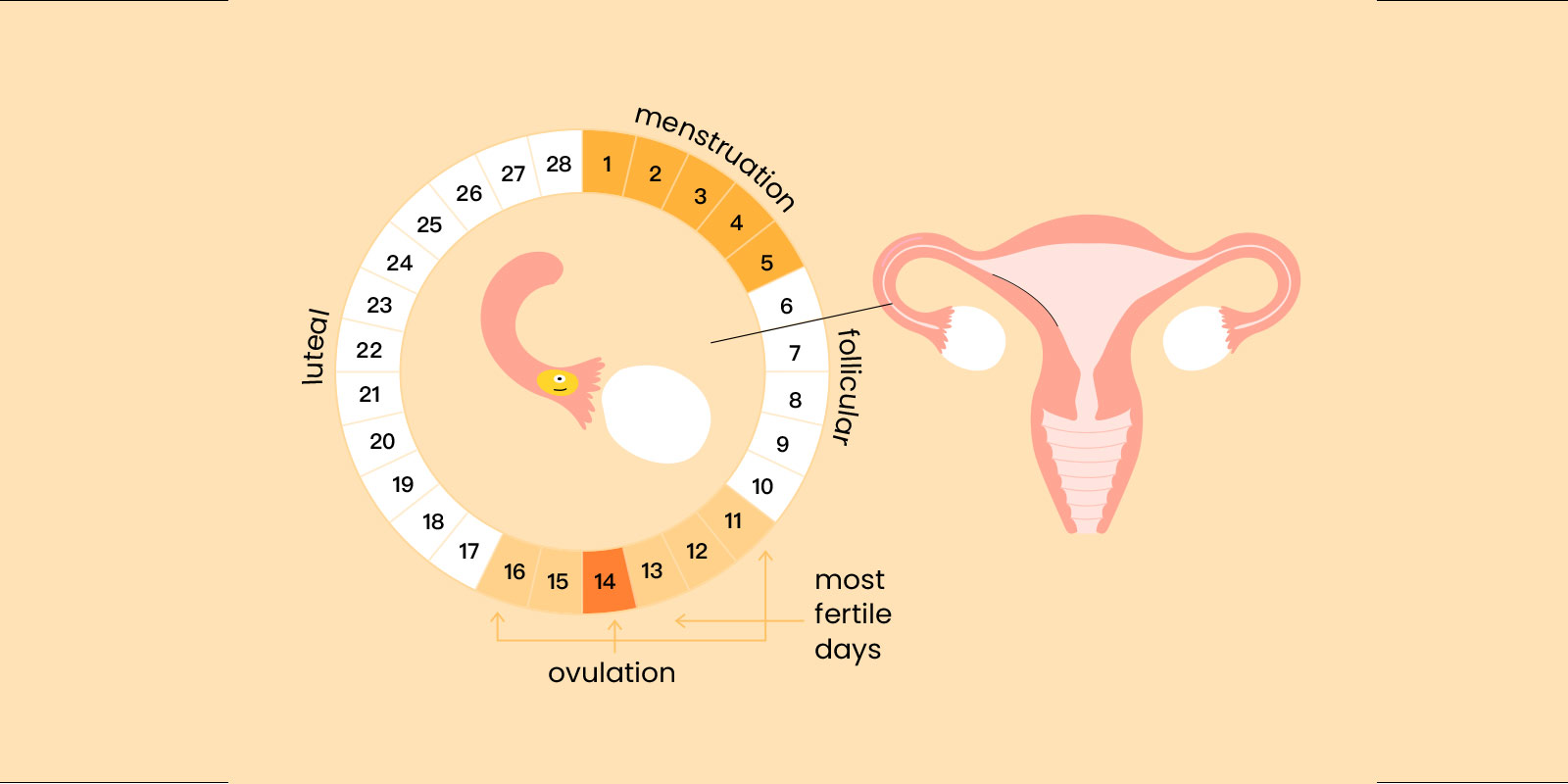
To determine if a two-day period is a cause for concern, we must first establish what constitutes a typical cycle. Traditionally, clinical guidelines from organizations like the American College of Obstetricians and Gynecologists (ACOG) define a regular menstrual period as lasting between three and seven days. However, "normal" is a spectrum. For some individuals, a two-day period is their lifelong standard, representing a natural biological variation where the uterine lining is thinner or shed more rapidly.
The term for an abnormally short or light period is hypomenorrhea. While the duration of bleeding is one metric, doctors also look at the volume of blood lost. A typical period involves the loss of 30 to 50 milliliters of fluid. If a two-day period involves a consistent flow that requires regular changes of menstrual products, it may simply be an efficient shedding of the endometrium. If the period has suddenly dropped from five days to two, however, it serves as a clinical marker that something in the body’s internal environment has shifted.
Common Causes of a Shorter Menstrual Period
Several factors can lead to a reduction in menstrual duration. These range from intentional medical interventions to involuntary physiological responses to stress or illness.
Hormonal Contraception
The most frequent cause of a two-day period in the modern era is the use of hormonal birth control. Methods such as the combined oral contraceptive pill, the hormonal IUD (like Mirena or Kyleena), the contraceptive injection (Depo-Provera), and the contraceptive implant (Nexplanon) work by thinning the lining of the uterus.
Because these methods provide a steady stream of synthetic hormones, the body does not build up a thick endometrial lining each month. Consequently, when the "withdrawal bleed" occurs during the placebo week (or when the IUD prevents lining growth), there is very little tissue to shed. For many users, this results in a period that lasts only one or two days, or sometimes disappears entirely. This is generally considered a safe and often desirable side effect of the medication.
Lifestyle and Physiological Stress
The reproductive system is highly sensitive to the body’s overall state of health. The hypothalamus, a region in the brain responsible for regulating hormones, can suppress the signals sent to the ovaries if it perceives the body is under significant stress. This is often referred to as hypothalamic dysfunction.
Significant stressors include:
- Rapid Weight Loss: A sudden drop in body fat can disrupt estrogen production, leading to a thinner uterine lining and a shorter period.
- Excessive Exercise: High-intensity training without adequate caloric intake can lead to "athletic amenorrhea" or its precursor, hypomenorrhea.
- Psychological Stress: High levels of cortisol can interfere with the production of Gonadotropin-releasing hormone (GnRH), which is essential for a regular cycle.
Age and Developmental Stages
A person's age is a major determinant of period length. During puberty, the hypothalamic-pituitary-ovarian (HPO) axis is still maturing. It is common for adolescents to have irregular, short, or skipped periods for the first few years after menarche.
Conversely, as an individual enters perimenopause—the transitional phase leading up to menopause—estrogen levels begin to fluctuate and eventually decline. During this time, the uterine lining may not thicken as much as it once did, leading to periods that are shorter in duration and lighter in flow. In 2026, with better tracking tools and diagnostic screenings, many individuals in their late 30s and 40s are identifying these changes earlier than previous generations.
Medical Conditions Linked to Short Periods
While lifestyle and birth control are common culprits, certain medical conditions can also cause a period to last only two days.
Polycystic Ovary Syndrome (PCOS)
PCOS is a hormonal disorder common among individuals of reproductive age. It is characterized by elevated levels of androgens (male-type hormones) and irregular ovulation. When ovulation does not occur regularly, the hormonal triggers required to build and shed the uterine lining are disrupted. This can result in long gaps between periods, followed by very light, short bleeding episodes.
Thyroid Disorders
The thyroid gland regulates the body's metabolism and interacts closely with the reproductive system. Both hyperthyroidism (overactive thyroid) and hypothyroidism (underactive thyroid) can cause menstrual irregularities. In cases of hyperthyroidism, periods often become significantly lighter and shorter, sometimes lasting only a day or two.
Premature Ovarian Insufficiency (POI)
POI occurs when the ovaries stop functioning normally before the age of 40. This is different from premature menopause because some people with POI will still have occasional periods. However, those periods are often short and light due to the diminished supply of follicles and the resulting low estrogen levels.
Distinguishing Between a Period and Other Bleeding
Not all bleeding that lasts two days is a menstrual period. It is vital to distinguish between a short period and other types of vaginal bleeding, as the implications for health and pregnancy are vastly different.
Implantation Bleeding
One of the most common reasons for a "two-day period" that occurs earlier than expected is implantation bleeding. This happens when a fertilized egg attaches to the lining of the uterus, usually about 6 to 12 days after conception. This bleeding is typically light pink or brown, does not contain clots, and lasts for only 24 to 48 hours. If you are sexually active and experience a sudden, very short period, a pregnancy test is a recommended next step.
Ovulation Bleeding
Some individuals experience spotting or light bleeding for one or two days during the middle of their cycle, coinciding with ovulation. This is caused by a sudden drop in estrogen just after the egg is released. While not a period, it is often mistaken for one if the cycle is highly irregular.
| Feature | Menstrual Period (Short) | Implantation Bleeding | Spotting (Hormonal/Ovulation) |
|---|---|---|---|
| Duration | 2–3 Days | 1–2 Days | Few hours to 2 Days |
| Color | Bright red to dark red | Pinkish or light brown | Variable (light) |
| Flow Intensity | Steady flow, may have small clots | Very light, no clots | Very light, intermittent |
| Timing | Following a 21–35 day cycle | 1 week before expected period | Mid-cycle or irregular |
| Cramping | Common, can be moderate | Very mild or none | Usually none |
When Should You Consult a Professional?
A two-day period is not an emergency, but it can be a symptom of a change that requires medical attention. If your period has always been two days long and your doctor has ruled out underlying issues, it is likely just your biological norm. However, you should schedule an appointment if:
- Sudden Change: Your period was previously five to seven days and has suddenly dropped to two days for three consecutive cycles.
- Pain: The short period is accompanied by severe pelvic pain that is not relieved by over-the-counter medication.
- Missing Periods: You have "missed" periods entirely between these short episodes.
- Fertility Concerns: You are trying to conceive and are experiencing very short cycles or light flow, which may suggest issues with ovulation or uterine lining thickness.
- Other Symptoms: You also have symptoms such as unexplained weight gain/loss, hair thinning, excessive facial hair growth, or extreme fatigue.
In 2026, diagnostic protocols for these issues typically involve a combination of blood panels to check hormone levels (FSH, LH, Prolactin, Thyroid-Stimulating Hormone) and pelvic ultrasounds to examine the ovaries and the thickness of the endometrial lining.
How to Track and Manage Your Cycle
The best way to determine if a two-day period is a problem is to keep a detailed log of your symptoms. Digital health tracking has advanced significantly by 2026, allowing for better data sharing with healthcare providers. When tracking, note the following:
- Start and End Dates: Exactly when the bleeding begins and stops.
- Flow Heaviness: How many products you use and how saturated they are.
- Color and Consistency: Is the blood bright red, dark brown, or pinkish? Are there clots?
- Associated Symptoms: Include moods, energy levels, skin changes, and digestive issues.
By maintaining a record for at least three months, you provide your doctor with the necessary context to differentiate between a healthy, short cycle and a hormonal imbalance.
Frequently Asked Questions
Can a period be only 2 days and still be normal?
Yes, a two-day period can be normal. While the average is longer, many people naturally have shorter cycles. If the flow is consistent and your health is otherwise good, a two-day period is often just a variation of the standard menstrual cycle. It is most common in those using hormonal contraception or those in the early or late stages of their reproductive years.
Could a 2-day period mean I am pregnant?
It is possible. What appears to be a very short, light period may actually be implantation bleeding or early pregnancy spotting. If the bleeding was lighter than your usual flow and occurred a few days earlier than expected, taking a pregnancy test is the only way to confirm or rule out pregnancy.
Does a short period affect fertility?
A short period does not automatically mean you are less fertile. However, it can sometimes indicate a thin uterine lining or irregular ovulation. If you are trying to get pregnant, a period that is consistently very short (less than two days) and very light may be worth discussing with a fertility specialist to ensure the endometrium is thick enough for an embryo to implant.
Why did my period suddenly go from 5 days to 2 days?
Sudden changes in period duration are usually linked to shifts in hormone levels. This could be due to a new birth control method, increased stress, significant weight changes, or the onset of perimenopause. It could also indicate a thyroid issue or PCOS. If the change persists for more than three months, a medical evaluation is recommended.
Is a 2-day period a sign of menopause?
A shortening of the menstrual cycle is one of the hallmark signs of perimenopause, the transition leading to menopause. As estrogen levels fluctuate and the ovaries produce fewer eggs, the period may become shorter and lighter before eventually stopping. This typically occurs in individuals in their 40s, though it can happen earlier.
Practical Recommendations
If you are experiencing a period that lasts only two days, your first action should be to verify your baseline. Use a tracking app or a journal to document the duration and intensity for the next 90 days. If you are not on hormonal birth control and the short duration is a new development, consider a primary care check-up to test your thyroid (TSH) and iron levels, as anemia can sometimes be associated with cycle changes. Finally, if there is any chance of pregnancy, perform a high-sensitivity pregnancy test, as early pregnancy bleeding is frequently mistaken for a short period.