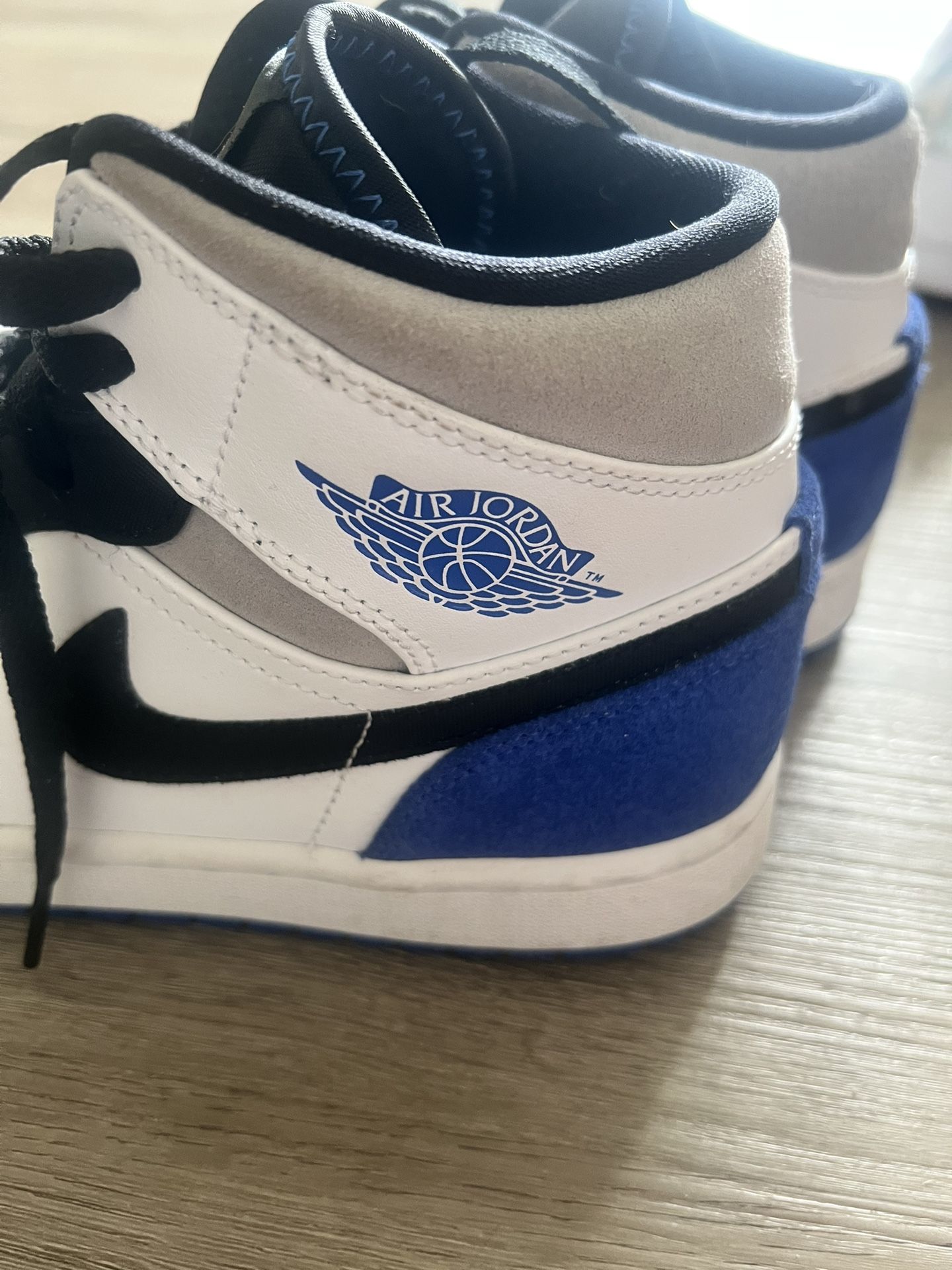
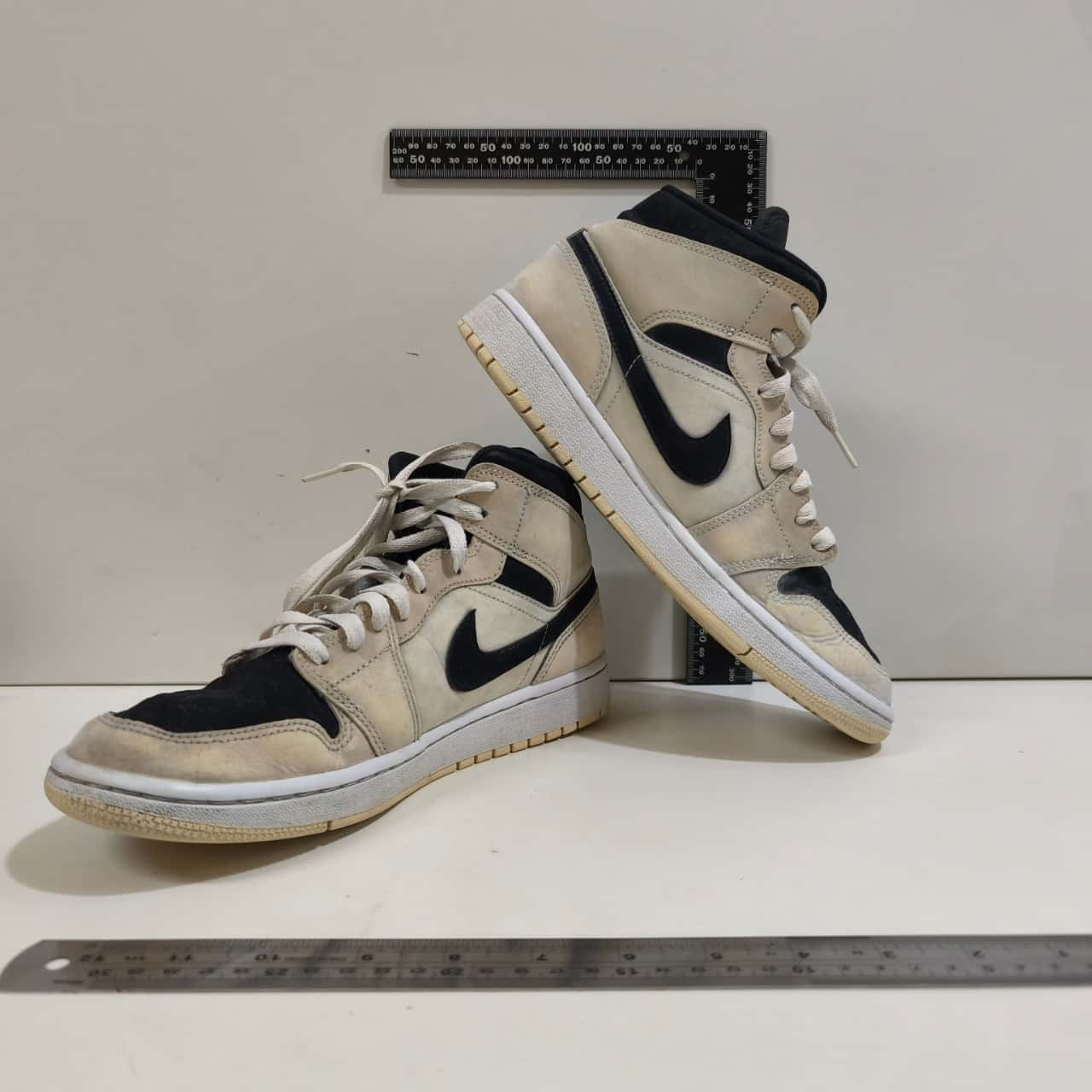
Yes, Air Jordans are manufactured and distributed by Nike, Inc. The brand "Jordan Brand" operates as a subsidiary division within the Nike corporate structure. While the line maintains its own distinct marketing, design identity, and product catalogs, it functions entirely under the operational umbrella of Nike, utilizing the company’s supply chain, research facilities, and global distribution network.
The Corporate Structure: Nike and Jordan Brand
To understand the relationship between the two, it is necessary to look at the organizational architecture of Nike, Inc. In 1997, Nike officially launched "Jordan Brand" as a sub-brand. This was a strategic move to treat the Air Jordan line not just as a signature shoe series, but as a standalone business unit with its own internal designers, marketing teams, and growth strategies.
Despite this autonomy, the legal and financial framework remains tied to the parent company. Every pair of Air Jordans produced is authorized, funded, and managed by Nike. When consumers purchase a pair of Jordans, they are buying a product designed and manufactured under the Nike corporate banner. The distinction exists primarily to maintain the prestige and specific aesthetic of the Jordan line while leveraging the massive infrastructure of the parent organization.
Historical Context of the Partnership
The origins of this relationship date back to 1984, when Nike signed rookie basketball player Michael Jordan to a five-year deal. At the time, Nike was primarily known for its running shoes, and the basketball market was dominated by competitors. The collaboration resulted in the release of the Air Jordan I in 1985.
The success of this partnership revolutionized the sports marketing industry. By giving Michael Jordan his own signature line, Nike transitioned from a shoe manufacturer into a lifestyle brand. Over the decades, this relationship evolved from a simple endorsement deal into the high-revenue, culturally significant "Jordan Brand" that exists in 2026. The evolution from a single shoe model to an expansive athletic apparel empire demonstrates the symbiotic nature of the relationship: Michael Jordan provided the iconic brand identity, while Nike provided the manufacturing, innovation, and global scale required to make the product a staple of footwear culture.
Manufacturing and Quality Control
Because Jordan Brand is a division of Nike, it adheres to the same manufacturing protocols, quality control standards, and labor policies as all other Nike-branded footwear. The production of Air Jordans takes place in the same network of contract factories across the globe that produce standard Nike running or training shoes.
This means that technical innovations developed at Nike’s "Blue Ribbon Sports" headquarters or their research labs are frequently applied to Jordan products. Technologies such as Nike Air cushioning units, Zoom Air, and various proprietary foam materials are shared across the company’s portfolio. From a technical standpoint, a "Jordan" is fundamentally a "Nike" sneaker built using the same materials, machinery, and assembly processes that define the parent company's broader inventory.
Identifying Authenticity: Nike vs. Jordan Branding
A common point of confusion for consumers involves the presence of Nike branding on Jordan products. Some models, particularly "Retro" releases of original designs from the 1980s, feature the "Nike Air" logo on the heel, while other, newer iterations might feature the "Jumpman" logo exclusively.
This aesthetic variance is a design choice rather than an indication of a different manufacturer. The decision to use one logo over the other is typically rooted in historical accuracy—re-releasing a shoe to look exactly as it did in 1985—or in the effort to solidify the Jordan Brand’s unique visual identity. Regardless of whether the box or the shoe features the Nike Swoosh or the Jumpman logo, the product remains a piece of Nike intellectual property.
Market Distribution and Retail Strategy
The retail distribution of Jordans is also handled by Nike. Through the SNKRS app, the Nike official website, and authorized retail partners, the distribution of Jordan products follows the same inventory management system as all Nike merchandise.
In 2026, the retail strategy for Jordans remains highly controlled. Nike manages the "drop" model for high-demand releases, ensuring that the supply chain is tightly regulated to maintain brand exclusivity. This logistical coordination is a hallmark of Nike’s operational efficiency. Consumers who engage with these release events are interacting directly with the parent company's infrastructure.
Comparison of Brand Identity
The following table illustrates the relationship and distinctions between Nike and Jordan Brand as of 2026.
| Feature | Nike (Core) | Jordan Brand |
|---|---|---|
| Ownership | Nike, Inc. | Nike, Inc. (Subsidiary) |
| Primary Focus | General Athletic/Performance | Basketball Lifestyle/Heritage |
| Manufacturing | Nike Contract Factories | Nike Contract Factories |
| Logo Identity | The Swoosh | The Jumpman / Nike Air |
| Shared Tech | Yes (Cushioning, Textiles) | Yes (Cushioning, Textiles) |
Frequently Asked Questions
Does Jordan Brand have its own separate factories? No. Jordan Brand products are manufactured within the same global supply chain as Nike products. They are produced in the same facilities, using the same workforce and manufacturing standards.
Is it accurate to call Jordans "Nike shoes"? Yes. From a legal and corporate perspective, they are Nike products. Using the term "Nike" to refer to Jordans is technically accurate, although collectors and fans often distinguish them by the "Jordan" moniker to reference the specific sub-brand and its unique heritage.
Why does my Jordan box say "Nike" but the shoe has a "Jumpman"? This is a standard branding practice. Nike manages the entire Jordan line, so they include their corporate branding on packaging and documentation. The Jumpman logo is the proprietary emblem for the Jordan sub-brand, used to differentiate the line's aesthetics from the general Nike basketball category.
Are Jordan shoes subject to the same warranty as other Nike products? Yes. Because Jordan Brand is a division of Nike, all consumer rights, return policies, and manufacturing warranties apply to Jordan products in the same manner they apply to all other footwear produced by Nike, Inc.
Is the "Jumpman" logo copyrighted by Nike? Yes. The Jumpman logo, which depicts Michael Jordan mid-air, is a registered trademark of Nike, Inc. It serves as the primary identifier for the Jordan sub-brand and is protected globally under Nike's intellectual property portfolio.
How to Verify Official Jordan Products
When purchasing, it is important to ensure that you are buying authentic merchandise. Because Jordan Brand is part of the Nike ecosystem, legitimate products will always be associated with Nike’s official channels.
- Verify the Source: Always purchase from the Nike SNKRS app, the official Nike website, or established, authorized retail partners.
- Check Documentation: Authentic products come with consistent packaging that includes official Nike SKU (Stock Keeping Unit) labels and verified manufacturing information.
- Analyze Pricing: If a price seems significantly lower than standard retail for a sought-after model, it is often an indicator of counterfeit goods. Nike maintains a firm pricing structure for their Jordan releases.
If you suspect you have purchased a counterfeit product or encounter issues with a transaction, the best next step is to consult the official customer service channels provided by Nike. They maintain a dedicated support team that can help verify purchase history and assist with quality-related claims for all products within their family of brands.