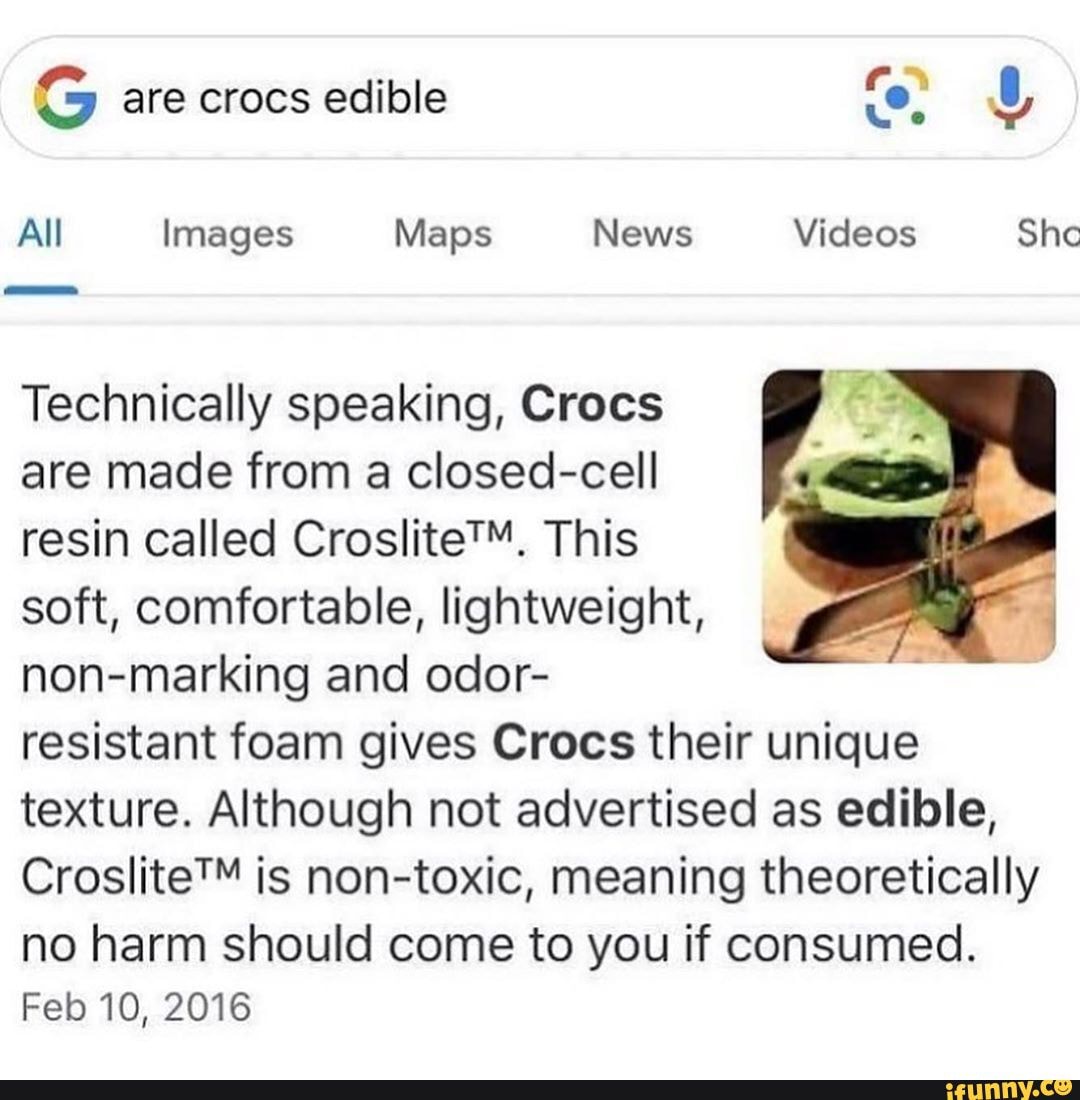
Genuine Crocs are generally considered non-toxic and safe for human use under normal conditions as of 2026. They are primarily made from Croslite, a proprietary closed-cell resin (EVA), which is non-porous and free of many common toxins like phthalates and BPA. However, certain "knock-off" brands and older accessories have historically raised concerns regarding chemical additives.
The Science of Croslite: What Are Crocs Made Of?
To understand if Crocs are toxic, one must first understand the material composition that distinguishes them from traditional footwear. Unlike many mass-produced shoes that rely on PVC or heavy rubbers, genuine Crocs are manufactured using a proprietary material called Croslite.
Croslite is a closed-cell resin, often categorized technically as an expanded Ethylene-vinyl acetate (EVA) foam. It is neither plastic nor rubber in the traditional sense. The "closed-cell" nature of the material is critical to its safety profile. Because the cells are closed, the material does not absorb sweat, bacteria, or moisture. This prevents the growth of fungi and bacteria, which can cause skin infections or odors that are often mistaken for chemical off-gassing.
In 2026, the company has further transitioned toward "Bio-based Croslite," incorporating renewable materials such as waste products from other industries to reduce the carbon footprint. This shift has not only addressed environmental concerns but has also led to more rigorous screening of the chemical inputs used in the polymerization process. From a toxicological perspective, EVA is widely considered a low-hazard polymer, which is why it is frequently used in everything from exercise mats to medical devices.
Potential Chemical Contaminants and Regulatory Overviews
The question of toxicity often centers on specific groups of chemicals used in the footwear industry: Polycyclic Aromatic Hydrocarbons (PAHs), Phthalates, Heavy Metals, and PFAS.
Polycyclic Aromatic Hydrocarbons (PAHs)
The concern regarding Crocs and toxicity largely stems from a 2013 report by the German consumer organization Öko-Test, which found high levels of PAHs in several brands of plastic clogs. PAHs are a group of chemicals that occur naturally in coal, crude oil, and gasoline; many are classified as potential or known carcinogens.
While the 2013 tests found PAHs in some genuine Crocs (specifically in the black straps and logos), the levels were generally lower than those found in off-brand "dupes." Since then, global regulations have tightened significantly. By 2026, the European Chemicals Agency (ECHA) and the US Environmental Protection Agency (EPA) have implemented stricter thresholds for PAHs in consumer products that come into direct contact with skin. Genuine Crocs have maintained compliance with these evolving standards, effectively neutralizing the PAH concern for modern products.
Phthalates and BPA
Phthalates are plasticizers often used to make plastics like PVC flexible. They are known endocrine disruptors. Bisphenol A (BPA) is another chemical used in some resins that can mimic hormones. Crocs has publicly stated that their footwear is free of both phthalates and BPA. Because Croslite is inherently flexible due to its expanded foam structure, it does not require the heavy chemical plasticizers that lead to toxicity concerns in harder plastic shoes.
PFAS (Forever Chemicals)
In 2026, the footwear industry faces increased scrutiny regarding Per- and polyfluoroalkyl substances (PFAS), used for water and stain resistance. While Crocs are naturally water-resistant due to their closed-cell resin, the company has worked to ensure that any additional coatings or colorants used in the manufacturing of special editions or "Jibbitz" (charms) are PFAS-free, complying with the latest environmental mandates.
Genuine Crocs vs. Knock-offs: Where the Real Risk Lies
The distinction between genuine Crocs and "knock-off" brands is the most important factor when discussing toxicity. While a pair of genuine Crocs might retail for a premium, the cheaper alternatives found in discount stores often bypass the rigorous chemical testing that major brands undergo.
Low-cost "clog" shoes are frequently made from lower-grade PVC or scrap plastic. To make these materials soft and wearable, manufacturers may use:
- High concentrations of phthalates: To achieve the "squishy" feel of Croslite without the actual technology.
- Heavy metals: Lead and cadmium are sometimes found in the pigments used for bright colors in unbranded footwear.
- Aggressive solvents: The strong "chemical smell" associated with cheap plastic shoes is often the result of Volatile Organic Compounds (VOCs) off-gassing from the glue or the material itself.
Consumers should be wary of footwear that has a pervasive, pungent chemical odor, as this is often an indicator of high VOC levels or the presence of naphthalene, a PAH that can be absorbed through the skin or inhaled.
Health Impacts: Skin Sensitivity and Contact Dermatitis
Even if a product is technically "non-toxic" (meaning it won't cause systemic poisoning or cancer), it can still cause localized health issues. The most common human health complaint associated with Crocs is allergic contact dermatitis.
This is not usually caused by the Croslite itself, but rather by the dyes or the chemical accelerators used in the foaming process. For individuals with sensitive skin, prolonged contact with the material—especially when combined with sweat and friction—can lead to redness, itching, or blistering.
In 2026, dermatologists continue to recommend that individuals prone to skin irritation wear socks with their Crocs. Socks provide a physical barrier that prevents the transfer of trace chemicals and reduces the friction that can break the skin barrier, making it less susceptible to irritation. Furthermore, the "Bio-based" materials introduced recently are monitored for allergens, but "natural" does not always mean "hypoallergenic," so sensitive users should remain cautious.
Chemical Safety Comparison Table
The following table compares the typical chemical presence in genuine Crocs versus generic, unbranded plastic clogs based on historical testing and current 2026 safety standards.
| Chemical/Concern | Genuine Crocs (Croslite) | Generic/Knock-off Clogs | Human Health Risk Level |
|---|---|---|---|
| Phthalates | Not detected / 0% | High (used for flexibility) | Endocrine disruption |
| BPA | 0% | Variable (may be present) | Hormonal interference |
| PAHs | Compliant with REACH | Often High / Unregulated | Carcinogenic potential |
| Lead/Cadmium | Not detected | Found in cheap pigments | Neurological/Organ damage |
| PFAS | PFAS-Free (2026 status) | Often Unverified | Persistent bioaccumulation |
| Odor/VOCs | Minimal (new shoe scent) | Strong / Pungent | Respiratory irritation |
Standards and Certifications
When evaluating the toxicity of footwear in 2026, looking for specific certifications is the best way to verify safety. Genuine Crocs must adhere to several international standards:
- REACH Compliance: This is a European Union regulation (Registration, Evaluation, Authorisation, and Restriction of Chemicals). It is one of the strictest chemical safety frameworks in the world. Any Crocs sold in Europe (and generally worldwide) must meet these standards.
- California Proposition 65: This law requires businesses to provide warnings about significant exposures to chemicals that cause cancer, birth defects, or other reproductive harm. While many products carry this label out of an abundance of caution, Crocs strives to formulate its materials to avoid the need for such warnings.
- ASTM International: Crocs are tested for physical safety and material integrity under various ASTM standards, ensuring the material doesn't degrade into harmful components during normal wear.
Practical Guidance for Safe Usage
While the evidence suggests that Crocs are not toxic to humans, there are best practices that consumers can follow to minimize any potential risk, however small.
- Ventilation and Off-gassing: If a new pair of shoes has a slight scent, allow them to air out in a well-ventilated area (like a porch or garage) for 24 to 48 hours before wearing them for an extended period.
- The "Socks" Strategy: To prevent contact dermatitis and limit skin absorption of any trace residues, wear cotton or moisture-wicking socks. This also helps with foot hygiene, as it manages the sweat that the closed-cell resin cannot absorb.
- Avoid Extreme Heat: Croslite is a thermoplastic resin. Leaving Crocs in a hot car or in direct, high-intensity sunlight for hours can cause them to shrink or warp. While this doesn't necessarily make them "toxic," extreme heat can accelerate the breakdown of chemical bonds in lower-quality materials.
- Clean Regularly: Use mild soap and cold water. Avoid harsh chemical cleaners or bleach, which could potentially react with the resin or degrade the material's surface, creating pores where bacteria can hide.
Frequently Asked Questions
Do Crocs cause cancer?
There is no clinical evidence that wearing genuine Crocs causes cancer. The concern originated from the presence of PAHs (some of which are carcinogens) in various plastic clogs. However, genuine Crocs produced in recent years, including 2026 models, must adhere to strict international limits on these substances, making the risk of cancer from skin contact negligible.
Are Crocs safe for toddlers and babies?
Yes, genuine Crocs are considered safe for children. Children's skin is more permeable and sensitive, so the company uses materials that are free of lead and phthalates. However, parents should ensure they are buying authentic products, as children are more likely to put their shoes in their mouths or have prolonged skin-to-material contact.
Why do some Crocs have a strong chemical smell?
A slight "new shoe" smell is normal and usually consists of harmless VOCs that dissipate quickly. If the smell is overwhelming or smells like "mothballs" (naphthalene), it may be a sign of high PAH content. This is much more common in counterfeit or extremely cheap off-brand clogs than in genuine Crocs.
Can I absorb toxins through my feet while wearing Crocs?
The skin on the soles of the feet is thick, but it can still absorb certain lipid-soluble chemicals. Because genuine Crocs are made from stable EVA resin and are free of liquid plasticizers like phthalates, the risk of significant toxic absorption is extremely low. Wearing socks further reduces this risk to nearly zero.
Are the Jibbitz charms toxic?
Genuine Jibbitz are regulated under the same safety standards as the shoes. However, third-party charms found on discount marketplaces are often not held to the same standards and may contain lead or phthalates. It is safer to stick to official accessories, especially for children.
Final Recommendation
As of 2026, the consensus among material scientists and consumer safety advocates is that authentic Crocs are non-toxic to humans. The company’s move toward bio-based resins and its compliance with global chemical regulations like REACH have addressed the primary concerns regarding PAHs and endocrine disruptors.
To ensure maximum safety, consumers should purchase genuine products from reputable retailers, avoid extremely cheap "dupes" that emit a strong chemical odor, and consider wearing socks if they have a history of skin sensitivity. By following these steps, you can enjoy the comfort and utility of the footwear without concern for chemical toxicity.