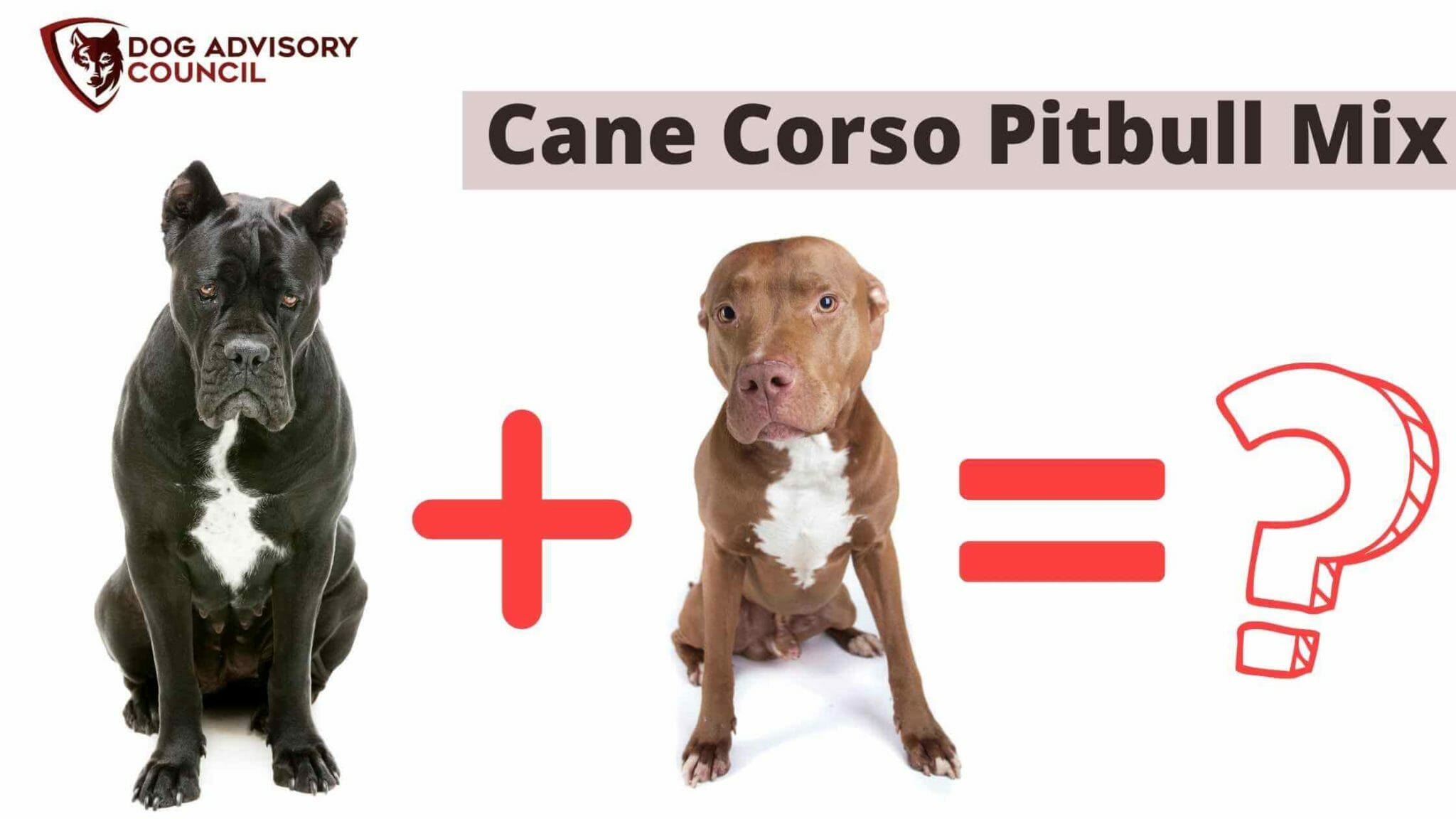
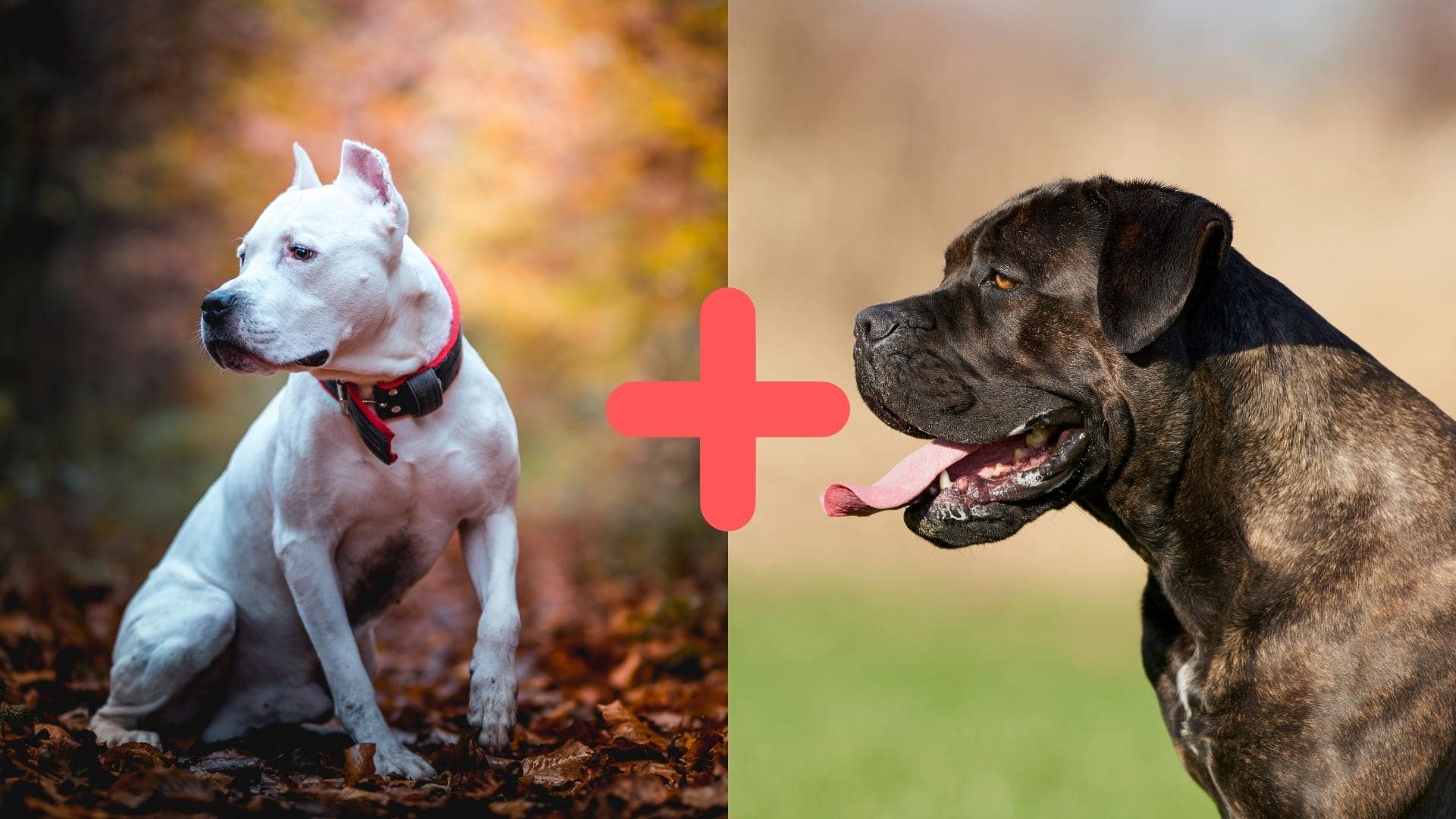
No, a Cane Corso is not a Pit Bull. While they share a muscular appearance and belong to the broader category of "bully-type" or mastiff-descended breeds, they are distinct entities. The Cane Corso is an ancient Italian mastiff, whereas "Pit Bull" typically refers to the American Pit Bull Terrier or a group of related terrier-based breeds.
The confusion between the Cane Corso and Pit Bull-type dogs is understandable. Both breeds possess powerful physiques, short coats, and a history of being used for demanding physical labor and protection. However, as of 2026, breed enthusiasts and kennel clubs emphasize that their origins, temperaments, and physical standards are significantly different. To understand why these two dogs are often confused—and why that confusion can lead to legal or logistical hurdles for owners—one must look at their genetic history, physical benchmarks, and the specific roles they were bred to fulfill.
The Ancestral Divide: Origins and Heritage
To distinguish between these two breeds, we must first look at where they came from. Their histories began on different sides of Europe and for different primary purposes, which dictated the evolution of their skeletal structures and temperaments.
The Cane Corso: The Italian Guardian
The Cane Corso (pronounced "KAH-nay KOR-so") is a direct descendant of the Canis Pugnax, the ancient Roman molossian war dog. The name is derived from the Latin Cohors, meaning "guardian" or "protector." Historically, these dogs were not just warriors; they were "versatile" farm dogs in Italy. They guarded property, herded cattle, and hunted large game like wild boar.
By the mid-20th century, the breed faced extinction as traditional Italian farming practices changed. It was only through the dedicated efforts of Italian researchers and breeders in the 1970s and 80s that the breed was recovered. In 2026, the Cane Corso remains a staple in the American Kennel Club (AKC) Working Group, prized for its loyalty and imposing presence.
The Pit Bull: The British-American Cross
The term "Pit Bull" is not a singular breed name in the same way "Cane Corso" is. Instead, it is an umbrella term often used to describe several breeds, most notably the American Pit Bull Terrier (APBT), the American Staffordshire Terrier (AmStaff), and the Staffordshire Bull Terrier.
The American Pit Bull Terrier was created in 19th-century Britain by crossing Bulldogs with Terriers. The goal was to combine the strength of the bulldog with the "gameness" and agility of the terrier. While these dogs were unfortunately used in blood sports like bull-baiting and dog fighting, they also transitioned into "catch dogs" for livestock and family companions in the United States. Unlike the Cane Corso, the APBT is recognized by the United Kennel Club (UKC) but not the AKC.
Physical Characteristics: Size, Scale, and Structure
One of the most immediate ways to answer the question of whether a Cane Corso is a Pit Bull is to look at the scale of the dog. While a large Pit Bull might seem imposing, a standard Cane Corso is significantly larger and heavier.
Weight and Height Variations
The Cane Corso is a giant breed. In 2026, the breed standard generally dictates that males stand 25 to 27.5 inches at the shoulder and weigh between 100 and 110 pounds. Females are slightly smaller but still substantial, usually weighing between 85 and 100 pounds.
In contrast, the American Pit Bull Terrier is a medium-to-large breed. A typical male APBT weighs between 35 and 60 pounds, while females weigh between 30 and 50 pounds. Even the American Staffordshire Terrier, which is often broader, rarely exceeds 70 pounds. When you place a Cane Corso next to a Pit Bull, the Corso’s mastiff heritage is evident in its much heavier bone structure and massive head.
Head and Facial Features
The head is a primary diagnostic feature for breed identification. The Cane Corso has a large, "brachycephalic" head with a flat forehead and a distinct "stop" (the transition from forehead to muzzle). Their muzzles are very deep and wide, nearly as wide as they are long. Their ears are traditionally cropped into triangles, though many owners in 2026 opt for the natural, pendant-style ears.
The Pit Bull head is typically wedge-shaped or "brick-like." It is broad across the cheeks to accommodate powerful jaw muscles but lacks the massive, rectangular depth of the Cane Corso's muzzle. While both breeds may have cropped ears, the Pit Bull's natural ears are often "rose" or semi-pricked, rather than fully hanging.
Temperament and Behavioral Profiles
While both breeds are known for their loyalty, their "working minds" operate differently. Understanding these nuances is critical for any prospective owner in 2026.
The Guardian Instinct
The Cane Corso is a quintessential "guardian" breed. They tend to be more reserved, observant, and indifferent toward strangers. A Corso is not a dog that greets every visitor with a wagging tail; they are hardwired to assess threats. They are highly intelligent but can be "bossy" or willful, requiring a confident owner who understands canine hierarchy.
The Terrier Energy
Pit Bulls, due to their terrier ancestry, often possess higher energy and a more "people-oriented" personality. They are known for their "zoomies" and an intense desire for human affection. While they are often protective, their primary drive is frequently play and physical activity. Unlike the more stoic Cane Corso, Pit Bulls are generally more vocal and expressive in their excitement.
| Feature | Cane Corso | American Pit Bull Terrier |
|---|---|---|
| Origin | Italy (Ancient Rome) | United Kingdom / United States |
| Weight (Avg) | 85 – 110 lbs | 30 – 65 lbs |
| Height (Avg) | 23.5 – 27.5 inches | 17 – 21 inches |
| Group | Working (AKC) | Terrier (UKC) |
| Temperament | Reserved, Protective, Stoic | Energetic, Affectionate, Tenacious |
| Life Expectancy | 9 – 12 years | 12 – 14 years |
| Barking Level | Low to Moderate | Moderate |
Legal Classifications and Breed-Specific Legislation (BSL)
In 2026, the distinction between a Cane Corso and a Pit Bull is not just academic—it has real-world legal and financial consequences. Many jurisdictions and insurance companies use "Breed-Specific Legislation" (BSL) to restrict ownership of certain types of dogs.
Because the term "Pit Bull" is often legally defined by physical characteristics (like a broad head or muscular build), the Cane Corso frequently falls under the "Pit Bull" umbrella in the eyes of the law, even though it is genetically a mastiff. This "visual identification" is a major point of contention in 2026.
Owners of Cane Corsos may find themselves subject to the same restrictions as Pit Bull owners, including:
- Higher Insurance Premiums: Many homeowners' insurance policies exclude "bully breeds" or "large mastiffs," which can include both the Corso and the Pit Bull.
- Rental Restrictions: Landlords often have weight limits (which the Corso almost always exceeds) or breed bans that specifically name both breeds.
- Municipal Bans: Some cities have ordinances that ban "any dog that exhibits the physical characteristics of an American Pit Bull Terrier," which a poorly informed animal control officer might apply to a Cane Corso.
Training and Socialization Requirements
Both breeds require an "advanced" level of ownership. Because of their strength, neither should be handled by a first-time dog owner who is not committed to professional training.
Socializing the Corso
Socialization for a Cane Corso must begin the moment they are vaccinated. Because they are naturally suspicious of strangers, they must be exposed to various people, sounds, and environments to ensure their protective instinct doesn't turn into unnecessary aggression. In 2026, the standard for a well-bred Corso is "discernment"—the ability to tell a friend from a foe.
Managing the Pit Bull
Training a Pit Bull often focuses on focus and impulse control. Their high prey drive and terrier tenacity mean they can be easily distracted by small animals. While "dog aggression" is a known trait in some Pit Bull lines, it is manageable with consistent training and responsible ownership (such as not utilizing off-leash dog parks).
Health and Longevity: What to Expect in 2026
Health considerations differ based on the breeds' sizes and genetic backgrounds.
Cane Corso Health Concerns
As a giant breed, the Cane Corso is susceptible to orthopedic issues. Hip and elbow dysplasia are major concerns, and reputable breeders in 2026 must provide OFA (Orthopedic Foundation for Animals) or PennHIP certifications. They are also prone to "bloat" (Gastric Dilatation-Volvulus), a life-threatening condition where the stomach twists.
- Entropion/Ectropion: Issues with the eyelids that may require surgery.
- Cardiac Issues: Specifically dilated cardiomyopathy.
Pit Bull Health Concerns
Pit Bulls are generally hardier due to their smaller size, but they are not without issues.
- Skin Allergies: This is the most common issue for APBTs, often resulting in "hot spots" or hair loss.
- Cruciate Ligament Tears: Because they are so active and muscular, they often suffer from knee injuries similar to human athletes.
- Ichthyosis: A genetic skin condition that causes scaly skin.
Cost of Ownership Comparison
Owning a Cane Corso is significantly more expensive than owning a Pit Bull. In 2026, a puppy from a reputable, health-tested Cane Corso breeder typically costs between $2,500 and $5,000. Because of their size, everything—from food and crates to heartworm medication and anesthesia for surgery—is more expensive.
Pit Bulls are much more accessible. While a high-end APBT from a specialized breeder can cost $2,000, many "bully-type" dogs are available in shelters for a fraction of that cost. Additionally, their lower body weight means their monthly maintenance costs (food and preventative medicine) are roughly 40-50% lower than those of a Cane Corso.
Frequently Asked Questions
Is a Cane Corso more dangerous than a Pit Bull?
Danger is not a breed trait but a result of genetics, training, and socialization. However, because a Cane Corso is significantly larger and has a higher bite force (estimated near 700 PSI) than a Pit Bull (estimated near 235 PSI), the potential for serious injury is higher if a Cane Corso is poorly managed. Both breeds require responsible ownership to be safe community members.
Can a Cane Corso live with other dogs?
Yes, but it is generally recommended to have "opposite-sex" pairings. Both Cane Corsos and Pit Bulls can exhibit "same-sex aggression." With proper socialization from a young age, many Cane Corsos live peaceably with other dogs, but they often prefer to be the "alpha" in the household.
Are Cane Corsos and Pit Bulls related at all?
Distantly. Both share common ancestors in the ancient molossian dogs of Europe. However, they diverged hundreds of years ago. The Cane Corso remained in the Mediterranean as a mastiff/guardian, while the precursors to the Pit Bull were moved to the UK and crossed with terriers.
Is a Cane Corso a good family dog?
A Cane Corso can be an excellent family dog for the right family. They are famously "velcro dogs" that want to be near their owners. However, their size and strength mean they can accidentally knock over small children, and they require a home with a fenced yard and an owner who can commit to daily mental and physical exercise.
Why do people think they are the same?
The confusion stems from visual similarities: both are muscular, often have cropped ears, and have short, smooth coats. To the untrained eye, any large, muscular dog with a blocky head is labeled a "Pit Bull," despite the genetic and historical differences.
Final Recommendation for Prospective Owners
If you are choosing between these two breeds in 2026, the decision should come down to your lifestyle and experience level.
Choose a Cane Corso if: You have experience with large guardian breeds, you have a large living space, you want a dog that is naturally protective and aloof, and you have a significant budget for high-cost veterinary care and food.
Choose a Pit Bull (APBT/AmStaff) if: You want a highly energetic, affectionate companion, you enjoy active training sessions, you live in a smaller space (but can provide exercise), and you prefer a dog that is generally more "social" with people.
Regardless of the choice, always prioritize breeders who perform genetic health testing or shelters that provide behavioral assessments. Understanding that a Cane Corso is not a Pit Bull is the first step toward being a responsible owner of either of these remarkable breeds.