The phrase "attends for life stress" typically refers to the engagement in structured behavioral programs or professional services designed to mitigate the psychological and physiological impacts of chronic life stress. These interventions, often categorized under stress management training or wellness coaching, focus on cognitive restructuring, mindfulness, and the development of coping mechanisms to help individuals maintain equilibrium during high-pressure life transitions or sustained periods of adversity.
Defining the Scope of Life Stress Interventions
Stress in a modern, fast-paced environment is rarely a singular event; rather, it is often a cumulative experience. When individuals seek professional guidance to "attend" to their life stress, they are usually moving beyond self-help into formal support structures. Whether these are offered through workplace assistance programs (EAPs), private therapeutic practices, or specialized wellness retreats, the primary goal is the restoration of homeostatic balance.
Life stress is technically defined as the emotional and physical strain caused by personal or environmental demands that exceed an individual’s perceived resources. When these demands persist, the hypothalamic-pituitary-adrenal (HPA) axis remains chronically activated, leading to systemic physiological wear and tear. Attending to this stress requires a multifaceted approach that addresses both the subjective experience—the "feeling" of being overwhelmed—and the objective physiological markers of stress, such as elevated cortisol levels, hypertension, and sleep disturbances.
The Architectural Framework of Stress Management
Effective management of life stress is not about eliminating stressors entirely—as many, such as family responsibilities or professional milestones, are intrinsic to human existence—but rather about altering the physiological and psychological response to those stressors.
Cognitive Behavioral Approaches
The most empirically supported method for attending to stress is Cognitive Behavioral Therapy (CBT). In this context, individuals work with practitioners to identify "cognitive distortions"—patterns of thinking that exacerbate stress, such as catastrophizing or black-and-white thinking. By replacing these patterns with more adaptive, rational alternatives, the perceived intensity of the stressor is often significantly lowered.
Physiological Regulation Techniques
When the body is under stress, it signals the sympathetic nervous system to initiate a "fight or flight" response. Attending to this through physiological means involves active downregulation of the nervous system. This is achieved through:
- Controlled Respiration: Techniques such as diaphragmatic breathing help stimulate the vagus nerve, which induces a parasympathetic "rest and digest" response.
- Progressive Muscle Relaxation (PMR): Systematically tensing and releasing muscle groups to identify and eliminate unconscious physical tension.
- Biofeedback: Using digital sensors to monitor heart rate variability (HRV), allowing individuals to learn how to consciously alter their physiological state.
Comparison of Professional Support Services
Individuals seeking assistance for life stress often encounter a variety of service providers. Choosing the right one depends on the nature of the stressor and the desired depth of the intervention.
| Service Type | Primary Focus | Best For | Technical Depth |
|---|---|---|---|
| Clinical Psychotherapy | Underlying trauma, clinical anxiety | Chronic, long-term distress | High |
| Wellness Coaching | Goal-setting, habit formation | Acute life transitions | Moderate |
| Employee Assistance (EAP) | Immediate relief, crisis management | Work-related or brief situational stress | Variable |
| Stress Management Retreats | Immersion, physical regulation | Burnout recovery | Moderate |
Prerequisites for Engagement
Before committing to a program or service to address life stress, prospective participants must engage in a process of self-assessment and logistical preparation.
1. Identifying the Primary Stressor
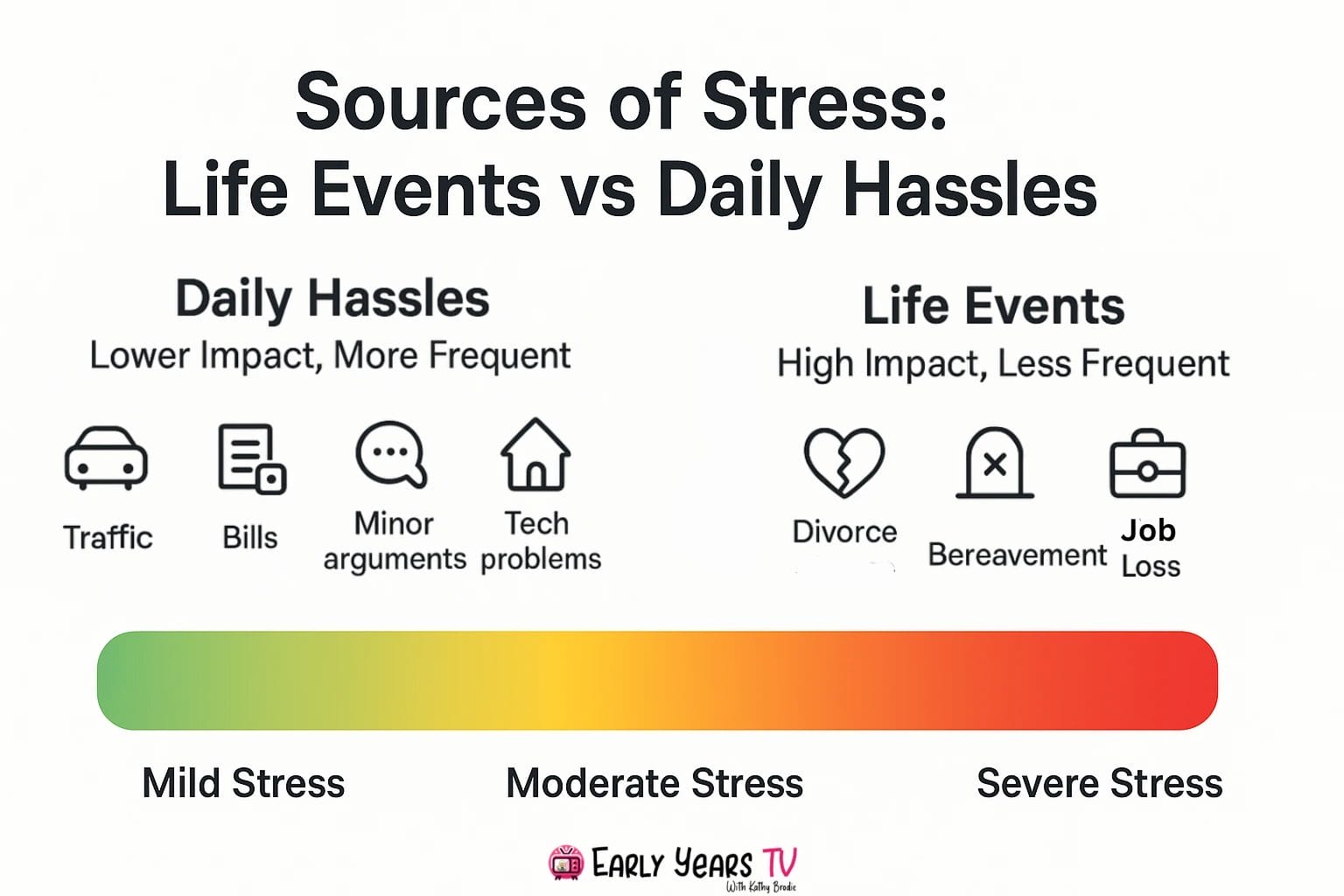
It is essential to distinguish between chronic stressors (e.g., long-term caregiving, debt) and acute stressors (e.g., job loss, bereavement). Different interventions are optimized for different types of stress. For example, a financial advisor might be more effective for debt-related stress than a psychotherapist, whereas bereavement requires grief-focused emotional support.
2. Assessing Time and Financial Resources
Most evidence-based programs require a consistent time commitment—often weekly sessions over the course of 8 to 12 weeks. Additionally, verifying the cost structure is critical. In many jurisdictions, therapy sessions are covered by health insurance, whereas wellness coaching and specialized retreats are frequently out-of-pocket expenses.
3. Setting Measurable Goals
"Reducing stress" is a vague objective. A more effective approach involves setting SMART goals—Specific, Measurable, Achievable, Relevant, and Time-bound. For example: "Reduce the number of hours spent ruminating on work tasks in the evening by 50% within four weeks."
The Mechanism of Action: How Intervention Works
The effectiveness of attending to life stress through structured programs relies on the principle of neuroplasticity—the brain’s ability to reorganize itself by forming new neural connections.
When an individual engages in repetitive stress-management exercises, they are essentially training the brain to respond differently to stimuli. If one regularly practices mindfulness meditation, for instance, neuroimaging studies show structural changes in the amygdala, the brain's "threat center." Over time, this results in a decreased reactivity to stressors that would have previously triggered a high-stress response.
However, the efficacy of these methods is strictly dependent on adherence. One-off workshops or sporadic attempts at regulation are rarely sufficient to override the biological momentum of chronic stress. This is why many professionals emphasize the "practice" aspect of stress management; it is a skill that must be maintained much like physical fitness.
Common Obstacles and Troubleshooting
Even with a well-defined plan, individuals often encounter barriers to success. Recognizing these early can prevent the abandonment of the program.
The "All-or-Nothing" Trap
Many individuals start with high intensity, committing to an hour of meditation or daily exercise, only to quit when their schedule becomes disrupted. The most effective approach is "habit stacking"—integrating small, manageable interventions into existing routines. For example, practicing deep breathing while waiting for a kettle to boil or during a commute.
Environmental Reinforcement
If the environment (work or home) is inherently toxic, internal regulation techniques will have limited utility. Attending to life stress sometimes requires the difficult step of environmental modification, such as boundary setting in the workplace, re-negotiating domestic responsibilities, or removing oneself from high-conflict social circles.
Delayed Feedback Loops
One of the most frustrating aspects of stress management is the delayed reward. Unlike a pill that provides immediate, albeit temporary, relief, behavioral changes take time to manifest as a reduction in perceived stress. Maintaining a journal or using a mobile app to track mood and physical symptoms can provide objective evidence of progress, which serves as motivation during the initial, less-rewarding phases.
Clinical Limitations and Professional Advice
It is important to note that while stress management techniques are highly effective for general, non-clinical stress, they are not substitutes for medical or psychiatric treatment. If an individual experiences symptoms that interfere with their ability to perform daily tasks, such as persistent insomnia, inability to concentrate, or suicidal ideation, professional medical evaluation is required.
Furthermore, jurisdictional laws vary regarding the credentialing of "stress coaches" versus licensed mental health professionals. In many regions, the term "therapist" or "counselor" is protected by law, requiring specific degrees and licenses, while "coach" may not be. Always verify the credentials of any provider to ensure they are qualified to handle the specific nature of your stress.
Frequently Asked Questions
Is stress management the same as counseling?
No, while they share overlapping techniques, counseling is generally focused on processing past events and psychological trauma, whereas stress management is focused on providing functional tools for present-day regulation and future resilience.
Can I manage life stress without professional help?
Yes. Many effective tools, including exercise, sleep hygiene, and social support systems, are available without formal intervention. However, professional guidance is often recommended if self-led strategies have failed to produce results after a period of consistent application.
How do I know if my stress is becoming dangerous?
Chronic stress becomes dangerous when it leads to physical symptoms such as persistent elevated heart rate, digestive issues, or when it causes impairment in relationships, work, or self-care. At this stage, it is categorized as a health risk rather than a lifestyle challenge.
Does technology help in attending to stress?
Technology can be a double-edged sword. While apps for meditation, sleep tracking, and biofeedback provide valuable data and structure, the constant connectivity inherent in digital devices is also a primary source of modern stress. Use technology as a tool for regulation rather than a source of information consumption.
Taking the Next Action
The process of attending to life stress begins with a formal audit of your current stressors and your responses to them. Start by documenting your stressors for one week, noting the time of day, the intensity, and your physical reaction. Once you have this data, identify one area where you have control and apply a single, low-friction intervention, such as a five-minute daily breathing exercise. If you do not see a reduction in the perceived intensity of your stress after three weeks, seek a consultation with a primary care provider or a licensed mental health professional to rule out underlying medical or psychological conditions.