Professional attic mold remediation in Carnation, WA, involves a systematic process of identifying moisture sources, containing fungal spores, and physically removing growth from structural timbers. In the humid Snoqualmie Valley climate, effective remediation requires high-efficiency particulate air (HEPA) filtration, antimicrobial treatments, and significant ventilation improvements to prevent recurrence and protect the home's structural integrity.
The Unique Mold Challenges of Carnation, Washington
Carnation, situated in the heart of the Snoqualmie Valley, presents a specific set of environmental challenges for homeowners. As of 2026, the region continues to experience high annual precipitation and significant seasonal humidity, which are primary catalysts for mold growth. The valley's geography often traps low-lying fog and moisture, leading to higher-than-average ambient humidity levels compared to higher-elevation areas in King County.
In the attic, this moisture manifests through several channels. Because the attic is often the most neglected part of the home, mold can proliferate undetected for years. In Carnation, the temperature fluctuations between cool, damp nights and relatively warm days create a "dew point" effect on the underside of roof sheathing. When warm, moist air from the living space rises and hits the cold roof deck, it condenses into liquid water—providing the perfect substrate for mold species like Cladosporium and Aspergillus.
Furthermore, many older homes near the Tolt and Snoqualmie rivers were constructed before modern building codes mandated specific ventilation ratios. This lack of airflow, combined with the high local water table, creates a microclimate where attic mold is not just a possibility, but an inevitability if preventative measures are not strictly followed.
Identifying Attic Mold in the Pacific Northwest
Homeowners in Carnation should be vigilant about several key indicators of attic mold. Detecting the problem early can mean the difference between a minor localized cleaning and a full-scale structural remediation project.
Visual Cues and Discoloration
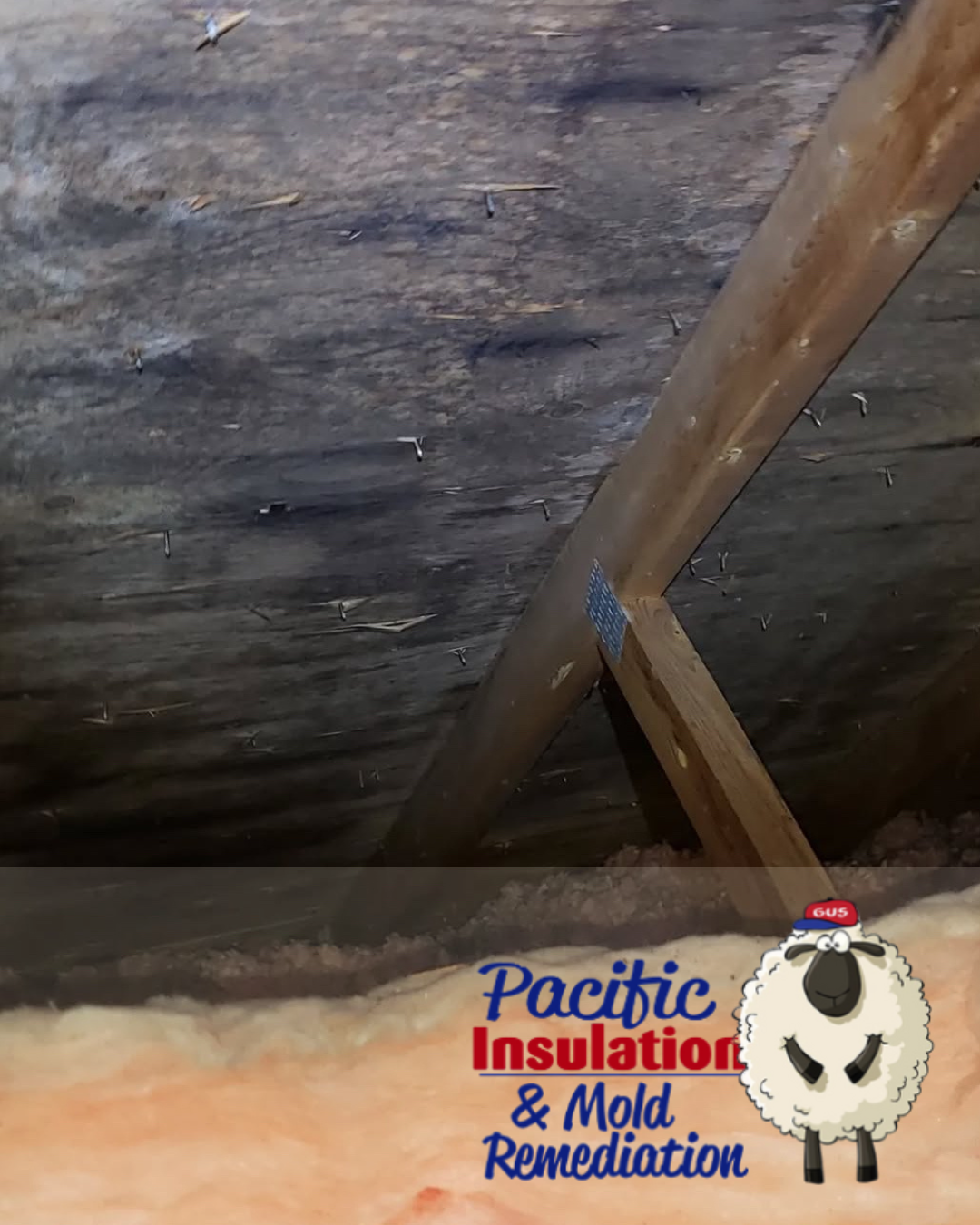
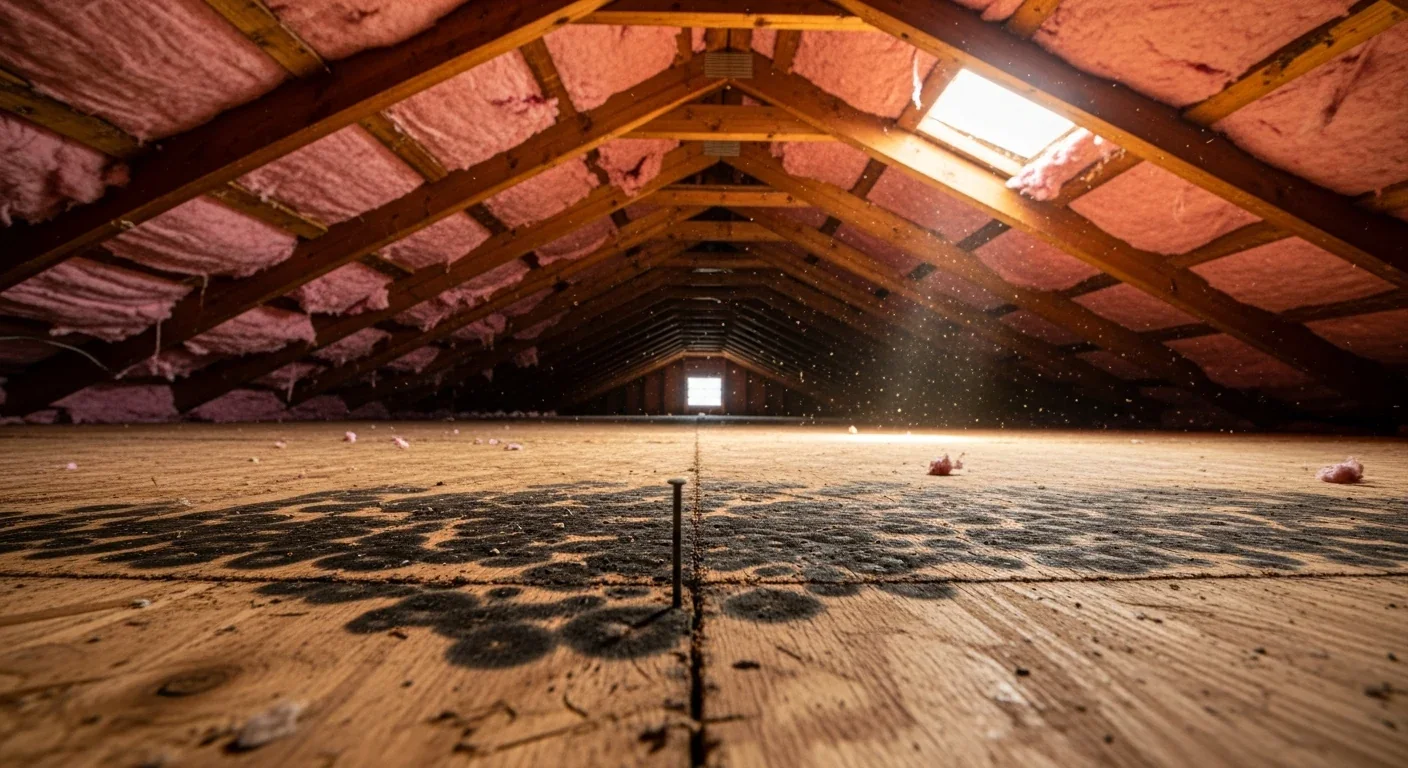
Mold does not always look like the "black mold" (Stachybotrys chartarum) often sensationalized in media. In Carnation attics, it often appears as white, powdery spots, gray "fuzz," or orange/brown streaks on plywood or OSB sheathing. If you notice dark staining on the rafters or roof deck—particularly around nails—this is often a sign of moisture oxidation and fungal colonization.
Olfactory Indicators
A "musty" or "earthy" smell in the upper levels of the home is a classic sign of mold. This odor is caused by microbial volatile organic compounds (mVOCs) released by mold as it grows and consumes organic material. In the stagnant air of a poorly ventilated attic, these odors can become concentrated and eventually seep into the living quarters through light fixtures, attic hatches, and wall cavities.
Physical Damage to Insulation
Mold often migrates from the wood surfaces down into the insulation. Fiberglass batts may show dark spots or a flattened, "crusty" texture. Cellulose insulation, being organic (paper-based), can actually serve as a food source for mold if it becomes damp. If your insulation appears matted or has lost its loft, it is likely compromised by moisture and may be harboring significant spore counts.
The Professional Remediation Process: A Step-by-Step Breakdown
In 2026, the standard for professional remediation in Washington State follows the IICRC S520 Standard for Professional Mold Remediation. This is a science-based approach that prioritizes occupant safety and the total removal of mold, rather than just "killing" it with bleach.
1. Assessment and Moisture Mapping
Before any cleaning begins, technicians must identify why the mold is there. Using infrared thermography and moisture meters, professionals map the "wet" areas of the attic. This might reveal a subtle roof leak, a disconnected bathroom exhaust fan, or insufficient soffit venting. Remediation without fixing the moisture source is a temporary fix at best.
2. Containment and Negative Air Pressure
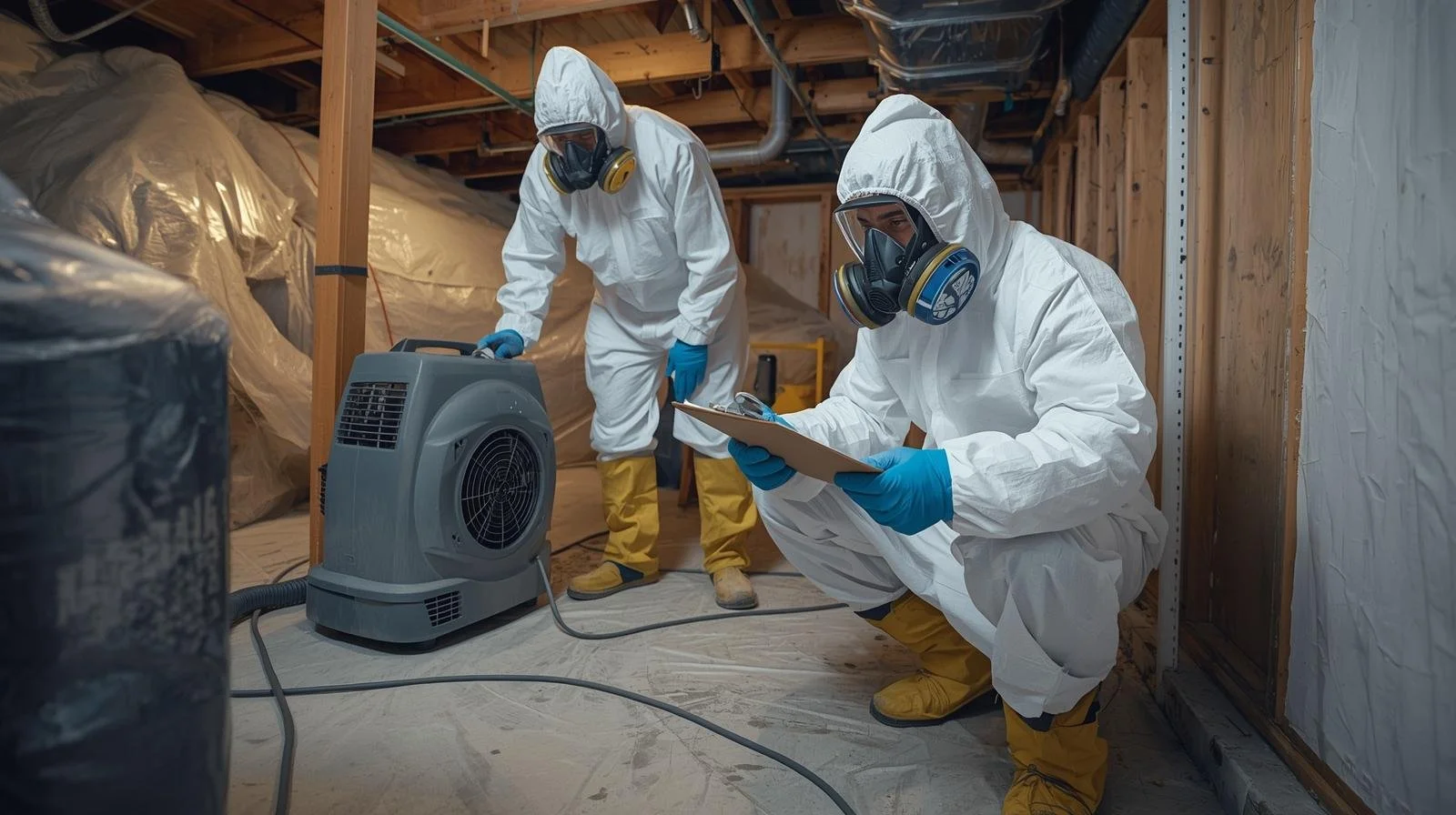
To prevent cross-contamination, the attic is sealed off from the rest of the home using 6-mil polyethylene sheeting. High-capacity HEPA air scrubbers are used to create negative air pressure. This ensures that any spores disturbed during the cleaning process are pulled into a filtration system rather than drifting down into bedrooms or kitchens.
3. Physical Removal of Mold
Mold is a living organism with "roots" (hyphae) that grow into the pores of the wood. Simply spraying a chemical on the surface does not remove the biomass. Professionals use several methods:
- HEPA Vacuuming: To remove loose spores and debris.
- Abrasive Cleaning: This may involve wire brushing, sanding, or advanced techniques like soda blasting or dry ice blasting. Dry ice blasting is particularly effective in Carnation attics because it sublimates on contact, leaving no secondary waste and lifting the mold out of the wood grain.
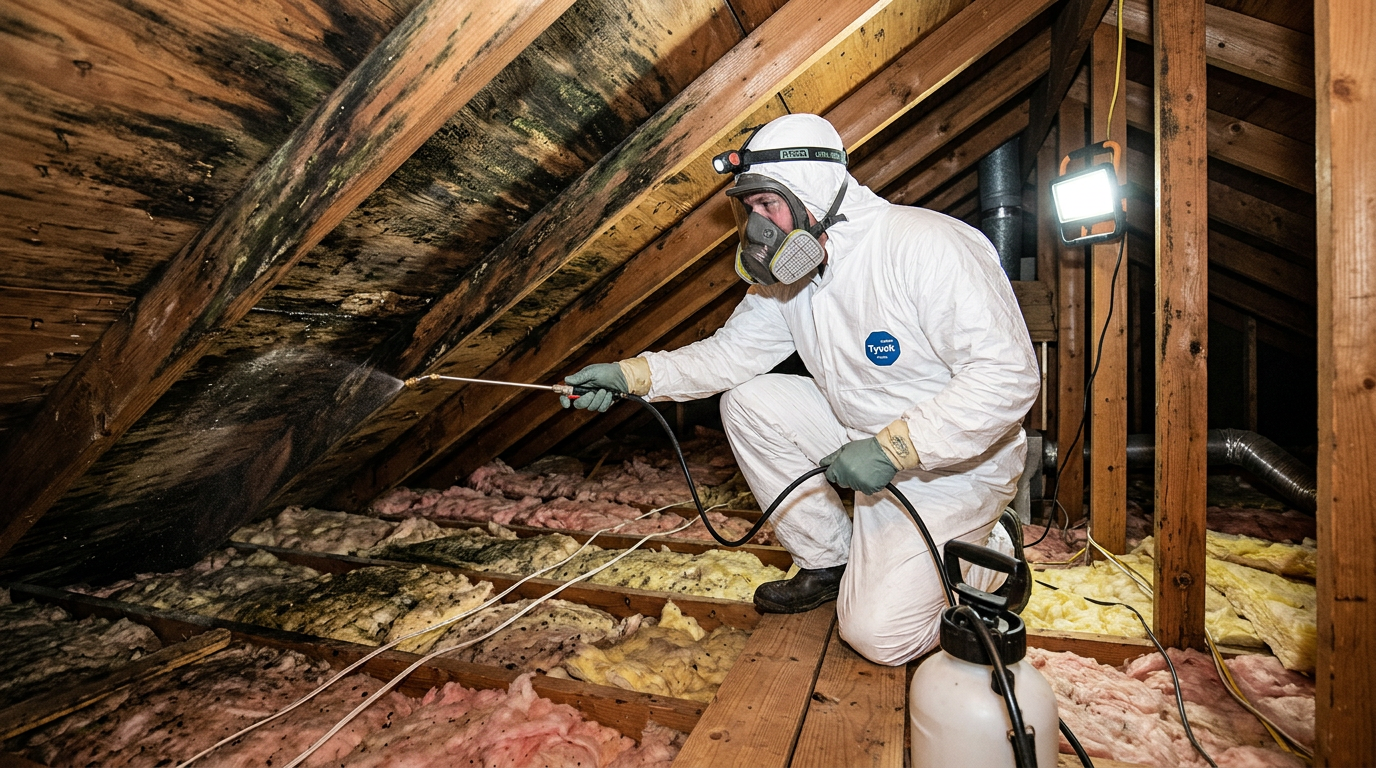
- Antimicrobial Application: Once the wood is physically clean, an EPA-registered antimicrobial solution is applied to eliminate any remaining microscopic fragments.
4. Encapsulation (Optional)
In some cases, an antifungal coating or "sealant" is applied to the cleaned wood. These coatings often contain silver ions or other fungicides that prevent new spores from taking root, even if moisture levels temporarily rise.
5. Final HEPA Cleaning and Testing
The entire work area is vacuumed one last time. Often, a third-party industrial hygienist is brought in to perform "clearance testing," which compares the indoor spore count to the outdoor air to ensure the attic is safe.
Comparing Remediation Methods in 2026
When choosing a remediation strategy for a Carnation home, it is important to understand the trade-offs between different technical approaches.
| Method | Effectiveness | Cost | Pros | Cons |
|---|---|---|---|---|
| Chemical Treatment Only | Low | $ | Quick application; low labor. | Does not remove biomass; spores remain allergenic; high recurrence risk. |
| Wire Brushing/Sanding | Moderate | $$ | Effective for small areas; low equipment cost. | Extremely labor-intensive; difficult to reach tight corners and eaves. |
| Media Blasting (Soda/Dry Ice) | High | $$$ | Deepest clean; reaches into wood pores; fast execution. | Higher equipment costs; requires specialized technicians. |
| Encapsulation (Post-Cleaning) | N/A | $+ | Provides a "safety net" against future moisture spikes. | Can mask underlying issues if not applied to a truly clean surface. |
The Critical Role of Attic Ventilation in the Snoqualmie Valley
Remediation in Carnation is incomplete without addressing ventilation. The goal is to keep the attic temperature as close to the outdoor temperature as possible. This prevents the condensation cycle that feeds mold growth.
Intake vs. Exhaust
A balanced ventilation system requires an equal amount of intake (usually at the soffits or eaves) and exhaust (at the ridge or through gable vents). In many Carnation homes, "wind-wash" or blocked soffit vents are the primary cause of mold. If insulation is pushed all the way to the edge of the roof, it blocks the flow of fresh air. Installing attic baffles (or "moore vents") is a standard part of a 2026 remediation project to ensure that intake air can travel freely from the soffit to the ridge.
Bathroom Fan Redirection
A common error found in local homes is bathroom exhaust fans venting directly into the attic space rather than through the roof. A single shower can release several pints of moisture into the air. If that air is dumped into the attic, it will almost certainly cause mold on the sheathing directly above the fan outlet. Professional remediators will ensure all fans are hard-ducted through the roof with proper flashing and dampers.
Cost Considerations for Carnation Homeowners
As of 2026, the cost of attic mold remediation in the Carnation area can vary significantly based on the square footage and the severity of the infestation. On average, homeowners can expect to pay between $2,500 and $7,000 for a standard residential attic.
Factors that influence the price include:
- Accessibility: Low-pitch roofs or cramped "crawl-space" style attics require more labor and specialized equipment.
- Insulation Removal: If the mold has contaminated the insulation, it must be removed (using high-powered vacuums), disposed of as biohazardous waste, and replaced after remediation. This can add $1,500 to $3,000 to the total.
- Structural Repairs: If the mold has caused rot in the rafters or sheathing, a carpenter may be needed to replace structural members, which is separate from the remediation cost.
DIY vs. Professional Remediation: Knowing the Risks
While it may be tempting to address a small patch of mold with a spray bottle of vinegar or bleach, attic mold in the Pacific Northwest is rarely a DIY job.
- Safety Hazards: Attics are dangerous environments. Heat exhaustion, falls through the ceiling, and exposure to concentrated mold spores and hantavirus (from rodent droppings often found in attics) pose significant health risks.
- Incomplete Removal: Homeowners often clean what they can see but miss the spores hidden in the insulation or behind rafters. Mold is a "tip of the iceberg" problem.
- Liability and Home Sales: When selling a home in Washington State, mold history must be disclosed. A professional "Certificate of Completion" from a certified remediation firm carries significant weight with home inspectors and buyers, whereas a DIY attempt may lead to failed inspections and lowered property value.
The Environmental Protection Agency (EPA) generally recommends professional help for any mold growth covering more than 10 square feet (roughly a 3-foot by 3-foot patch). Given the complexity of attic systems, professional intervention is usually the most cost-effective long-term solution.
FAQs About Attic Mold in Carnation, WA
Will my homeowners' insurance cover attic mold remediation?
In most cases, insurance coverage depends on the source of the moisture. If the mold is the result of a "sudden and accidental" event, such as a pipe burst or a storm ripping off shingles, it may be covered. However, mold resulting from "long-term seepage," high humidity, or poor ventilation is typically considered a maintenance issue and is excluded from standard policies. Always review your specific policy riders for mold or fungi.
How long does the remediation process take?
For a typical Carnation home, the actual cleaning and treatment usually take 2 to 4 days. This includes the setup of containment, the cleaning process, and the "dry time" required for any antimicrobials or sealants. If insulation replacement is required, add another day to the timeline.
Is it safe to stay in the house during attic remediation?
Yes, provided that the remediation company uses proper containment and negative air pressure. Because the work is performed in a sealed environment with HEPA filtration, the living spaces should remain unaffected. However, people with extreme sensitivities, asthma, or compromised immune systems may choose to leave the home during the "blasting" phase when spore counts in the attic are at their highest.
Can mold return after professional remediation?
Mold can return if the underlying moisture problem is not solved. Professional remediation removes the existing mold and treats the surfaces, but it does not "waterproof" a home. Maintaining a relative humidity (RH) below 50% in the home and ensuring the attic is properly ventilated are the only ways to guarantee mold will not return.
What is the best time of year to perform remediation in Carnation?
While remediation can be done year-round, the dry summer months (July through September) are often ideal. This is because the ambient humidity is lower, which helps the attic dry out faster after the cleaning process. However, if you discover a leak or significant growth in the winter, do not wait; mold grows quickly in the PNW winter, and delays will only increase the cost and scope of the project.
Next Steps for Homeowners
If you suspect your Carnation home has an attic mold issue, the first step is a professional inspection. Look for a firm that employs IICRC-certified technicians (Institute of Inspection, Cleaning and Restoration Certification). Avoid companies that offer "free inspections" but do not use moisture-detection tools, as these are often just sales calls.
Once an inspection is complete, you should receive a written "Scope of Work" detailing exactly how the mold will be removed and, more importantly, how the moisture issue will be corrected. Taking decisive action in 2026 will preserve your home’s value and ensure a healthy living environment for years to come.
For more information on mold standards and health, visit the EPA Guide to Mold and Moisture or the Washington State Department of Health.