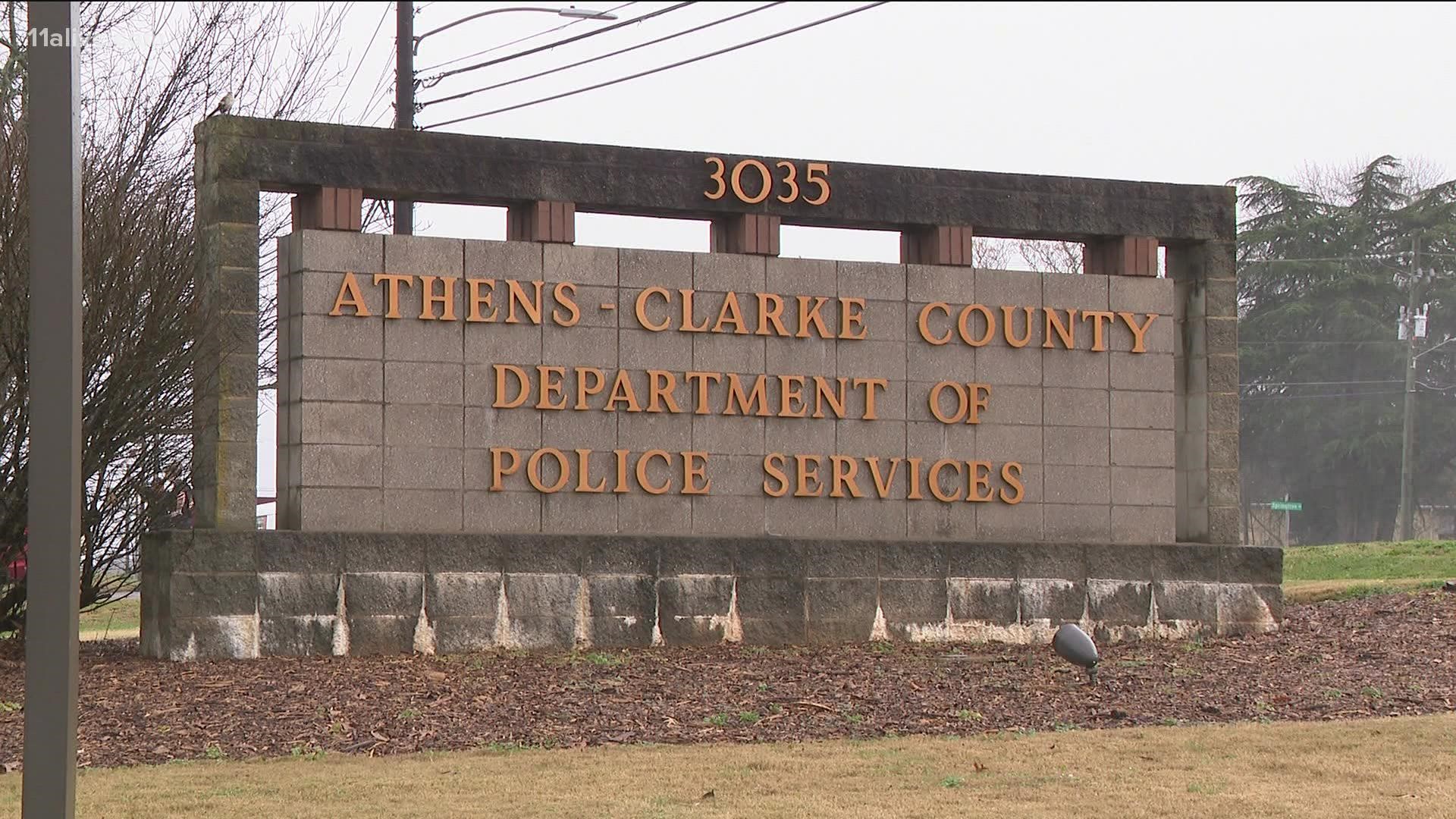
Securing an Athens-Clarke County police report requires navigating specific jurisdictional protocols established by the Athens-Clarke County Police Department (ACCPD). Individuals seeking a copy of an incident or accident report must provide valid identification, specific case details, and follow standardized request procedures through the department’s Records Unit or via designated digital portals to ensure compliance with Georgia’s Open Records Act.
Understanding the Athens-Clarke County Police Report System
The Athens-Clarke County Police Department serves a diverse, growing community, and with that comes the operational necessity of maintaining meticulous records. Every incident, traffic collision, or criminal complaint documented by an officer results in an official police report. These documents are more than mere administrative paperwork; they are primary source records used by insurance companies, legal professionals, and private citizens to document events for insurance claims, court proceedings, or personal verification.
In the state of Georgia, public access to government records is governed by the Open Records Act (O.C.G.A. § 50-18-70). While most police reports are considered public records, there are significant exceptions. Information involving ongoing investigations, juvenile records, or sensitive private data may be redacted or withheld entirely to protect the integrity of criminal justice proceedings and the privacy of victims. Understanding this balance is the first step in successfully obtaining the documentation you need.
Prerequisites for Requesting a Report
Before submitting a request, you must ensure you have the necessary information to help the Records Unit locate the correct file. The department manages a high volume of reports daily, and vague requests often result in delays or rejections.
To streamline the process, prepare the following information:
- Case Number: This is the most efficient way to identify your report. If you do not have the case number, you will need to provide the date of the incident, the specific location, and the names of the parties involved.
- Identification: If you are visiting in person, you must present a valid government-issued photo ID (such as a driver’s license or passport).
- Proof of Involvement: While incident reports are generally public, certain accident reports may require you to demonstrate that you are an interested party (e.g., a driver, passenger, or vehicle owner) to access specific non-redacted information.
- Fees: Be prepared for potential administrative costs. While electronic copies are sometimes provided at little to no cost, physical copies or records requiring extensive search time may incur fees as permitted under Georgia law.
Methods of Requesting a Report
The ACCPD provides multiple channels for citizens to request reports. Each method has its own timeline and procedural nuances.
In-Person Requests
The most direct way to request a report is by visiting the Athens-Clarke County Police Department headquarters. This allows you to interact directly with records clerks who can verify your identity and, in some cases, provide immediate assistance if the report is finalized and readily available.
When arriving, ensure you have your request organized and have verified the current operational hours of the Records Unit. Note that the Records Unit may operate on a different schedule than the emergency dispatch or patrol divisions. Arriving early in the business day is generally recommended to avoid potential queues.
Online and Digital Requests
The ACCPD leverages digital infrastructure to facilitate requests. Through the official Athens-Clarke County government website, users can often find links to third-party portals or internal request forms. These systems allow you to submit a formal request for an Open Record without leaving your home. When using digital portals, ensure you are on a verified .gov domain to prevent your personal data from being intercepted by unofficial third-party services.
Mail-In Requests
For those unable to visit in person or utilize digital portals, mailing a formal request is a viable option. This method requires a written letter addressed to the Records Unit, including the pertinent details mentioned in the prerequisites section, a self-addressed stamped envelope, and any required processing fees via check or money order. While this is the slowest method, it creates a clear paper trail for your records request.
Handling Redactions and Confidentiality
It is common for citizens to receive a police report that contains blacked-out sections. These are known as redactions. Understanding why redactions occur can prevent unnecessary frustration.
The ACCPD is legally obligated to protect certain classes of information, including:
- Personal Identifying Information (PII): Social Security numbers, home addresses of certain protected individuals, and sensitive medical history.
- Active Investigation Data: Details that, if released, would compromise the ability of the police to apprehend a suspect or successfully prosecute a case.
- Victim Information: In cases involving sexual assault or domestic violence, victim identities are often protected by law to prevent secondary trauma and ensure their safety.
- Juvenile Records: Records involving minors are strictly regulated and typically closed to the general public to protect the minor’s future.
If you believe a report has been improperly redacted, you may be able to appeal that decision through the Athens-Clarke County legal department. However, requests for non-redacted records in open cases are almost universally denied to uphold state law.
Common Obstacles and Troubleshooting
Even with the correct information, users occasionally encounter roadblocks. Being aware of these common issues can help you troubleshoot your request effectively.
The "Report Not Found" Issue
If the department cannot find the report, it is rarely due to a loss of data. More often, it is a mismatch of information. Double-check the date of the incident; if the incident occurred late at night, it might be filed under the following calendar day. If you are unsure of the exact spelling of the names involved, try searching with variations or use only the case number if available.
Delayed Processing Times
Police reports are not instantaneous. After an officer files a report, it must undergo a supervisory review to ensure accuracy and procedural compliance. This can take anywhere from three to ten business days. If you are requesting a report for a recent incident, wait at least one full week before contacting the Records Unit to check the status.
Jurisdictional Confusion
Athens-Clarke County features a consolidated government. Ensure that the incident actually occurred within the jurisdiction of the Athens-Clarke County Police Department. If the event occurred on a major state highway or within a specific campus zone (like the University of Georgia), the report might be held by the Georgia State Patrol or the University of Georgia Police Department. Submitting a request to the wrong agency is the most common reason for a request being ignored or rejected.
Comparison of Request Methods
| Method | Speed | Convenience | Best For |
|---|---|---|---|
| In-Person | High | Low | Urgent needs and complex inquiries |
| Online Portal | Medium | High | Routine requests and simple records |
| Low | Low | Formal requests requiring documentation |
Frequently Asked Questions
Is there a fee to get a police report in Athens-Clarke County?
Yes, there may be a nominal fee. Under the Georgia Open Records Act, agencies are allowed to charge for the actual cost of duplication and, in some cases, a pro-rated fee for the time required by administrative staff to locate and retrieve the records. Always verify the current fee schedule with the Records Unit before sending payment.
Can I request a police report on someone else?
Generally, yes, as police reports are public records. However, you may only receive a redacted version of the document. If you are not a party involved in the incident, you are not entitled to personal identifying information of the victims or witnesses involved.
How long does the ACCPD keep police records?
The ACCPD adheres to the Georgia Secretary of State’s records retention schedules for local governments. Most incident reports are kept for a significant period, but the duration varies based on the nature of the crime—ranging from a few years for minor infractions to permanent retention for major felony investigations.
What should I do if my police report has inaccurate information?
If you discover a factual error in the report, such as a misspelling of a name or an incorrect address, contact the Records Unit immediately. They may guide you to the specific officer who authored the report or provide a supplemental form to attach to the official record to note the discrepancy.
Can I get an accident report online immediately?
While some jurisdictions use third-party platforms for near-instant access to motor vehicle accident reports, the availability of these platforms can change. Always check the official Athens-Clarke County website first to confirm whether they partner with a specific vendor for immediate downloads.
Are body-cam or dash-cam videos available with the report?
Video footage is considered a separate category of evidence. While you can request footage through the Open Records process, it is not automatically included with a written police report. These requests often require additional processing time and may be subject to specific legal restrictions regarding the privacy of those filmed.
Final Recommendations for Success
To ensure you successfully obtain your Athens-Clarke County police report, precision is your most valuable tool. Always maintain a record of your request, including the date of submission and the contact information of the clerk who processed your inquiry. If you are using the report for insurance purposes, coordinate with your claims adjuster to see if they require a certified copy—which may require an additional seal—or if an electronic copy will suffice.
If your request involves sensitive legal matters, it is highly recommended to consult with an attorney. A legal professional can navigate the nuances of the Georgia Open Records Act, assist in drafting a request that minimizes redactions, and ensure your rights are protected throughout the information-gathering process. By following these structured steps and maintaining professional communication with the Records Unit, you will have the best opportunity to secure the documentation you require.