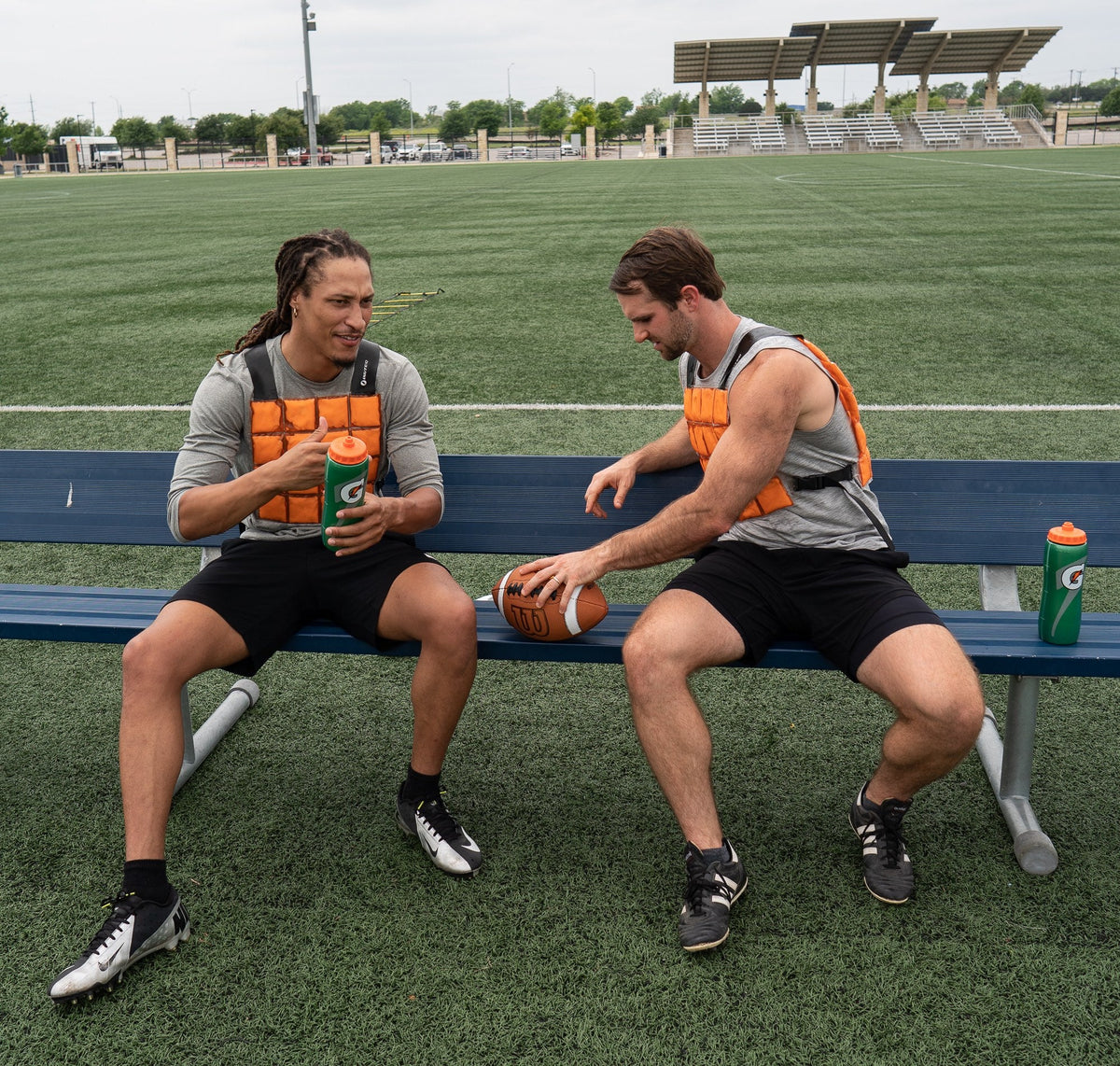
Athletes performance regeneration is the strategic application of physiological, nutritional, and psychological interventions designed to restore homeostasis and accelerate recovery after intense physical exertion. By balancing training stress with systematic regeneration, athletes can prevent overtraining, minimize injury risk, and maximize the physiological adaptations necessary for peak competitive performance.
In the high-stakes environment of 2026 athletics, the margin between victory and defeat often resides not in how hard an athlete trains, but in how effectively they recover. Regeneration is no longer viewed as "passive downtime" but as an active, data-driven phase of the training cycle. This guide explores the multifaceted pillars of performance regeneration, providing evidence-based strategies for elite and aspiring athletes.
The Physiology of Regeneration and Adaptation
To understand regeneration, one must first understand the General Adaptation Syndrome (GAS). When an athlete trains, they subject their body to a stressor that disrupts internal equilibrium. Performance regeneration is the process that allows the body to return to its baseline and, crucially, "supercompensate"—becoming stronger or faster than before the stressor was applied.
The Role of the Autonomic Nervous System (ANS)
Regeneration is heavily dictated by the balance between the sympathetic nervous system (fight or flight) and the parasympathetic nervous system (rest and digest). High-intensity training keeps the body in a sympathetic state. Effective regeneration protocols aim to "flip the switch" to the parasympathetic state as quickly as possible. In 2026, Heart Rate Variability (HRV) remains the gold standard for monitoring this balance. A high HRV indicates a robust parasympathetic response, signaling that the athlete is regenerating effectively, while a suppressed HRV suggests a need for reduced intensity.
Cellular Repair and Metabolic Clearance
During intense exercise, micro-tears occur in muscle fibers, and metabolic byproducts like hydrogen ions and inorganic phosphates accumulate. Regeneration involves the delivery of oxygen and nutrients to these tissues to facilitate repair via protein synthesis. Furthermore, the lymphatic system—which lacks a central pump—relies on movement and specific recovery modalities to clear metabolic waste from the interstitial fluid.
Sleep: The Foundation of Biological Regeneration
Sleep remains the most potent legal performance-enhancing "drug" available to athletes. In 2026, elite programs prioritize sleep hygiene with the same rigor as tactical drills. During deep sleep (Slow Wave Sleep), the body releases the vast majority of its daily Growth Hormone (GH), which is essential for tissue repair and bone growth.
Sleep Architecture and Cognitive Recovery
While physical repair happens in deep sleep, REM (Rapid Eye Movement) sleep is critical for cognitive regeneration. For athletes in skill-based sports (such as point guards or quarterbacks), REM sleep facilitates motor-skill consolidation—the process where the brain "hardwires" the movements learned during practice.
- Quantity: Current 2026 guidelines recommend 8–10 hours for high-load athletes.
- Quality: Utilizing cooling mattresses (maintaining a core temp of 60–67°F) and eliminating blue light 90 minutes before sleep are standard requirements.
- The "Nap" Strategy: A 20–30 minute "power nap" between 1:00 PM and 3:00 PM can offset a nocturnal sleep debt and provide a secondary pulse of growth hormone.
Nutritional Protocols for Accelerated Recovery
Regeneration is a fuel-dependent process. Without the necessary substrates, the body remains in a catabolic (breakdown) state regardless of how many massages an athlete receives.
The Glycogen Window and Protein Synthesis
The concept of the "anabolic window" has evolved. While the immediate 30-60 minutes post-exercise are vital for rapid glycogen replenishment, the window for protein synthesis remains elevated for up to 48 hours.
- Refuel (Carbohydrates): Athletes should aim for 1.0–1.2g of carbohydrates per kg of body weight immediately following exhaustive exercise to restore muscle glycogen.
- Repair (Protein): Consuming 20–40g of high-quality leucine-rich protein (like whey or soy isolate) triggers the mTOR pathway, the primary signal for muscle protein synthesis.
- Rehydrate (Electrolytes): Fluid replacement should equal 150% of the weight lost during exercise, including sodium to maintain osmotic pressure and prevent cellular dehydration.
Anti-Inflammatory Micronutrition
In 2026, there is a shift toward "periodized nutrition." While some inflammation is necessary for training adaptation, chronic inflammation hinders regeneration. Athletes utilize specific foods to modulate this:
- Tart Cherry Juice: Rich in anthocyanins, shown to reduce muscle soreness and oxidative stress.
- Omega-3 Fatty Acids: High doses (3–4g daily) help resolve systemic inflammation and support joint health.
- Curcumin: A potent natural anti-inflammatory that aids in reducing Delayed Onset Muscle Soreness (DOMS).
Physical Modalities and Recovery Technologies
The market for recovery technology has expanded significantly by 2026, offering tools that were once exclusive to professional training rooms to the general public.
Hydrotherapy: Cold and Heat
The use of water for recovery requires specific timing. Cold Water Immersion (CWI)—typically 10–15 minutes at 10–15°C—is highly effective for reducing perceived soreness and core temperature in hot environments. However, athletes focusing on hypertrophy (muscle growth) should avoid CWI immediately after strength training, as it can blunt the inflammatory signals required for muscle size gains.
Contrast Water Therapy (CWT), which alternates between hot and cold water, creates a "vasopumping" effect. This causes blood vessels to rapidly constrict and dilate, theoretically enhancing blood flow and waste removal more effectively than passive rest.
Pneumatic Compression and Percussive Therapy
Wearable compression boots use sequential pressure to mimic the body's natural "muscle pump." This assists in venous return and reduces edema (swelling) in the lower extremities. Similarly, percussive therapy (massage guns) provides localized myofascial release, increasing blood flow to specific trigger points and improving range of motion without the fatigue associated with active stretching.
Psychological Regeneration and Stress Management
High-performance athletics involves intense psychological pressure. If the brain is fatigued, the body cannot perform at its peak. Central Nervous System (CNS) fatigue is often the limiting factor in power and speed sports.
Cognitive Decoupling
Athletes must practice "cognitive decoupling"—the ability to mentally disconnect from their sport. Constant focus on film study, stats, and competition can lead to burnout. Strategies include:
- Mindfulness and Meditation: Reducing cortisol levels and improving focus.
- Social Connection: Spending time with non-athlete peers to maintain a balanced identity.
- Nature Exposure: "Forest bathing" or simply being outdoors has been shown to lower sympathetic drive and enhance recovery.
Monitoring Subjective Well-being
Even with advanced 2026 biometrics, an athlete's subjective feeling is a powerful indicator. Modern regeneration programs use daily wellness questionnaires to track:
- Perceived Muscle Soreness
- Stress Levels
- Mood State
- Appetite
If an athlete’s biometrics look "green" (ready) but their subjective mood is "red" (exhausted), coaches often adjust the load to prevent psychological overtraining.
Comparative Regeneration Protocols by Sport Type
Different athletic demands require tailored regeneration strategies. The following table compares standard 2026 protocols across three major disciplines.
| Feature | Endurance Athletes (e.g., Marathon) | Power/Strength Athletes (e.g., Weightlifting) | Field Sport Athletes (e.g., Soccer) |
|---|---|---|---|
| Primary Goal | Glycogen restoration & Mitochondrial repair | Neural recovery & Protein synthesis | Metabolic clearance & CNS "reset" |
| Key Nutrition | High Carb (8-10g/kg), Antioxidants | High Protein (2.2g/kg), Creatine | Balanced Macros, Hydration+ |
| Best Modality | Cold Water Immersion (CWI) | Active Recovery, Sauna/Heat | Contrast Therapy & Compression |
| Monitoring Focus | Resting Heart Rate (RHR) | Velocity Loss / Grip Strength | HRV & Subjective Fatigue |
| Sleep Priority | Maximum volume (9+ hours) | Quality/Deep Sleep focus | Nap optimization due to travel |
Common Pitfalls in Performance Regeneration
Despite the available technology, many athletes fail to regenerate effectively due to a few common errors:
- Over-reliance on "Passive" Tools: Using massage guns and ice baths cannot compensate for a lack of sleep or poor nutrition. These tools are the "cherry on top," not the foundation.
- Ignoring the Adaptation Blunting Effect: Using anti-inflammatories (like Ibuprofen) or ice baths too frequently during a "build" phase can actually prevent the body from getting stronger, as it stops the very stress signals that trigger growth.
- Inconsistent Routine: Regeneration must be as scheduled as the training itself. Sporadic recovery leads to inconsistent performance.
- Misinterpreting Data: Becoming overly anxious about a single "low" HRV score can cause psychological stress. Athletes should look at 7-day rolling averages rather than daily fluctuations.
Frequently Asked Questions
Is heat or cold better for muscle recovery?
It depends on the goal. Cold is superior for reducing acute pain, swelling, and core body temperature, making it ideal for multi-day tournaments or hot-weather performance. Heat is better for increasing tissue elasticity, promoting blood flow to stiff muscles, and general relaxation. In 2026, the trend is using cold for "recovery" and heat for "preparation" or chronic injury management.
Should I take supplements for regeneration?
Supplements should fill gaps, not replace food. However, evidenced-based regenerators in 2026 often include Creatine Monohydrate (for cellular energy), Magnesium Glycinate (for muscle relaxation and sleep), and Whey/Plant Protein. Always check for "Certified for Sport" labels to ensure third-party testing for contaminants.
How do I know if I am fully regenerated?
A combination of three factors indicates full regeneration:
- Subjective: You feel "bouncy," motivated to train, and have no significant localized soreness.
- Objective: Your HRV is back to your baseline, and your resting heart rate is stable.
- Performance: You can match or exceed your previous power outputs or split times in a standardized "check-in" set.
Does "active recovery" work better than total rest?
For most athletes, yes. Low-intensity movement (Zone 1) like a light walk or easy swim increases blood flow and lymphatic drainage without adding further stress to the CNS. This "flushes" the system more effectively than sitting on a couch. Total rest is reserved for periods of extreme systemic fatigue or illness.
Can technology replace a coach's intuition in 2026?
No. While 2026 wearables are incredibly accurate, they do not account for the nuance of an athlete's life (e.g., family stress, travel fatigue). The best regeneration programs combine high-tech data with honest communication between the athlete and their support staff.
Practical Recommendation for 2026 Athletes
To optimize your performance regeneration, begin by mastering the "Big Three": Sleep, Hydration, and Caloric Intake. Once these are consistent, implement a daily monitoring system using a wearable to track HRV.
On high-intensity days, prioritize a 20-minute post-session window for carbohydrate and protein intake, followed by a parasympathetic-breathing session (4-second inhale, 8-second exhale) to jumpstart the recovery process. Reserve cold immersion for periods of high competition frequency where immediate "readiness" outweighs long-term "adaptation." By treating regeneration as a professional discipline, you ensure that every drop of sweat in training translates into measurable performance gains.