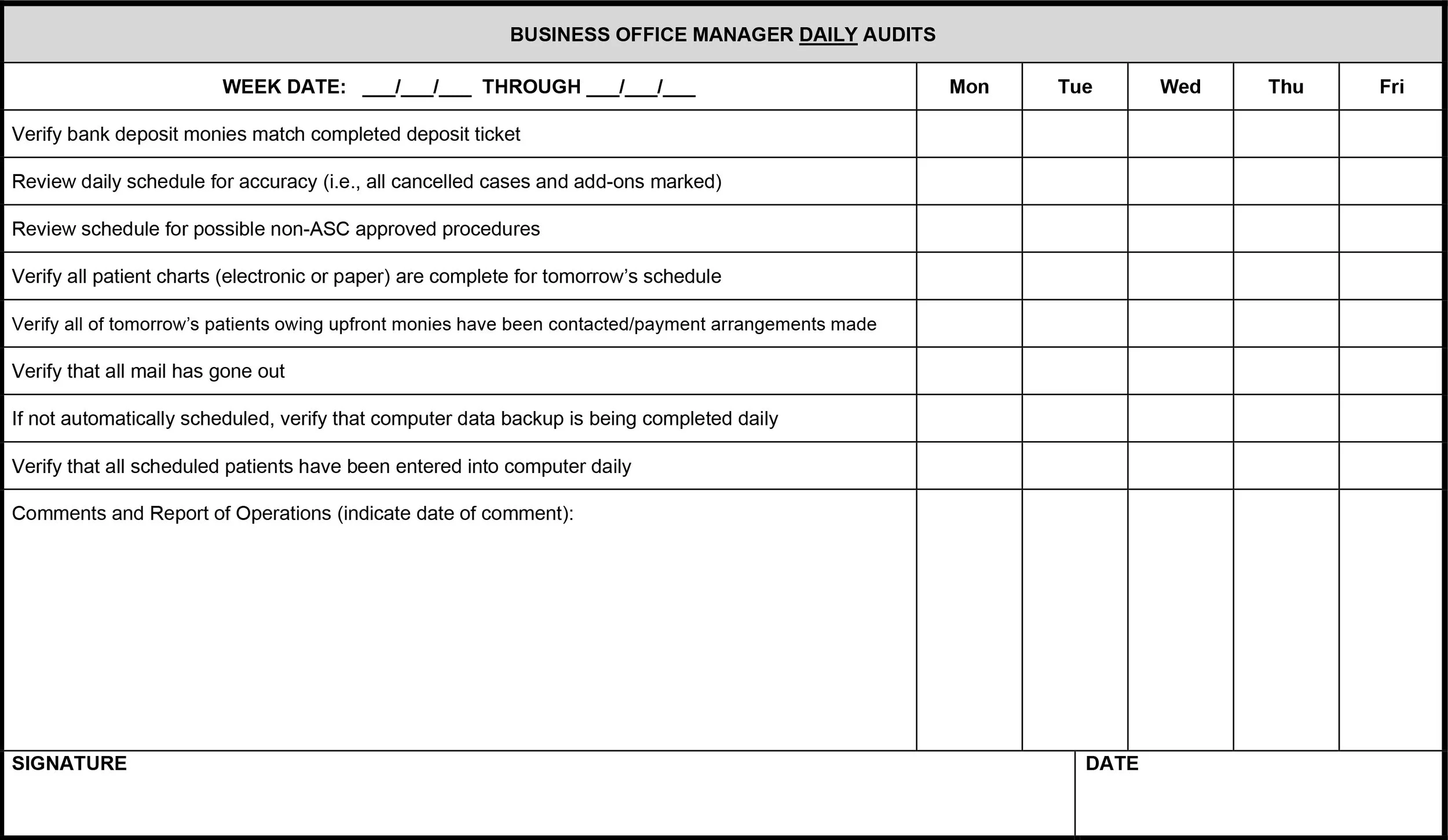
Ambulatory Surgery Center (ASC) revenue cycle management (RCM) is the end-to-end process of tracking patient care episodes from initial scheduling and insurance verification through final claims reconciliation and collections. For an ASC to remain financially viable in 2026, it must maintain a clean claims rate above 95% while minimizing days in accounts receivable (AR) through precise coding, proactive authorization management, and rigorous denial prevention strategies.
The Unique Financial Landscape of Ambulatory Surgery Centers
Unlike hospital-based outpatient departments, ASCs operate under distinct payment systems—most notably the Medicare ASC Payment System. Managing revenue for an ASC requires specialized knowledge of the difference between professional (physician) fees and facility fees. The "facility fee" covers the nursing staff, supplies, equipment, and the surgical suite itself.
Because ASCs often operate with thinner margins than large health systems, even minor inefficiencies in billing can lead to cash flow crises. The complexity is compounded by the high-volume, high-turnover nature of surgical centers. When a patient is scheduled for a procedure, the financial responsibility must be established before the patient enters the operating room. Failure to do so leads to "bad debt" that is notoriously difficult to recover in the ambulatory setting.
Core Phases of the ASC Revenue Cycle
1. Patient Access and Pre-Registration
The revenue cycle begins the moment a procedure is scheduled. In an ASC, this phase is high-stakes. Front-desk staff must conduct thorough insurance verification. This includes not only confirming active coverage but also determining the patient's deductible, coinsurance, and whether the ASC is an "in-network" or "out-of-network" provider for the specific payer.
Pre-authorization is the most significant bottleneck in this stage. Many surgical procedures require prior authorization to guarantee payment. In 2026, many payers utilize automated electronic portals for these requests. Missing a deadline for a clinical submission can lead to a surgical case cancellation or, worse, an uncompensated procedure.
2. Coding and Clinical Documentation
ASC coding is distinct from standard office-visit coding. It utilizes CPT (Current Procedural Terminology) codes for the procedures performed and, where applicable, ICD-10 codes for medical necessity. Because ASCs are paid a bundled rate for the facility component, "unbundling"—the act of coding individual components of a procedure separately to increase reimbursement—is a major compliance risk that can trigger audits by the Office of Inspector General (OIG) or private payers.
3. Claims Submission and Clearinghouse Integration
Once the procedure is complete and the chart is coded, the claim must be transmitted. Most ASCs utilize a clearinghouse to scrub claims before they reach the payer. A "clean claim" is one that passes all front-end edits, including matching patient demographics, valid provider identifiers, and correct procedure/diagnosis pairings.
4. Denial Management and Appeals
Denials are an inevitable part of the cycle. Effective RCM teams categorize denials to identify trends. Common reasons include:
- Medical Necessity: The payer determines the procedure was not indicated based on clinical documentation.
- Eligibility Errors: Coverage had lapsed, or a different primary payer existed.
- Coding Discrepancies: The submitted codes do not align with the payer's specific reimbursement policies.
An appeal must be filed with supporting documentation within the specific window provided by the contract or regulation. In 2026, the industry is increasingly moving toward artificial intelligence (AI) tools that identify these patterns automatically, allowing staff to focus on high-value appeal letters rather than manual data entry.
Strategic Comparison of RCM Models
ASCs must choose between managing their revenue cycle in-house or outsourcing to a third-party medical billing company.
| Feature | In-House RCM | Outsourced RCM |
|---|---|---|
| Control | Full control over processes and staff | Dependent on vendor performance |
| Costs | Salary, benefits, software licensing | Typically a percentage of net collections |
| Scalability | Difficult to scale during volume spikes | Highly scalable |
| Expertise | Dependent on internal training | Access to specialized, multi-facility experts |
| Technology | Fixed costs for EHR integration | Access to vendor-proprietary tech suites |
Technology and Automation in 2026
The current standard for top-performing ASCs involves the integration of the Electronic Health Record (EHR) with an RCM-specific platform. Automation has reached a point where manual insurance verification is largely considered obsolete.
Advanced RCM platforms now offer:
- Real-time Eligibility Checks: Immediate validation of patient benefits at the point of scheduling.
- Automated Estimation Tools: Providing patients with accurate out-of-pocket estimates, which significantly improves the likelihood of collection at the time of service.
- Predictive Analytics: Forecasting cash flow based on historical payment patterns and payer behavior.
Common Challenges and Troubleshooting
Managing Out-of-Network (OON) Claims
The "No Surprises Act," which saw significant implementation updates leading into 2026, has fundamentally changed how ASCs handle OON charges. ASCs must ensure compliance with federal mandates regarding patient disclosures and the "independent dispute resolution" (IDR) process when payment from payers is insufficient. Failure to comply can result in heavy penalties and reputational damage.
The "DSO" Metric
Days Sales Outstanding (DSO) is the most critical metric for assessing the health of an ASC’s revenue cycle. It represents the average number of days it takes to collect payment after a service is provided.
- Low DSO (e.g., 20–30 days): Indicates a healthy, efficient cycle.
- High DSO (e.g., 60+ days): Signals underlying issues such as poor claims scrubbing, slow appeal processes, or staffing shortages.
If your DSO is trending upward, audit the time between the date of service and the date the claim is filed. Often, the delay is not with the payer but with the internal lag in clinical documentation.
Best Practices for Sustainable Revenue Cycle Management
To maintain a resilient financial operation, administrators should focus on these foundational habits:
- Standardize the Financial Clearance Process: Ensure that every patient interaction follows the same verification checklist. Do not allow exceptions for "regulars" or VIP patients.
- Regular Staff Training: Payer policies change frequently. Conduct monthly reviews of coding updates and payer-specific manual changes.
- Audit Regularly: Perform internal audits of coded charts. Ensure that the documentation supports every procedure billed.
- Prioritize Point-of-Service (POS) Collections: The best way to reduce bad debt is to collect patient portions (copays, deductibles) before the patient walks out the door.
- Leverage Data: Use your RCM dashboard to track "Denials by Payer" and "Denials by Reason." Focus your energy on fixing the root cause of the most frequent denials rather than simply re-submitting claims.
Frequently Asked Questions
What is the most common reason for an ASC claim denial? The most frequent cause is incorrect or missing patient insurance information, followed closely by lack of prior authorization. In many cases, these denials are preventable by verifying coverage thoroughly during the pre-registration phase.
How often should an ASC review its payer contracts? ASCs should conduct a contract review at least annually. With the shift in reimbursement models in 2026, it is vital to analyze whether current rates cover the rising costs of surgical supplies, implants, and labor.
What is the role of the front desk in the revenue cycle? The front desk is the "gatekeeper." Their ability to obtain accurate insurance information, collect copies of identification, and educate the patient on their financial responsibility is the primary factor in reducing downstream collection issues.
How does "medical necessity" impact reimbursement? Payers establish clinical criteria for every procedure. If the documentation provided by the surgeon does not explicitly show that the patient meets these criteria, the payer will deny the claim as "not medically necessary." It is the responsibility of the billing team to query physicians for clarification before the claim is submitted.
Can automation replace the need for an RCM billing team? No. While automation handles repetitive tasks like verification and status checks, human oversight is required for complex appeals, contract negotiations, and the interpretation of nuances in payer-provider relationships.
Next Actions for ASC Managers
If your facility is currently struggling with cash flow, begin by calculating your current DSO. If it exceeds 45 days, prioritize a "denial audit" to identify the top three reasons for rejected claims. Allocate resources to automate the verification process for those specific payers. For most centers, centralizing the pre-authorization workflow under a single, dedicated team—rather than splitting it across multiple departments—will yield immediate improvements in the time-to-payment cycle.