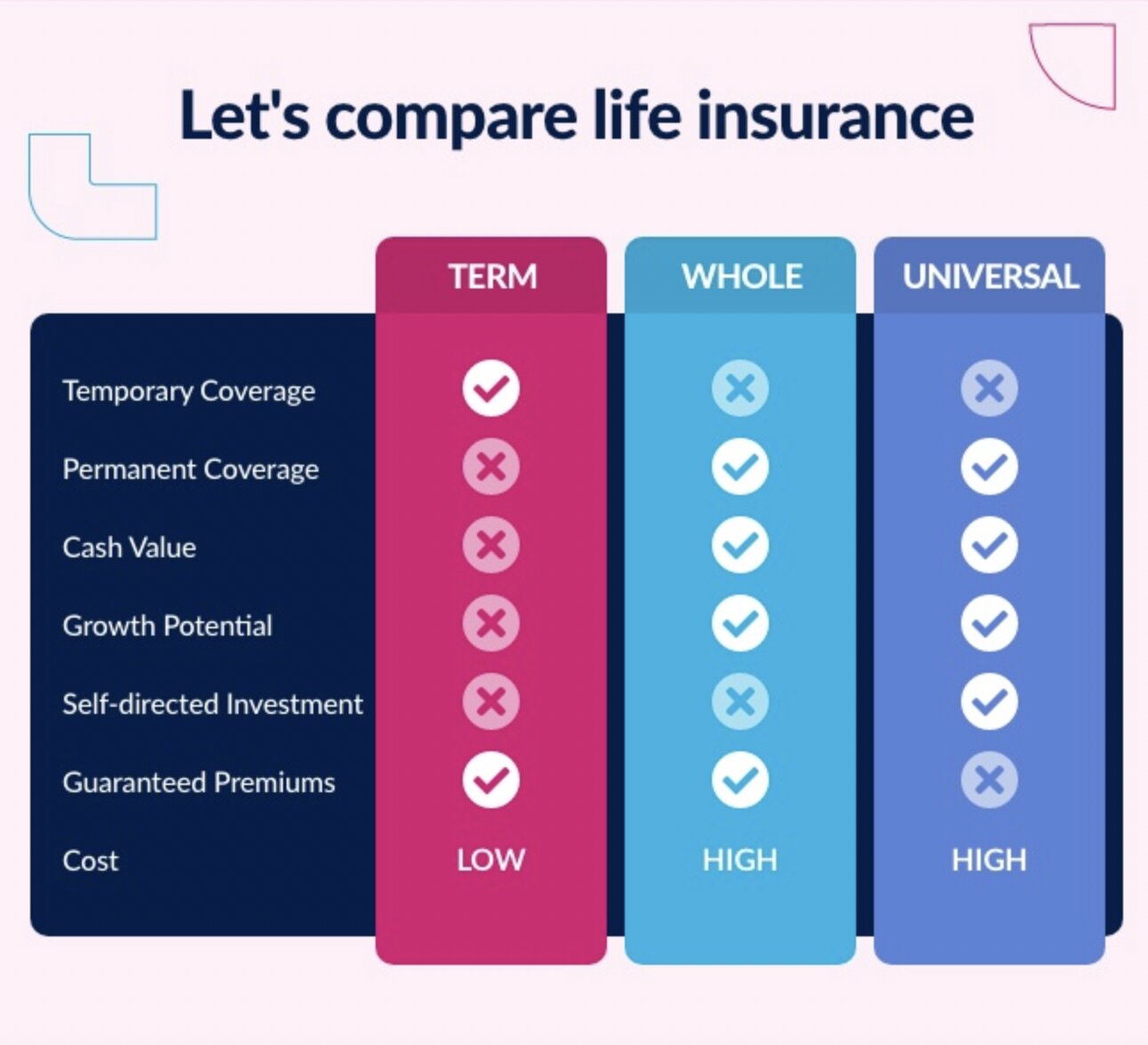
The life insurance programs offered through the American Society of Civil Engineers (ASCE) are primarily structured as group term life insurance policies. These plans are designed to provide affordable, temporary death benefit coverage to members rather than functioning as permanent, asset-building financial instruments. Consequently, they do not accumulate cash value, as they lack the savings or investment components found in whole or universal life policies.
The Nature of ASCE-Sponsored Group Term Life Insurance
To understand why ASCE life insurance policies do not accumulate cash value, one must first distinguish between the two primary categories of life insurance: term and permanent. The insurance plans typically endorsed or sponsored by professional associations like the ASCE are almost exclusively group term life insurance policies.
Group term life insurance is designed to provide high levels of coverage at competitive rates for a specified period—usually for as long as the policyholder maintains their membership or remains within the eligible age group. Because the premiums paid are utilized entirely to cover the cost of the insurance protection and the administrative expenses of the group plan, there is no surplus capital directed toward a savings account or investment sub-account.
When you pay a premium for a term policy, you are purchasing a promise from the insurer that a benefit will be paid to your designated beneficiaries should you pass away while the policy is active. Once the term expires or if you stop paying the premiums, the coverage ends, and there is no residual value or equity remaining. This simplicity is precisely why group term coverage is often the most cost-effective way to secure significant death benefit protection during your peak earning years.
Permanent Life Insurance vs. Group Term Plans
If your financial objective is to accumulate cash value, it is essential to understand the structural differences between the ASCE-sponsored group plans and permanent life insurance products like whole life or universal life.
Permanent life insurance policies, unlike term policies, include a "cash value" component. A portion of each premium payment is diverted into a cash value account within the policy. This account grows over time, often at a set interest rate or linked to market performance, depending on the type of permanent policy. This cash value acts as a form of "forced savings" that the policyholder can eventually access through policy loans or withdrawals, or use to pay future premiums.
Because the ASCE group programs are negotiated as bulk coverage for a large membership base, their objective is to keep premiums low and coverage limits high. Introducing a cash value component would require significantly higher premiums and complex regulatory oversight, which is not the goal of an association-sponsored group benefit program. Therefore, it is a structural certainty that these group policies remain pure risk-protection products without the asset-accumulation features of individual permanent life insurance.
Evaluating the Value Proposition of ASCE Policies
While the lack of cash value may seem like a drawback to some, it is important to evaluate the ASCE-sponsored policies based on their intended purpose. For most professional engineers, the primary financial priority during a career is to provide a safety net for dependents in the event of an untimely death.
Key Benefits of ASCE Group Coverage
- Cost-Effectiveness: Because group insurance spreads the risk across thousands of members, the premiums are often significantly lower than those for individual policies of the same face value.
- Underwriting Convenience: Many group plans offer simplified underwriting processes, making it easier for members with minor health concerns to secure coverage that might be difficult or expensive to obtain in the individual market.
- Portability and Integration: These plans are specifically tailored for professionals, often featuring riders or benefits that align with the life stages common to engineering careers, such as family growth and mortgage protection.
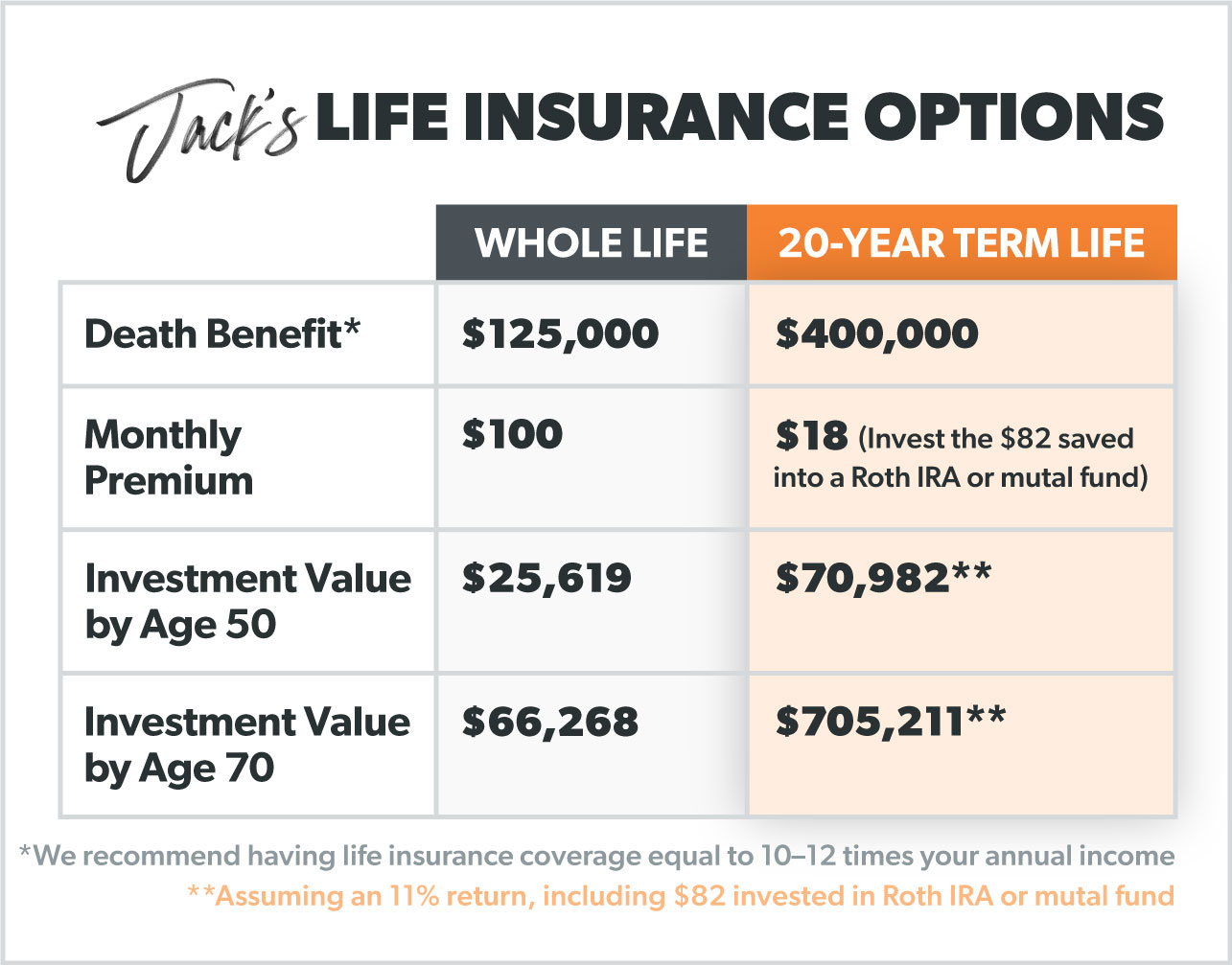
By opting for a low-cost, high-benefit term policy through the ASCE, a member can maximize their death benefit coverage. The capital "saved" by paying lower premiums compared to a whole life policy can be directed into independent investment vehicles, such as a 401(k), IRA, or brokerage account. In many instances, this "buy term and invest the difference" strategy yields superior long-term financial growth compared to the relatively low interest rates often credited to the cash value of traditional permanent insurance.
Financial Strategy: Integrating Insurance and Savings
If you are a member of the ASCE, you are not limited to a single approach. Many financial planners suggest a hybrid strategy. You might use the ASCE-sponsored term life insurance as your "base layer" of protection—ensuring that your family is financially secure if you pass away—while simultaneously funding your retirement accounts or a taxable investment portfolio for long-term growth.
This approach separates your insurance needs from your investment needs. By using an insurance policy solely for protection, you avoid the high fees and commissions that are often embedded within the cash value structures of permanent life insurance. Furthermore, should your financial situation change, you retain the flexibility to reallocate your savings without being restricted by the contractual terms of an insurance policy.
Assessing Your Specific Coverage Needs in 2026
As of 2026, the financial landscape continues to favor those who are disciplined in their savings. When reviewing your ASCE plan, consider the following steps to ensure your current protection is adequate:
- Audit Your Debt: Calculate your outstanding mortgage, student loans, and other liabilities. Your insurance coverage should ideally cover these costs if you are no longer there to provide income.
- Review Beneficiaries: Ensure your beneficiary designations are up to date. Life events such as marriage, divorce, or the birth of children necessitate regular reviews.
- Check Premium Scaling: Note how your premiums will change as you enter higher age brackets according to the ASCE group policy schedule. Term insurance premiums typically increase over time, and you should be prepared for these adjustments in your long-term budget.
- Analyze Retirement Contributions: Since the ASCE policy will not provide a cash cushion, confirm that your retirement savings are on track to meet your retirement income goals independently.
Comparison Table: Group Term vs. Permanent Life Insurance
| Feature | ASCE Group Term Insurance | Permanent (Whole/Universal) Life |
|---|---|---|
| Primary Goal | Pure death benefit protection | Protection plus asset accumulation |
| Cash Value | No | Yes |
| Premium Structure | Generally lower, can increase with age | Typically higher, often fixed |
| Flexibility | Designed for temporary coverage | Can be a permanent lifetime asset |
| Investment Component | None | Yes (Account growth) |
Frequently Asked Questions (FAQ)
1. Does the ASCE offer any permanent life insurance options? The insurance programs sponsored by the ASCE are almost exclusively structured as group term life insurance. These are designed for cost-efficient death benefit protection, not as investment products. You should consult the current plan documentation provided by the ASCE or their designated insurance administrator for the most recent offerings, but do not expect permanent, cash-value-generating policies in these groups.
2. Can I convert my ASCE group term policy to a permanent policy? Some group term policies include a "conversion privilege." This allows you to convert your group coverage to an individual permanent policy offered by the insurance carrier without providing medical evidence of insurability if you leave the group (e.g., if you stop being an ASCE member). However, the resulting policy is usually significantly more expensive than the original group term rates.
3. Why would someone prefer an ASCE group policy over a private policy? The main advantage is usually the group purchasing power. ASCE members may benefit from rates that are lower than those available to the general public, and the application process is often streamlined. This is particularly beneficial for those who prioritize maximum death benefit coverage at the lowest possible monthly cost.
4. What happens to my premiums as I get older? Group term life insurance premiums are generally "age-banded." This means your premiums will remain level for a set period, but will likely increase significantly as you transition into older age brackets (e.g., at age 50, 60, or 65). Always check the specific age-banded premium tables for your plan to understand your future costs.
5. Is the payout from an ASCE life insurance policy taxable? Generally, life insurance death benefits paid to beneficiaries are not subject to federal income tax. However, you should consult with a tax professional regarding your specific estate and tax situation, as state laws or large estate sizes can sometimes complicate the tax status of insurance proceeds.
Next Steps for Your Financial Planning
If you are currently enrolled in an ASCE-sponsored plan, perform an annual coverage audit. Determine if the current face value of your policy meets your current family obligations. If your needs have outgrown your current coverage, look into supplemental coverage, but do not look to your term policy as a source of cash value. Instead, focus on maximizing your contributions to tax-advantaged retirement accounts to build the wealth necessary for your future. If you require permanent insurance for estate planning or tax-shielding purposes, seek a licensed financial advisor who can help you secure an individual policy outside of the ASCE group structure.