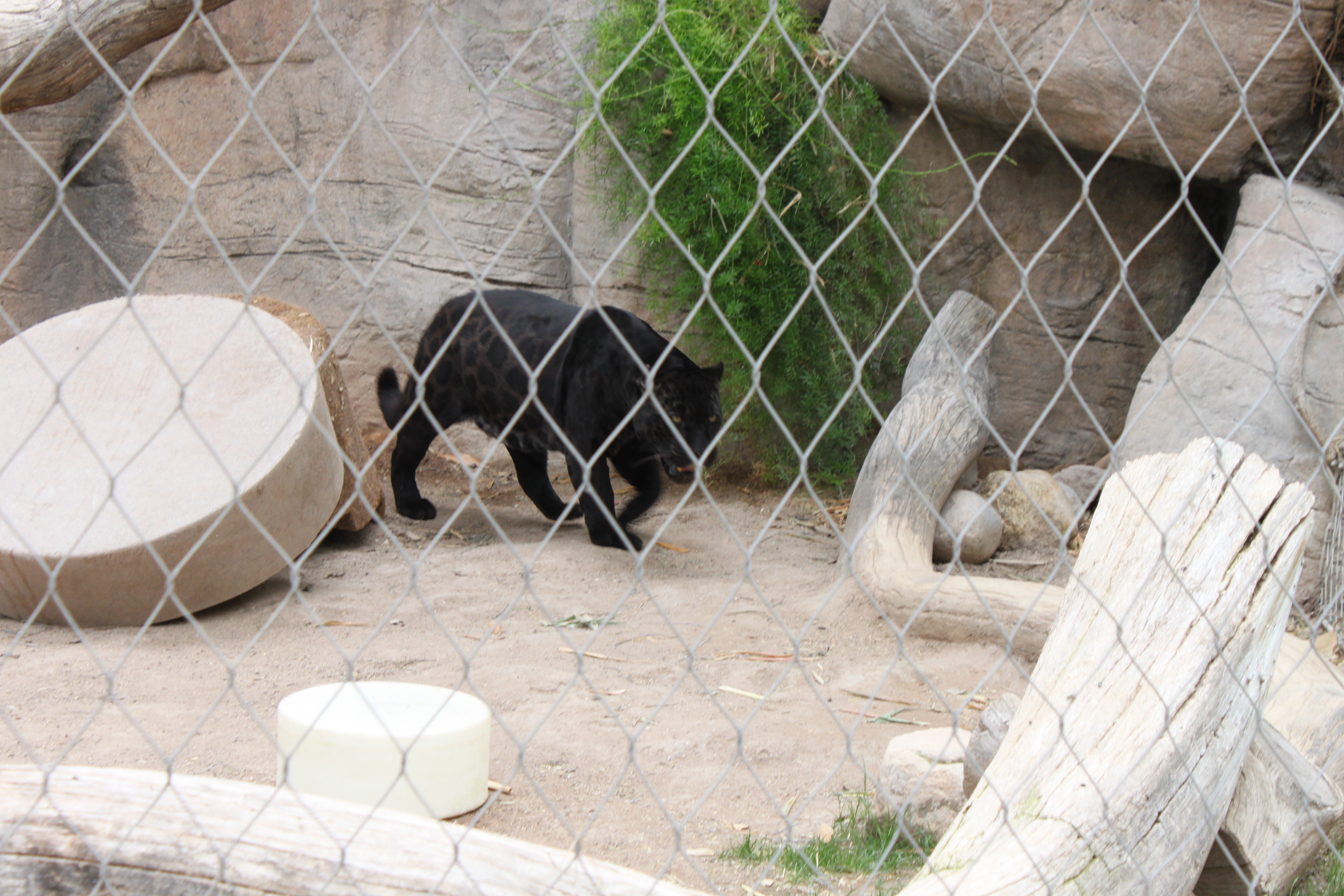
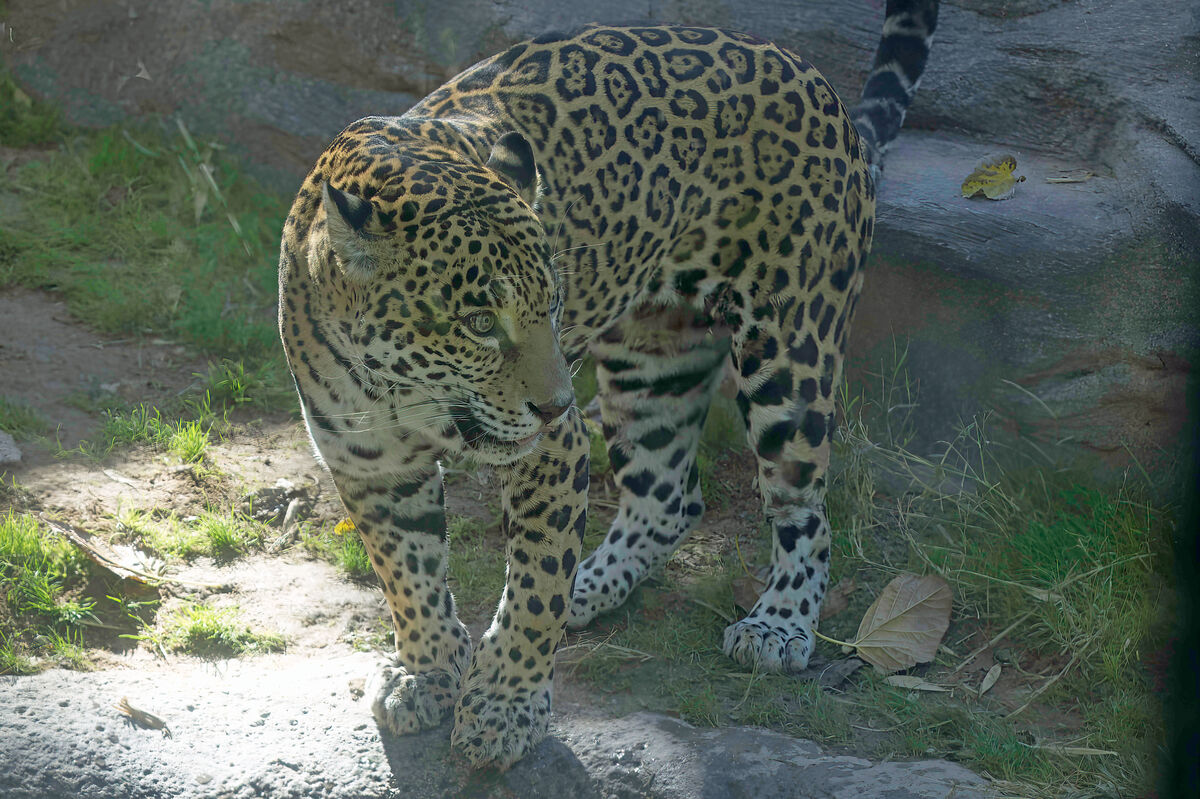
In 2026, the best locations to observe jaguars in Arizona are the Phoenix Zoo and the Reid Park Zoo in Tucson. These accredited institutions offer immersive habitats that replicate the tropical and subtropical environments of the Americas, allowing visitors to witness the unique behaviors of North America’s only native great cat species while supporting vital global conservation initiatives.
The Significance of the Jaguar in Arizona
The jaguar (Panthera onca) holds a unique position in Arizona's natural history. While often associated with the dense jungles of the Amazon, the jaguar is a native species of the American Southwest. Historically, their range extended across the southern United States, including Arizona, New Mexico, and Texas. Today, the jaguars housed in Arizona's zoos serve as "ambassadors" for their wild counterparts, who occasionally cross the border from Mexico into the rugged mountains of Southern Arizona.
For visitors in 2026, seeing a jaguar in an Arizona zoo is not just a recreational activity; it is an encounter with a species that represents the wild spirit of the Borderlands. These zoos participate in the Association of Zoos and Aquariums (AZA) Species Survival Plan (SSP), a coordinated effort to ensure the genetic diversity and sustainability of jaguar populations in captivity.
The Phoenix Zoo: The Forest of Uco and the Tropics Trail
The Phoenix Zoo is home to one of the most sophisticated jaguar exhibits in the country. Located within the Tropics Trail, the jaguar habitat is part of the larger "Forest of Uco" experience, which also features Andean bears. This area is designed to transport visitors to the cloud forests and lowland jungles where these predators thrive.
Habitat Design and Features
The jaguar habitat at the Phoenix Zoo is meticulously engineered to cater to the cat’s natural instincts. Unlike many other big cats, jaguars are proficient swimmers and enjoy the water. The Phoenix exhibit includes a large pool where visitors can often see the jaguars wading or playing with enrichment items.
The enclosure also emphasizes vertical space. Jaguars are excellent climbers, often lounging on high platforms or thick branches to survey their territory. The use of reinforced glass viewing panels allows for an eye-level encounter, providing a sense of the animal's massive size and the power of its muscular build.
Resident Jaguars and Breeding Programs
As of 2026, the Phoenix Zoo continues its commitment to the Jaguar SSP. The resident cats are selected based on genetic compatibility to ensure a healthy future for the species. The zoo’s animal care team employs positive reinforcement training, which allows the jaguars to participate in their own healthcare, such as presenting paws for inspection or standing for voluntary vaccinations. This reduces stress for the animals and provides researchers with valuable data on feline physiology.
Reid Park Zoo: The Temple of the Jaguar in Tucson
Located in Tucson, the Reid Park Zoo offers a more intimate look at these predators through its Temple of the Jaguar exhibit. This area is themed around the cultural significance of the jaguar in Mesoamerican civilizations, where the cat was revered as a god of the underworld and a symbol of military prowess.
Cultural and Educational Immersion
The Reid Park Zoo focuses heavily on the "Jaguar-Human Connection." Throughout the exhibit, educational kiosks explain how ancient cultures like the Maya and Aztecs viewed the jaguar. This contextualizes the animal not just as a biological specimen, but as a cultural icon of the Americas.
The Tucson climate is particularly well-suited for jaguars. Because Tucson’s temperatures and arid-to-semi-arid environment mirror parts of the jaguar's northernmost wild range in Sonora, Mexico, the cats remain active throughout much of the year. The exhibit features waterfalls, rocky outcroppings, and lush vegetation that provide both shade and stimulation.
Conservation Milestones
Reid Park Zoo has a long history of successful jaguar management. Their efforts extend beyond the zoo walls through partnerships with organizations like the Northern Jaguar Project. These collaborations focus on protecting the "Jaguar Northern Core" in Sonora, Mexico, which is the source population for the wild jaguars that occasionally roam into Arizona's Huachuca and Santa Rita mountains.
Understanding the Wild Jaguars of Arizona
To truly appreciate a jaguar in an Arizona zoo, one must understand the status of wild jaguars in the state. Since the late 1990s, several male jaguars have been documented in Arizona via motion-triggered trail cameras.
- Macho B: Perhaps the most famous wild jaguar in Arizona’s history, Macho B was monitored for over a decade in the mountains south of Tucson before his death in 2009.
- El Jefe: Photographed extensively in the Santa Rita Mountains between 2011 and 2015, El Jefe became a symbol of the resilience of the species. In 2022 and 2023, data confirmed he had returned to central Sonora, proving the importance of trans-border wildlife corridors.
- Sombra: A jaguar frequently detected in the Chiricahua Mountains, demonstrating that Arizona still provides suitable habitat for these cats.
Arizona zoos play a critical role in educating the public about these corridors. They provide the necessary context for why land conservation and wildlife crossings are essential for the potential re-establishment of a breeding population in the United States.
Physical Characteristics and Behavioral Adaptations
Jaguars are the third-largest feline species in the world, trailing only tigers and lions. When visiting the zoo, look for these specific physical traits that set the jaguar apart:
- The Rosette Pattern: Unlike leopards, whose spots are simple circles, jaguars have "rosettes" with small dots inside the larger rings. This provides exceptional camouflage in the dappled light of a forest canopy.
- The "Crushing" Bite: Jaguars have the strongest bite force of any big cat relative to their size. Their jaw structure allows them to pierce the shells of turtles and caimans. In a zoo setting, you may see them "dispatching" large bones provided as part of their nutritional and dental health program.
- Stocky Build: Compared to the lithe leopard, the jaguar is thickset and powerful. This low center of gravity makes them formidable hunters on both land and in water.
Melanistic Jaguars (Black Panthers)
While neither the Phoenix Zoo nor Reid Park Zoo currently focuses on displaying melanistic jaguars, visitors often ask about "black panthers." Melanism is a genetic mutation that results in an overproduction of dark pigment. If you look closely at a melanistic jaguar in direct sunlight, you can still see the underlying rosette patterns.
Comparative Overview: Jaguar Exhibits in Arizona
| Feature | Phoenix Zoo (Phoenix) | Reid Park Zoo (Tucson) |
|---|---|---|
| Exhibit Name | Forest of Uco / Tropics Trail | Temple of the Jaguar |
| Primary Theme | South American Rainforest | Mesoamerican Cultural History |
| Key Attraction | Deep-water pool for swimming | Waterfall and rocky climbing tiers |
| Conservation Focus | SSP Genetic Management | Northern Jaguar Project (Wild Corridors) |
| Viewing Experience | Floor-to-ceiling glass panels | Multi-level viewing stations |
| Best Time to Visit | Early morning (9:00 AM – 10:30 AM) | Winter months or early morning |
Planning Your Visit: Tips for Seeing the Jaguars
Big cats are notoriously elusive, even in a zoo environment. To maximize your chances of an active encounter in 2026, follow these expert recommendations:
Timing is Everything
Jaguars are crepuscular, meaning they are most active during dawn and dusk. In the heat of an Arizona afternoon, they are likely to be napping in a shaded, obscured area of their habitat. Arrive at the zoo right at opening. This is often "enrichment time," when keepers hide food or scents around the exhibit to encourage natural foraging behaviors.
Look Up and Deep
Jaguars value security. If you don't see the cat at eye level, check the highest platforms or the densest thickets of vegetation. They are masters of blending into their surroundings, and a tail twitch or the blink of an eye is often the only giveaway of their presence.
Respect the Barrier
While the glass and mesh are designed for safety, jaguars are highly sensitive to noise and sudden movements. Avoid tapping on the glass or using flash photography, as these can stress the animals and cause them to retreat to off-exhibit holding areas.
The Role of the Species Survival Plan (SSP)
The jaguars you see in Arizona are part of a meticulously managed population. The AZA's Jaguar SSP maintains a "studbook" that tracks the lineage of every jaguar in an accredited facility.
In 2026, the focus of the SSP has shifted toward maximizing the "behavioral competence" of the cats. This means zoos are moving beyond mere survival and focusing on complex environments that challenge the cats' intellect. For example, the Phoenix Zoo uses "automated prey simulations"—mechanical devices that move scents or toys at irregular intervals—to keep the jaguars' hunting instincts sharp.
Frequently Asked Questions
Are there black jaguars in Arizona zoos?
Currently, the major Arizona zoos primarily house the traditional spotted jaguars, as these are most representative of the populations the SSP aims to conserve. While melanistic jaguars (black panthers) exist in the wild and occasionally in other zoos, they are the same species as the spotted variety.
Can I see a wild jaguar in Arizona?
The chances of seeing a wild jaguar in Arizona are extremely low. There are estimated to be only one or two transient males in the state at any given time, usually in remote, rugged mountain ranges like the Dos Cabezas or the Santa Ritas. Zoos remain the only reliable and safe way for the public to see these animals.
How do Arizona zoos keep jaguars cool in the summer?
Both the Phoenix and Reid Park Zoos use a combination of chilled water pools, high-pressure misting systems, and air-conditioned indoor dens. Jaguars are surprisingly heat-tolerant, but they require constant access to water to regulate their body temperature during the extreme desert summers.
Do jaguars in zoos eat live prey?
No. For ethical, safety, and health reasons, accredited zoos do not feed live vertebrate prey to big cats. Instead, they provide a nutritionally balanced "carnivore diet" supplemented with whole carcasses (like rabbits or goats), large bones for dental health, and "blood popsicles" as enrichment.
Why is the jaguar considered an "Arizona" animal?
The jaguar is native to the Americas and has been part of the Arizona ecosystem for thousands of years. They were only extirpated from the US due to hunting and habitat loss in the 20th century. Their recent natural return to the state has re-established their status as a resident apex predator of the Southwest.
Supporting Jaguar Conservation
If your visit to an Arizona zoo inspires you to help protect these cats, there are several actionable steps you can take:
- Support AZA-Accredited Zoos: A portion of every ticket sold at the Phoenix and Reid Park Zoos goes directly toward conservation grants that fund field research in Central and South America.
- Advocate for Wildlife Corridors: Support legislation and non-profits that work to preserve open lands and build wildlife overpasses. These allow jaguars and other species to migrate safely across highways and between mountain ranges.
- Educational Outreach: Share what you have learned about the difference between jaguars and other big cats. Public awareness is the first step in reducing the human-wildlife conflict that often leads to the illegal poaching of jaguars in the wild.
The presence of jaguars in Arizona's zoos is a testament to the state's unique biological heritage. By visiting these exhibits, you are contributing to a future where these "ghosts of the desert" can continue to thrive, both in carefully managed habitats and in the wild canyons they have called home for millennia.