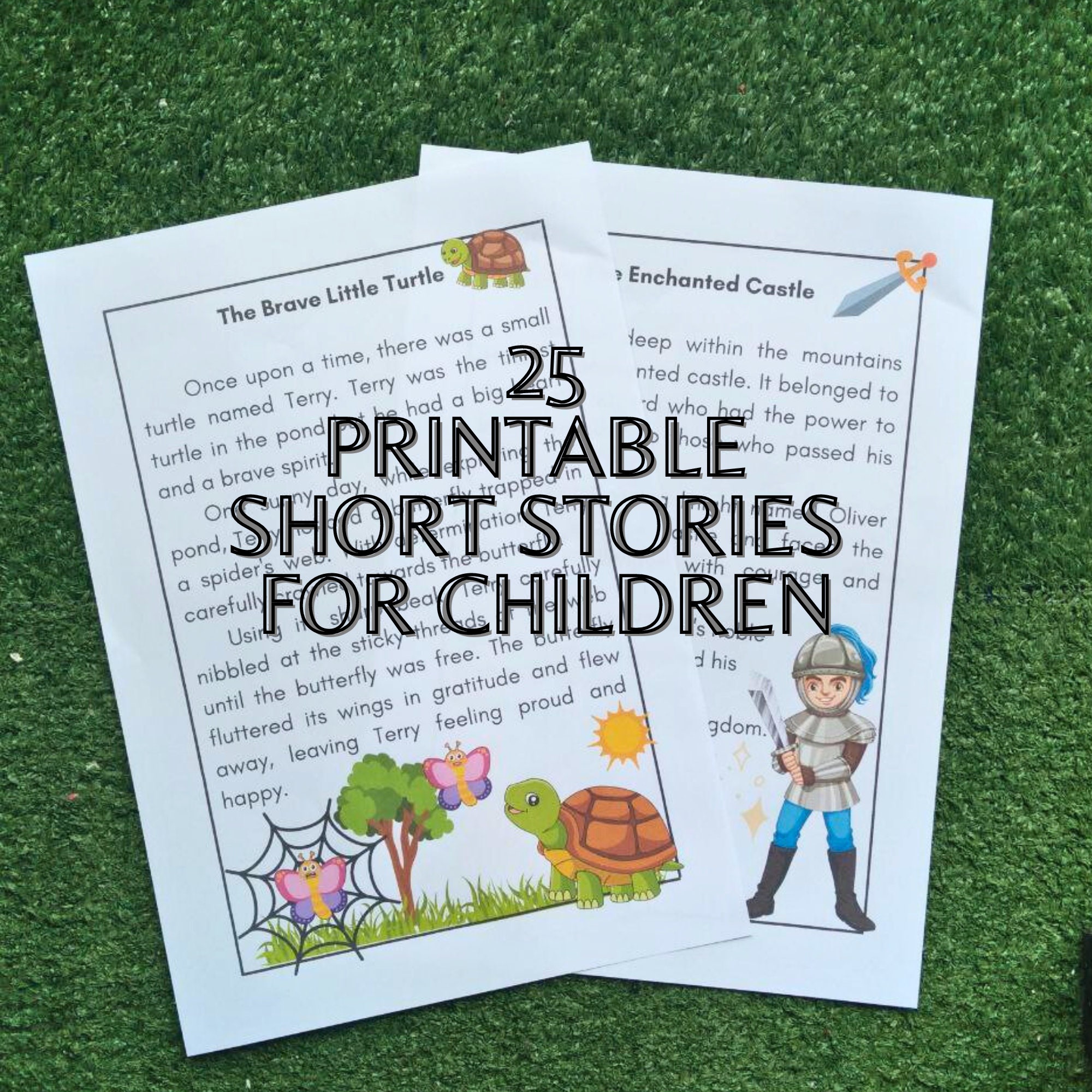
Common synonyms for a short story include short fiction, tale, flash fiction, and vignette. Depending on word count, narrative structure, and thematic intent, writers and publishers use precise terms ranging from microfiction (under 500 words) to novelette (7,500 to 17,500 words). Form-based alternatives include sketches, parables, and fables.
Understanding Literary Terminology for Short Prose
The term "short story" serves as a broad umbrella for brief narrative prose. However, selecting the exact synonym or formal literary designation depends entirely on context. A publisher evaluating a manuscript submission looks for precise length categories, whereas a literary critic might categorize a piece by its structural characteristics or philosophical intent.
In creative writing and publishing, replacing "short story" with a more accurate term clarifies the scope of the work. Short narratives differ not only in word count but also in their relationship to character development, plot mechanics, atmosphere, and moral intent. Understanding these distinctions allows authors to target the appropriate literary journals, helps students analyze texts accurately, and assists readers in navigating digital and print catalogs.
Synonyms Based on Word Count and Length
Publishing industry organizations, such as the Science Fiction and Fantasy Writers Association (SFWA), maintain strict word-count boundaries to distinguish between different forms of short prose. These metrics determine award eligibility, compensation rates, and editorial selection criteria.
| Category | Word Count |
|---|---|
| Microfiction | <500 wds |
| Flash Fiction | 500-1,000 wds |
| Short Story | 1k-7.5k wds |
| Novelette | 7.5k-17.5k |
| Novella | 17.5k-40k |
Microfiction
Microfiction refers to extremely brief narrative prose, typically under 500 words. Sub-categories include the drabble (exactly 100 words) and the dribble (exactly 50 words). Microfiction requires intense linguistic efficiency, forcing the author to rely heavily on implication, subtext, and evocative imagery to convey a complete emotional or plot arc within a handful of sentences.
Flash Fiction
Also known as sudden fiction, postcard fiction, or micro-narrative, flash fiction generally ranges between 300 and 1,000 words. Unlike a brief anecdote or character sketch, true flash fiction contains the fundamental structural elements of a traditional story: a protagonist, an obstacle, a turning point, and a resolution. Literary journals specializing in brief forms evaluate flash fiction based on how effectively it creates a visceral impact within a limited footprint.
Standard Short Story
A conventional short story typically spans 1,000 to 7,500 words. Within this range, an author has sufficient space to develop fully realized characters, establish atmospheric settings, introduce secondary subplots, and execute a complete dramatic arc. Most literary reviews, anthologies, and magazine fiction sections prioritize submissions falling squarely within the 2,500 to 5,000-word window.
Novelette
A novelette is a works of narrative fiction measuring between 7,500 and 17,500 words. This format is longer than a standard short story but shorter than a novella. Novelettes allow for expanded world-building, multiple character perspectives, and intricate plot threads without requiring the structural length of a full book. The form is historically prominent in science fiction, fantasy, and mystery magazines.
Novella
Ranging from 17,500 to 40,000 words, a novella occupies the space between a short story and a novel. While some consider it a short novel, literary tradition classifies it alongside short prose due to its focus on a single central conflict or character study without the expansive subplots typical of long-form novels.
Form-Based and Stylistic Synonyms
Beyond strict word-count boundaries, several alternative terms describe short stories based on their narrative techniques, structural focus, or prose style.
- Stylistic & Formal Variations
- Atmospheric & Impressionistic
- Vignette
- Prose Sketch
- Character Study
- Narrative & Folk
- Tale / Yarn
- Conte
- Anecdote
- Atmospheric & Impressionistic
Vignette
A vignette is a brief, evocative piece of writing that focuses on a single scene, character, moment, or impressionistic detail. Unlike a traditional short story, a vignette does not require a formal narrative arc, central conflict, or dramatic resolution. Its primary purpose is to capture a mood, paint a vivid picture, or explore an emotional state.
Prose Sketch
Derived from visual art, a sketch (or character sketch) is an informal, descriptive piece of short prose. Sketches emphasize setting, atmosphere, or observational details over plotting. Nineteenth-century authors frequently published prose sketches in newspapers to capture local color or social observations.
Tale
The word tale implies a story focused on plot sequence, action, and oral storytelling traditions rather than deep psychological interiority. While a modern short story often emphasizes internal character realization, a tale leans toward external events, mythic elements, or dramatic twists. Terms like "fairy tale" or "tall tale" reflect this heritage.
Conte
Borrowed from the French language, a conte refers to a short narrative, often featuring elements of fantasy, satire, or philosophical inquiry. The form was popularized by writers like Voltaire (contes philosophiques) and later adapted in English literature to describe atmospheric stories of mystery or suspense, such as the works of Edgar Allan Poe.
Anecdote
An anecdote is a brief account of a real or fictitious incident. While frequently used in casual conversation to illustrate a point, writers often incorporate anecdotal structures into creative nonfiction and short narrative prose to establish context or character motivation quickly.
Didactic and Allegorical Alternatives
Certain short stories are classified by their intended instructional, moral, or philosophical purpose. These terms highlight the thematic delivery system rather than the word count.
- Fable: A succinct short story—traditionally featuring anthropomorphized animals, legendary creatures, or forces of nature—that leads to an explicit moral lesson. Classic examples include Aesop's Fables.
- Parable: A short, realistic narrative designed to illustrate a spiritual, moral, or ethical principle. Unlike fables, parables feature human characters navigating recognizable human scenarios, such as the parables found in religious texts.
- Exemplum: A brief story used in historical rhetoric or sermons to illustrate a moral point or demonstrate an ethical truth.
- Apologue: A short allegorical story carrying a moral burden, where the characters and actions directly represent abstract ideas or political commentary.
Terms for Groupings of Short Stories
When short stories are compiled into published volumes, specific terminology describes the structural relationship between the individual pieces.
Short Story Collection
A collection refers to a published book containing multiple short stories written by a single author. These stories may share thematic elements, settings, or character motifs, but each story remains an independent, self-contained narrative.
Anthology
An anthology is a curated collection of short stories, poems, or essays written by multiple authors. Anthologies are typically organized around a shared theme, genre, geographic region, or historical period, and are assembled by an editor or editorial panel.
Story Cycle / Composite Novel
A story cycle (also called a composite novel, short story sequence, or fix-up novel) is a collection of individually complete short stories that interconnect to form a broader, cumulative narrative. While each segment functions independently as a standalone short story, reading the entire collection reveals an overarching character arc, community portrait, or narrative progression resembling a novel. Examples include Sherwood Anderson's Winesburg, Ohio and Ray Bradbury's The Martian Chronicles.
Miscellany
A miscellany is a compiled volume containing a diverse mix of short literary works—including short fiction, essays, poems, and journal entries—often by various writers or sourced from a specific historical journal.
Literary Term Comparison Matrix
The following table summarizes the key distinctions, typical length parameters, and structural focuses across the primary synonyms and sub-genres of short fiction.
| Term | Typical Length | Primary Narrative Focus | Structural Requirement |
|---|---|---|---|
| Microfiction | Under 500 words | Single moment, extreme conciseness | Implied narrative arc |
| Flash Fiction | 500 – 1,000 words | Single conflict or sharp turn | Complete arc (beginning, middle, end) |
| Vignette | 300 – 1,500 words | Atmosphere, emotion, setting | No formal plot arc required |
| Standard Short Story | 1,000 – 7,500 words | Character development, plot arc | Full dramatic structure |
| Novelette | 7,500 – 17,500 words | Expanded plot, subplots, world-building | Multi-scene structural development |
| Novella | 17,500 – 40,000 words | Deep psychological/thematic focus | Full narrative, limited subplots |
| Tale | 1,000 – 10,000 words | Plot events, action, oral style | Sequential progression |
| Fable / Parable | 200 – 2,000 words | Moral, ethical, or spiritual lesson | Didactic thematic resolution |
| Prose Sketch | 500 – 2,500 words | Character portrait or place description | Observation over conflict |
Selecting the Right Term for Submission and Publishing
Using correct industry terminology is essential when preparing literary queries, submitting to magazines, or self-publishing short works. Editors filter incoming submissions according to word count and structural conventions.
- Submission Workflow Guidelines
- Micro & Flash (<1,000 wds)
- Target: Flash Journals
- Focus: Immediate hook, tight language
- Standard Short Fiction
- Target: Literary Magazines
- Focus: Character depth, full arc
- Micro & Flash (<1,000 wds)
Navigating Submission Portals
When utilizing submission platforms like Submittable, matching your manuscript to the journal’s stated submission category prevents instant rejection.
- Check Word Count Thresholds: Never label a 1,200-word piece as "flash fiction" if the magazine caps flash at 1,000 words. Label it as a "short story."
- Identify Form versus Style: If your piece lacks a central conflict and relies entirely on descriptive imagery, label it a "vignette" or "prose piece" in your cover letter rather than a standard short story.
- Respect Genre Standards: Speculative fiction markets maintain strict definitions for awards like the Hugo or Nebula. Submitting a 10,000-word work requires labeling it as a "novelette" rather than a short story.
Marketing Short Prose Digitally
For self-published authors listing short works on digital retail platforms, category precision directly affects discoverability. Short prose works are frequently categorized under metadata tags like "Single Author Short Story Collections," "Short Reads," or "Novellas." Clearly stating the word count in the book description manages reader expectations regarding length and narrative scope.
Frequently Asked Questions
What is the shortest type of short story called?
The shortest form of short story is generally referred to as microfiction. Specific subset terms based on exact word counts include the drabble (100 words), the dribble (50 words), and six-word stories.
Is a vignette the same as a short story?
No. A vignette is a brief, evocative piece focused on atmosphere, character description, or mood. Unlike a traditional short story, a vignette does not require a dynamic plot arc, rising action, or narrative resolution.
What is the technical term for a story under 1,000 words?
Prose under 1,000 words with a complete narrative arc is formally categorized as flash fiction or sudden fiction.
What is a short story with a moral lesson called?
A short narrative designed to teach a moral lesson is called a fable (if using anthropomorphic animals or non-human entities) or a parable (if using human characters in realistic settings).
What is the difference between a short story and a novelette?
The primary difference is length and complexity. A standard short story runs up to 7,500 words, whereas a novelette ranges from 7,500 to 17,500 words, allowing for expanded subplots and world-building.
Practical Guidance for Writers and Researchers
When deciding which term to use, evaluate your work based on three criteria: word count, narrative structure, and thematic purpose.
- If your piece is under 1,000 words with a full plot, refer to it as flash fiction.
- If it captures a single impression without a plot arc, call it a vignette.
- If it spans 1,000 to 7,500 words with character arc and conflict, use the standard term short story or short fiction.
- When querying publishers, always defer to the specific word-count definitions listed in their official submission guidelines rather than generic dictionary definitions.