Anse des Cayes is a rugged, scenic bay on the northern coast of Saint Barthélemy, renowned for its Atlantic surf breaks, coral reefs, and luxury oceanfront accommodations. Offering a tranquil, nature-focused atmosphere compared to bustling Gustavia or St. Jean, it is best suited for experienced surfers, private villa guests, and travelers staying at eco-luxury resorts.
Geographical Profile and Coastal Landscape
Anse des Cayes—which translates naturally from French as "Bay of Cays" or "Bay of Reefs"—occupies a distinctive stretch along the north-central coast of Saint Barthélemy (St. Barts). Situated east of Anse de Public and west of St. Jean, the area is defined by its exposed orientation to the Atlantic Ocean. Unlike the sheltered, calm Caribbean bays found on the island's western and southern shores, Anse des Cayes bears the direct impact of easterly and northeasterly trade winds and open-ocean swells.
- Atlantic Ocean Swells
- Outer Coral Reefs & Cays (Breaks offshore energy)
- Shallow Reef Floor & Urchins (Hazard zone for swimmers)
- Shoreline: Shells & Sand (Narrow beach strip)
The shoreline is a mix of fine white sand, volcanic rock formations, and smooth sea shells. Off the coast, a series of shallow coral heads and rocky reefs (cays) break incoming ocean waves, creating a dramatic coastal aesthetic characterized by white water, crashing waves, and offshore spray.
Topography, Reef Structure, and Marine Ecology
The shoreline topography rises steeply from the water's edge into lush, cactus-dotted hillsides that cradle the bay. These elevated ridges protect local residential properties while offering sweeping panoramic views across the Atlantic Ocean toward neighboring islands like Saint Martin and Anguilla on clear days.
Subtidal surveys of Anse des Cayes highlight a diverse fringe reef ecosystem dominated by sea fans (Gorgonians), brain coral (Diploria), and fire coral (Millepora). The reef creates vital nursery habitats for marine species, including:
- Green sea turtles (Chelonia mydas) and hawksbill turtles (Eretmochelys imbricata) feeding along shallow seagrass pockets.
- Spiny lobsters (Panulirus argus) tucked within deep rock crevices.
- Parrotfish, surgeonfish, and spotted eagle rays foraging in the intertidal zone.
Visitors should note that the extensive sea urchin (Diadema antillarum) population along the rocky seabed requires caution when treading near shallow reef sections.
Weather, Swells, and Seasonal Atlantic Dynamics
The environmental dynamics at Anse des Cayes fluctuate with seasonal weather patterns across the North Atlantic:
- Winter & Spring (December to April): The dry season brings steady easterly trade winds (15–22 knots) and regular northern swells generated by Atlantic low-pressure systems. Air temperatures average 28°C (82°F), with water temperatures around 26°C (79°F). Ocean conditions are dynamic, creating peak surfing windows and powerful surf lines.
- Summer & Autumn (May to November): The warmer season features higher humidity, lighter variable winds, and sea temperatures reaching 29°C (84°F). While ocean conditions can become serene during summer lulls, this period coincides with the Atlantic hurricane season (peak August through October), during which tropical waves can temporarily generate extreme wave heights and coastal erosion.
Water Safety, Swimming Conditions, and Surfing
Understanding the distinction between Anse des Cayes and calmer Caribbean bays is essential for planning a trip. The open-ocean orientation demands an honest evaluation of ocean safety and aquatic skill levels.
| Activity | Suitability & Caution Level |
|---|---|
| Advanced Surfing | High — Consistent lefts & rights over reef |
| Casual Swimming | Low — Strong rip currents & shorebreaks |
| Beachcombing / Walking | High — Long stretch of sandy shoreline |
| Snorkeling | Moderate — Only during calm sea windows |
The Surf Break: Waves, Reefs, and Skill Level Requirements
Anse des Cayes is recognized as one of the three primary surf destinations on St. Barts, alongside Toiny and Lorient. The bay features multiple take-off zones created by the underlying reef topography:
- The Main Peak: Located toward the center-western area of the bay, this break yields fast, hollow left-hand waves along with occasional right-handers. It operates best on a medium-to-high tide with a north or northeast swell paired with south or southwest winds (offshore).
- The Inside Reef: Works during larger swells, generating punchy shorebreak sections that require fast pop-ups and precise board control.
Because the wave breaks directly over shallow, sharp coral and sea-urchin-encrusted rock, it is unsuitable for absolute beginners. Surfers should be experienced in reading reef breaks, managing sharp bottom impacts, and navigating strong tidal currents. Booties are strongly recommended to protect feet from coral cuts and urchin spines.
Swimming Warnings: Rip Currents, Urchins, and Hazards
While the visual landscape is stunning, casual swimming at Anse des Cayes carries inherent risks. The beach is unmonitored—there are no lifeguards on duty anywhere on St. Barts, including Anse des Cayes.
Major hazards include:
- Powerful Rip Currents: Water pushed over the outer reef by incoming swells channels back out to sea through narrow deep-water breaks in the cay structure, producing strong seaward currents.
- Heavy Shorebreak: Waves can break with force directly on shallow sandbanks, posing risks of neck or limb injuries for swimmers unaware of ocean power.
- Submerged Rocks and Fire Coral: Low visibility caused by churned sand during high swells increases the risk of contacting sharp reef structure.
Safety Guideline: Wading near the shoreline in sandy zones is pleasant, but swimmers seeking long ocean swims or calm wading conditions should head to sheltered beaches like Anse de Colombier, Lorient (inside the reef), or Shell Beach.
Accommodations and Real Estate in Anse des Cayes
Despite its natural, secluded feel, Anse des Cayes hosts world-class hospitality offerings, ranging from pioneering eco-resorts to exclusive private villas perched along its rocky hillsides.
Eco-Luxury at Hotel Manapany
Anchoring the hospitality footprint of the bay is Hotel Manapany, a 5-star resort known for blending Caribbean luxury with environmental sustainability. The property sits directly on the beachfront, framed by tropical vegetation.
Key features of the resort include:
- Eco-Centric Infrastructure: Manapany utilizes solar power for hot water generation, operates its own desalinization plant, uses electric buggies for on-site transport, and maintains an organic orchard and herb garden supplying its kitchens.
- Accommodations: A collection of 43 rooms, suites, and villas designed with natural woods, French tropical accents, and open-air layouts to maximize ocean breezes.
- Wellness & Amenities: Features a beachfront spa specializing in organic treatments, two swimming pools (one adult-only pool perched on the hillside), daily yoga sessions, and direct access to the beach.
Hillside and Beachfront Villa Rentals
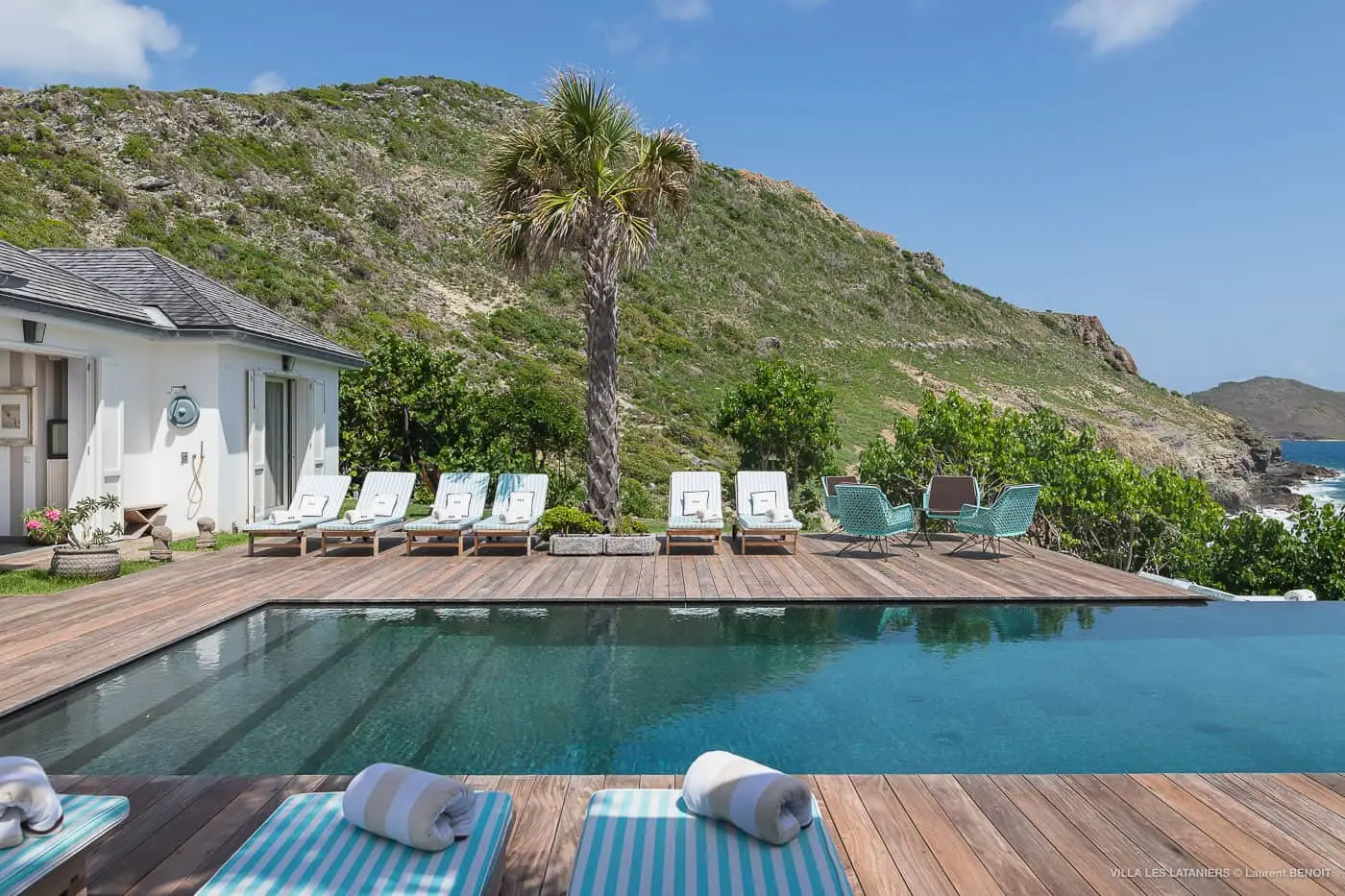
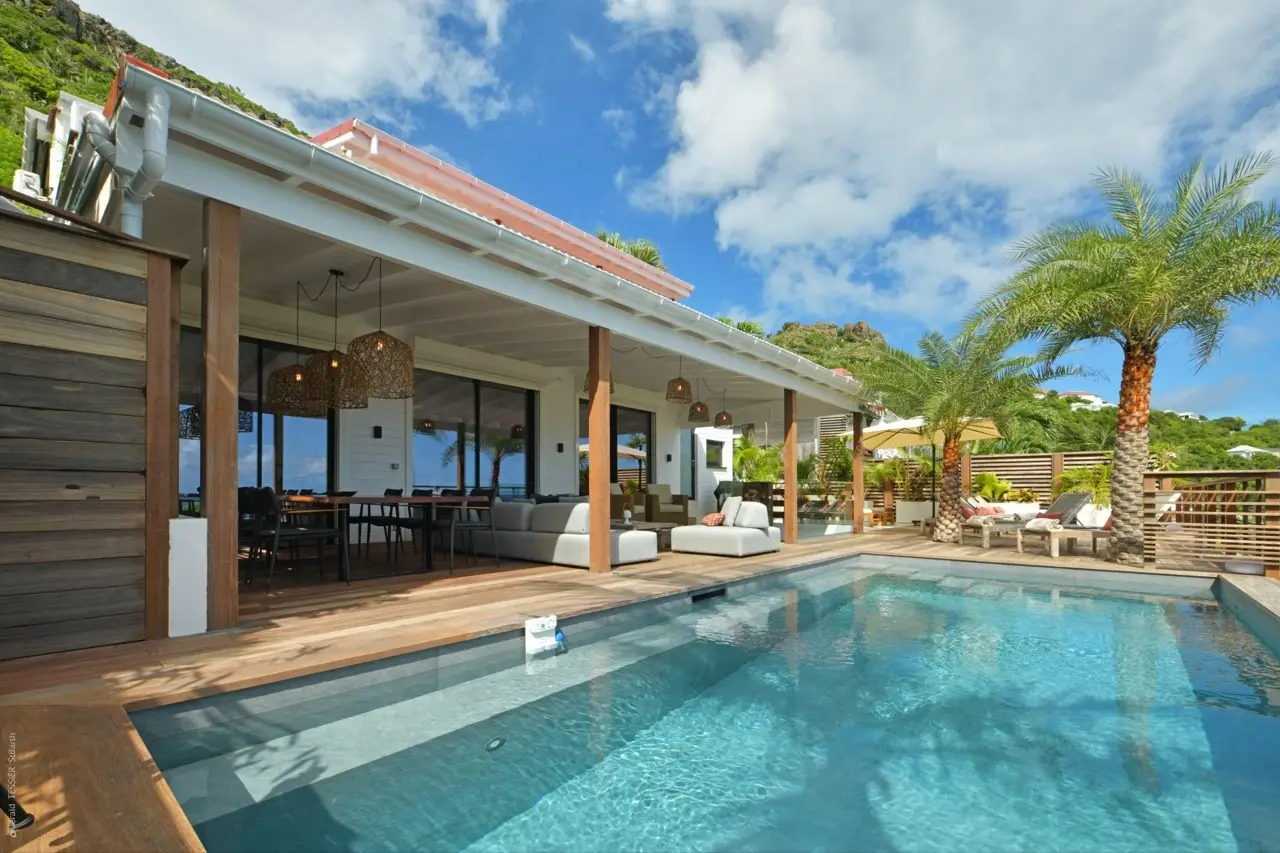
Beyond hotel resort living, Anse des Cayes is home to high-end private villas managed by international and local real estate agencies. The neighborhood's steep hillside geography allows developers to design multi-tiered residences with ocean views.
- Architectural Style: Most villas incorporate contemporary West Indian architecture—featuring wide covered verandas (carbets), infinity pools that blend into the ocean horizon, and natural stone retaining walls.
- Privacy & Vibe: Compared to high-density villa zones in St. Jean or Gustavia, Anse des Cayes offers a quiet environment with minimal traffic noise, interrupted only by the sound of Atlantic waves breaking on the shore.
Dining, Amenities, and Local Culture
Anse des Cayes maintains a low-key atmosphere. It deliberately lacks large-scale commercial strip centers, preserving its peaceful residential feel.
Culinary Experiences by the Ocean
Dining in Anse des Cayes centers primarily on hotel-based and beachfront dining venues that emphasize fresh, locally sourced ingredients:
- On-Site Resort Dining: Hotel Manapany’s restaurant offers French-Caribbean fusion cuisine. Menus highlight fresh line-caught fish (such as mahi-mahi, yellowfin tuna, and wahoo), organic local produce, and refined French pastry techniques. Lunch service is casual beachfront dining, while dinner shifts toward upscale candlelit dining near the surf.
- Private Chef Services: Because many travelers choose villa rentals in this area, private chef bookings are common. Local chefs source ingredients directly from the fish market in Gustavia to prepare customized meals served in-villa.
Nearby Neighborhoods and Daily Necessities
For daily amenities, grocery shopping, and broader dining choices, residents and visitors at Anse des Cayes are located within a short drive of key island hubs:
- St. Jean (5 minutes east): Offers access to grocery stores (such as Super U and Marché U), bakeries, fashion boutiques, surf shops, and popular beach clubs.
- Gustavia (7 to 10 minutes southwest): The island’s capital provides duty-free luxury shopping, historic sights (Fort Karl, Fort Gustaf), deep-sea charter docks, administrative offices, and high-end nightlife.
- Anse de Public (3 minutes west): Home to local supply yards, maritime supply stores, and a smaller, quiet harbor bay.
Logistics, Access, and Transport Guidance
Navigating Saint Barthélemy requires an understanding of its unique road networks, topography, and transport constraints.
Driving, Parking, and Road Conditions
Reaching Anse des Cayes involves navigating steep, winding island roads. Drivers should prepare for typical St. Barts road conditions:
| Driving Logistics | Details |
|---|---|
| Road Characteristics | Narrow, steep, two-way roads with hairpin turns |
| Preferred Vehicle | Compact 4WD SUV (e.g., Suzuki Jimny) or Mini |
| Parking Access | Limited beach parking; private villa/hotel space |
| Driving Distances | 5 min from SBH Airport; 8 min from Gustavia |
- Vehicle Choice: A compact 4WD vehicle (such as a Suzuki Jimny or compact SUV) or a four-wheel-drive crossover is recommended. The steep incline leading down into the Anse des Cayes valley requires strong brake performance and low-gear engine control, especially during rainfall when concrete roads become slippery.
- Parking Availability: Public beach parking directly at Anse des Cayes is limited. A few pull-off spots exist near the public access paths, but spaces fill quickly during peak hours. Guests staying at Hotel Manapany or renting private villas have dedicated on-site parking spaces.
Beach Access Points and Public Trails
In accordance with French public land laws (Le Littoral), all beaches on Saint Barthélemy are public up to the high-water line.
- Primary Beach Access: Public access is available via a narrow pedestrian path branching off the main neighborhood road running parallel to the coast, as well as through designated public easements near the hotel property.
- Coastal Walking: Walkers can trek along the entire length of the beach shoreline. Sturdy water shoes or sneakers are recommended if walking toward the eastern and western rocky points where smooth sand gives way to volcanic boulders and tidal pools.
Comprehensive Comparison: Anse des Cayes vs. Other St. Barts Beaches
To help travelers select the right coastal destination, the table below compares Anse des Cayes with other primary beaches across Saint Barthélemy based on wave action, swimming safety, amenities, and crowd density.
| Beach Name | Primary Orientation | Sea Conditions | Swimming Safety | Surfing Quality | Nearby Amenities | Vibe & Density |
|---|---|---|---|---|---|---|
| Anse des Cayes | North / Atlantic | Energetic ocean swells, reef breaks | Low to Moderate (Rip risks) | High (Advanced reef breaks) | High (Resort dining, spas) | Peaceful, Secluded |
| Baie de St. Jean | North / Atlantic (Protected) | Calm inside reef, light waves | High (Ideal for families) | Moderate (Outside reef breaks) | Very High (Beach clubs, shops) | Bustling, Glamorous |
| Anse de Grand Cul-de-Sac | North-East / Lagoon | Shallow, calm, protected lagoon | Very High (Shallow, flat water) | Low (Kitesurfing hub instead) | High (Luxury resorts, water sports) | Active, Resort-centric |
| Anse de Colombier | North-West / Caribbean | Ultra-calm, crystalline water | Very High (Protected bay) | None | None (Nature reserve, access via hike/boat) | Secluded, Pristine |
| Anse de Toiny | South-East / Atlantic | Heavy, turbulent swells, strong currents | Dangerous (No swimming advised) | High (Expert surf break) | Moderate (Relais & Châteaux hotel nearby) | Wild, Remote |
| Shell Beach | West / Caribbean | Calm to moderate slope | High (Easy entry) | None | High (Walking distance to Gustavia) | Lively, Accessible |
Frequently Asked Questions
Can beginners take surf lessons at Anse des Cayes?
Anse des Cayes is generally not recommended for beginner surf lessons due to shallow coral reefs, sea urchins, and fast-breaking waves. Beginners are strongly advised to take lessons at Lorient Beach, where sandy bottoms and gentler wave sections provide a safer learning environment. Local surf instructors typically reserve Anse des Cayes for intermediate and advanced students.
Is Anse des Cayes suitable for family vacations with young children?
While families can enjoy stays at hillside villas or luxury resorts like Hotel Manapany, the beach itself requires constant supervision. The presence of strong shorebreaks, rip currents, and shallow reef structures means it is not an ideal beach for unattended small children to swim. Families seeking calm waters for young swimmers prefer St. Jean Beach, Grand Cul-de-Sac, or Lorient.
How far is Anse des Cayes from Gustaf III Airport (SBH)?
Anse des Cayes is conveniently located roughly 1.5 to 2 kilometers (around 1 mile) from Gustaf III Airport in St. Jean. Under normal traffic conditions, driving between the airport and Anse des Cayes takes approximately 5 minutes.
Are non-hotel guests allowed to use the beach and restaurant at Hotel Manapany?
Yes. Under French law, the beach is entirely public up to the high-water line. Non-hotel guests are welcome to make reservations for lunch or dinner at Manapany's restaurant or book wellness treatments at the hotel spa, which grants access to select resort spaces. Day passes or sunbed rentals may be available depending on seasonal hotel occupancy; contacting the resort concierge in advance is recommended.
What is the best time of year to visit Anse des Cayes for surfing?
The peak surfing season at Anse des Cayes runs from November through April. During these winter and early spring months, groundswells generated by North Atlantic weather systems reach the northern coast of St. Barts, delivering consistent wave height and clean lines across the bay’s reef points.
Practical Recommendations for Visitors
To make the most of a stay or day trip to Anse des Cayes, consider these practical steps:
- Vehicle Preparation: Rent a compact four-wheel-drive vehicle to easily navigate the steep residential roads leading into and out of the bay.
- Safety First: If visiting the beach for water activities, evaluate ocean conditions before entering. Look for channel currents, avoid swimming alone, and wear reef-safe booties if paddling out to surf.
- Dining Reservations: Book beachfront dining in advance—especially during peak winter months (December through February)—to secure preferred dining times at local venues.
- Explore Nearby Reefs Safely: Snorkel only on calm days with minimal swell, sticking to shallow, sandy entry channels, and wear a bright swim buoy for visibility against passing watercraft.
- Environmental Respect: Practice eco-friendly beach habits. Avoid stepping on living coral heads, use mineral-based (zinc oxide) sunscreen to protect marine habitats, and carry all personal trash off the beach upon leaving.