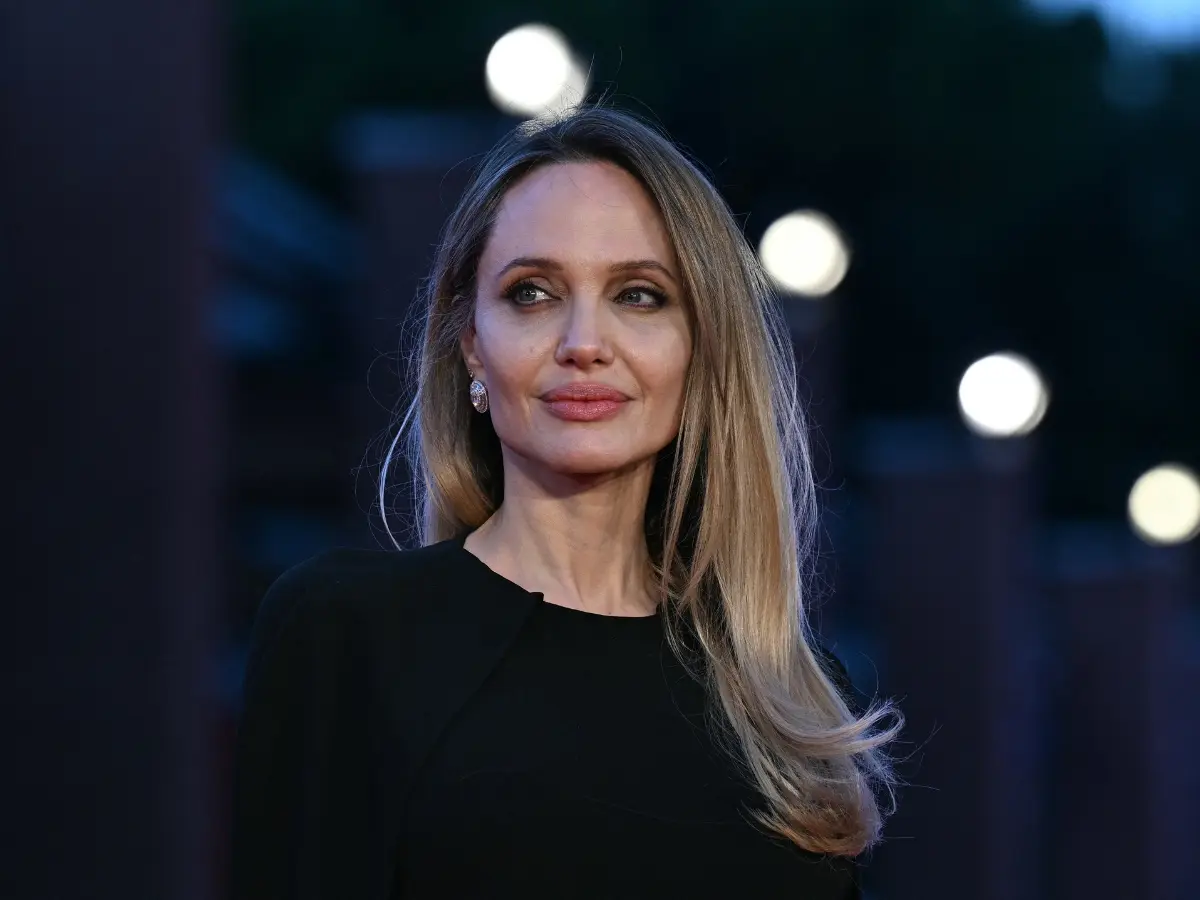
Angelina Jolie’s early life and family roots are deeply intertwined with the legacy of Hollywood’s mid-century golden era and the complexities of growing up under the public gaze. Born into a household defined by artistic ambition and personal volatility, her upbringing was shaped by the high-profile career of her father, Jon Voight, and the artistic influence of her mother, Marcheline Bertrand, establishing a foundation that would eventually propel her toward her own path in global cinema and humanitarian advocacy.
The Lineage and Heritage of Angelina Jolie
Understanding Angelina Jolie’s background requires an examination of the diverse ancestral tapestry from which she descends. Her family roots are a confluence of various European heritages, reflecting the immigrant history common in North American demographics.
Her father, Jon Voight, is of German and Slovak descent. The Voight family, originally spelled "Voight," has deep roots in the professional acting world, with Jon Voight achieving significant critical acclaim in the 1960s and 1970s. This lineage provided Jolie with immediate access to the internal mechanics of the film industry, though this professional exposure often coincided with personal instability.
Her mother, Marcheline Bertrand, provided a different cultural influence. Bertrand, who was an actress and producer, possessed French-Canadian, Dutch, and German ancestry. Importantly, Jolie has frequently cited her mother’s influence as being foundational to her humanitarian interests. Bertrand’s own life was marked by a commitment to social causes, which heavily influenced the direction of Jolie’s early development and, subsequently, her career priorities beyond the screen.
The Household Environment: Stardom and Separation
Angelina Jolie was born on June 4, 1975, in Los Angeles, California. Growing up in a household where both parents were involved in the entertainment industry meant that her childhood was rarely private. However, the domestic stability of the household was short-lived.
Her parents separated in 1976 and finalized their divorce in 1980. This event proved to be a defining moment in Jolie’s early development. Following the divorce, Marcheline Bertrand moved with Jolie and her brother, James Haven, to Palisades, New York. This relocation marked a transition from the center of the Hollywood entertainment machine to a more secluded environment.
The absence of her father during her formative years created a complex dynamic. Jolie’s childhood was characterized by frequent moves and a nomadic lifestyle that often disrupted traditional schooling. Despite these challenges, her mother actively encouraged her creative expression, enrolling her in acting classes and exposing her to the classic films that would eventually inform her performance style.
The Role of Marcheline Bertrand in Jolie’s Development
Marcheline Bertrand is often identified as the most significant influence on Jolie’s early life. Bertrand abandoned her own acting career to focus on raising her children, a decision that Jolie has spoken about with reverence in later interviews.
Bertrand’s influence extended beyond the arts. She was a dedicated supporter of various humanitarian causes, specifically focusing on the plight of refugees and indigenous populations. For Jolie, observing her mother’s commitment to these issues planted the seeds for her later involvement with the United Nations High Commissioner for Refugees (UNHCR).
The psychological impact of her mother’s life—marked by her own struggles and eventual battle with cancer—fostered in Jolie a sense of empathy and a desire for independence. During her adolescence, Jolie gravitated toward an unconventional style, often distancing herself from the traditional "Hollywood child star" archetype. Her early choices, including an interest in funeral direction and an affinity for "punk" aesthetics, were indicative of a young person trying to navigate the expectations of her family lineage while establishing a distinct identity.
Comparative Overview of Family Influences
The following table outlines the distinct nature of the influences exerted by her parents during her upbringing.
| Influence Factor | Jon Voight (Father) | Marcheline Bertrand (Mother) |
|---|---|---|
| Primary Domain | Professional Craft / Acting | Humanitarian / Emotional Support |
| Impact on Career | Early access to industry connections | Instillation of artistic appreciation |
| Family Role | Often absent during critical years | Primary caregiver and mentor |
| Core Values Passed | Technical discipline in performance | Advocacy and global empathy |
Academic Pursuits and Early Acting Foundations
Contrary to the typical path of child stars, Jolie’s path into the industry was not defined by early commercial success in television sitcoms or advertisements. Instead, her formal education in the craft took place at the Lee Strasberg Theatre and Film Institute. This environment focused on "Method" acting, a technique that requires performers to draw upon their own memories and emotions to inform their portrayals.
Given her turbulent family background, the Method approach provided an outlet for Jolie to process her experiences. This training period proved essential, as it allowed her to translate personal pain into professional depth. Her early work, including roles in student films and music videos, displayed a raw, unpolished intensity that eventually caught the attention of casting directors in the early 1990s.
Navigating the "Hollywood Royalty" Label
Growing up as the daughter of an Academy Award-winning actor presented both opportunities and challenges. The scrutiny that accompanied the "Voight" name meant that every success and failure was magnified. During her teen years, Jolie actively sought to differentiate herself from the industry expectations associated with her father’s status.
This tension between her family name and her desire for self-actualization was a recurring theme throughout her teenage years. Her early forays into modeling and acting were characterized by a deliberate attempt to avoid relying on family connections. This independence became a hallmark of her career, as she later pursued roles that were diametrically opposed to the types of films her father was known for, often opting for darker, more complex, or unconventional character studies.
Addressing Common Misconceptions
There are several persistent myths regarding Jolie’s upbringing. The most common involves the assumption that her career path was paved by her father’s industry influence. In reality, the evidence suggests a significant period of estrangement and a reliance on her mother’s support and her own personal efforts.
- The "Nepo Baby" Narrative: While she comes from an industry family, her entry into the industry was marked by a struggle for autonomy rather than a seamless transition afforded by wealth or connections.
- The Nature of her Education: She did not attend traditional acting schools solely for fame; her early studies were grounded in the intense psychological work of the Strasberg Institute.
- The Relationship with Jon Voight: Public reports often simplify their relationship as a constant, volatile conflict, ignoring the long, complex periods of estrangement and the nuances of reconciling professional recognition with personal betrayal.
Frequently Asked Questions (FAQ)
1. Did Angelina Jolie use her father's name to get roles in her early career? No. She consciously decided to use her middle name, Jolie, as her professional surname to distinguish herself from her father, Jon Voight. She aimed to establish her own reputation independent of his industry status.
2. How did Marcheline Bertrand influence Jolie's humanitarian work? Bertrand was an activist who cared deeply about global poverty and refugee issues. Jolie has stated that she modeled her own humanitarianism, including her work with the UNHCR, on the values her mother instilled in her during her childhood.
3. What role did the Lee Strasberg Theatre and Film Institute play in her early life? The institute provided a structured environment for Jolie to master "Method" acting. This helped her channel the emotional complexities of her family life into her craft, allowing her to deliver raw and authentic performances in her early film roles.
4. Why was Jolie's early childhood defined by frequent moves? Following the divorce of her parents, her mother moved frequently, particularly between Los Angeles and New York. This nomadic lifestyle contributed to a sense of instability that influenced her independent, often unconventional, personality during her teenage years.
5. How has her family background shaped her career choices? Jolie often chose roles that explored broken families, identity crises, and societal outsiders. This tendency is widely viewed by critics as a way of exploring the themes of estrangement and identity that were central to her own upbringing.
Next Steps and Further Research
For those interested in the historical context of Hollywood families, looking into the archives of the Lee Strasberg Institute or studying the independent film circuit of the 1990s offers a clearer picture of how individuals like Jolie emerged from the shadow of established industry dynasties. If you are conducting academic research on celebrity culture, focus on the distinction between "dynastic" careers and those formed through personal, often difficult, pathways. Understanding the roots of such individuals is crucial to appreciating the transition from a child of the industry to an independent global figure.