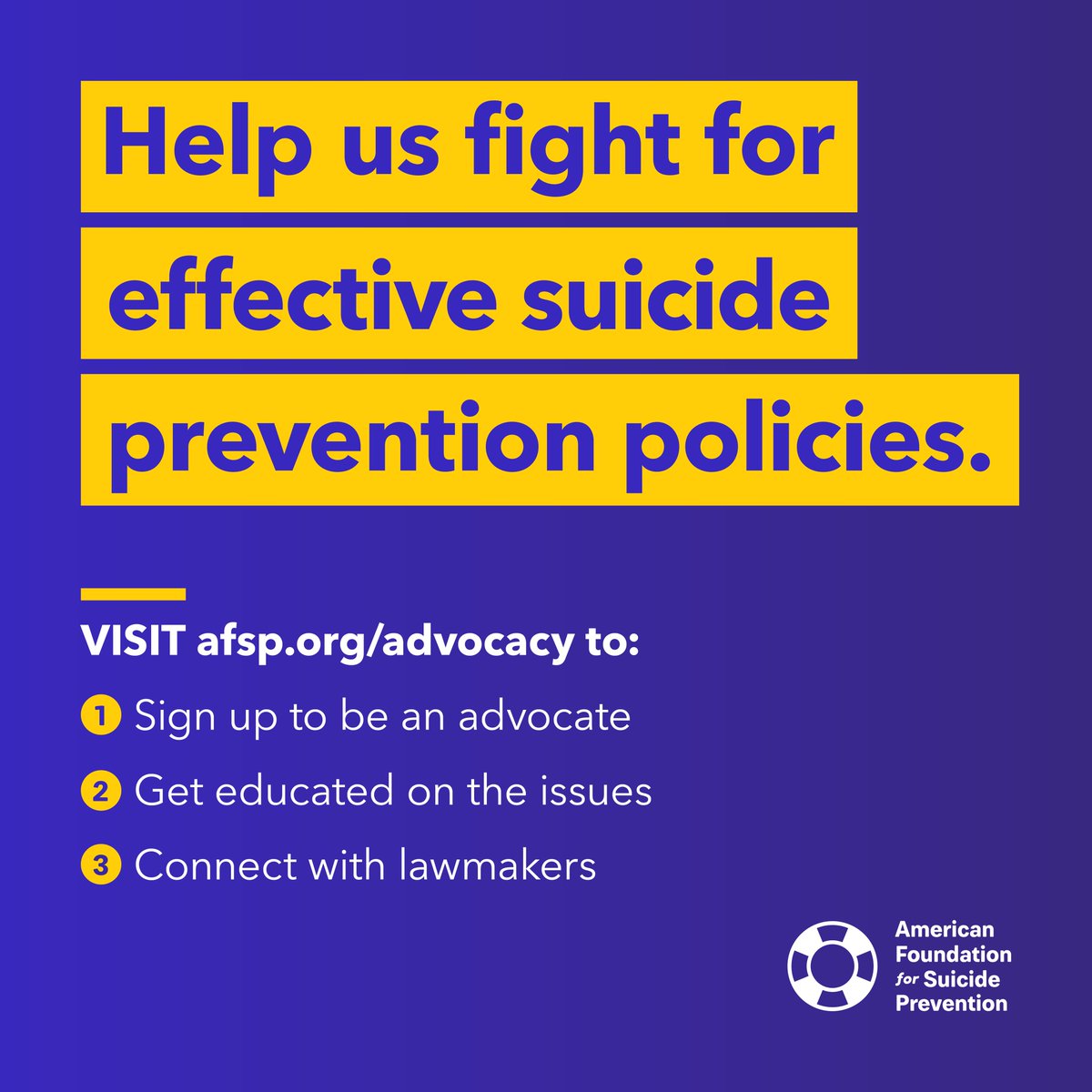
The American Foundation for Suicide Prevention (AFSP) shapes national prevention efforts by funding scientific research, advocating for critical public policies, and implementing community-based education. Through its 50-state chapter network, it bridges the gap between clinical data and public action, driving major initiatives like the 988 Lifeline expansion and the Project 2025 suicide reduction framework.
The Foundation of National Advocacy: Legislative Impact and Policy Reform
The American Foundation for Suicide Prevention has become the leading voice in Washington, D.C., and state capitals for suicide prevention policy. In 2026, the organization continues to leverage its massive Advocacy Volunteer Network—composed of thousands of individuals personally affected by suicide—to push for legislation that treats mental health with the same urgency as physical health.
One of the most significant achievements of the AFSP has been its central role in the rollout and continued funding of the 988 Suicide & Crisis Lifeline. By working closely with the Substance Abuse and Mental Health Services Administration (SAMHSA), AFSP has ensured that the 988 system is not just a phone number but a gateway to a comprehensive crisis care continuum. This includes advocating for state-level "988 telecom fees" to ensure sustainable funding for call centers and mobile crisis teams.
Beyond crisis response, AFSP's policy efforts focus on preventative screenings. The organization has championed the "Effective Suicide Prevention in Schools" mandates, which require K-12 schools to implement comprehensive suicide prevention, intervention, and postvention policies. By standardizing these requirements across states, AFSP ensures that a student’s access to mental health support is not dictated by their zip code.
Funding the Science: AFSP’s Role as a Research Engine
While government agencies like the National Institute of Mental Health (NIMH) provide substantial funding, the AFSP remains the largest private funder of suicide prevention research in the United States. This research is the "north star" that guides all national prevention efforts, ensuring that programs are evidence-based rather than merely well-intentioned.
The AFSP research portfolio focuses on several high-priority areas:
- Neurobiological Factors: Investigating the brain chemistry and genetic markers that may indicate a higher vulnerability to suicidal ideation.
- Clinical Interventions: Testing the efficacy of short-term therapies, such as Cognitive Behavioral Therapy for Suicide Prevention (CBT-SP) and Dialectical Behavior Therapy (DBT).
- Social Determinants of Health: Analyzing how economic stability, housing, and discrimination impact suicide rates in marginalized communities.
By funding "innovation grants," AFSP allows researchers to explore high-risk, high-reward ideas that might not yet qualify for federal funding. Once these smaller studies prove successful, they often receive larger federal grants, effectively leveraging AFSP’s initial investment to drive massive shifts in clinical practice. This cycle is essential for discovering new ways to identify "at-risk" individuals before they reach a point of crisis.
Project 2025: A Data-Driven Framework for National Reduction
Project 2025 represents one of the most ambitious initiatives in the history of the foundation. Launched as a collaborative effort between AFSP and top data scientists, the project identified specific "critical sectors" where the most lives could be saved in the shortest amount of time.
As we move through 2026, the foundation is evaluating the long-term impact of these targeted interventions. The project focused on four key areas:
- Firearms and Lethal Means: Working with the firearms community and veterans' groups to promote safe storage and "time and space" during periods of distress.
- Healthcare Systems: Implementing "Zero Suicide" protocols in emergency departments and primary care settings, ensuring that every patient is screened for suicide risk.
- The Corrections System: Reducing the disproportionately high rates of suicide within jails and prisons through better intake screening and mental health monitoring.
- Large-Scale Workplaces: Partnering with corporations to foster "mental health-friendly" environments and providing managers with the tools to recognize signs of distress in employees.
This framework shifted the national conversation from a general "awareness" model to a specific "intervention" model. By focusing on where the data showed the highest concentration of deaths, AFSP helped national health organizations move away from broad strokes and toward surgical, effective prevention strategies.
Community Education and the Power of "Talk Saves Lives"
National efforts are only effective if they reach the individual. AFSP’s community programs, such as Talk Saves Lives, serve as the frontline of public education. This program provides participants with a clear understanding of suicide, including the most up-to-date research on prevention and what they can do in their own communities to save lives.
In 2026, these programs have been adapted for specific audiences, including:
- Talk Saves Lives: Latinx Communities: Cultural adaptations that address specific barriers to care and stigma within Hispanic and Latino families.
- Talk Saves Lives: Seniors: Focusing on the unique risk factors associated with aging, isolation, and chronic illness.
- It’s Real: College Students and Mental Health: A program designed to help students transition to the high-pressure environment of higher education.
These educational efforts are designed to de-stigmatize mental health struggles. By teaching the general public that suicide is a complex health issue rather than a moral failing or a personal choice, AFSP creates a social environment where people feel safe reaching out for help.
Supporting Loss Survivors and the Lived Experience Community
A unique aspect of AFSP's national strategy is its commitment to those who have lost a loved one to suicide and those who have attempted suicide. The "Out of the Darkness" Walks, held annually in hundreds of cities, serve a dual purpose: they are major fundraisers for research and advocacy, and they are vital "healing spaces" for the community.
The foundation’s Survivor Outreach Program connects newly bereaved individuals with trained volunteers who have also experienced a suicide loss. This peer-to-peer support is a critical component of national "postvention" efforts. Research shows that suicide loss survivors are themselves at a higher risk for suicide; therefore, providing immediate, specialized support is a form of prevention in its own right.
Furthermore, AFSP has led the way in integrating individuals with lived experience (those who have survived an attempt or live with suicidal ideation) into the design of prevention programs. This ensures that the national strategy is grounded in the reality of what it feels like to struggle, leading to more compassionate and effective crisis services.
Comparison of Key AFSP National Initiatives
| Initiative | Primary Focus | National Impact | Primary Audience |
|---|---|---|---|
| 988 Advocacy | Crisis Infrastructure | Established 24/7 universal access to mental health support. | General Public in Crisis |
| Project 2025 | Targeted Intervention | Focused efforts on high-risk sectors (Firearms, ERs, Corrections). | Healthcare & Policy Makers |
| Research Grants | Scientific Discovery | Provides the evidence base for all national clinical guidelines. | Researchers & Clinicians |
| Talk Saves Lives | Public Education | Increases community literacy on risk factors and warning signs. | Local Communities |
| AFSP Advocacy Day | Legislative Change | Drives federal and state funding for mental health services. | Elected Officials |
Strategic Partnerships: Expanding the Reach
AFSP does not operate in a vacuum. Its ability to shape national efforts depends on strategic partnerships with other major organizations. For example, the foundation works with the National Action Alliance for Suicide Prevention to update the "National Strategy for Suicide Prevention," a document that provides a roadmap for all federal and state agencies.
Collaborations with the American Academy of Pediatrics (AAP) have led to the creation of the "Blueprint for Youth Suicide Prevention," which provides pediatricians with specific tools to screen adolescents for suicide risk during routine checkups. By embedding suicide prevention into the fabric of primary medical care, AFSP ensures that mental health is treated as an essential component of overall well-being.
In the corporate sector, AFSP has partnered with major tech companies to improve how social media platforms identify and respond to users posting "help-seeking" or high-risk content. These algorithmic improvements, guided by AFSP’s clinical experts, have allowed for faster intervention and the direct delivery of crisis resources to users in real-time.
Frequently Asked Questions
How does AFSP influence the federal budget for suicide prevention?
AFSP organizes annual "Advocacy Days" where hundreds of volunteers meet with members of Congress to request specific funding levels for the National Institute of Mental Health (NIMH) and the Centers for Disease Control and Prevention (CDC). These efforts have consistently led to increased appropriations for suicide research and data collection. Their non-partisan approach focuses on suicide as a public health issue that affects all demographics, making it a rare point of consensus in federal budgeting.
Can anyone participate in AFSP’s research programs?
While AFSP primarily funds professional researchers through its grant program, they also support "community-based participatory research" where individuals with lived experience can contribute to studies. Additionally, the AFSP website provides a portal for the public to find clinical trials and studies that are currently recruiting participants. This helps bridge the gap between researchers and the populations they aim to serve.
What is the significance of the "Out of the Darkness" walks?
The walks are the AFSP’s largest awareness and fundraising vehicle. Beyond the money raised, which funds nearly all of the organization's research and advocacy, the walks serve to "bring suicide out of the shadows." By gathering thousands of people in public spaces, the walks challenge the stigma associated with suicide and provide a visible support network for those who are grieving.
How does AFSP support suicide prevention in the workplace?
AFSP offers a suite of programs tailored for the corporate world, including the "Interactive Screening Program" (ISP). This is an online tool that allows employees to anonymously take a mental health screening and receive a personalized response from a counselor. This lowers the barrier to seeking help and helps organizations create a culture where mental health is prioritized.
What should I do if I want to help shape prevention efforts locally?
The best first step is to join your local AFSP chapter. Chapters are active in all 50 states and are responsible for delivering education programs, organizing walks, and advocating for state-level policy changes. By becoming an "Advocacy Volunteer," you can receive alerts when important mental health legislation is being debated in your state legislature, allowing you to contact your representatives and share why suicide prevention matters to you.
Taking Action: How to Engage with National Prevention
The American Foundation for Suicide Prevention provides a pathway for anyone to contribute to national prevention efforts. Whether you are a professional looking to implement better screening protocols or a community member wanting to support those in need, the foundation’s evidence-based resources offer a clear starting point.
If you or someone you know is in crisis, the most immediate action is to call or text 988 to reach the Suicide & Crisis Lifeline, which AFSP has worked tirelessly to support. For those looking to contribute to the long-term mission, attending a "Talk Saves Lives" presentation or signing up for the Advocacy Volunteer Network ensures that the momentum of 2026 continues to build toward a future where suicide is a rare and preventable tragedy.
For more information on current initiatives, research grants, and how to find your local chapter, visit the American Foundation for Suicide Prevention (AFSP) official website.