Amended bylaws are the updated and legally binding internal rules that govern the management and operation of a corporation, non-profit, or homeowners association. These amendments reflect changes made to the original governing documents to ensure compliance with current state laws, adapt to organizational growth, or modernize administrative procedures such as digital voting and remote meetings.
In the realm of organizational governance, bylaws serve as the "operating manual" for an entity. However, as an organization matures, the original manual often becomes obsolete. Whether you are managing a Fortune 500 company, a local non-profit, or a residential community association, understanding how to produce properly amended bylaws is critical for maintaining legal standing and operational efficiency.
What Are Amended Bylaws?
Amended bylaws (frequently referred to as amended by laws in some jurisdictions or informal contexts) represent the formal modification of an organization’s internal regulations. Unlike the Articles of Incorporation—which establish the entity’s existence with the state—bylaws are internal documents. They outline the rights and responsibilities of the board of directors, the officers, and the members or shareholders.
An "amendment" is a specific change, addition, or deletion of a section within these bylaws. When an organization undergoes significant changes, it may issue "Amended and Restated Bylaws," which combine all previous amendments into a single, cohesive document for the sake of clarity. In 2026, the demand for amended bylaws has surged as organizations continue to integrate decentralized governance models and advanced digital security protocols into their core structures.
The Hierarchy of Governing Documents
To understand the weight of amended bylaws, one must understand where they sit in the legal hierarchy. If there is a conflict between documents, the following order typically prevails:
- Federal and State Laws: No bylaw can override statutory requirements.
- Articles of Incorporation (or Charter): The foundational document filed with the Secretary of State.
- Bylaws: The internal rules for governance.
- Board Resolutions: Specific decisions made by the board that do not reach the level of a bylaw change.
Common Reasons for Amending Bylaws in 2026
Organizations do not amend their bylaws without cause. Because the process requires formal notice and voting, it is usually reserved for substantive shifts in how the entity functions.
1. Compliance with Modern Statutes
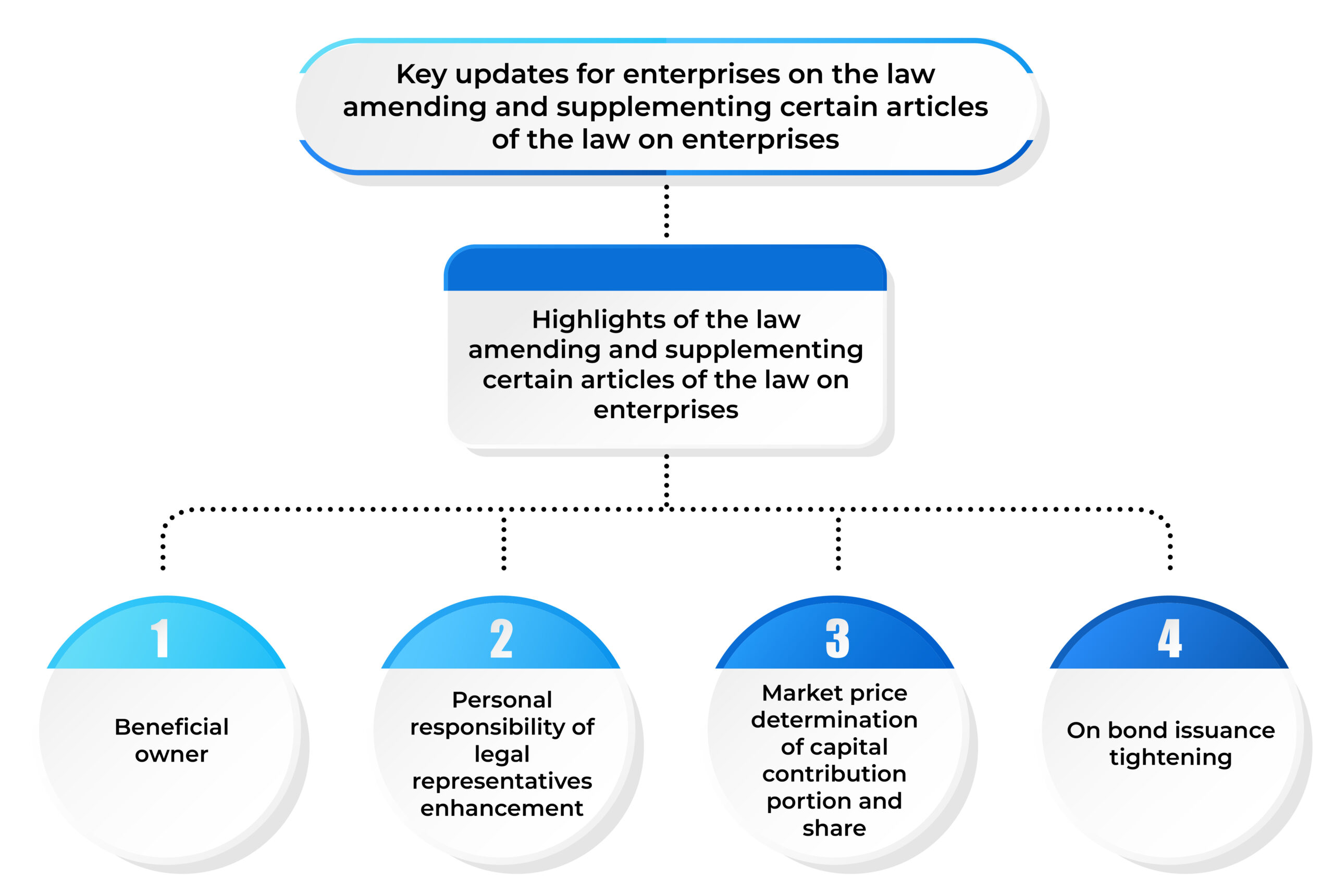
Laws regarding corporate transparency and data privacy have evolved rapidly. For example, the Corporate Transparency Act and subsequent state-level iterations have forced many entities to amend their bylaws to include specific reporting requirements for "beneficial owners." Failure to align bylaws with these statutes can lead to significant penalties.
2. Digital and Hybrid Meeting Governance
By 2026, the transition to hybrid work and virtual boardrooms has become permanent. Many older bylaws required "in-person" presence for a quorum to be met. Amended bylaws now standardly include language that permits video conferencing, electronic notice of meetings, and digital voting platforms, ensuring that actions taken during virtual sessions are legally defensible.
3. Board Composition and Term Limits
As organizations grow, the original board structure may no longer be effective. Amendments are often used to increase or decrease the number of directors, implement staggered terms (to prevent total board turnover in a single year), or establish mandatory retirement ages or term limits to ensure fresh leadership.
4. Indemnification and Liability
Protecting directors and officers from personal liability is a primary function of bylaws. Organizations frequently amend these sections to provide the broadest possible indemnification allowed under state law, often to attract high-quality leadership who would otherwise be wary of the legal risks associated with board service.
The Formal Process of Amending Bylaws
Amending bylaws is a high-stakes procedural task. If the process is not followed exactly as prescribed in the existing bylaws, the amendment can be challenged in court and declared void.
Step 1: Review the Existing Amendment Clause
Before drafting changes, the board must consult the "Amendment" article of the current bylaws. This section dictates who has the power to propose changes (the board or the members), the required notice period, and the voting threshold (e.g., a simple majority vs. a two-thirds supermajority).
Step 2: Drafting the Amendment
The board typically appoints a committee or legal counsel to draft the specific language. It is vital to use precise terminology to avoid ambiguity. For instance, if changing the quorum requirement, the draft must specify whether it is a percentage of all members or just those present at a meeting.
Step 3: Providing Formal Notice
Most jurisdictions and bylaws require that members be notified of the proposed changes well in advance of the vote. This notice usually includes the full text of the proposed amendment and a "redline" version showing the differences between the old and new language.
Step 4: The Deliberation and Vote
At a duly called meeting, the amendment is discussed and put to a vote. Detailed minutes must be kept, recording the number of votes in favor, against, and any abstentions. This documentation is essential if the amendment is ever contested by a dissenting shareholder or member.
Step 5: Certification and Recording
Once approved, the Secretary of the organization should prepare a "Certificate of Amendment." This document certifies that the amendment was adopted according to the proper procedures. While bylaws are generally not filed with the Secretary of State, they must be kept in the corporate records book and, in the case of non-profits, may need to be reported to the IRS on Form 990.
Comparison: Bylaws vs. Articles of Incorporation
Understanding the distinction between these two documents is essential for proper organizational maintenance.
| Feature | Bylaws | Articles of Incorporation |
|---|---|---|
| Primary Purpose | Internal governance and operational rules. | Establishing legal existence with the state. |
| Public Availability | Generally private (except for HOAs or via IRS filings). | Public record available via Secretary of State. |
| Ease of Amendment | Moderate; requires internal vote per bylaws. | Difficult; requires state filing and fees. |
| Typical Content | Quorums, officer duties, meeting schedules. | Entity name, registered agent, share structure. |
| Legal Weight | Subordinate to the Articles. | Superior to the Bylaws. |
Nuances by Entity Type
The requirements for amended bylaws vary significantly depending on the nature of the organization.
Non-Profit Organizations (501(c)(3))
For non-profits, amended bylaws are not just a matter of internal preference; they are a matter of tax-exempt status. If a non-profit changes its mission or its "Dissolution Clause" via an amendment, it must notify the IRS. Significant changes to the governing body must be disclosed on the annual information return. Failure to do so can trigger an audit or the revocation of tax-exempt status.
Homeowners Associations (HOAs)
In an HOA, bylaws govern the "how" of the association (meetings, voting, elections), while the Declaration of Covenants, Conditions, and Restrictions (CC&Rs) govern the "what" (property use, architectural limits). Amending HOA bylaws often requires a vote of the entire membership, not just the board. In many states, amended HOA bylaws must also be recorded in the local county land records to be enforceable against future homeowners.
Closely Held Corporations
In small, private corporations, bylaws are often amended to reflect changes in buy-sell agreements or restrictions on the transfer of shares. These amendments are crucial for preventing outside parties from gaining control of a family-owned or small-partner business.
Common Mistakes in Amending Bylaws
Even experienced boards can falter when updating their governing documents. Avoiding these common pitfalls is essential for maintaining the integrity of the organization.
- Failing to Reach Quorum: If the meeting at which the vote occurs does not meet the quorum requirements specified in the current bylaws, any vote taken is legally invalid.
- Inconsistency with the Articles: If the Articles of Incorporation state the board shall have five members, a bylaw amendment changing that number to seven is ineffective unless the Articles are also amended and filed with the state.
- Vague Language: Using terms like "reasonable notice" instead of "10 business days" leads to disputes. Precise timing and definitions are the hallmarks of well-drafted amended bylaws.
- Ignoring State Statutes: Many states have "default" rules. If your amended bylaws violate a mandatory state statute (such as a shareholder's right to inspect books), the state law will override your bylaws regardless of the vote.
The Role of Legal Counsel
While many templates for amended bylaws exist online, they rarely account for the specific nuances of a particular organization's history or state-specific case law. Engaging a legal professional ensures that the amendments do not inadvertently trigger tax liabilities or create "deadlock" scenarios where the board is unable to function due to overly restrictive new rules. In 2026, many organizations also consult cybersecurity experts when amending bylaws related to digital record-keeping and electronic data integrity.
FAQs About Amended Bylaws
Do amended bylaws need to be filed with the Secretary of State?
In most states, the answer is no. Bylaws are internal documents and are not typically filed with the state. However, the Articles of Amendment (which change the Articles of Incorporation) must be filed. The exception is for certain specialized entities like some homeowners associations in specific jurisdictions, which may be required to record them in local land records.
How often should an organization review and amend its bylaws?
Governance experts generally recommend a comprehensive review every three to five years. However, immediate amendments should be considered if there are significant changes in state law, a major shift in the organization’s mission, or if the board consistently finds that the current rules hinder efficient decision-making.
Can a board of directors amend bylaws without a member vote?
This depends entirely on the existing bylaws and state law. In many corporations, the board is granted the power to amend bylaws unilaterally. However, in non-profits and HOAs, the members usually have the "ultimate" authority, and significant changes often require a membership-wide vote.
What is the difference between "Amended" and "Restated" bylaws?
"Amended" refers to specific changes made to certain sections. "Restated" means the entire document has been re-written to incorporate all previous changes into one fresh version. Most organizations eventually issue "Amended and Restated Bylaws" to prevent people from having to read the original document alongside five separate amendment "riders."
What happens if an organization loses its original bylaws?
If the original bylaws are lost, the board should attempt to find the most recent signed copy or a version provided to a bank or regulatory agency. If no copy can be found, the board may need to formally adopt a new set of bylaws through a board resolution and member vote, essentially "resetting" the governance framework.
Are amended bylaws retroactive?
Generally, no. Amendments take effect from the date they are adopted (or a future date specified in the amendment). They typically do not invalidate actions taken legally under the previous version of the bylaws unless specifically stated and legally permissible under state law.
Final Recommendations for Organizations
If your organization is operating under bylaws that have not been updated in over a decade, you are likely at risk of non-compliance with modern legal standards. The first step is to perform a bylaw audit. Compare your current practices (how you actually hold meetings and vote) with what is written in your documents. If there is a disconnect, it is time to draft amended bylaws.
Always ensure that the final, signed version of the amended bylaws is scanned and stored in a secure, redundant digital location, and that a physical copy is kept in the corporate minute book. Transparency with members during the amendment process is not just good practice—it is the best defense against future litigation.