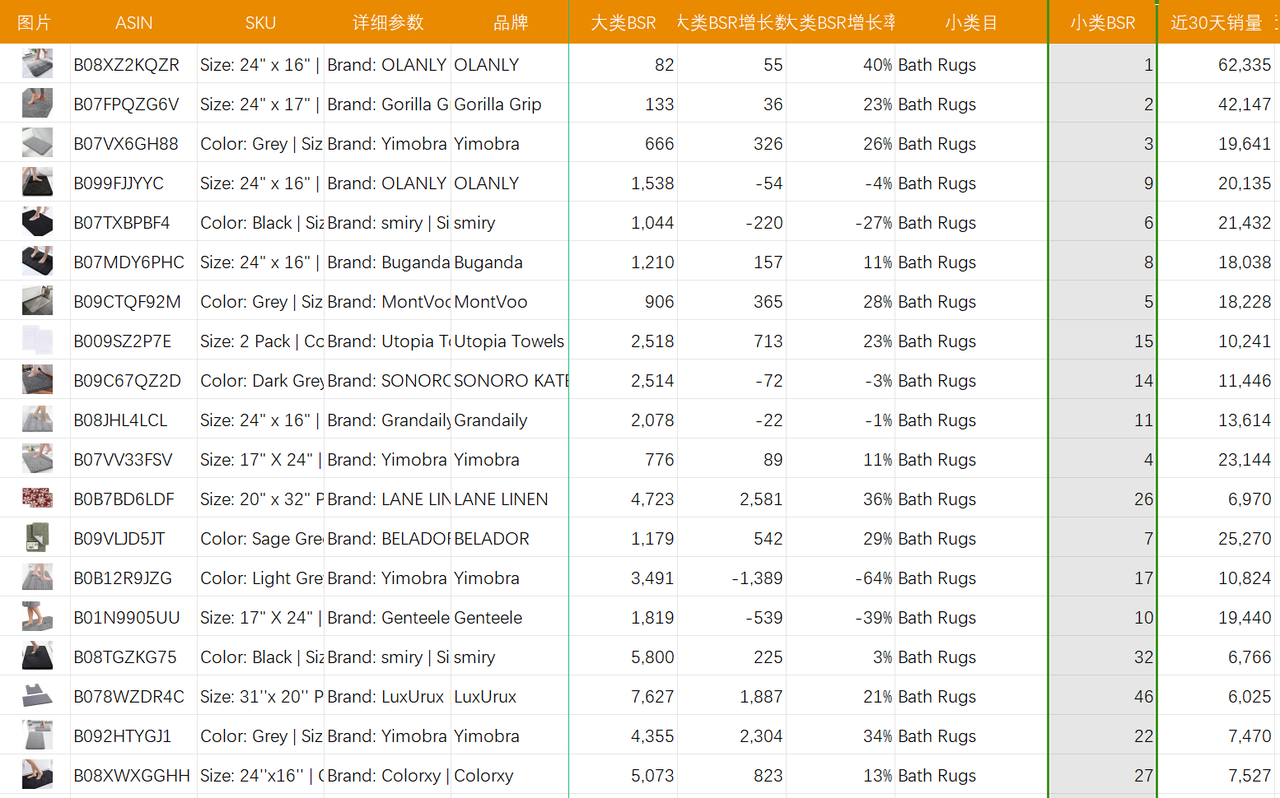
Amazon ranks product listings using a complex, proprietary algorithm designed to maximize "Revenue Per Mille" (RPM)—the profit generated for every thousand search results shown. The platform prioritizes listings based on three primary pillars: conversion performance (sales velocity), linguistic relevance to the search query, and customer satisfaction metrics including shipping speed and return rates.
In the competitive landscape of 2026, understanding how Amazon orders its search results is no longer just about keyword stuffing; it is about mastering a multi-dimensional ecosystem where machine learning models, such as the COSMO algorithm, now interpret human intent alongside traditional search data. To succeed, sellers must align their operational efficiency with the platform’s goal of providing the most frictionless shopping experience possible.
The Architecture of Amazon’s Search Algorithm
The foundation of Amazon’s ranking logic has historically been the A9 and later the A10 algorithm. However, by 2026, these systems have evolved into a sophisticated hybrid of traditional keyword indexing and advanced semantic AI. Unlike Google, which focuses on information retrieval, Amazon is a transactional search engine. Its primary objective is to convert a browser into a buyer as quickly as possible.
When a user enters a query, the platform undergoes a two-step process:
- Filtering: The algorithm identifies all products that are "indexed" for that specific keyword. If your listing does not contain the keyword or a semantically related variation, it is filtered out immediately.
- Ranking: The algorithm then orders these filtered products based on their likelihood of resulting in a purchase. This likelihood is calculated using historical data, current performance trends, and predictive modeling.
This shift toward predictive modeling means that Amazon now looks at "intent clusters." For example, if a user searches for "camping gear," the algorithm understands they might actually need a "waterproof tent," even if the word "gear" isn't the primary focus of that specific listing.
The Performance Pillar: Sales Velocity and Conversion
At its core, Amazon is a business that prioritizes products that have a proven track record of making money. This is often referred to as Sales Velocity.
Sales Velocity and Momentum
Sales velocity is the speed at which a product moves through the inventory cycle. Amazon does not just look at total lifetime sales; it weighs recent sales (the last 7 to 30 days) much more heavily. This creates a "flywheel effect": more sales lead to higher rankings, which leads to more visibility, which in turn leads to more sales.
In 2026, the algorithm also accounts for Relative Sales Velocity. This compares your sales volume to that of your direct competitors within the same sub-category. If you are selling 10 units a day but the category leader is selling 100, your ranking will remain capped until you can bridge that gap through advertising or improved conversion.
Unit Session Percentage (Conversion Rate)
The Unit Session Percentage is Amazon’s specific metric for conversion rate. It is calculated by dividing the total units ordered by the number of unique sessions (visitors) your listing received. A high conversion rate signals to Amazon that your product is exactly what customers are looking for when they use a specific search term.
To optimize this, sellers must focus on:
- High-Quality Imagery: Including 3D renders and lifestyle videos that reduce consumer hesitation.
- Pricing Strategy: Products priced competitively relative to their "Value Cluster" (products with similar features and reviews) tend to convert at higher rates.
- A+ Content: Rich descriptions that answer potential buyer questions before they are even asked.
The Relevance Pillar: Semantic Indexing and Metadata
Relevance determines whether you are allowed to compete for a keyword. If your performance is the "engine" of your ranking, relevance is the "track" it runs on.
The Power of the Title and Backend Keywords
The product title remains the most influential piece of metadata. Amazon's natural language processing (NLP) gives the highest weight to the first 50–80 characters of a title. However, the use of "Backend Search Terms"—keywords hidden from the customer but visible to the algorithm—has become more critical in 2026. These allow sellers to include synonyms, common misspellings, and long-tail variations without cluttering the user-facing listing.
Semantic Mapping and COSMO
By 2026, Amazon’s COSMO (Common Sense Knowledge Graph) has significantly influenced how listings are ordered. COSMO helps the algorithm understand the "why" behind a search. If a customer searches for "detergent for sensitive skin," the algorithm doesn't just look for those specific words; it looks for products that have attributes like "hypoallergenic," "fragrance-free," and "dermatologist-tested."
This means that listing optimization now requires a deep dive into Product Attributes. Sellers must ensure that every technical specification field in the backend of Seller Central is filled out accurately, as these attributes feed the semantic filters that power the "Refine by" sidebar and AI-driven recommendations.
The Logistics Pillar: Trust and Customer Satisfaction
Amazon’s brand is built on reliability. Consequently, the algorithm penalizes listings that threaten that reputation.
Fulfillment Method: FBA vs. FBM
Fulfillment by Amazon (FBA) remains a dominant ranking factor. Products that are "Prime Eligible" receive a significant boost because Amazon can guarantee delivery times. Listings using Fulfillment by Merchant (FBM) can rank highly, but only if they maintain "Seller Fulfilled Prime" status or demonstrate shipping speeds that rival Amazon’s own logistics network.
Inventory Health and Out-of-Stock Penalties
One of the fastest ways to lose a high ranking is to run out of stock. When a product is unavailable, its sales velocity drops to zero, and its ranking position is quickly taken by a competitor who can fulfill orders. In 2026, the algorithm is more forgiving of "managed" stock-outs (where a seller uses the 'vacation mode' or sets a future restock date) than of abrupt inventory depletion, but the recovery period for organic ranking can still take weeks.
Review Velocity and Sentiment Analysis
It is not just the number of stars that matters, but the Review Velocity (how frequently you receive new reviews) and the Sentiment within those reviews. Amazon’s AI now scans review text to identify recurring themes. If multiple customers mention that a "waterproof" watch leaked, the algorithm may suppress the listing for the keyword "waterproof," even if the overall star rating remains high.
Comparative Analysis of Ranking Factors
The following table outlines the primary factors that influence Amazon's product ordering system as of 2026, categorized by their impact and the effort required to optimize them.
| Ranking Factor | Category | Impact Level | Optimization Complexity | Key Metric to Watch |
|---|---|---|---|---|
| Sales Velocity | Performance | Critical | High | Units sold per 24 hours |
| Conversion Rate | Performance | Critical | Medium | Unit Session Percentage |
| Title Relevance | Relevance | High | Low | Keyword Click-Through Rate (CTR) |
| Fulfillment (Prime) | Logistics | High | Low | Buy Box Percentage |
| Review Sentiment | Trust | Medium | High | Natural Language Processing (NLP) Score |
| Backend Keywords | Relevance | Medium | Low | Indexing Status |
| Price Competitiveness | Performance | Medium | Medium | Price vs. Category Average |
| Return Rate | Trust | High | High | Defect Rate / Return Percentage |
The Impact of Artificial Intelligence and "Rufus" in 2026
The introduction of Rufus, Amazon’s generative AI shopping assistant, has changed the "ordering" of listings by introducing a conversational layer above the standard search grid. Rufus doesn't just provide a list; it provides recommendations based on a synthesis of product descriptions, customer reviews, and Q&A sections.
To rank well within AI-generated responses, products must have "clean" data. This means avoiding hyperbolic language and focusing on factual, attribute-rich content. When Rufus answers a query like "What is the best blender for frozen smoothies?", it pulls from listings that specifically mention "ice-crushing power" and "hardened stainless steel blades" in their technical specs and A+ content.
Off-Platform Traffic and Amazon Attribution
In 2026, Amazon significantly rewards sellers who bring external traffic to the platform. Through the Amazon Attribution program, the algorithm tracks traffic originating from social media, Google Ads, and email marketing.
When a seller drives high-intent external traffic to their listing, Amazon often grants a "ranking credit." This is because external traffic represents "new" customers or additional market share that Amazon didn't have to spend its own marketing budget to acquire. Listings that consistently bring in outside traffic often see a "halo effect" on their organic search positions for their primary internal keywords.
Common Mistakes in Ranking Strategy
Despite the wealth of data available, many sellers fail to maintain their rankings due to preventable errors:
- Keyword Stuffing: Modern NLP models penalize titles that are unreadable to humans. If a title is a mere string of keywords, the CTR will drop, which eventually lowers the organic rank.
- Neglecting the "Customer Service" Loop: High return rates are a "silent killer." Even if you have high sales, a return rate significantly higher than the category average will lead to "Search Suppression" or a "Frequently Returned" badge on your listing.
- Ignoring Mobile Optimization: Over 70% of Amazon purchases are made on mobile devices. Listings with images that are difficult to read on small screens or descriptions that require excessive scrolling will suffer from lower conversion rates.
Frequently Asked Questions
Does Amazon PPC improve organic ranking?
Yes, but indirectly. Amazon PPC (Pay-Per-Click) advertising does not have a "weighted" score that automatically boosts organic rank. However, sales generated through PPC contribute to your overall Sales Velocity. If a PPC campaign leads to a high volume of sales and a strong conversion rate, the algorithm recognizes the product's popularity, which in turn improves its organic positioning.
How long does it take to see changes in ranking after optimization?
Typically, the algorithm processes metadata changes (titles, keywords) within 15 to 30 minutes. However, the impact on organic ranking based on those changes depends on the resulting conversion data. It usually takes 7 to 14 days of consistent sales data for the algorithm to re-calibrate a product's position in a competitive search landscape.
Can a higher price improve my ranking?
Generally, no. Amazon is price-sensitive. However, if a higher price is associated with a "Premium" brand image that leads to better reviews and lower return rates, it can stabilize long-term ranking. In 2026, the algorithm focuses on Value for Money, meaning it compares your price point against the features and quality reported by customers in reviews.
Why did my product drop in ranking even though my sales are steady?
Ranking is relative. If your sales are steady but your competitors have increased their sales velocity—perhaps through a deal, a viral social media post, or a more aggressive ad spend—you will drop in rank. Additionally, a sudden spike in negative reviews or an increase in your "Order Defect Rate" can trigger a manual or algorithmic suppression of your listing.
Does the age of a listing affect its rank?
Amazon gives a temporary "honeymoon period" boost to new listings to help them gather data. Beyond that, older listings have the advantage of a long-term sales history and a larger pool of reviews. However, an old listing that has become stagnant can be easily overtaken by a newer, more relevant listing with higher current sales momentum.
Strategic Recommendations for 2026
To master Amazon’s ranking system in the current year, sellers must move beyond basic SEO. The priority should be data integrity and conversion efficiency. Start by auditing your backend attributes to ensure you are capturing semantic search traffic through the COSMO framework.
Furthermore, prioritize "Inventory Health" as a core ranking metric. Use predictive analytics to ensure you never drop below a 30-day supply, as the "cost" of regaining a lost rank due to a stock-out is often higher than the cost of holding extra inventory. Finally, leverage Amazon Attribution to drive external traffic, signaling to the algorithm that your product is a market leader both inside and outside the Amazon ecosystem.