Amazon packages frequently arrive earlier than the initial estimated delivery date due to the company’s sophisticated logistics network, predictive AI algorithms, and the strategic placement of regional fulfillment centers. This advanced infrastructure allows Amazon to move inventory closer to customers before orders are even finalized, often resulting in early or ahead-of-schedule arrivals.
In 2026, the retail landscape is defined by immediate gratification. For Amazon customers, the "Estimated Delivery Date" has increasingly become a conservative placeholder rather than a strict deadline. While receiving a package early is usually a pleasant surprise, it requires an understanding of how the Amazon logistics engine works and how to manage the security of your home when deliveries occur unexpectedly.
The Mechanics of Early Delivery: Predictive Logistics
The primary reason Amazon packages can arrive early is a process known as Anticipatory Shipping. This is not a new concept, but by 2026, it has been refined through a decade of machine learning. Amazon’s systems analyze massive datasets—including local search trends, historical purchasing patterns, and even weather forecasts—to predict what customers in a specific geographic area are likely to buy.
Regional Inventory Placement
Instead of waiting for you to click "Buy Now," Amazon often moves high-demand items to "Sorting Centers" or "Delivery Stations" near your zip code in anticipation of demand. When you finally place the order, the product is already only a few miles away. If the "Last Mile" carrier (whether it is Amazon Logistics, UPS, or a local courier) has a light route that day, the package can be processed and delivered much faster than the automated system initially predicted.
The Buffer in Delivery Estimates
Amazon’s delivery estimates are designed to manage customer expectations. The "Estimated Delivery Date" typically includes a "buffer"—a safety margin that accounts for potential delays in the warehouse, weather disruptions, or high traffic. When the supply chain operates at peak efficiency without these disruptions, the buffer is removed, and the package arrives one or two days ahead of the date shown at checkout.
Understanding the Amazon Logistics (AMZL) Network
To understand why your package might arrive early, it is essential to distinguish between the different entities that handle your mail. As of 2026, Amazon Logistics (AMZL) handles the vast majority of residential deliveries, which provides Amazon with granular control over the timing.
Fulfillment Centers vs. Delivery Stations
The journey begins at a Fulfillment Center (FC), where millions of items are stored. Once an order is placed, it moves to a Sorting Center, where it is grouped by zip code. Finally, it reaches a Delivery Station, the final stop before it reaches your door. Early arrivals often happen because the transition between the Sorting Center and the Delivery Station occurs overnight, allowing the package to be loaded onto a delivery van for the morning shift, bypassing the predicted 48-hour window.
Delivery Service Partners (DSPs)
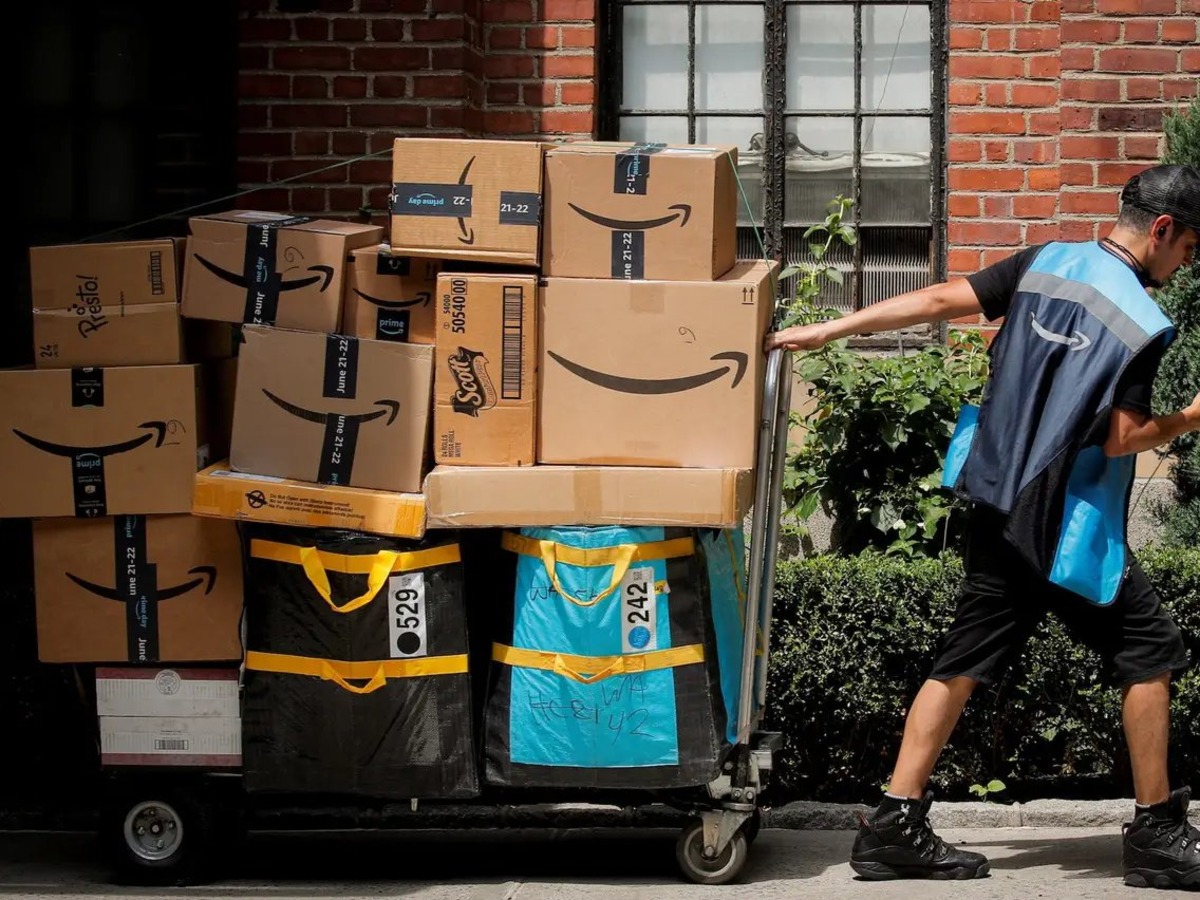
Most "Amazon vans" you see on the road are operated by Delivery Service Partners (DSPs). These are independent businesses contracted by Amazon. DSP drivers are incentivized to complete their routes efficiently. If a driver has a low volume of packages on a Tuesday morning, they may clear their backlog of "scheduled for tomorrow" packages today, resulting in an early arrival for you.
Tracking and Notification Systems in 2026
Staying informed about an early arrival is crucial for package security. Amazon has integrated several technologies to ensure you are not caught off guard.
- Amazon Map Tracking: This feature allows you to see the progress of your delivery driver on a real-time map once they are within a few stops of your home. If a package is arriving early, the Map Tracking feature will activate ahead of the original schedule.
- Push Notifications: By enabling notifications in the Amazon Shopping app, you receive alerts when the package leaves the facility, when it is "out for delivery," and a final photo confirmation once it is dropped off.
- Share Tracking: In 2026, Amazon allows users to share tracking links with family members or neighbors. If a package is arriving early and you are at work, a neighbor can be alerted to bring the item inside.
Security Implications of Early Arrivals
While early delivery is a logistical feat, it can pose security risks. A package that arrives 24 hours early might sit on a porch while the resident is away, making it a prime target for "porch pirates."
The Unattended Package Problem
According to data regarding package theft, a significant percentage of stolen packages are taken within the first two hours of delivery. When a package arrives early, the recipient may not have made arrangements for someone to be home, or they might not check their porch because they weren't expecting a delivery until the following day.
Solutions for Secure Delivery
To mitigate these risks, Amazon offers several alternatives to standard front-door delivery:
- Amazon Key: This service allows authorized drivers to deliver packages inside your garage, gate, or even your front door (using a smart lock). This is particularly useful for early arrivals as the package remains secure regardless of your location.
- Amazon Hub Lockers: If you live in an area with high foot traffic, directing your delivery to a secure locker ensures that even if it arrives early, it will wait for you in a locked compartment.
- Amazon Day Delivery: If you prefer predictability over speed, you can opt for "Amazon Day," which groups all your orders to arrive on a specific day of the week, reducing the frequency of unexpected or early arrivals.
Comparing Amazon Delivery Methods
The likelihood of an early arrival often depends on the shipping tier you choose. Below is a comparison of how different services typically behave in 2026.
| Delivery Tier | Estimated Window | Frequency of Early Arrival | Primary Carrier |
|---|---|---|---|
| Prime Same-Day | < 24 Hours | Low (Already at max speed) | Amazon Logistics |
| Prime Two-Day | 48 Hours | High | Amazon Logistics / UPS |
| Standard Shipping | 3–5 Days | Very High | USPS / Amazon Logistics |
| No-Rush Shipping | 5–7 Days | Highest | USPS / Regional Couriers |
| Amazon Hub Locker | Varies | Moderate | Amazon Logistics |
What to Do If Your Tracking Says Early
If you notice your tracking status has updated to "Arriving Early," there are several steps you should take to ensure a smooth handoff.
Verify the Delivery Location
Ensure that your preferred delivery instructions are up to date in the Amazon app. You can specify "deliver to back porch" or "leave behind the planter" to hide the package from street view.
Alert Household Members
If you share a home, ensure everyone knows the package is arriving ahead of schedule. Often, packages are brought inside by a roommate or spouse without the primary account holder realizing it, leading to "false" reports of missing items.
Monitor the "Out for Delivery" Status
The "Out for Delivery" status is the most accurate indicator. Once this appears, the package is physically on the vehicle. In 2026, the arrival time is usually within a 2-to-4-hour window from the time this status updates.
Common Obstacles to Early Delivery
Despite the efficiency of the network, several factors can prevent a package from arriving early, even if the tracking initially suggested it might.
- Third-Party Sellers: Items fulfilled by third-party sellers (Merchant Fulfilled) do not use the Amazon Logistics network and are subject to the shipping speeds of the independent seller. These rarely arrive early.
- Hazardous Materials: Items containing lithium batteries or certain chemicals must be shipped via ground transport (ORM-D), which is slower and more strictly regulated, making early arrival unlikely.
- Weight and Bulk: Oversized items (televisions, furniture) require specialized "Heavy and Bulky" delivery teams. These deliveries are usually scheduled by phone or a specific time-slot app, leaving little room for unscheduled early arrivals.
Frequently Asked Questions
Can I request my Amazon package to arrive early?
You cannot specifically request an early arrival beyond choosing the fastest shipping speed at checkout (such as Same-Day or Overnight). However, by selecting a delivery address close to an Amazon Fulfillment Center, you naturally increase the statistical likelihood of an early delivery.
Why does the tracking say "Arriving Today" but then changes back to the original date?
This often happens due to a logistical "miss-sort." A package may be scanned into a local delivery station, triggering an "Arriving Early" notification, but if the driver runs out of time or the package was placed on the wrong van, the system reverts to the original, more conservative estimate.
Is an early arrival guaranteed if I see it in the app?
No. Until the package is marked "Out for Delivery," the early date is an automated estimate. Operational delays, such as a vehicle breakdown or staffing shortages at the delivery station, can push the date back to the original window.
Does Prime membership make early arrivals more common?
Yes. Prime members have access to the "Advanced Fulfillment" network, which prioritizes their packages for the fastest available transport. Standard shipping users often see their packages sit in a "Pending" state for several days, whereas Prime items move immediately, increasing the chance of beating the estimate.
What should I do if an early package is stolen?
If a package arrives early and is stolen before you can retrieve it, you should contact Amazon Customer Service. Amazon typically has a "Safe Delivery" guarantee, but they may ask you to wait 24 to 48 hours to ensure it wasn't a "ghost delivery" (where a driver marks it delivered but drops it off later).
Final Recommendation for Amazon Shoppers
To make the most of Amazon's fast logistics in 2026, always enable mobile push notifications for the Amazon app. Early arrivals are a testament to the efficiency of modern supply chains, but they require a proactive approach to home security. If you are frequently away from home, consider using an Amazon Hub Locker or the Amazon Day feature to gain more control over your delivery schedule and prevent packages from sitting unattended on your doorstep.