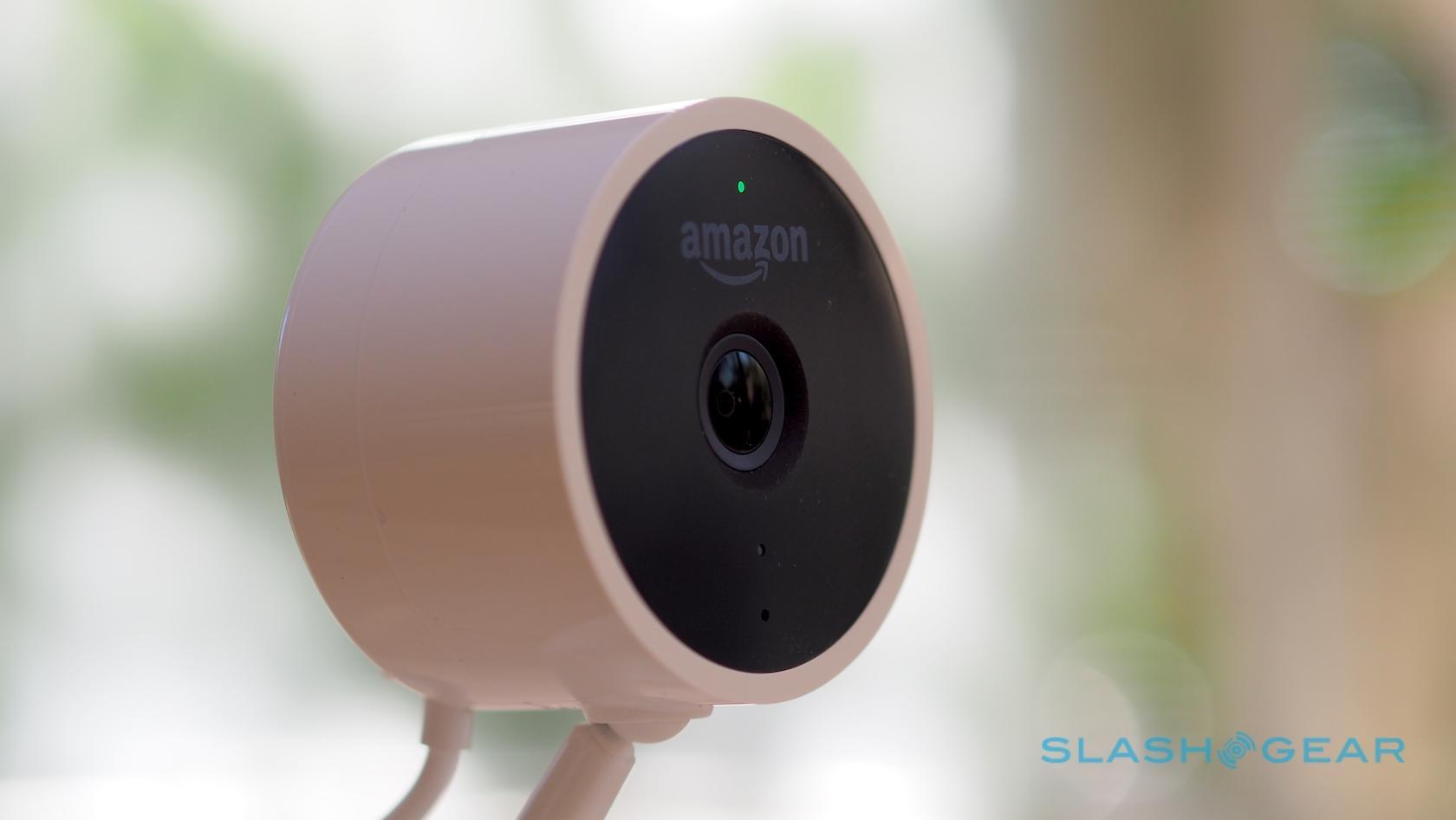
As of 2026, the Amazon Cloud Cam is a legacy home security device that is no longer functional. Amazon officially terminated support for the device and its associated cloud services on December 2, 2022, rendering the hardware unusable for monitoring or recording. Users can no longer access live streams or historical footage through the Cloud Cam app or Alexa-enabled devices.
The History and Evolution of Amazon Cloud Cam
Launched in late 2017, the Amazon Cloud Cam represented the retail giant’s first major internal foray into the dedicated home security camera market. Before this, Amazon had relied on third-party integrations to fill the "Smart Home" category on its platform. The Cloud Cam was designed to be a budget-friendly but high-performing alternative to established players like Nest and Arlo.
The primary driver behind the Cloud Cam was not just security, but the expansion of the Amazon ecosystem into the physical home. It was the centerpiece of the "Key by Amazon" program, which allowed delivery drivers to drop packages inside a customer’s home or garage to prevent package theft. The Cloud Cam acted as the "eyes" of this operation, recording the entry and exit of the courier to ensure transparency and safety.
Despite a strong start and positive reviews for its 1080p video quality and reliable motion detection, the Cloud Cam occupied an awkward position in Amazon's portfolio after the company acquired Blink in 2017 and Ring in 2018. While Blink focused on ultra-affordable, battery-powered simplicity and Ring focused on comprehensive professional-grade security and doorbells, the Cloud Cam was an indoor-only, corded device that began to see fewer updates as Amazon shifted its engineering resources toward its more popular subsidiaries.
Technical Specifications of the Original Hardware
To understand why the Cloud Cam was popular during its lifecycle, one must look at the hardware specifications that were quite competitive for the $120 price point at launch. Even by 2026 standards, the raw hardware specs were respectable for an indoor entry-level camera.
- Video Resolution: 1080p Full HD at 30 frames per second.
- Field of View: 120-degree diagonal lens, providing a wide look at most standard rooms.
- Night Vision: Eight infrared LEDs allowed the camera to see in total darkness, a feature that was often superior to the early Blink models.
- Audio: Two-way audio allowed users to speak through the camera via the Cloud Cam app.
- Integration: Deep integration with Alexa, allowing users to say, "Alexa, show me the living room" on an Echo Show or Fire TV.
The device relied entirely on a 5V/2A micro-USB power source and a 2.4GHz Wi-Fi connection. Unlike many modern cameras in 2026 that offer dual-band Wi-Fi (2.4GHz and 5GHz), the Cloud Cam’s reliance on the saturated 2.4GHz band was one of its early technical bottlenecks in dense urban environments.
The 2022 Shutdown: Why the Cameras Stopped Working
In early 2022, Amazon notified Cloud Cam owners that the service would be discontinued by the end of the year. This move was part of a strategic consolidation of Amazon’s smart home brands. On December 2, 2022, the cloud backend—the servers that process the video, handle motion alerts, and store clips—was permanently taken offline.
Because the Amazon Cloud Cam was a "cloud-first" device, it lacked any form of local storage. There was no microSD card slot and no official way to route the video stream to a local Network Attached Storage (NAS) or Digital Video Recorder (DVR). When the servers went dark, the hardware lost its ability to communicate. In 2026, if you plug in an original Amazon Cloud Cam, you will likely see a blinking status light indicating a failure to connect to the authentication servers.
Amazon mitigated the shutdown by offering eligible Cloud Cam owners a free Blink Mini camera and a one-year subscription to the Blink Subscription Plus plan. This transition effectively moved the remaining Cloud Cam user base into the Blink ecosystem, which continues to thrive today.
Why You Cannot "Hack" or Reuse Cloud Cam Hardware in 2026
A common question among tech enthusiasts and former owners is whether the Amazon Cloud Cam can be repurposed using custom firmware or third-party software like Home Assistant or Blue Iris.
Technically, the Cloud Cam uses a proprietary, encrypted firmware that was never officially opened by Amazon. Unlike some older cameras from brands like Wyze or Foscam, which support RTSP (Real-Time Streaming Protocol), the Cloud Cam was locked down to the Amazon Web Services (AWS) ecosystem.
While some independent developers explored "jailbreaking" the hardware, the complexity of the onboard security chips made it impractical for the average user. Furthermore, by 2026, the hardware components inside—specifically the image sensor and the Wi-Fi chip—have been surpassed by significantly cheaper and more efficient alternatives. Attempting to revive a Cloud Cam is generally considered a "sunk cost" project because a modern $25 security camera typically offers better dynamic range, faster processing, and official local storage options that the Cloud Cam never possessed.
Comparing the Legacy Cloud Cam to 2026 Alternatives
For those looking to replace their old Cloud Cam or understanding how the market has shifted, it is helpful to see how the original device stacks up against the current leaders in the Amazon-owned ecosystem (Blink and Ring).
| Feature | Amazon Cloud Cam (Legacy) | Blink Mini 2 (2026 Era) | Ring Indoor Cam (Gen 3) |
|---|---|---|---|
| Status | Discontinued / Non-functional | Active | Active |
| Primary Power | Micro-USB (Plug-in) | USB-C (Plug-in) | USB-C (Plug-in) |
| Video Quality | 1080p HD | 1080p HD with HDR | 1440p / 2K HD |
| Local Storage | None | Via Sync Module 2 | Edge Storage (Select Models) |
| AI Features | Basic Motion / Person | Person / Pet / Package | Advanced Person Tracking |
| Privacy Features | Digital Toggle Only | Physical Privacy Shutter | Integrated Privacy Swivel |
| Subscription | Cloud Cam Plan (Defunct) | Blink Plus/Basic | Ring Home Plans |
The transition from the Cloud Cam to the Blink and Ring lines shows a clear evolution toward two distinct consumer paths. Blink has become the "value" brand, focusing on high-volume, low-cost hardware with optional local storage. Ring has evolved into a "prosumer" brand, offering higher resolutions and more sophisticated software features like "Pre-Roll," which records a few seconds of video before a motion event is even triggered.
Privacy and Data Security Concerns
One of the lasting legacies of the Amazon Cloud Cam was the discussion it sparked regarding cloud-dependent hardware. Because the device was a "brick" without its cloud connection, it highlighted the "ownership vs. licensing" debate in smart home technology.
When the service was shut down in 2022, Amazon confirmed that all stored video clips were deleted from their servers. In 2026, former users can rest assured that their historical data from the Cloud Cam era is no longer accessible or stored. However, this serves as a case study for modern buyers: when choosing a home security camera today, it is vital to check for "Local Mode" or "Offline Support." If a manufacturer goes out of business or decides to end a product line, devices with local storage or RTSP support will continue to function, whereas cloud-only devices like the Cloud Cam become e-waste.
Proper Disposal of Old Cloud Cam Units
If you still have an Amazon Cloud Cam in a drawer or mounted on a wall in 2026, it is important to dispose of it responsibly. Since the device contains a circuit board, camera lens, and various electronic components, it should not be thrown in the regular trash.
- Amazon Trade-In Program: While the Cloud Cam no longer has resale value, Amazon often includes it in their "Recycling" or "Trade-In" categories. Occasionally, recycling a defunct Amazon device can net you a small percentage-off coupon for a new device (like a Ring or Blink camera).
- Local E-Waste Centers: Most municipalities offer electronics recycling. These facilities can strip the device for precious metals and ensure the plastic housing is processed correctly.
- Data Destruction: Since there is no internal storage for video (it was all in the cloud), there is no need to "wipe" the device physically to protect your privacy before disposal. Simply removing it from your Amazon account (if it still appears in your "Manage Your Content and Devices" section) is sufficient.
The Role of "Key by Amazon" in 2026
While the Cloud Cam is gone, the "Key by Amazon" service that it pioneered is more prevalent than ever in 2026. The service has moved away from needing a specific Amazon-branded camera. Today, the service works seamlessly with a wide variety of Ring cameras, Blink cameras, and smart locks from brands like Yale and Schlage.
The original vision of the Cloud Cam—to provide a secure, monitored way for couriers to enter a home—has been refined. Most modern setups use a smart garage door opener (like myQ) combined with a camera, which users find less intrusive than giving a courier access to the actual living space.
Frequently Asked Questions
Can I still download the Amazon Cloud Cam app?
As of 2026, the Amazon Cloud Cam app has been removed from the Apple App Store and Google Play Store. If you still have the app installed on an old phone, it will fail to log in or display a "Service Unavailable" error. Users are encouraged to use the Blink or Ring apps for their current security needs.
What happened to my Cloud Cam video recordings?
When the service officially ended on December 2, 2022, Amazon provided a window of time for users to download their clips. Following that deadline, all footage stored on Amazon’s servers was permanently deleted. There is no way to recover that data in 2026.
Is there any trade-in value for the Cloud Cam today?
Generally, the Amazon Cloud Cam has zero market value because it is non-functional. However, you should check the "Amazon Trade-In" store. While you won't get a significant cash payout, Amazon occasionally offers a $5 gift card or a 20% discount on a new Amazon device in exchange for recycling old hardware.
Did Amazon replace the Cloud Cam for free?
During the 2022 shutdown period, Amazon offered a free Blink Mini and a year of service to active Cloud Cam users. This offer has long since expired. If you are just now discovering an old Cloud Cam, you will likely need to purchase a replacement at current market prices.
Why did Amazon stop making their own-brand cameras?
Amazon did not stop making cameras; they simply changed the branding. By acquiring Blink and Ring, Amazon gained two established brands with better market recognition and specialized engineering teams. It was more efficient to grow those brands than to maintain a third, separate line of Amazon-branded cameras.
Practical Recommendation for 2026
If you are currently looking for a home security solution and were previously a fan of the Cloud Cam’s simplicity, the Blink Mini 2 or the Ring Indoor Cam (2nd/3rd Gen) are the direct spiritual successors.
For those who prioritize privacy and longevity, look for cameras that support local storage via microSD card or those that are compatible with the Matter smart home standard. Matter-compatible cameras are increasingly common in 2026 and offer better prospects for long-term functionality, even if a specific manufacturer’s cloud service is discontinued. Avoid purchasing any "new old stock" Amazon Cloud Cams found on auction sites, as they cannot be activated or used.