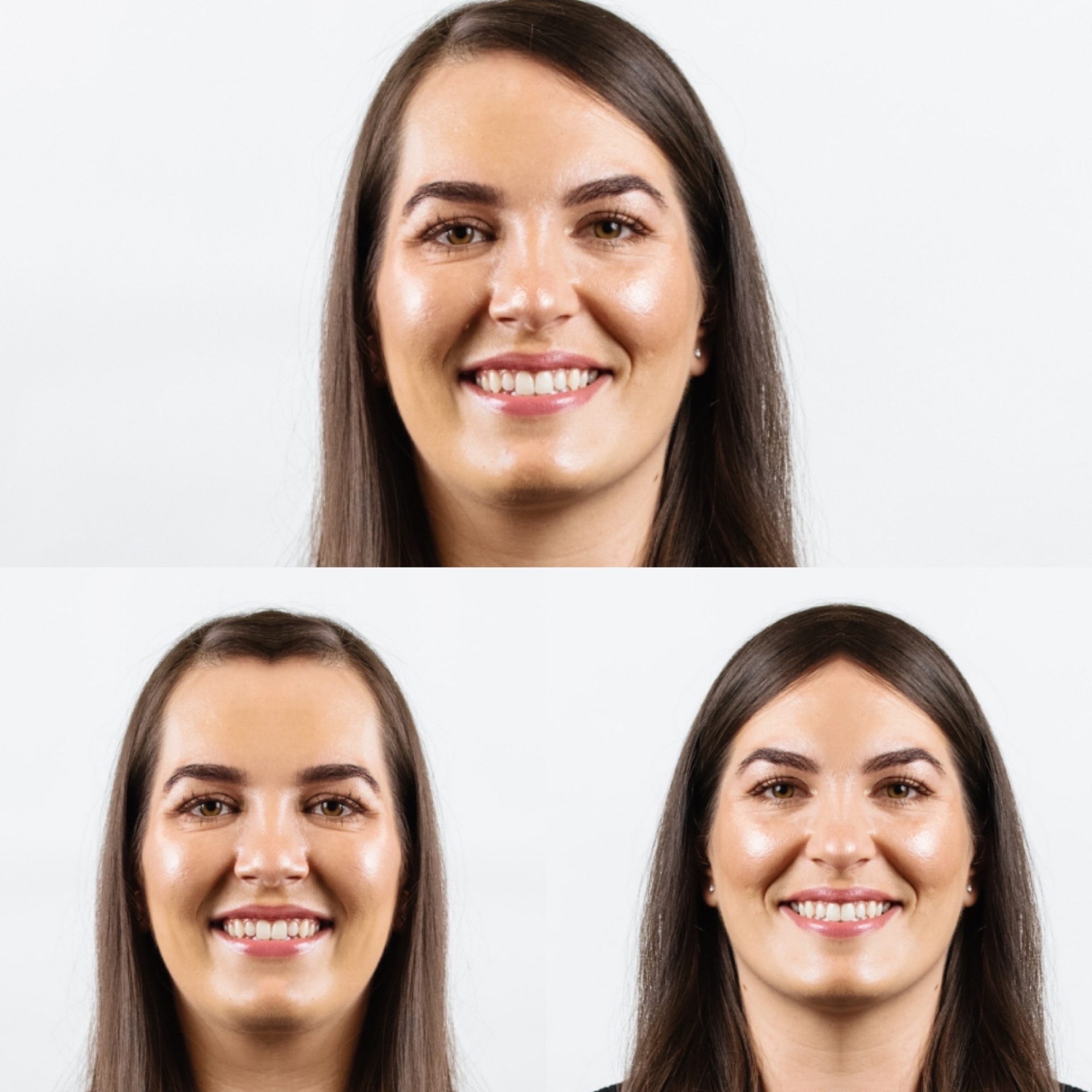
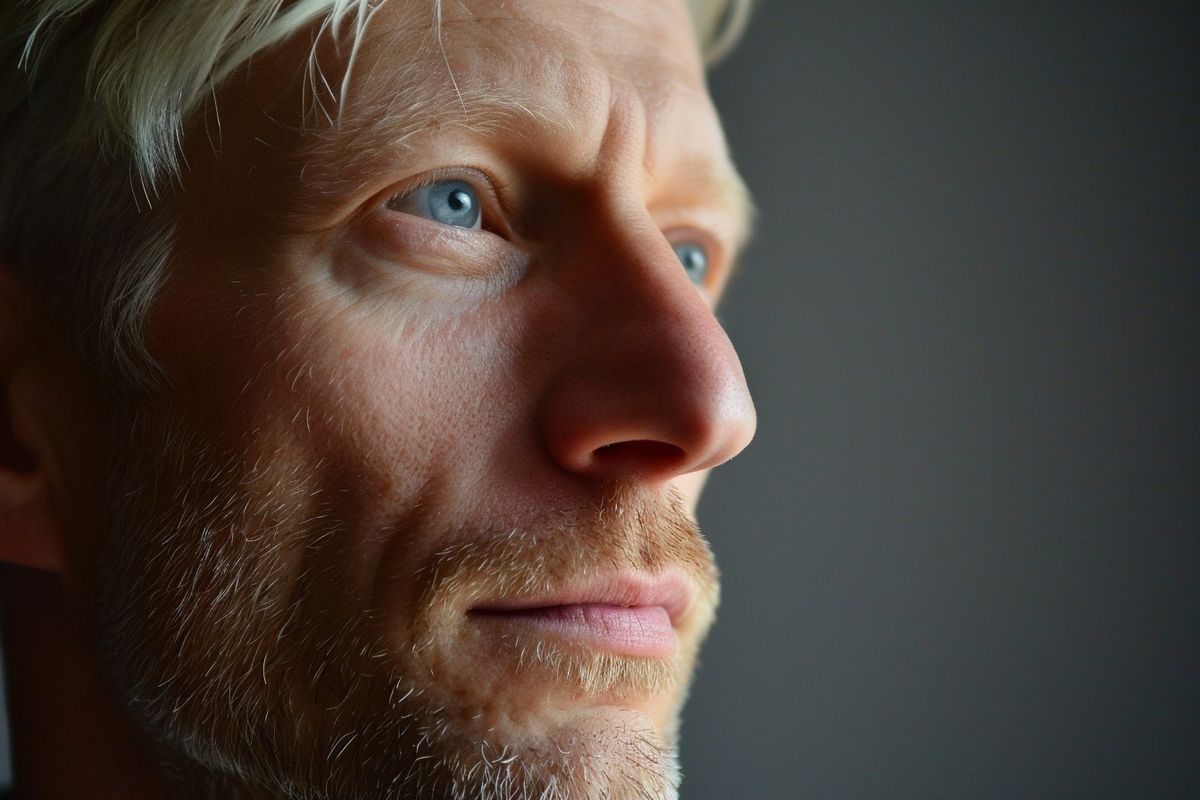
There is no single "American" facial feature set because the United States is a nation defined by continuous demographic shifts, massive geographic scale, and diverse ancestral origins. American facial features are best understood as an evolving spectrum of phenotypes influenced by historical migration, indigenous populations, and the blending of global ethnicities over centuries.
The Myth of a Monolithic Phenotype
The concept of a singular, distinct "American face" is a sociological construct rather than a biological reality. Because the United States has served as a global hub for migration for over four centuries, the physical features observed across the country represent a broad mosaic of genetic lineages. When people look for specific "American" markers, they are often conflating cultural stereotypes—frequently influenced by media depictions—with the reality of a multi-ethnic society.
To analyze facial features within the United States, one must look at the intersection of population genetics and history. Unlike regions with long-standing, geographically isolated populations where specific dominant phenotypes emerge (such as the distinct features found in certain isolated island chains or remote mountain regions), the U.S. population is a result of high-volume mixing. This mixing—often referred to as the "melting pot" or "salad bowl" metaphor—ensures that diversity is the only consistent feature of the American population.
Historical Influences on Phenotypic Diversity
The facial diversity observed in 2026 is the culmination of several distinct historical waves. Understanding these waves helps to contextualize why certain features are more prominent in specific regions.
- Indigenous Foundations: Long before colonial expansion, North America was home to diverse indigenous nations. These populations possessed specific phenotypic traits—such as high cheekbones, varying nose bridges, and specific eye shapes—that remain a part of the American landscape today, particularly among Native American populations and those of mixed heritage.
- Colonial and European Migration: Early colonial migrations primarily from Western and Northern Europe introduced specific Caucasian phenotypic traits. Later, mass migrations in the 19th and early 20th centuries from Southern and Eastern Europe, as well as Ireland, significantly diversified this baseline, introducing a wider variety of hair textures, eye colors, and facial bone structures.
- The African Diaspora: The forced migration of enslaved people from various regions of West and Central Africa profoundly influenced the American physical landscape. These lineages introduced a vast range of skin tones, hair textures, and facial structures, contributing to the distinct and rich phenotypic variety seen in African American communities.
- Global Integration: Mid-to-late 20th-century and 21st-century immigration from Latin America, Southeast Asia, East Asia, and the Middle East has continued to expand the range of facial features. The integration of these global traits into the American population is an ongoing process of genetic exchange.
Factors Shaping Contemporary Appearance
Beyond ancestral genetics, environmental and societal factors play a role in how populations look. While genetics are the primary driver of facial bone structure, skin tone, and eye color, other elements contribute to the overall perception of an individual's appearance.
Nutrition and Developmental Environment
Public health studies have long documented the impact of nutrition on physical development. In the United States, access to diverse dietary patterns—and the prevalence of specific nutritional habits—has been shown to correlate with growth patterns that can influence facial development over generations. While this does not change the genetic blueprint, it affects the expression of those traits during developmental years.
The Impact of Cosmetic and Reconstructive Trends
In 2026, the prevalence of cosmetic dermatology and minor surgical enhancements has created a subset of "Americanized" aesthetic features. Procedures such as fillers, rhinoplasty, and skin treatments have become increasingly common, leading to a convergence of certain aesthetic ideals. This creates a cultural "look" that is sometimes mistaken for a natural ethnic feature, but is actually a reflection of shared beauty standards and market availability for aesthetic services.
Geographic Clusters and Demographic Reality
While the United States is generally diverse, geography often dictates the prevalence of certain ancestral lineages and, by extension, localized phenotypic trends.
| Region | Primary Influencing Factors | Dominant Phenotypic Observations |
|---|---|---|
| New England | Colonial British/Irish | Greater prevalence of light skin, freckles, and specific nose bridge shapes. |
| Southwest | Indigenous/Mexican-Spanish | High prevalence of mixed-race phenotypes, darker hair, and diverse skin tones. |
| Southeast | Trans-Atlantic/European | A long-standing history of mixing leading to highly varied skin tones and features. |
| Upper Midwest | Northern/Central European | Higher concentration of Nordic/Germanic traits due to historical settlement patterns. |
| Coastal Urban Centers | Global Migration | Represents the full spectrum of global features with no single dominant phenotype. |
Addressing the Misconceptions in Facial Recognition
The lack of a singular "American facial feature" set presents significant challenges for technical systems, particularly in the field of computer vision and facial recognition. Engineers and developers in 2026 must account for the fact that a standard "American" test set does not exist.
If a facial recognition algorithm is trained on a limited dataset—for example, one focused only on individuals of Western European descent—the system will inevitably show a high error rate when applied to the broader American population. This is known as "algorithmic bias." Because there is no "default" American face, the only way to build high-accuracy technical systems is through representative sampling that spans the full demographic spectrum of the U.S. Census.
FAQ: Understanding Facial Diversity
1. Is there a scientific way to define "American" facial features? No. Scientifically, facial features are categorized by ancestral lineage and regional genetic history. Because the American population is heterogeneous, there is no biological marker that signifies someone is "American" based on their face.
2. Why do people often think Americans look a certain way? This is largely the result of media bias and cultural representation in entertainment, particularly Hollywood films, which historically focused on specific demographics. This creates a psychological heuristic where the viewer equates a specific, recurring look with "Americanness."
3. Do American facial features change over time? Yes. Through the process of continuous immigration and internal intermarriage, the U.S. population is slowly moving toward a more blended phenotype. This is a common sociological phenomenon in high-migration countries, often referred to as "homogenization" of traits over many generations.
4. How does ancestry mapping differ from facial appearance? Ancestry mapping uses DNA to trace lineage back thousands of years. Facial appearance, however, is a manifestation of only a small portion of the human genome. Two individuals may have similar facial features but very different deep-ancestry results, or vice-versa.
5. Are there health implications to these phenotypic variations? Yes. Skin tone, which is a major component of facial appearance, correlates with the body's natural protection against UV radiation (melanin production). Additionally, some facial features are associated with specific regional health markers, but these are tied to population history rather than nationality.
Moving Forward
When evaluating the concept of American facial features, it is most productive to shift the focus from a search for a standard "type" to an appreciation of a broad, inclusive range. The richness of the American identity lies in the fact that it is not defined by a specific shape of the nose, a specific eye color, or a specific bone structure, but rather by the intersection of global humanity. For those researching this topic for aesthetic, medical, or technical purposes, the most accurate approach is to utilize data that acknowledges the full breadth of the population’s diverse ancestral heritage.