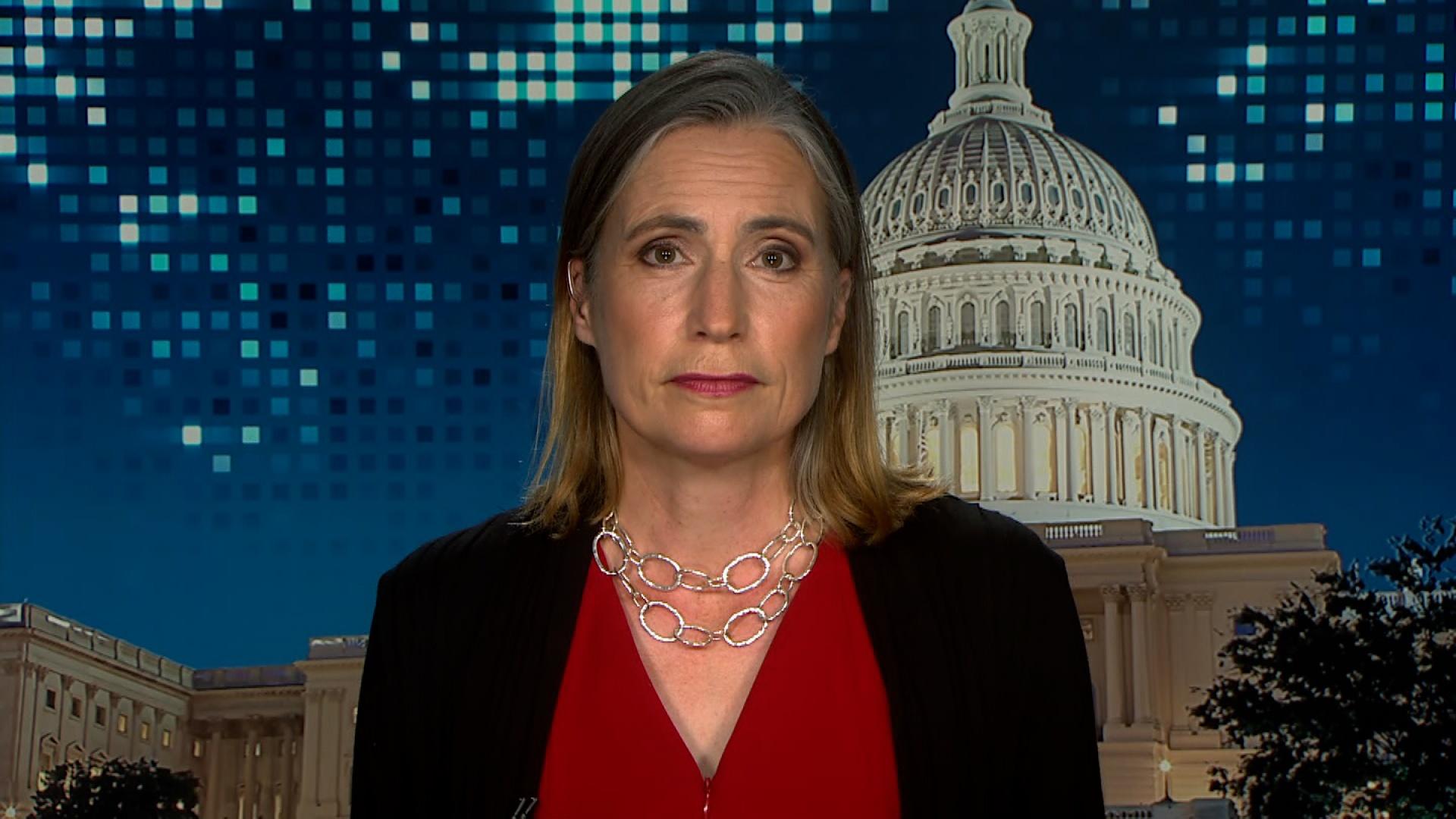
Christiane Amanpour’s professional tenure as a preeminent international correspondent and anchor spans over four decades, establishing her as one of the most recognizable figures in global journalism. Estimating her net worth requires looking beyond simple salary figures and understanding the structure of high-level broadcast contracts, the economics of long-term tenures at major international news organizations like CNN, and the professional benchmarks that define compensation for top-tier international journalists.
In 2026, while specific private financial disclosures remain confidential, industry analysts and public records regarding top-tier broadcast talent suggest that Christiane Amanpour’s net worth is widely estimated in the range of $12 million to $16 million. These estimates are grounded in her sustained position as a chief international anchor, her longevity with Warner Bros. Discovery—the parent company of CNN—and the industry standard for long-term exclusivity contracts for elite news personnel. It is essential to understand that this figure is an aggregation of historical earnings, multi-year contract renewals, and professional longevity rather than a single salary event or a public stock portfolio.
The Economics of Elite Broadcast Journalism
To understand the financial context of a career like Amanpour's, one must distinguish between entry-level journalism and the compensation models for veteran anchor-correspondents. In the world of international news, compensation is rarely tied to a static hourly wage. Instead, it is structured through complex multi-year employment agreements.
These contracts typically incorporate several revenue streams:
- Base Salary: The guaranteed annual compensation for anchor duties, reporting, and editorial roles.
- Performance and Longevity Incentives: Bonuses associated with contract renewals and the maintenance of high ratings or viewership metrics within the international market.
- Content Licensing and Royalties: Income derived from documentary production or archival material that may be rebroadcast or syndicated across global platforms.
- Speaking Engagements and Public Appearances: As a globally recognized public intellectual, compensation for moderating high-level forums or lecturing contributes to the total wealth profile of elite journalists.
Career Longevity and Contractual Scaling
Christiane Amanpour began her career at CNN in the early 1980s, rising to prominence during the Gulf War. Longevity in the television industry acts as a multiplier for earning power. Unlike talent in entertainment that may rely on "hit" projects, international news anchors derive value from brand stability and trust.
Over her four-decade career, Amanpour has moved through various stages of compensation:
- Field Reporter Phase: Early career focus on dangerous reporting environments in regions like the Balkans and the Middle East, where compensation was commensurate with standard foreign correspondent roles.
- Chief International Correspondent Phase: As she became the face of CNN’s international coverage, her leverage increased. Contract negotiations in this stage are typically conducted by high-level talent agencies that leverage the network's need for authoritative, globally recognized faces to justify the value of their subscriptions and ad-supported models.
- Anchor/Host Phase: Her tenure at Amanpour and her various primetime slots command higher premiums. Because her work is distributed across multiple platforms—including CNN International, PBS, and digital syndication—her contractual value is tied to her utility as a multi-platform asset.
Contextualizing Net Worth Against Industry Standards
Evaluating the net worth of a journalist requires an understanding of the fiscal environment of the media landscape. Unlike professional athletes or CEOs, whose compensation is often mandated for public disclosure by league rules or SEC regulations, news anchors are private employees.
The following table provides a comparison of the factors that influence the net worth of senior broadcast personnel in 2026:
| Factor | Impact on Net Worth | Description |
|---|---|---|
| Tenure | High | Longevity increases the base salary floor and bargaining power for renewals. |
| Platform Reach | High | Anchors who appear on global networks command higher premiums due to market penetration. |
| Intellectual Property | Moderate | Ownership or residual interests in documentaries and independent projects. |
| Market Volatility | Variable | Consolidation in media (e.g., Warner Bros. Discovery) can impact contract stability. |
| Speaking/Lectures | Low/Moderate | Auxiliary income streams that supplement broadcast compensation. |
The Role of Media Consolidation and Market Realities
The financial landscape for broadcast news has evolved significantly by 2026. The shift from traditional cable television to a hybrid model involving streaming services and digital platforms has altered how talent is valued. Media organizations now prioritize "brand ambassadors" who have established trust with a global audience.
Amanpour’s financial stability is, in part, a reflection of the "legacy media" premium. While many digital creators and independent journalists have disrupted the space, the cost of operating a professional news bureau—which Amanpour represents—remains exceptionally high. Organizations like CNN pay a premium for journalists who bring institutional memory and established credibility. This necessity keeps compensation for elite anchors in a distinct tier compared to the broader labor market of media professionals.
Financial Management and Investment Profile
It is a common misconception that net worth is solely a function of total lifetime salary. For individuals in high-earning professions, wealth accumulation is heavily influenced by financial management, tax strategies, and asset allocation.
Elite broadcast talent generally utilizes sophisticated financial planning to manage earnings that may fluctuate based on contract status. This includes:
- Investment Portfolios: Diversification into equities, real estate, and private equity, which often outperform the cash-savings accumulation typical of lower-earning employees.
- Tax Optimization: Using corporate entities or LLCs to manage professional expenses, travel costs associated with international reporting, and intellectual property rights.
- Retirement Planning: Long-term media contracts frequently include provisions for deferred compensation or comprehensive retirement packages that do not necessarily appear in immediate annual salary projections.
Understanding the Limitations of "Net Worth" Estimates
Readers should approach any reported "net worth" figure for a public figure with caution. These numbers are often aggregates of estimated income minus estimated expenses, calculated by third-party data aggregators. They rarely, if ever, have access to:
- Individual tax returns or private banking records.
- Specific details of non-disclosure agreements (NDAs) that govern broadcast contracts.
- Private liabilities, such as mortgages, cost of living in expensive media hubs (e.g., London or New York), or philanthropic commitments.
In the case of Christiane Amanpour, her financial footprint is largely tied to a career within traditional corporate journalism. Therefore, the "net worth" figure is a derivative of her longevity, the institutional strength of her employers, and her status as a top-tier industry professional.
Frequently Asked Questions
How is a journalist's salary determined in 2026? Salaries for top-tier journalists are determined through private negotiations that account for broadcast reach, brand recognition, and the ability to drive viewership across multiple platforms. Experience and the scarcity of high-level international correspondents also play critical roles in driving contract values upward.
Does Christiane Amanpour own her own media company? While she has significant editorial control over her programs, her work remains largely integrated within the corporate structures of organizations like CNN and PBS. Her financial success is derived primarily from contractual employment rather than independent business ownership or venture capital interests.
Why are net worth estimates often different across sources? Most public net worth estimations are based on "top-down" analysis. They take publicly available data points—such as known salary ranges for anchor positions—and apply multipliers based on the subject's career length and assumed lifestyle costs. Since these methods are speculative, variances between sources are inevitable.
What factors could lead to a fluctuation in her reported net worth? Significant changes in media industry health, such as network downsizing or shifts in news broadcasting business models, can impact the renewal value of top-tier talent. Additionally, shifts in personal assets, such as real estate holdings or long-term investment performance, will naturally adjust an individual's net worth over time.
Are speaking fees a significant part of a journalist's wealth? For established public figures, speaking and lecture fees can be a lucrative auxiliary income stream. However, for a full-time, high-profile anchor, the primary driver of wealth remains the long-term, multi-year broadcast employment contract, which provides a consistent base of annual income.
Recommendation for Further Context
If you are analyzing the financial structure of the media industry, focus on the annual reports of major media conglomerates like Warner Bros. Discovery. These documents provide insight into the "SG&A" (Selling, General, and Administrative) expenses, which encompass the compensation pools for top-tier on-air talent. While individual salaries are never disclosed, the growth or contraction of these expense buckets offers a transparent view of the fiscal health of the industry in which figures like Christiane Amanpour operate.