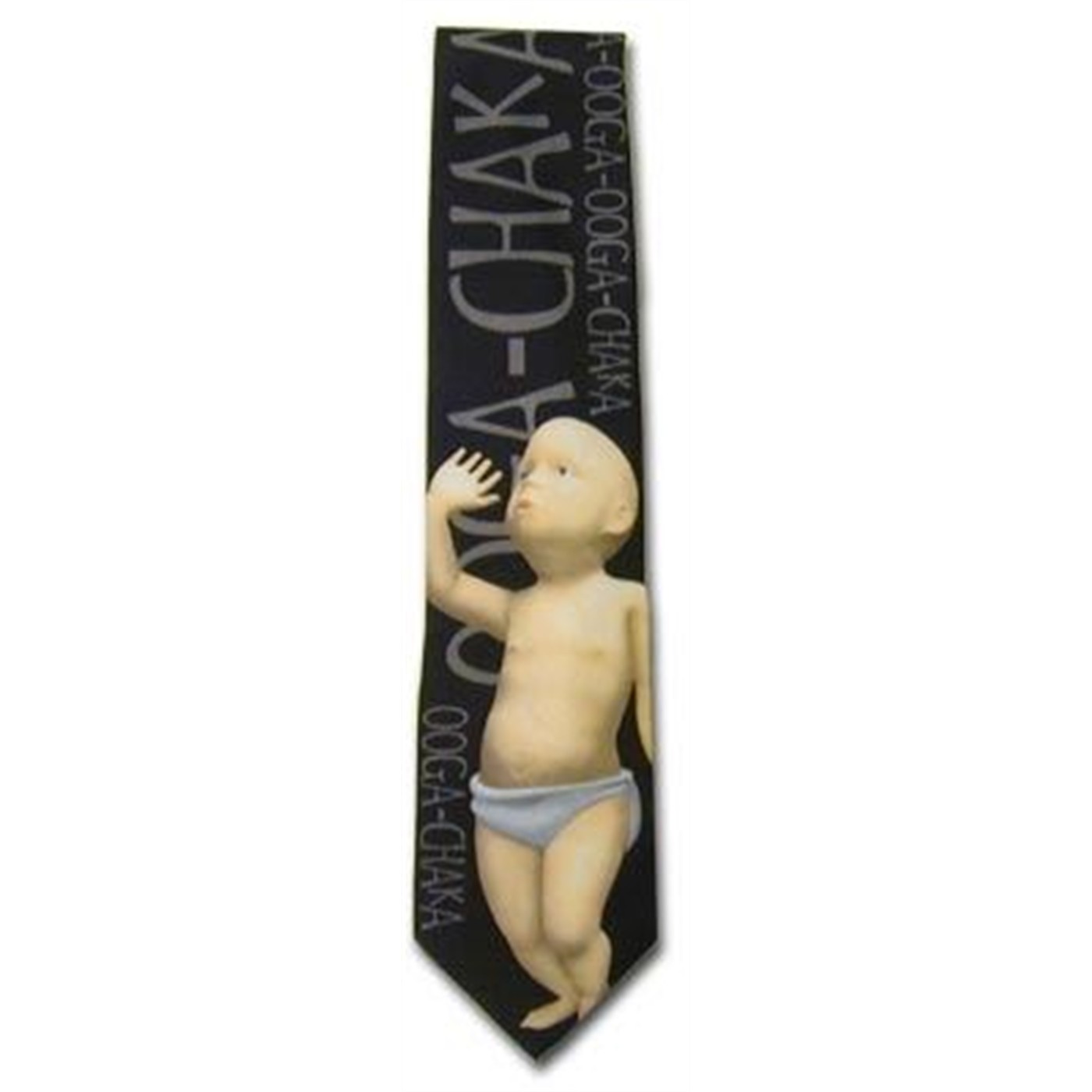
The "Ally McBeal baby"—a recurring, hallucinated dancing infant—served as a pivotal visual motif in the late 1990s legal comedy-drama Ally McBeal. Representing the titular character’s anxieties regarding her biological clock, fertility, and professional versus personal identity, the CGI creation became a landmark in television history, illustrating the series’ unique blend of surrealism and psychological narrative.
The Origin of the Dancing Baby in Television History
The "Dancing Baby," known technically as the Oogachaka Baby, was a viral sensation long before the modern era of high-speed streaming and social media. Originally a piece of 3D animation software demonstration created by Ron Lussier and John Woodell at Autodesk in 1996, the animation featured a baby performing a rhythmic, somewhat stilted dance to the song "Hooked on a Feeling" by Blue Swede.
When Ally McBeal creator David E. Kelley integrated this animation into the series in 1998, it was not merely a pop-culture reference. It was a calculated narrative device. For the character of Ally, the baby appeared as a projection of her subconscious—a visual manifestation of the relentless societal and internal pressure to conceive a child. By placing the baby in the courtroom or the unisex bathroom, the writers highlighted the absurdity of Ally’s internal life contrasting with her high-stakes career as a lawyer at Cage & Fish.
Psychological Symbolism: The Biological Clock
Throughout the run of the series, Ally McBeal’s obsession with her "biological clock" acted as a central theme. The dancing baby functioned as a physical alarm, appearing whenever the stress of her singleness or her fertility concerns reached a breaking point. Unlike other television protagonists who might voice their concerns through dialogue, Ally’s experience was inherently visual and surreal.
This surrealism allowed the audience to enter Ally's headspace. The baby was not "real" in the context of the show, which allowed the writers to maintain a firm distinction between the legal drama of the law firm and the internal, often neurotic, world of the protagonist. The baby’s presence forced viewers to confront the character’s vulnerability. It transformed a common, relatable anxiety—the fear of time passing without achieving milestones—into a comedic, albeit slightly unsettling, recurring gag.
Technical Execution and Production Challenges
The inclusion of the dancing baby represented a significant technical undertaking for a weekly television program in the late 1990s. At the time, CGI (Computer Generated Imagery) integration was expensive and time-consuming. Because the baby had to be composited into scenes with human actors, the production team had to ensure lighting and perspective matched perfectly.
For viewers in 2026, it is helpful to look at how this technique compared to modern visual effects. In the 90s, the baby was essentially a 2D-to-3D overlay that relied on the grainy, lower-resolution standards of cathode-ray tube television sets. This technical limitation actually aided the show’s aesthetic; the slight "uncanny valley" effect of the primitive CGI reinforced the idea that the baby was a hallucination rather than a living child. The production team used the technology not to simulate reality, but to enhance the character's psyche.
Comparison: Surrealism in Procedural Dramas
Ally McBeal was an outlier in the landscape of late 90s legal dramas, which were typically dominated by the stoic realism of Law & Order or The Practice. The use of the dancing baby and other hallucinations served to break the "fourth wall" of the legal genre.
| Element | Ally McBeal | Traditional Legal Dramas |
|---|---|---|
| Narrative Tone | Surreal / Dramedy | Procedural / Serious |
| Visual Motifs | Hallucinated dancing infants | Courtroom exhibits / Documents |
| Characterization | Neurotic / Introspective | Stoic / Objective |
| CGI Usage | Psychological manifestation | Forensic recreation / Diagrams |
As the table above suggests, the distinction between Ally McBeal and its contemporaries was the shift from objective truth to subjective experience. While other shows used technology to explain the facts of a case, Ally McBeal used technology to explain the emotional state of its lead character.
The Legacy of the CGI Motif
As of 2026, the dancing baby is often cited in film and television studies as an early example of "meme culture" impacting traditional narrative media. The fact that the show adopted a pre-existing internet meme and gave it a narrative function proved that television could engage with, rather than just observe, the evolving digital landscape.
The baby also signaled a change in how women’s professional lives were portrayed. Critics at the time were divided: some felt the baby represented a shallow reduction of professional women to their reproductive status, while others argued it was an honest exploration of the genuine fears that professional women faced. Regardless of the interpretation, the dancing baby remains a permanent fixture of 1990s pop-culture history, synonymous with the show's willingness to be unconventional.
Frequently Asked Questions
Why did the dancing baby appear in Ally McBeal? The dancing baby was a hallucination that symbolized Ally’s stress regarding her biological clock and her longing for motherhood. It served as a manifestation of her internal pressure to balance her career and personal life.
Was the dancing baby a real person or CGI? The baby was a piece of CGI animation. It was originally an "evergreen" test file created by Autodesk and was not filmed using a real infant, which explains its distinct, repetitive, and robotic animation style.
Did the baby change as the series progressed? While the visual model of the baby remained largely consistent, its context evolved. It appeared less frequently as the character of Ally grew more comfortable with her life choices, marking a shift in the show's focus from individual neurosis to wider interpersonal dynamics.
Why is the dancing baby considered a meme? Before its inclusion in the show, the animation was shared via email and early internet forums in the mid-90s, making it one of the first widely recognized digital animations to achieve "viral" status.
How did the show’s use of hallucinations influence future series? The show paved the way for "dramedy" series that blend surreal elements with reality, allowing creators to use visual metaphors to express characters' complex emotions, a technique now common in modern television storytelling.
Recommendations for Further Exploration
For those interested in the history of television aesthetics, revisiting the first two seasons of Ally McBeal is essential. It provides a clear window into how creators transitioned from traditional television formats to the more experimental, visually driven narratives that are standard today. Additionally, researching the "Oogachaka" phenomenon offers insight into the early days of the internet and how digital artifacts migrated from computer screens into mass media.
The "Ally McBeal baby" stands as a testament to a specific era of television production where the barrier between human performance and digital art was first being tested. Understanding this allows one to appreciate the depth of character development that occurred beneath the surface of the show's more eccentric moments.