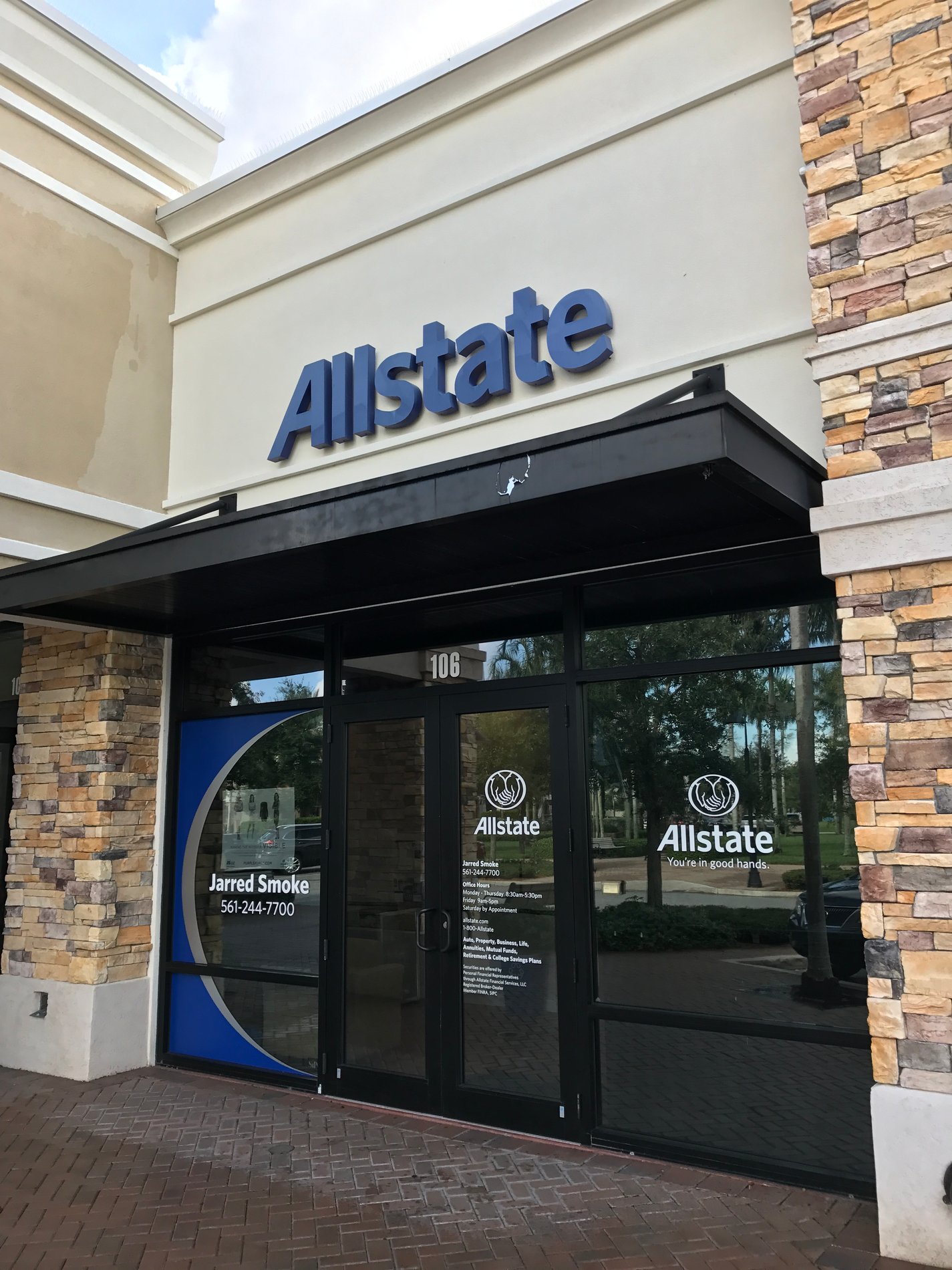
Securing an Allstate auto insurance quote in Florida involves navigating the state’s unique "no-fault" regulatory environment while leveraging the provider's specific digital or agent-assisted tools. To obtain a quote, you must provide accurate vehicle details, driver history, and Personal Injury Protection (PIP) selection preferences, all of which directly influence your premium in the Florida insurance market.
Understanding the Florida Auto Insurance Landscape
Florida is categorized as a "no-fault" state for auto insurance purposes. This regulatory framework significantly impacts what you are required to purchase when seeking an insurance quote. Unlike "at-fault" states, where liability coverage is the primary focus, Florida requires drivers to carry specific minimums for Personal Injury Protection (PIP) and Property Damage Liability (PDL).
When you approach Allstate or any insurer for a quote in Florida, the system is designed to build a policy around these state mandates. PIP is intended to cover medical expenses and lost wages for you and your passengers regardless of who caused an accident, up to the limits of your policy. Understanding this requirement is the first step in interpreting the premiums you are quoted. Because Florida has historically faced high rates of litigation and rising medical costs, the "no-fault" system often leads to higher premiums compared to other states, a factor that will be reflected in your initial quote output.
Prerequisites for Getting an Accurate Quote
Before beginning the quote process, you must gather specific information. Insurers use this data to perform a risk assessment, which determines your premium. Providing incomplete or incorrect data can lead to a "preliminary" quote that changes drastically once the underwriter verifies your information against state databases.
- Driver Identification: You will need the full legal names, dates of birth, and driver’s license numbers for every person in your household who will be listed on the policy.
- Vehicle Details: Have your Vehicle Identification Number (VIN) ready. While you can sometimes get a quote using only the make and model, the VIN allows the insurer to access specific safety ratings and vehicle history, resulting in a more precise rate.
- Driving History: Be prepared to disclose any accidents, moving violations, or claims filed within the last three to five years. Allstate, like most insurers, verifies this information against the Comprehensive Loss Underwriting Exchange (CLUE) report and state Department of Highway Safety and Motor Vehicles (FLHSMV) records.
- Current Coverage Details: If you are currently insured, having your "declarations page" handy is beneficial. This document outlines your current limits and helps you make an "apples-to-apples" comparison between your current policy and the new Allstate quote.
The Step-by-Step Process for Requesting a Quote
The digital experience for obtaining an Allstate quote in Florida typically follows a structured path designed to simplify the complexities of insurance regulations.
- Initial Data Entry: You begin by entering your zip code. In Florida, geography is a major rating factor due to localized accident density and weather-related risks, such as flood or hurricane impact on vehicle storage.
- Coverage Selection: You will be prompted to select coverage levels. While Florida mandates PIP and PDL, you have the option to add optional coverages like Comprehensive, Collision, and Uninsured Motorist coverage. It is vital to understand that opting for the legal minimum in Florida often leaves a driver underinsured in the event of a significant accident.
- Quote Refinement: The digital portal will show you a range of price points based on your selections. This is the stage where you can adjust your deductibles. Choosing a higher deductible—the amount you pay out-of-pocket before insurance kicks in—will lower your monthly premium, but it increases your financial risk during a claim.
- Verification and Binding: Once you are satisfied with the quote, you can proceed to purchase. At this stage, Allstate performs a final verification of your data. If you choose to finalize the policy, the quote becomes a "bindable" offer, marking the start of your coverage period.
Key Factors Influencing Your Florida Premium
Why does your quote look the way it does? Florida is a high-cost environment for auto insurance, and several objective factors drive the bottom line of your quote.
Geography and Density Rates in Miami-Dade or Broward County are typically higher than in more rural parts of the Panhandle. This is due to a combination of traffic density, the higher likelihood of vehicle theft, and the frequency of reported claims in those specific jurisdictions.
The "No-Fault" Requirement Because Florida mandates PIP, your quote will include this coverage by default. If you choose to increase your PIP limits beyond the state minimum, your premium will rise, but you are buying additional protection against medical bankruptcy in the event of an injury.
Credit-Based Insurance Scoring In Florida, insurers are permitted to use credit-based insurance scores to help determine premiums. Research indicates that individuals with higher credit scores statistically file fewer claims. If your credit score is in the excellent range, it may result in a lower premium offer.
Vehicle Safety Ratings The specific make and model of your car matter. A vehicle with advanced safety features (e.g., automatic emergency braking, lane-keep assist) often qualifies for discounts because these technologies reduce the frequency and severity of accidents.
Comparison Table: Standard Florida Coverage Considerations
| Coverage Type | Purpose | Florida Requirement |
|---|---|---|
| PIP | Medical/Lost wages for you/passengers | Mandatory |
| PDL | Damages to others' property | Mandatory |
| Collision | Damages to your car from accidents | Optional (Recommended) |
| Comprehensive | Theft, weather, vandalism | Optional (Recommended) |
| Uninsured Motorist | Damages caused by underinsured drivers | Optional (Highly Recommended) |
Common Mistakes When Getting a Quote
Avoiding these common errors will ensure your quote is accurate and that your policy serves your needs effectively.
- Underestimating Annual Mileage: Providing a low estimate for how many miles you drive each year to get a "cheaper" rate can be categorized as material misrepresentation. If you are involved in an accident and the insurer finds your actual mileage is significantly higher, they may contest the claim or cancel your policy.
- Ignoring Uninsured Motorist (UM) Coverage: Florida has one of the highest rates of uninsured drivers in the United States. Many consumers skip UM coverage to save money on their quote. This is a significant risk; if you are hit by a driver with no insurance, you may have no path to recovery for your medical bills or vehicle repairs.
- Choosing Limits Based Solely on Price: Always evaluate the coverage limits in relation to your personal assets. If you have significant savings or home equity, carrying only the state minimum liability limits leaves those assets exposed to lawsuits if you are found at fault for a serious accident.
Troubleshooting Your Quote Results
If you find that your Allstate quote is significantly higher than expected, consider these troubleshooting steps:
- Check for Missing Discounts: Review the quote summary for discounts such as the "Safe Driving Bonus," "Multi-Policy Discount" (if you bundle with home or renters insurance), or "New Car Discount." Ensure all applicable boxes are checked.
- Review Household Drivers: Ensure that every licensed driver in your household is accounted for correctly. If a family member is listed on your policy but has their own insurance elsewhere, providing proof of that "other insurance" to Allstate can often remove them from your premium calculation.
- Consult an Agent: While online quotes are convenient, they are automated. A local Allstate agent in Florida can often identify nuances in your profile—such as specific safety certifications or professional affiliations—that the automated portal might overlook, potentially leading to a more favorable rate.
Frequently Asked Questions
Does Allstate allow me to customize my PIP coverage in Florida? Yes. While Florida mandates PIP coverage, Allstate allows you to select your limits and deductible options. You should carefully weigh these options, as a higher deductible reduces your premium but increases your financial responsibility during a medical emergency.
Will my Florida auto insurance rate change mid-term? Generally, your rate is locked in for the policy term, which is typically six months or one year. However, if you make changes to your policy—such as adding a driver, changing your vehicle, or moving to a different zip code—the premium will be recalculated.
Why are premiums in Florida generally higher than in other states? Florida's combination of the no-fault PIP requirement, a high percentage of uninsured drivers, and a high volume of litigated insurance claims creates an environment where insurers must account for higher risk, which is reflected in the pricing of quotes across the state.
Is it better to get a quote online or through an agent in Florida? For standard profiles, the online portal is efficient and accurate. However, if you have a complex history, multiple vehicles, or a need for specialized coverage (such as classic car insurance or high-liability limits), an agent provides a level of consultation that can ensure you are properly protected.
Can I get a discount for taking a defensive driving course? Many insurers in Florida offer discounts for state-approved defensive driving courses. When obtaining your quote, verify if your specific course is eligible for a premium reduction and ensure the documentation is uploaded to your account.
How does my credit score affect my Allstate quote? Florida law allows for the use of credit information in insurance scoring. A higher score typically correlates with a lower premium. If your credit score has recently improved significantly, it may be worth requesting a new quote to see if you qualify for a better rate.
Recommendation: Next Actions
Once you have reviewed your initial Allstate quote, do not feel pressured to bind the policy immediately unless you need coverage to take effect right away. Take the time to compare the "Declarations" summary against your personal financial risk tolerance. If the quote meets your requirements, you can complete the purchase through the online portal or by contacting a licensed agent to finalize the documentation. Ensure that you retain a copy of the final policy document and the coverage summary for your records, as these are essential if you need to file a claim in the future.