Allstate operates as one of the largest personal lines insurers in the United States, providing a diverse array of auto insurance products through its primary brand and several subsidiary entities. Understanding how to navigate these offerings—including coverage limits, policy endorsements, and digital management tools—is essential for vehicle owners seeking to balance premium costs with adequate financial protection.
The term "Allstate auto insurance companies" generally refers to the Allstate Corporation's network of insurance subsidiaries, including Allstate Insurance Company, Allstate Indemnity Company, and Allstate Fire and Casualty Insurance Company. While these entities share a common parent organization and utilize a unified agent network, they may be deployed differently depending on the state of residence, the driver’s risk profile, and the specific underwriting guidelines applicable to a policyholder’s region.
The Corporate Structure of Allstate Insurance Entities
The Allstate Corporation functions as a holding company. Under this corporate umbrella, multiple individual insurance companies are licensed to conduct business across different jurisdictions. This structure allows the company to manage risk pools more granularly. For example, some subsidiaries may focus on high-risk drivers, while others concentrate on standard or preferred-risk policies.
When you receive a policy document, you will likely see a specific subsidiary listed on the declarations page. This is the legal entity responsible for the insurance contract. Regardless of which subsidiary underwrites the policy, policyholders typically interact with the Allstate brand through their local agents or the centralized digital platform. Understanding that these are distinct legal entities is important primarily during the claims process, as specific state regulations may govern how individual subsidiaries must communicate and settle claims.
Core Auto Insurance Coverage Components
Auto insurance is a modular product built from several fundamental coverage types. Selecting the right combination is the most effective way to manage financial risk.
- Liability Coverage: This is mandated by law in nearly every U.S. state. It includes Bodily Injury Liability (which pays for injuries to others when you are at fault) and Property Damage Liability (which pays for damage to someone else's property, such as their vehicle or a fence).
- Collision Coverage: This pays to repair or replace your vehicle if it is damaged in an accident, regardless of who is at fault. It is often required if you are financing or leasing your vehicle.
- Comprehensive Coverage: This addresses non-collision incidents, such as theft, vandalism, fire, weather-related damage, or animal strikes. Like collision coverage, this is usually optional unless required by a lender.
- Personal Injury Protection (PIP) or Medical Payments: These cover medical expenses for you and your passengers, regardless of fault. PIP is mandatory in "no-fault" states and generally offers broader coverage than standard medical payments, including lost wages and essential service expenses.
- Uninsured/Underinsured Motorist Coverage: This protects you if you are involved in an accident caused by a driver who lacks insurance or carries insufficient limits to cover your total costs.
Evaluating Policy Add-ons and Endorsements
Beyond the basic requirements, Allstate offers several endorsements—optional additions to your policy—that can customize protection. These are particularly useful for those who want to avoid out-of-pocket costs during major repairs.
- New Car Replacement: This endorsement allows the insurer to replace a totaled car with a new model of the same make and trim, rather than depreciated market value, typically provided the vehicle is within a specific age and mileage range.
- Rental Reimbursement: If your vehicle is in the shop following a covered accident, this coverage offsets the daily cost of a rental car.
- Towing and Labor Coverage: This provides assistance if your vehicle is disabled due to a breakdown or an accident. It covers the cost of towing to the nearest repair facility and minor roadside labor.
- Accident Forgiveness: Many Allstate policies include features that allow a policyholder's rates to remain stable after their first at-fault accident, provided certain conditions are met.
Determining Costs and Premiums
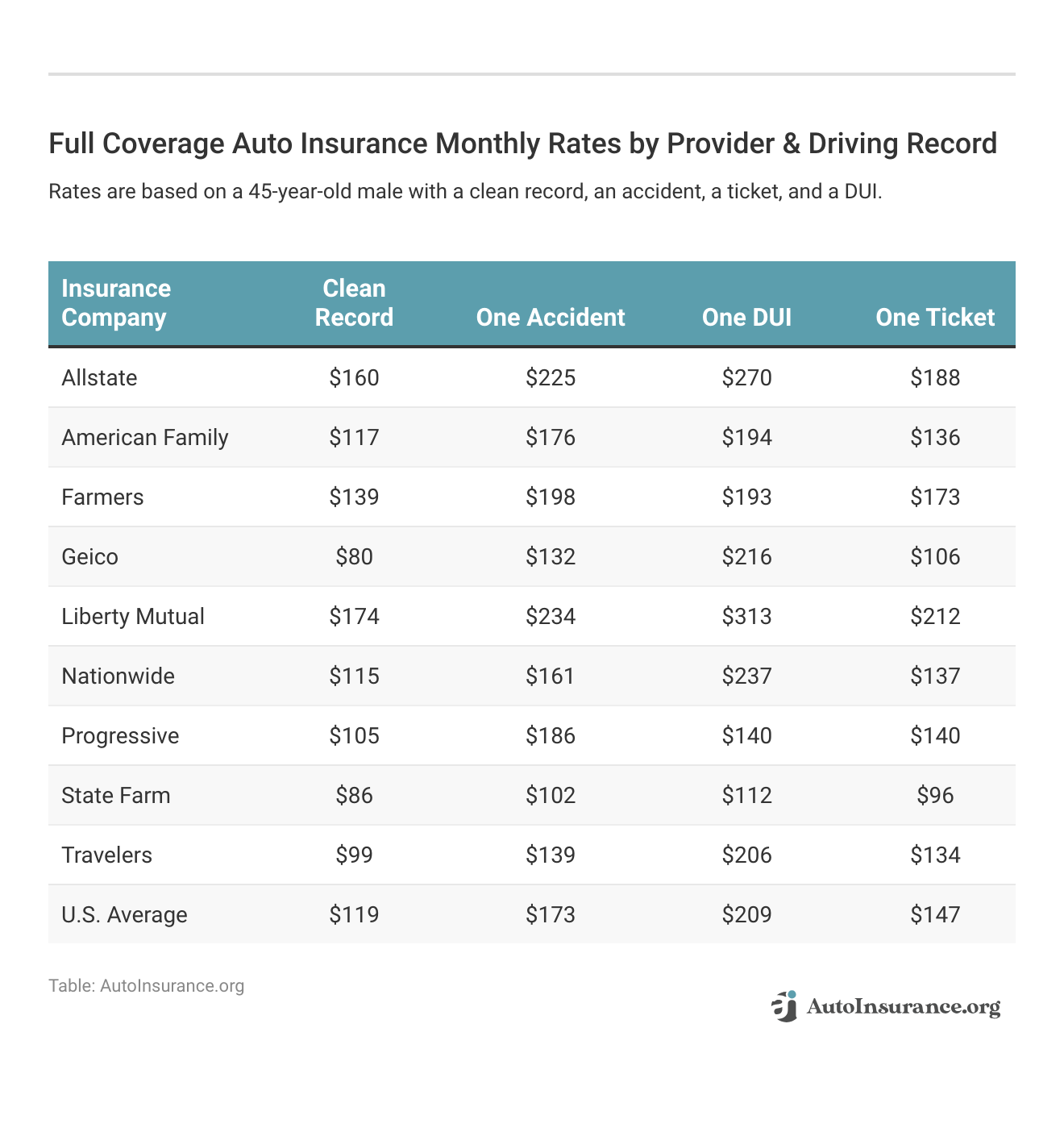
Insurance premiums are calculated based on a variety of risk factors. As of 2026, these factors remain largely consistent with historical underwriting models, though insurers increasingly incorporate data-driven insights.
Primary factors influencing your Allstate premium include:
- Driver History: A record of moving violations or accidents is the most significant predictor of future risk.
- Vehicle Characteristics: Higher repair costs, safety ratings, and theft susceptibility for your specific vehicle make and model influence your premiums.
- Coverage Choices: Increasing your deductibles (the amount you pay out-of-pocket before insurance kicks in) typically lowers your annual premium. Conversely, higher liability limits increase the cost.
- Geography: Population density, local crime rates, and historical accident data in your specific ZIP code heavily weigh into the cost of insurance in that area.
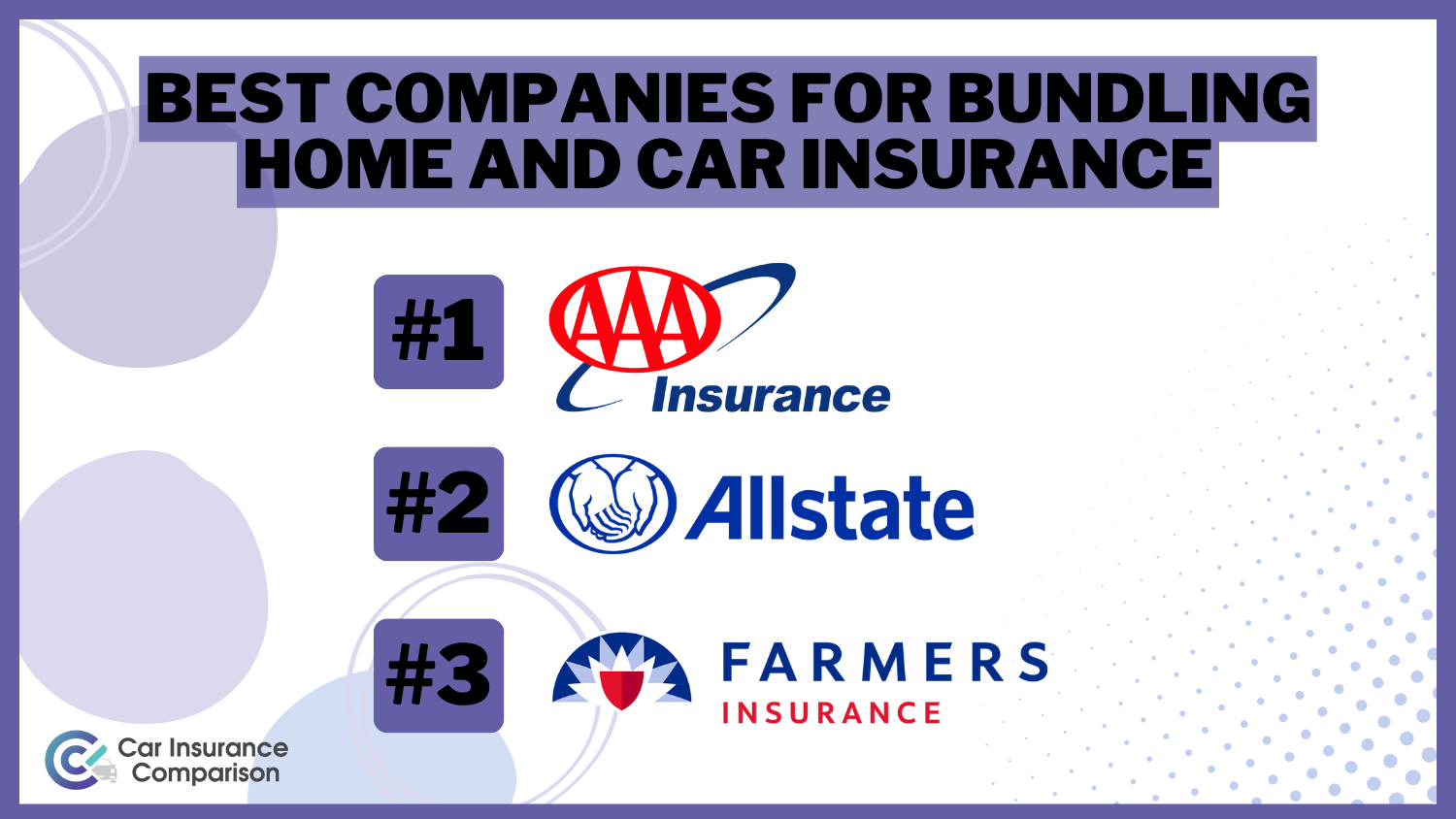
- Bundling: Allstate frequently offers discounts for policyholders who "bundle" their auto insurance with homeowners, renters, or life insurance policies.
Comparing Coverage Options
When comparing auto insurance providers, it is helpful to look at the total value proposition rather than the premium alone. The following table illustrates common considerations when evaluating an auto insurance policy.
| Feature | Importance | Why It Matters |
|---|---|---|
| Liability Limits | High | Protects personal assets from lawsuits after a severe accident. |
| Deductible Levels | Medium | Higher deductibles lower premiums but increase your immediate out-of-pocket burden. |
| Claim Settlement Speed | High | Affects how quickly you can return to a normal routine after an incident. |
| Digital Tools | Medium | Facilitates faster policy management, ID card access, and claims tracking. |
| Local Agent Support | Medium | Offers personalized guidance for complex policy changes or claims questions. |
Steps for Managing Your Policy
Effective management of your auto insurance policy ensures that you remain compliant with state laws and protected against financial loss.
- Periodic Review: At least annually or after a significant life event (e.g., marriage, moving, buying a new car), review your declarations page to ensure your coverage limits still reflect your current assets and needs.
- Verify Information: Ensure that all drivers in the household are correctly listed on the policy. Failing to disclose a licensed driver in your home can lead to claim denials.
- Digital Integration: Use the Allstate mobile application to access digital proof of insurance, which is accepted by law enforcement in most states.
- Claim Documentation: In the event of an accident, document the scene thoroughly, obtain police reports, and contact the claims department immediately via the official website or app.
Frequently Asked Questions
Does the specific Allstate subsidiary on my policy change my coverage? Generally, no. While the specific legal entity underwriting your policy depends on your state and risk profile, the core coverage types and customer service standards remain consistent with the Allstate brand promise. Your policy documents will specify which entity carries your risk.
What happens if I have an accident in a state where I don't live? Your Allstate auto insurance policy is designed to follow you across the United States and Canada. If you are involved in an accident in another state, your policy will automatically adjust to meet that state’s minimum insurance requirements if they are higher than your current limits.
How does Allstate handle total loss claims? When a vehicle is determined to be a total loss, the insurance company typically pays out the actual cash value of the vehicle, minus your deductible. The actual cash value is based on the fair market value of your car immediately before the accident, considering factors like age, mileage, and condition.
Can I switch my Allstate policy from one subsidiary to another? Usually, your policy is assigned to a specific subsidiary based on state regulations and corporate underwriting guidelines. You cannot request to move to a different Allstate subsidiary; the assignment is determined by the company’s internal business rules.
Is it necessary to have full coverage on an older vehicle? If your vehicle has low market value, the cost of collision and comprehensive coverage may exceed the potential payout in the event of a total loss. Many policyholders choose to drop these coverages for older vehicles, opting for liability-only protection, though this is a personal decision based on your ability to replace the car if needed.
How do I file a claim if I cannot access the internet? Allstate maintains 24/7 telephonic claims support. If you are unable to use the online portal or mobile app, you can contact the customer service number listed on your insurance card to report an incident directly to a representative.
Next Actions for Policyholders
To ensure you are properly protected, perform a "coverage audit" today. Log into your account or contact your local agent to verify that your liability limits are sufficient to protect your current net worth—not just the legal minimums. If you have recently upgraded your vehicle or added a driver to your household, report these changes immediately to avoid potential coverage gaps. By maintaining active communication with your agent and staying informed about your policy’s specific endorsements, you can optimize your coverage and ensure peace of mind on the road.