Alexandria, Virginia, offers a highly competitive internet market in 2026, characterized by widespread fiber-optic availability, multi-gigabit speeds, and robust 5G home internet coverage. Residents can primarily choose between Verizon Fios, Xfinity by Comcast, and Lumos, with specialized wireless options from T-Mobile and Verizon 5G. Selecting the right plan depends on your specific neighborhood—ranging from the historic streets of Old Town to the high-density corridors of the West End—and your household’s specific bandwidth requirements for remote work, gaming, or streaming.
The State of Connectivity in Alexandria (2026)
As of 2026, Alexandria remains one of the most well-connected cities in Northern Virginia. The city’s digital infrastructure has undergone significant upgrades over the last few years, driven by both private investment and municipal initiatives to bridge the digital divide. The primary shift in the landscape has been the transition from standard gigabit services to multi-gigabit tiers, with fiber-to-the-home (FTTH) now being the gold standard for reliability and symmetrical speeds.
The City of Alexandria’s own municipal fiber project—the Fiber Enterprise—has reached a mature stage, primarily serving government facilities and schools while leasing "dark fiber" to private providers. This has increased competition, particularly in underserved pockets, ensuring that even older residential areas have access to modern speeds. Whether you are living in a historic rowhouse in Del Ray or a modern high-rise in Carlyle, your options have never been more diverse.
Major Internet Service Providers in Alexandria
Choosing an Internet Service Provider (ISP) in Alexandria requires balancing speed, cost, and the physical limitations of your residence. Below is a detailed breakdown of the primary players in the local market.
Verizon Fios
Verizon Fios remains a dominant force in Alexandria due to its 100% fiber-optic network. Unlike cable internet, Fios offers symmetrical speeds, meaning your upload speed is just as fast as your download speed. This is a critical factor for residents who frequently engage in video conferencing, large file uploads for creative work, or competitive online gaming.
In 2026, Verizon has expanded its 2-Gigabit and 5-Gigabit tiers across much of the city. Their infrastructure is particularly stable because fiber-optic lines are less susceptible to the weather-related interference and electromagnetic noise that can plague older copper or cable lines.
Xfinity (Comcast)
Xfinity is the primary cable provider in Alexandria, utilizing a Hybrid Fiber-Coaxial (HFC) network. While Xfinity has historically struggled with slower upload speeds compared to fiber, their rollout of DOCSIS 4.0 technology in 2026 has significantly narrowed the gap. Many Alexandria neighborhoods now have access to Xfinity’s "10G" network, which provides multi-gigabit downloads and greatly improved upload performance.
Xfinity’s greatest advantage in the Alexandria market is its availability. It is accessible in nearly every corner of the city, including some areas where fiber installation has been delayed due to the logistical challenges of digging in historic districts.
Lumos Fiber
A newer but significant player in the Northern Virginia market, Lumos has made aggressive inroads into Alexandria over the past two years. By focusing on rapid fiber deployment, Lumos provides a high-performance alternative to the "Big Two." Their plans are often priced aggressively to gain market share, frequently undercutting Verizon on mid-tier plans while maintaining high reliability and no data caps.
5G Home Internet (T-Mobile & Verizon)
For residents who want to avoid the "installation headache" of drilling holes or running wires, 5G Fixed Wireless Access (FWA) has become a viable primary connection. T-Mobile Home Internet and Verizon 5G Home Internet utilize the same cell towers that power mobile phones to provide home Wi-Fi.
While these services generally offer lower speeds (typically 100–300 Mbps) and higher latency than fiber or cable, they are often the most affordable option. They are particularly popular in Alexandria’s rental market and among students who may only need a connection for one or two years and want to avoid long-term contracts.
Comparing Alexandria Internet Plans and Performance
When evaluating providers, it is important to look beyond the "starting price" and consider the long-term value, equipment fees, and performance metrics.
| Provider | Technology | Max Download Speed | Max Upload Speed | Best For |
|---|---|---|---|---|
| Verizon Fios | Fiber | 5 Gbps | 5 Gbps | Remote workers, Pro gamers |
| Xfinity | Cable (HFC) | 2 Gbps | 200-300 Mbps | Bundled TV/Internet users |
| Lumos | Fiber | 2 Gbps | 2 Gbps | Value-seeking fiber users |
| Verizon 5G | Wireless | 300 Mbps | 20 Mbps | Small apartments, Budget |
| T-Mobile | Wireless | 245 Mbps | 15 Mbps | Simple setup, No contracts |
The Importance of Symmetrical Speeds
For many years, consumers only cared about download speeds—the speed at which you receive data (like Netflix streaming). However, in 2026, upload speeds are equally important. If you are a resident of Alexandria who works for one of the many federal agencies or tech firms in the DC metro area, you likely spend hours on high-definition video calls or syncing large datasets to the cloud. Fiber providers like Verizon Fios and Lumos offer symmetrical speeds, whereas Xfinity’s cable connection still typically features upload speeds that are a fraction of their download speeds.
Neighborhood-Specific Connectivity Considerations
Alexandria’s unique geography and history play a significant role in what internet services are available at your specific address.
Old Town and Historic Districts
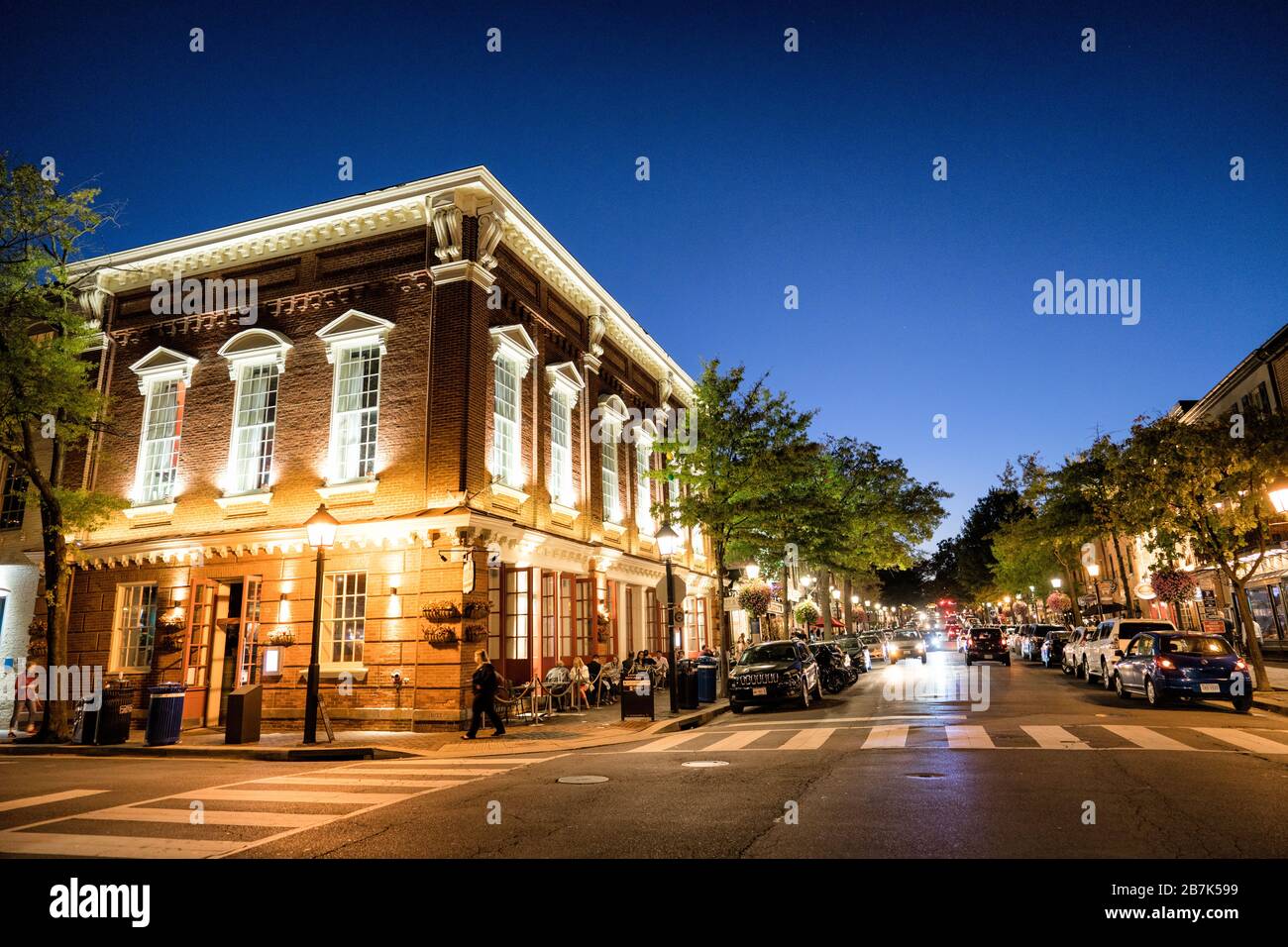
Installing new fiber-optic lines in Old Town can be complex due to historic preservation laws and the age of the underground infrastructure. While most of Old Town is now served by fiber, some individual buildings may still rely on older copper wiring inside the walls. If you are moving into a historic property, always verify if the fiber line has been brought all the way to the unit (FTTH) or if it terminates at the curb.
The West End and Landmark
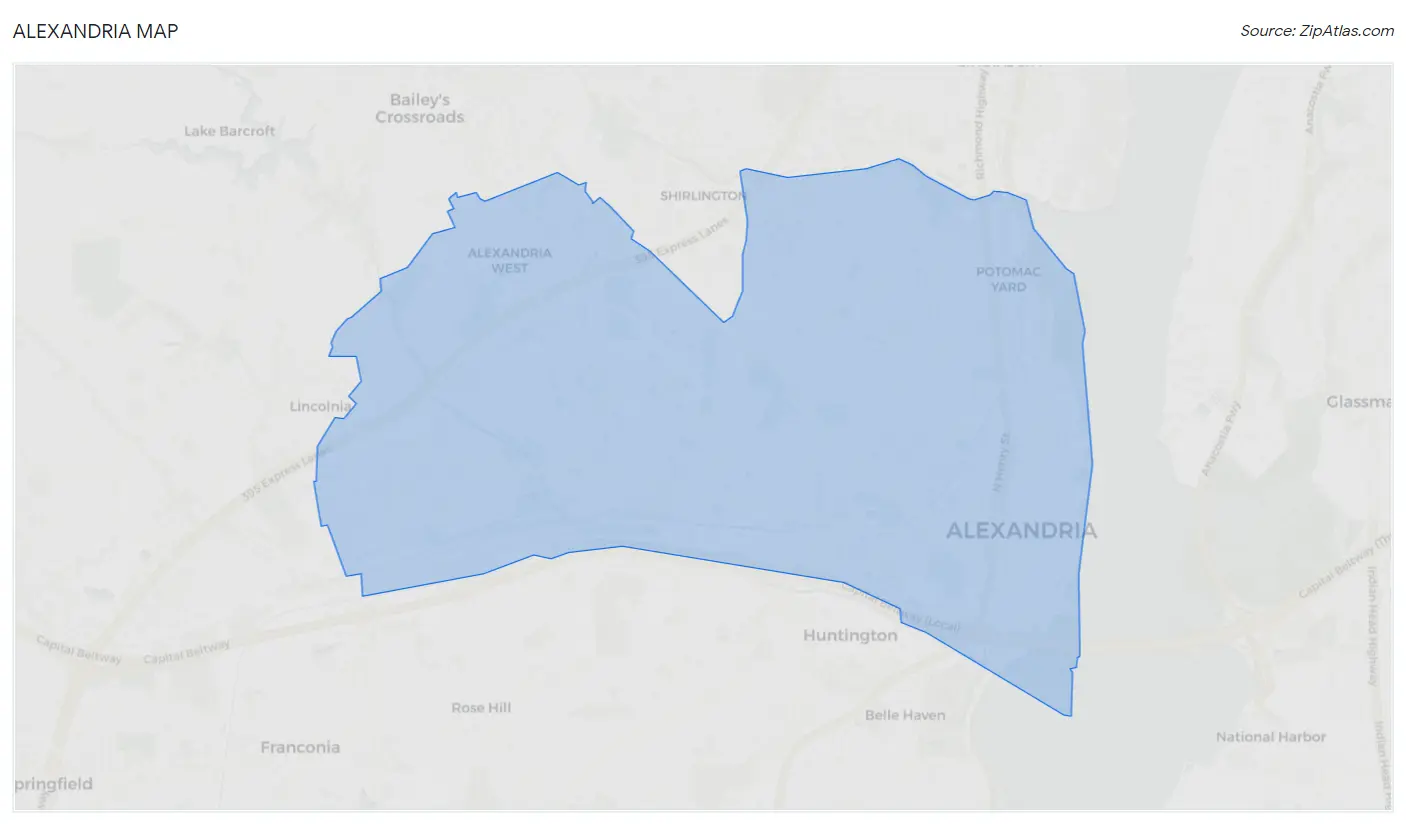
The West End has seen a surge in high-density residential development. These newer buildings are almost always "pre-wired" for both Xfinity and Verizon Fios. In many cases, the choice is as simple as plugging in a router on move-in day. This area also sees the best performance from 5G home internet due to the high density of small-cell towers along the I-395 corridor.
Del Ray and North Ridge
These residential neighborhoods are well-served by all major providers. Because of the density of single-family homes, competition is fierce here, and residents can often find the best promotional "new customer" rates by switching between Fios and Lumos.
Business Internet Options in Alexandria
Alexandria is a hub for small businesses, non-profits, and government contractors. For these entities, residential-grade internet is often insufficient.
Dedicated Internet Access (DIA)
Businesses in the Carlyle District or along Eisenhower Avenue often opt for Dedicated Internet Access. Unlike residential broadband, which is a "shared" connection among neighbors, DIA provides a private lane of traffic directly to the provider’s backbone. This comes with a Service Level Agreement (SLA) that guarantees 99.99% uptime and specific repair timeframes, which is essential for businesses that cannot afford a single hour of downtime.
Managed Wi-Fi for Retail and Hospitality
Old Town’s boutique shops and restaurants often utilize managed Wi-Fi services. These allow businesses to provide separate, secure guest networks for customers while maintaining a private, encrypted network for Point of Sale (POS) systems and inventory management. Providers like Xfinity Communities and Verizon Small Business specialize in these deployments in Alexandria.
Digital Equity and Low-Income Programs
The City of Alexandria is committed to ensuring that all residents, regardless of income, have access to the internet. While the federal Affordable Connectivity Program (ACP) has seen various iterations, local programs continue to fill the gaps.
- Internet Essentials by Comcast: A low-cost high-speed internet plan for qualifying low-income households.
- Verizon Forward: Offers discounts on Fios for those who qualify for federal assistance.
- Alexandria Library Resources: For those without home access, the Alexandria Library system provides high-speed Wi-Fi and hotspot lending programs.
Technical Requirements and Home Networking Tips
Having a multi-gigabit plan from a provider like Lumos or Verizon doesn't matter if your home hardware can't handle the speed.
Hardware Bottlenecks
Many residents make the mistake of using a router from 2020 with a 2026 internet plan. To actually see speeds above 1 Gbps, you must ensure:
- Wi-Fi 6E or Wi-Fi 7 Routers: These are required to handle the bandwidth of a 2-Gigabit plan wirelessly.
- Cat6e or Cat7 Ethernet Cables: If you are hard-wiring your home office, older Cat5e cables will cap your speed at 1 Gbps.
- Network Interface Cards (NIC): Ensure your laptop or desktop has a 2.5GbE or 5GbE port to take full advantage of ultra-high-speed tiers.
Mesh Networks in Alexandria Homes
Alexandria’s many multi-story townhomes and brick-walled houses are notorious for "dead zones." A single router in the basement will rarely reach the third-floor bedroom. We recommend a Mesh Wi-Fi system (such as eero, Orbi, or Google Nest Wifi) to ensure consistent coverage throughout the vertical layout of a traditional Alexandria home.
Frequently Asked Questions
What is the fastest internet provider in Alexandria, VA?
As of 2026, Verizon Fios and Lumos offer the fastest residential speeds, with tiers reaching up to 5 Gbps. Xfinity also offers multi-gigabit download speeds, though its upload speeds generally remain lower than fiber-optic competitors.
Is fiber internet available everywhere in Alexandria?
Fiber is available in the vast majority of Alexandria, including Old Town, Del Ray, and the West End. However, some specific older apartment buildings or extremely remote historic properties may still be limited to cable or DSL. You can verify availability on the City of Alexandria’s official website or through individual provider maps.
Which provider is best for remote workers in Alexandria?
Verizon Fios and Lumos are generally considered the best for remote workers due to their symmetrical upload and download speeds. This ensures that video calls remain stable and large file transfers are completed quickly, which is often a bottleneck on cable-based systems.
Are there data caps on Alexandria internet plans?
Verizon Fios and Lumos do not have data caps on their residential plans. Xfinity (Comcast) historically has a data cap (typically around 1.2 TB), although they offer "Unlimited Data" as an add-on or included in their highest-tier "10G" plans. 5G home internet plans are typically unlimited but may be subject to "deprioritization" during peak hours.
Can I get internet without a contract in Alexandria?
Yes, most providers in 2026 have moved toward a no-contract model for residential service. T-Mobile and Verizon 5G Home Internet are strictly no-contract. Verizon Fios and Lumos also primarily offer month-to-month pricing, though Xfinity may still offer lower rates in exchange for a 12- or 24-month commitment.
Choosing Your Next Step
If you are looking for the most reliable and highest-performing connection, Verizon Fios or Lumos remain the top choices for Alexandria residents due to their fiber-optic infrastructure. For those who already have Xfinity mobile or cable TV service, bundling with Xfinity 10G may offer the best financial value.
Before signing up, use a third-party speed test to check your current performance and compare it against the advertised speeds of new plans. If you are moving to a new address in Alexandria, contact your provider at least two weeks in advance to ensure a seamless transition of service, especially in high-demand areas where technician appointments can fill up quickly.