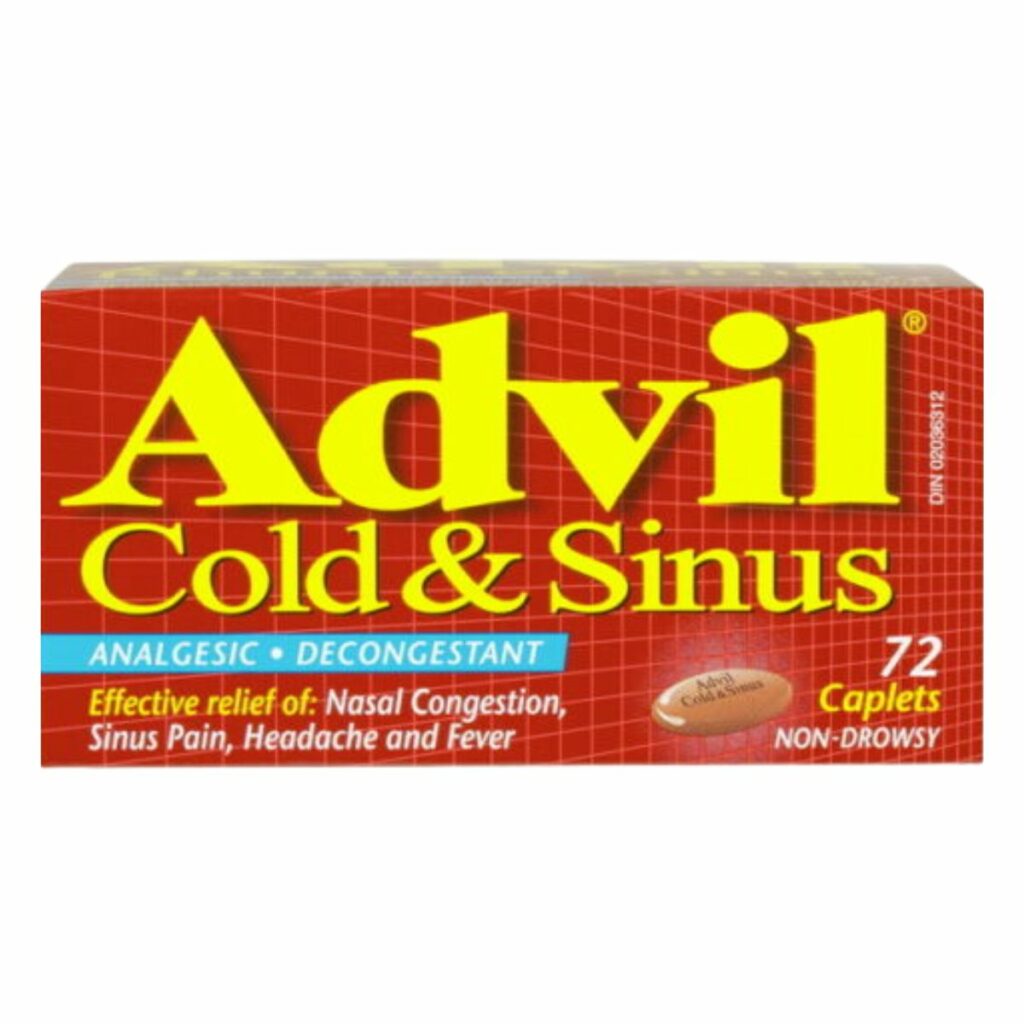
While Aleve and Advil both belong to the same class of medications known as Nonsteroidal Anti-Inflammatory Drugs (NSAIDs), they are not the same drug. Aleve contains naproxen sodium, which provides long-lasting relief for up to 12 hours, whereas Advil contains ibuprofen, which typically requires dosing every four to eight hours.
Navigating the over-the-counter (OTC) pain relief aisle in 2026 can be overwhelming. With various brands promising "all-day relief" or "fast-acting strength," consumers often wonder if these popular medications are interchangeable. Although they share a common goal—reducing pain, inflammation, and fever—their chemical compositions, durations of action, and dosing schedules vary significantly. Understanding these nuances is critical for effective pain management and avoiding potential adverse effects.
Understanding the Pharmacology: What Are NSAIDs?
To understand whether Aleve and Advil are the same, we must first look at their family tree. Both medications are Nonsteroidal Anti-Inflammatory Drugs (NSAIDs). This class of drugs works by inhibiting enzymes known as cyclooxygenase (COX-1 and COX-2). These enzymes are responsible for the production of prostaglandins, which are hormone-like chemicals in the body that signal pain and promote inflammation and fever.
By blocking these enzymes, NSAIDs reduce the concentration of prostaglandins at the site of injury or throughout the body. However, prostaglandins also play a role in protecting the stomach lining and supporting kidney function. This dual nature explains why both Aleve and Advil can relieve a headache but also carry risks for gastrointestinal irritation if used improperly.
The Identity of Aleve (Naproxen Sodium)
Aleve is the brand name for naproxen sodium. It was approved for over-the-counter use in the United States in 1994. In 2026, it remains one of the most popular long-acting NSAIDs. The "sodium" part of the name indicates that the naproxen is chemically bonded to sodium, which allows the body to absorb the medication more quickly than standard naproxen.
The Identity of Advil (Ibuprofen)
Advil is a brand name for ibuprofen. Ibuprofen has been available over-the-counter since 1984 and is one of the most widely used medications globally. It is known for its versatility and is frequently found in various formulations, including liquid-filled capsules (Liqui-Gels), chewable tablets for children, and concentrated drops for infants.
Key Differences in Duration and Dosing
The most significant practical difference between Aleve and Advil is how long they stay active in your system. This is referred to in pharmacology as the "half-life" of the drug.
Duration of Action
Aleve is categorized as a long-acting NSAID. A single dose of Aleve (usually 220 mg) is designed to provide relief for up to 12 hours. This makes it a preferred choice for individuals dealing with chronic conditions or pain that persists throughout the day or night, such as arthritis or a long workday.
Advil is a short-acting NSAID. Its effects typically peak quickly but wear off within four to eight hours. Because of this shorter duration, users often need to take Advil three to four times a day to maintain consistent pain management. This can be an advantage for acute, short-lived pain (like a sudden tension headache), as the medication leaves the system more rapidly once the job is done.
Dosing Frequency
In 2026, standard dosing guidelines remain consistent with established safety protocols:
- Aleve: Adults typically take one tablet every 8 to 12 hours. Most labels advise not exceeding two tablets in any 8-to-12-hour period and not exceeding three tablets in a 24-hour window.
- Advil: Adults typically take one or two tablets (200 mg to 400 mg) every 4 to 6 hours while symptoms persist. The maximum daily limit for OTC ibuprofen is generally 1,200 mg (six tablets) in a 24-hour period, unless directed otherwise by a physician.
Comparison Table: Aleve vs. Advil
The following table highlights the primary specifications and differences between these two common pain relievers as of 2026.
| Feature | Aleve (Naproxen Sodium) | Advil (Ibuprofen) |
|---|---|---|
| Active Ingredient | Naproxen Sodium | Ibuprofen |
| Drug Class | NSAID | NSAID |
| Typical OTC Dose | 220 mg | 200 mg |
| Relief Duration | 8 to 12 hours | 4 to 8 hours |
| Daily Max (OTC) | 660 mg (3 tablets) | 1,200 mg (6 tablets) |
| Onset of Action | 30 to 60 minutes | 20 to 30 minutes |
| Best For | Long-lasting pain, arthritis | Acute pain, fever, fast relief |
| Age Requirement | Usually 12+ (for OTC) | Usually 6 months+ (specific doses) |
Choosing the Right Medication for Your Symptoms
Deciding between Aleve and Advil often depends on the type of pain you are experiencing and your personal medical history. Neither is objectively "better," but one may be more appropriate for specific scenarios.
When to Choose Aleve
Aleve is often the superior choice for sustained pain. Because you only need to take it twice a day, it offers convenience and better sleep support.
- Osteoarthritis and Rheumatoid Arthritis: The long-lasting nature of naproxen helps manage the persistent joint inflammation associated with arthritis.
- Backaches and Muscle Strains: If you have a pulled muscle that will hurt all day, Aleve provides a steady level of medication in the bloodstream.
- Menstrual Cramps: Many people find the 12-hour window of Aleve more effective for managing the "waves" of menstrual pain without needing to redose frequently.
When to Choose Advil
Advil is generally preferred for acute symptoms and situations where dosage flexibility is required.
- Fever Reduction: Ibuprofen is highly effective at lowering high temperatures and is commonly used in pediatric care (in appropriate child-strength formulations).
- Headaches and Toothaches: For sharp, sudden pain that may not last all day, Advil's slightly faster onset can provide quicker comfort.
- Post-Exercise Soreness: If you have a minor ache after a workout that you expect to dissipate in a few hours, a short-acting NSAID is often sufficient.
Safety Profiles and Side Effects
Because both drugs are NSAIDs, they share a very similar side-effect profile. However, individual reactions can vary. According to the U.S. Food and Drug Administration (FDA), all NSAIDs (except aspirin) carry a boxed warning regarding the increased risk of heart attack and stroke.
Gastrointestinal Concerns
Both Aleve and Advil can irritate the lining of the stomach and intestines. This is because they inhibit the prostaglandins that protect the stomach from its own acid. Long-term use or high doses can lead to:
- Stomach upset or nausea.
- Heartburn.
- Gastric ulcers.
- Gastrointestinal bleeding.
To mitigate these risks, it is recommended to take either medication with food or a glass of milk.
Cardiovascular and Renal Risks
NSAIDs can cause the body to retain fluid and may increase blood pressure. This puts extra strain on the heart and kidneys. Individuals with a history of heart disease, high blood pressure, or kidney impairment should consult a healthcare provider before using either Aleve or Advil. In 2026, medical guidelines continue to emphasize using the lowest effective dose for the shortest duration possible.
Allergic Reactions
Though rare, some individuals are allergic to NSAIDs. Symptoms can include hives, facial swelling, asthma (wheezing), or shock. If you have an allergy to aspirin, you are more likely to have a cross-reaction with both ibuprofen and naproxen.
Can You Take Aleve and Advil Together?
A common question is whether it is safe to "double up" by taking both Aleve and Advil simultaneously. The answer is a definitive no.
Taking two different NSAIDs at the same time does not provide twice the pain relief. Instead, it significantly increases the risk of severe side effects, particularly stomach bleeding and kidney damage. This is known as "therapeutic duplication." If one medication is not providing sufficient relief, do not add another NSAID. Instead, speak with a doctor about alternative treatments or the possibility of combining an NSAID with a non-NSAID like acetaminophen (Tylenol), which works through a different mechanism in the body.
Interactions with Other Substances
In the 2026 healthcare landscape, clinicians remain vigilant about how OTC medications interact with prescription drugs and lifestyle factors.
- Blood Thinners: If you are taking anticoagulants like warfarin or antiplatelet drugs like clopidogrel, taking Aleve or Advil can dangerously increase your risk of internal bleeding.
- Alcohol: Consuming three or more alcoholic drinks daily while using NSAIDs significantly increases the risk of stomach bleeding.
- Blood Pressure Medications: NSAIDs can reduce the effectiveness of certain blood pressure drugs, such as ACE inhibitors and diuretics.
- Aspirin: If you take low-dose aspirin for heart protection, ibuprofen (Advil) can interfere with aspirin's ability to thin the blood if taken at the same time.
Frequently Asked Questions
Is Aleve stronger than Advil?
Neither is inherently "stronger," but they have different potencies per milligram. A 220 mg dose of Aleve is roughly equivalent in pain-relieving power to a 400 mg dose of Advil. The primary difference is how long that strength lasts in the body, with Aleve lasting significantly longer.
Which is better for inflammation?
Both are highly effective anti-inflammatories. However, because Aleve stays in the system longer, it may provide more consistent suppression of inflammation for chronic conditions like tendonitis or bursitis.
Can I switch between Aleve and Advil?
Yes, but you must wait for the previous medication to clear your system. If you take Advil, you should wait at least 6 to 8 hours before taking Aleve. If you take Aleve, you should wait a full 12 hours before switching to Advil.
Is one safer for the stomach than the other?
Some studies suggest that ibuprofen (Advil) may have a slightly lower risk of gastrointestinal issues compared to naproxen (Aleve) at standard OTC doses, simply because it stays in the body for a shorter time. However, for many people, the difference is negligible, and both should be used with caution.
Can children take Aleve?
Aleve is generally not recommended for children under the age of 12 unless directed by a pediatrician. Advil (ibuprofen) has specific pediatric formulations (Infant Drops and Children's Advil) that are approved for much younger children, typically starting at 6 months of age.
Summary and Next Actions
Aleve and Advil are distinct medications with unique dosing requirements and durations of action. Aleve (naproxen sodium) is your go-to for long-lasting, 12-hour relief, while Advil (ibuprofen) is ideal for shorter bursts of pain or fever reduction that require more flexible dosing.
Before choosing your medication in 2026, consider the following checklist:
- Assess the duration: Do you need relief for a few hours or the whole day?
- Check your history: Do you have stomach, heart, or kidney issues?
- Review your cabinet: Are you already taking other NSAIDs or blood thinners?
- Follow the label: Never exceed the maximum daily dosage listed on the package.
If your pain persists for more than 10 days or your fever lasts more than three days, stop use and consult a healthcare professional to rule out underlying conditions.