Air India ticket prices vary significantly based on the route, booking window, and cabin class, typically ranging from ₹3,500 for short domestic sectors to over ₹350,000 for ultra-long-haul First Class suites. Prices are governed by dynamic revenue management systems that fluctuate based on real-time demand, fuel costs, and seasonal peak periods.
The Evolution of Air India’s Pricing Strategy in 2026
By 2026, Air India has fundamentally restructured its pricing model following the complete integration of Vistara and the full-scale rollout of its "Vihaan.AI" transformation program. This shift moved the airline away from the legacy "fixed-grid" pricing of the past toward a sophisticated, AI-driven dynamic pricing model. Today, the price you see on the screen is a result of complex algorithms analyzing hundreds of variables per second.
The airline now operates a multi-tier fleet, including the state-of-the-art Airbus A350-900 and Boeing 777-9 aircraft. The introduction of these fuel-efficient jets has allowed Air India to stabilize long-haul fares while significantly upgrading the cabin experience. However, the premium for non-stop flights remains a core component of the pricing strategy. Travelers are often willing to pay a 15% to 25% "convenience premium" for Air India’s direct flights to destinations like New York, London, and San Francisco compared to one-stop options through Middle Eastern or European hubs.
Key Factors That Determine Air India Ticket Prices
To understand why a ticket costs what it does, one must look at the underlying components of an Air India airfare. It is rarely a single number; rather, it is a bundle of fees, taxes, and base rates.
1. Dynamic Demand and Inventory Buckets
Air India divides each flight into "fare buckets" or "RBDs" (Reservation Booking Designators). A specific number of seats are allocated to the lowest price point. Once those are sold, the system automatically moves to the next, more expensive bucket. In 2026, these adjustments happen more frequently than ever, often changing multiple times in a single day during high-traffic periods like Diwali or the summer holiday season.
2. Fuel Surcharges and Operational Costs
Aviation Turbine Fuel (ATF) remains the largest variable expense for the airline. While the newer fleet is up to 25% more fuel-efficient, global energy market fluctuations are directly passed to the consumer through the "Fuel Surcharge" component of the ticket. In 2026, Air India has also integrated carbon offset fees into certain fare classes, reflecting the industry's push toward sustainability.
3. Taxes and Airport Charges
A significant portion of your Air India ticket price consists of statutory taxes. These include:
- User Development Fees (UDF): Charged by the airport operators at departure and arrival points.
- Aviation Security Fee (ASF): A mandatory fee for security services at Indian airports.
- Goods and Services Tax (GST): In India, GST is applied at 5% for Economy Class and 12% for Premium Economy, Business, and First Class. This creates a noticeable price jump when moving between cabin tiers.
Air India Fare Families: Choosing the Right Bundle
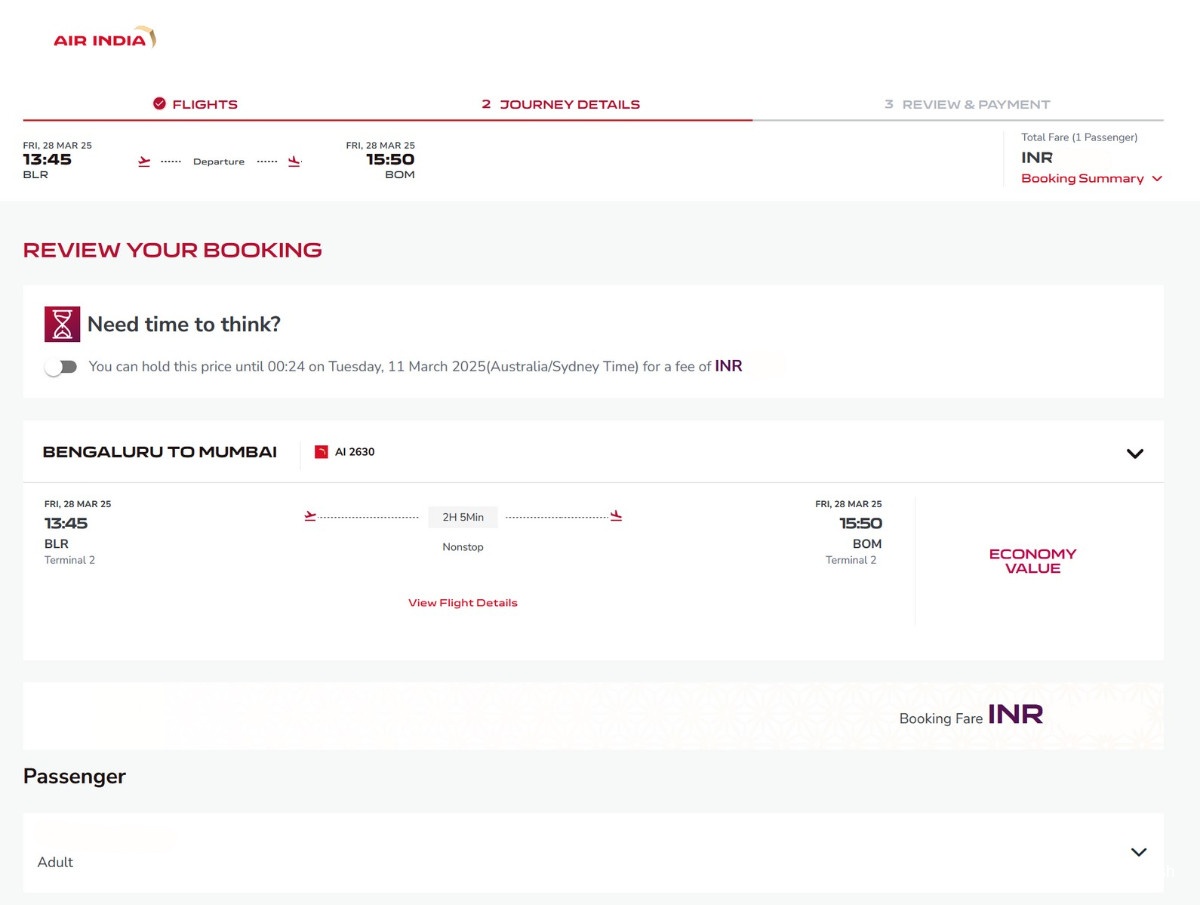
In response to consumer demand for flexibility, Air India utilizes "Fare Families." Instead of just choosing a seat, passengers choose a service level. Each level has a different price point and set of inclusions.
Economy Class Tiers
- Value: This is the most budget-friendly option. It offers the lowest price but comes with high change fees and is often non-refundable. It is ideal for travelers with fixed plans.
- Comfort: A mid-range option that offers slightly lower change fees and the ability to select seats in advance for a smaller fee or for free, depending on the route.
- Flex: The most expensive Economy tier. It provides maximum flexibility with zero or minimal change fees and full refunds upon cancellation. It also often includes a higher baggage allowance.
Premium Economy and Business Class
Since the merger with Vistara, Air India has standardized its Premium Economy offering across its wide-body and narrow-body fleets. This class is priced roughly 1.5x to 2x the cost of a standard Economy ticket. Business Class, branded as a luxury experience with lie-flat seats on all long-haul routes, typically starts at 4x the Economy rate, providing priority check-in, lounge access, and gourmet dining.
Comparing Air India Ticket Prices Across Routes
Prices fluctuate based on the distance and the competitive landscape of the specific route. Below is a representative table of average Air India ticket prices in 2026 for various routes. Note that these are averages and can double during peak travel months.
| Route Type | Sample Route | Economy (One-Way) | Business (One-Way) | Typical Lead Time for Best Price |
|---|---|---|---|---|
| Domestic Metro | Delhi (DEL) to Mumbai (BOM) | ₹4,500 – ₹8,500 | ₹22,000 – ₹35,000 | 14–21 Days |
| Short-Haul Intl. | Delhi (DEL) to Dubai (DXB) | ₹12,000 – ₹18,000 | ₹45,000 – ₹65,000 | 30–45 Days |
| Medium-Haul | Mumbai (BOM) to London (LHR) | ₹35,000 – ₹55,000 | ₹160,000 – ₹210,000 | 60–90 Days |
| Ultra Long-Haul | Bengaluru (BLR) to San Francisco (SFO) | ₹65,000 – ₹95,000 | ₹280,000 – ₹380,000 | 90+ Days |
| Regional Connect | Delhi (DEL) to Leh (IXL) | ₹6,000 – ₹12,000 | N/A (Economy Only) | 21–30 Days |
Seasonal Trends and Booking Windows
Timing is the most critical factor in securing lower Air India ticket prices. The Indian travel market is highly cyclical.
The "Sweet Spot" for Booking
For domestic flights, the price curve usually starts to climb steeply 14 days before departure. For international flights, the window is much wider; the best prices are generally found 3 to 4 months in advance. In 2026, the use of predictive pricing means that "last-minute deals" are increasingly rare, as the airline would rather fly with an empty seat than dilute the brand value by slashing prices at the terminal.
High-Demand Periods
- The Festive Peak (October – November): During Diwali and Dussehra, domestic fares can triple. Air India often adds "special flights," but even these are priced at a premium.
- The NRI Season (December – January): Flights from the US, UK, and Canada to India see their highest prices of the year as the diaspora returns for the winter.
- Summer Vacations (May – June): Routes to cooler climates (Himalayan regions) and international leisure destinations see a 40% uptick in pricing.
Strategies to Save on Air India Tickets
While the airline uses advanced tech to maximize revenue, savvy travelers can use several methods to find lower fares.
1. Leverage the Flying Returns Program
In 2026, the "Flying Returns" loyalty program is more integrated than ever. Air India has shifted to a value-based system where points are earned based on the ticket price rather than just miles flown. Using "Cash + Points" is a highly effective way to bring down the out-of-pocket cost of expensive international tickets.
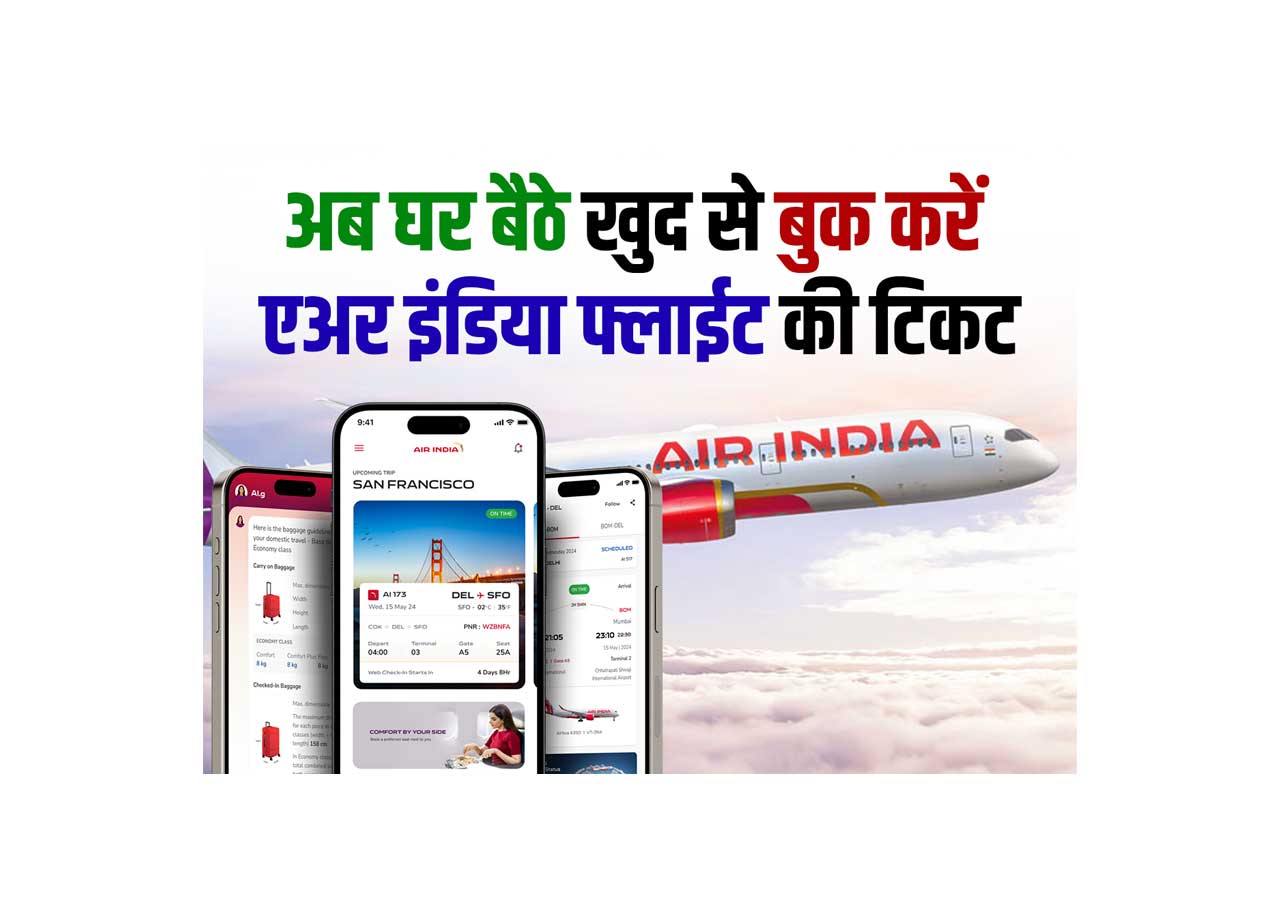
2. Monitor "Web-Only" Fares
Air India frequently offers discounted fares exclusively on their official website and mobile app. These fares are often not shared with third-party aggregators to avoid commission costs. Booking directly can sometimes save between 3% and 5% of the total fare.
3. Use Credit Card Partnerships
Multiple Indian and international banks offer co-branded credit cards with Air India. These cards often provide "complimentary upgrade vouchers" or "companion tickets" which can effectively halve the cost of a high-value ticket. Furthermore, using these cards often negates the convenience fees charged during the checkout process.
4. Mid-Week Travel
Statistically, flying on Tuesdays and Wednesdays remains cheaper than weekend travel. Business travelers typically saturate Monday and Friday schedules, while leisure travelers dominate Saturday and Sunday. If your schedule allows for a mid-week departure, the base fare is often 10% to 15% lower.
The Impact of Codeshare Agreements on Pricing
Air India is a prominent member of the Star Alliance. This means you might see "Air India ticket prices" listed for flights actually operated by partners like Lufthansa, United Airlines, or Singapore Airlines. While these tickets offer the convenience of a single booking, they are often priced according to the partner's fare rules. Always verify the "Operating Carrier" in the flight details, as this can affect your baggage allowance and the actual onboard experience.
Technical Specifications of 2026 Cabin Classes
The price difference between classes is justified by the physical hardware and services provided.
- Economy: 31-32 inch seat pitch on the A350 fleet, featuring 4K entertainment screens.
- Premium Economy: 38-inch pitch, dedicated cabin, and enhanced meal service. This is the fastest-growing segment in terms of demand.
- Business Class: 1-2-1 configuration (all-aisle access) on all new wide-body aircraft.
- First Class: Available on select 777-9 routes, featuring private suites with sliding doors.
Common Mistakes to Avoid
- Ignoring Baggage Rules: The "Value" fare may look cheaper, but if you need an extra suitcase, the "Comfort" fare often works out cheaper in total. Air India's excess baggage rates at the airport are significantly higher than pre-purchased rates.
- Incorrect Name Entries: As of 2026, security protocols are stringent. Name change fees on Air India can be equivalent to a new ticket price on certain non-refundable fares. Double-check your passport details before confirming.
- Missing the GST Input: If you are a business traveler in India, failing to provide your GST details at the time of booking prevents you from claiming a tax credit, effectively making your ticket 5% to 12% more expensive.
Frequently Asked Questions
Why are Air India ticket prices higher than low-cost carriers?
Air India is a full-service carrier. Its ticket prices include checked baggage (usually 20kg-25kg domestic, 23kg-46kg international), complimentary hot meals, and in-flight entertainment. When you add these costs to a low-cost carrier (LCC) fare, the price gap often narrows or disappears entirely.
Does Air India offer student discounts in 2026?
Yes, Air India continues to support the student community by offering a specific "Student Fare." This usually provides a 25% discount on the base fare for domestic travel and additional baggage allowances for international sectors. These must be booked through the "Special Fares" section on the website and require a valid student ID and visa (for international).
How do I get the lowest price for a last-minute emergency?
If you must book within 24 hours of departure, the best strategy is to check the Air India mobile app directly. Occasionally, "last-minute tactical fares" are released to fill remaining seats. Additionally, check if you have enough Flying Returns points for an "Award Flight," as point requirements do not always scale as aggressively as cash prices.
Are infant and child ticket prices different?
For domestic flights, infants (under 2 years) typically pay a flat fee (around ₹1,500 + taxes) if they do not occupy a seat. Children (2-12 years) usually pay 75% to 100% of the adult fare depending on the specific fare bucket. On international routes, child discounts are more common but vary by destination.
Can I lock in a price without paying immediately?
Air India offers a "Hold My Fare" feature for a small fee. This allows you to freeze the current ticket price for 48 to 72 hours. This is particularly useful if you are waiting for visa approval or coordinating travel with a larger group.
Final Recommendation
To secure the best Air India ticket prices, aim to book at least 21 days in advance for domestic travel and 90 days for international trips. Always compare the "Fare Families" to ensure the baggage and flexibility options align with your needs. If you travel frequently, joining the Flying Returns program is essential, as the 2026 updates have made it significantly easier to redeem points for high-value international sectors, providing the best long-term value for your money.