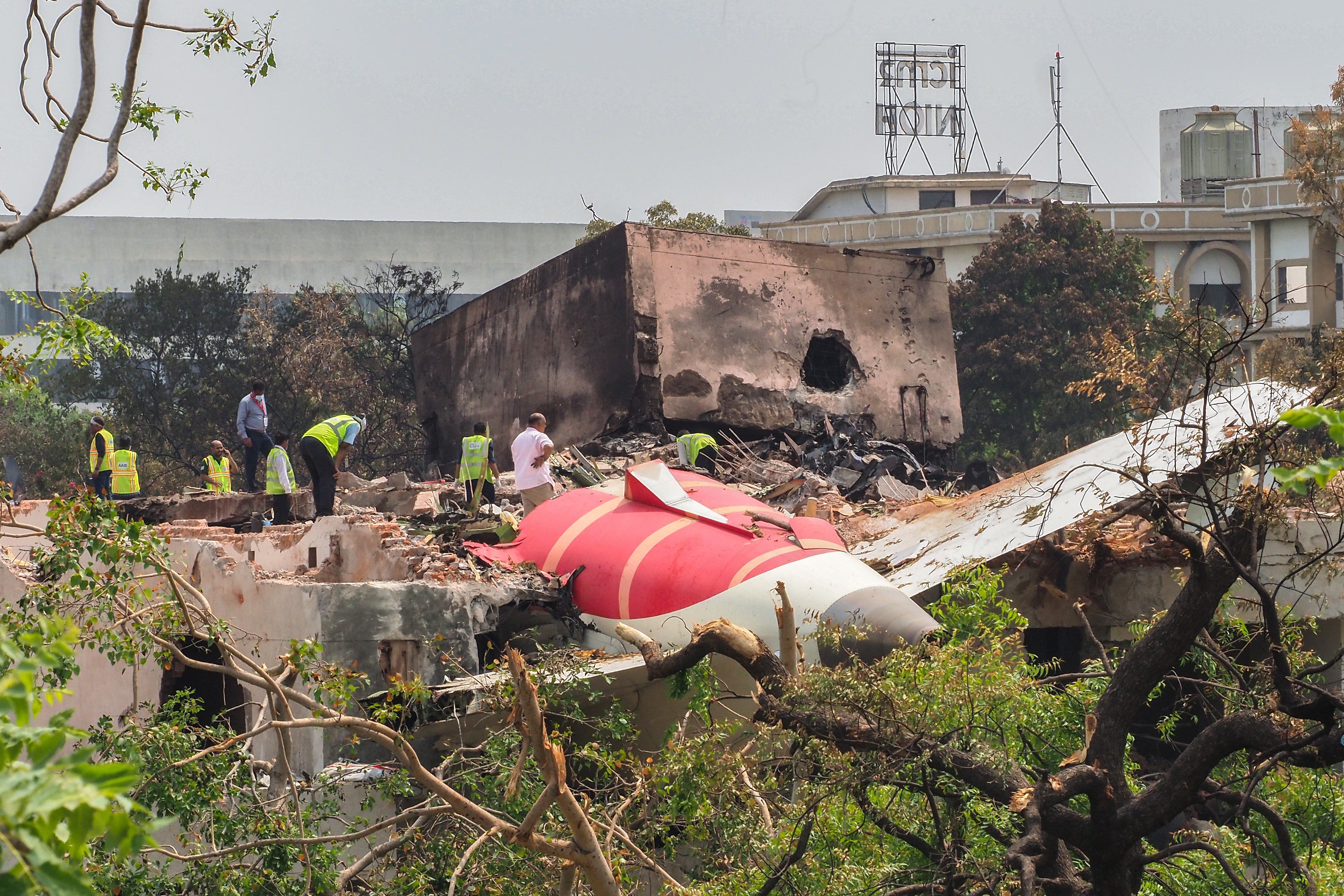
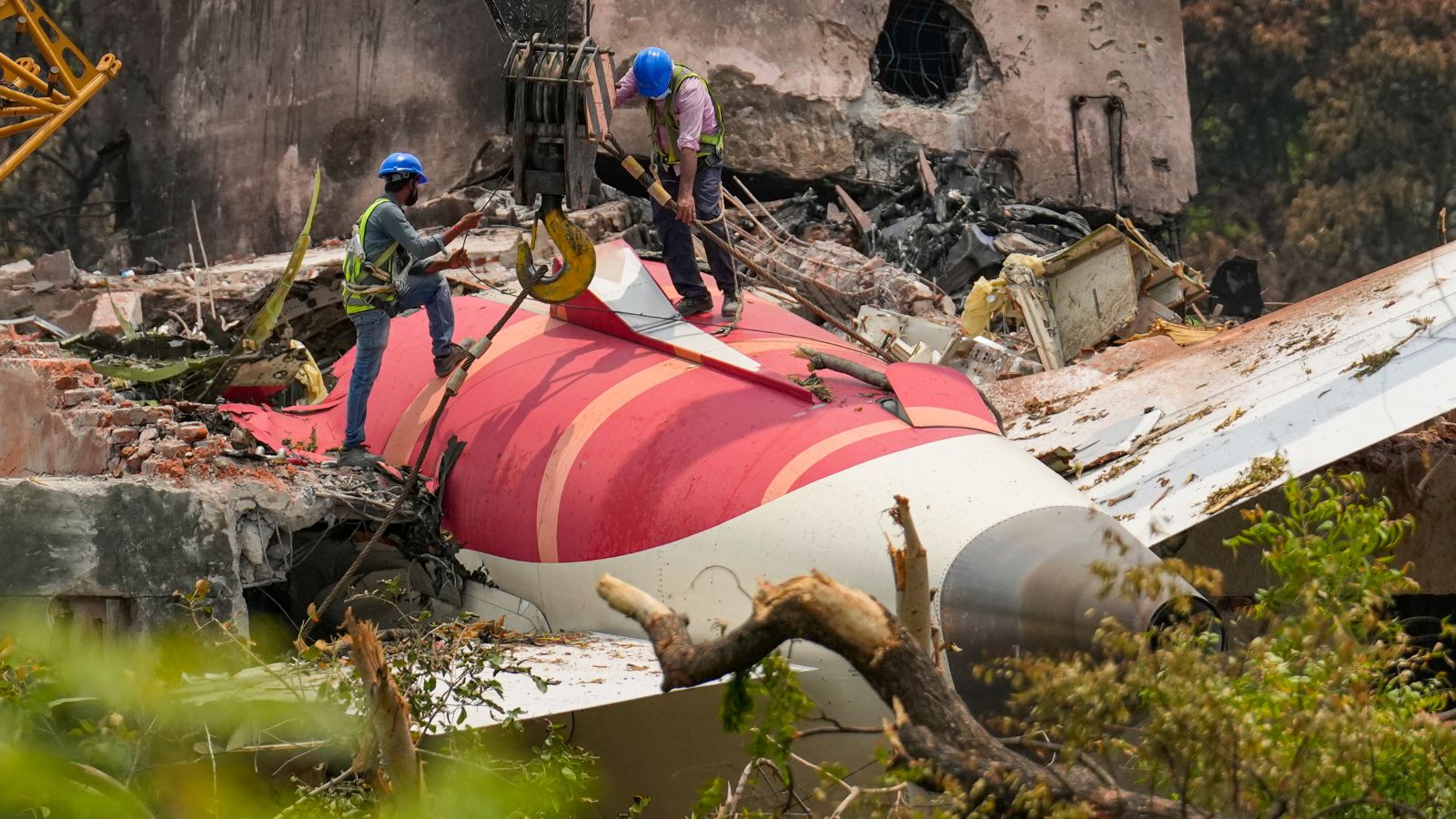
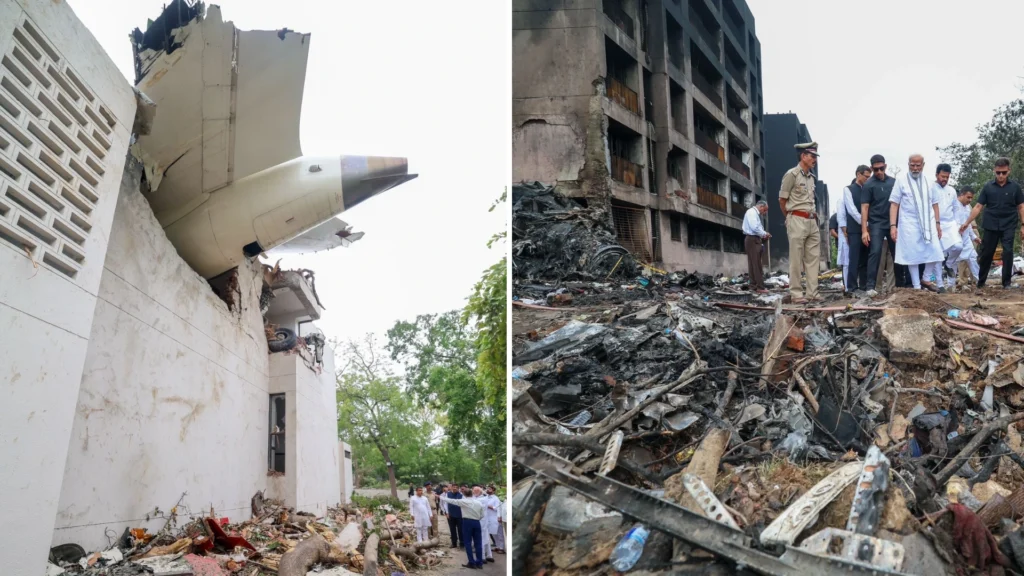
In aviation history, "no flaps" incidents typically refer to rare mechanical failures or, more commonly, pilot errors where the aircraft is not properly configured for takeoff or landing. While no single major Air India crash was caused exclusively by a total mechanical "no flap" failure, flap mismanagement and incorrect settings have been central factors in several major accidents, including the tragic overruns at Mangalore in 2010 and Kozhikode in 2020.
Understanding the Aerodynamics of Flaps and Slats
To understand why flap configuration is critical to aviation safety, one must first understand the physics of flight. Flaps and slats are high-lift devices located on the trailing and leading edges of an aircraft's wings, respectively. Their primary purpose is to increase the wing's surface area and curvature (camber), which allows the aircraft to generate more lift at lower speeds.
During takeoff, a partial flap setting provides a balance between increased lift and manageable drag, allowing the plane to become airborne in a shorter distance. During landing, a full or near-full flap extension (such as Flaps 30 or Flaps 40 on a Boeing 737) maximizes lift and significantly increases aerodynamic drag. This allows the aircraft to fly a steeper approach at a much slower speed, which is essential for stopping within the confines of a runway.
A "no flap" landing is a recognized emergency procedure. If the mechanical system fails, pilots must land at a much higher airspeed to prevent an aerodynamic stall. This increased speed requires a significantly longer runway and increases the risk of tire bursts, brake fires, or runway overruns.
Disambiguating "No Flaps" in Air India Incidents
When researchers search for "Air India crash no flaps," they are often referring to one of three things: a specific unstabilized approach where configuration was delayed, a "wrong flap" setting, or the technical challenges of landing at "tabletop" airports like Mangalore and Kozhikode.
1. Air India Express Flight 1344 (Kozhikode, 2020)
On August 7, 2020, a Boeing 737-800 operating as Flight 1344 crashed at Calicut International Airport. While the aircraft did have its flaps deployed (Flaps 30), the investigation highlighted a critical failure in speed management and configuration relative to the environmental conditions. The flight was attempting to land in heavy rain with a significant tailwind on a tabletop runway.
The investigation revealed that the pilot-in-command did not follow standard operating procedures for an unstabilized approach. The high speed at touchdown, combined with the tailwind and a late touchdown point, made an overrun inevitable. In this context, the "configuration" was technically correct for a normal landing, but functionally inadequate for the specific high-risk variables present at the time.
2. Air India Express Flight 812 (Mangalore, 2010)
The Mangalore crash is a textbook case of a "steep and fast" approach. The aircraft was significantly above the required glide path. To lose altitude quickly, the crew had to manage flaps and landing gear in a rushed manner. The aircraft touched down far beyond the "touchdown zone," leaving insufficient runway to stop. This incident underscored the dangers of "configuration chasing," where pilots attempt to force the aircraft into the correct landing shape while already too close to the ground.
3. The 1990 Indian Airlines Flight 605 (Bangalore)
Though technically "Indian Airlines" (which later merged with Air India), this crash of an Airbus A320 was a seminal moment in cockpit automation history. The crew inadvertently placed the aircraft in "Open Descent" mode rather than "Vertical Speed" mode. This caused the engines to idle. Because the crew was distracted by the new automation and did not properly monitor their speed and flap-influenced drag, the aircraft descended short of the runway. It was not a "no flap" crash, but a "wrong mode/wrong configuration" tragedy.
The Technical Reality of No-Flap Landings
If an Air India crew were faced with a genuine "slat/flap jammed" or "no flap" indication in 2026, they would follow a specific QRH (Quick Reference Handbook) checklist. The technical implications of such an event are as follows:
| Feature | Standard Landing (Full Flaps) | No-Flap/Slat Landing |
|---|---|---|
| Approach Speed (Vref) | Lower (e.g., 140 knots) | Higher (e.g., 180+ knots) |
| Pitch Attitude | Low/Level | High (Nose-up) |
| Landing Distance Required | Standard (approx. 5,000 ft) | Significantly Increased (approx. 8,000+ ft) |
| Brake Energy | Normal | Extremely High / Risk of Fire |
| Stall Speed | Lower | Much Higher |
In a no-flap scenario, the aircraft must maintain a high velocity to generate enough lift to stay airborne. This means the pilot must fly a "flatter" approach. If a crew attempts to land at a standard speed without flaps, the wing will reach its Critical Angle of Attack and stall, leading to a rapid loss of altitude and a potential crash before reaching the runway.
Why Configuration Errors Occur: The Human Factor
In the majority of Air India-related accidents, the mechanical systems were functional. The failure was in Crew Resource Management (CRM).
- Plan Continuation Bias: Also known as "get-there-itis," this is the tendency of pilots to continue with a landing even when the aircraft is not properly configured (e.g., flaps not set at the correct altitude).
- Rushed Descent: If an Air Traffic Controller (ATC) keeps a flight high for too long, the crew may rush to deploy flaps and gear to create drag. If the flaps are deployed above their maximum structural speed (Vfe), it can cause damage or lead to a "flap asymmetry" where one side extends and the other does not.
- Checklist Discipline: A "no flap" takeoff (like the famous Northwest 255 crash) occurs when a crew skips the taxi checklist. Modern Air India SOPs (Standard Operating Procedures) in 2026 utilize electronic checklists and "Takeoff Configuration Warnings" that sound a loud horn if the throttles are advanced without the flaps being set.
Safety Enhancements and 2026 Standards
As of 2026, the aviation industry and Air India have implemented several layers of protection to ensure configuration errors do not lead to crashes.
Stabilized Approach Criteria (SAC)
Air India's current safety policy mandates that an aircraft must be "stabilized" by 1,000 feet in instrument conditions or 500 feet in visual conditions. Being stabilized means:
- The aircraft is on the correct flight path.
- The landing gear is down.
- The flaps are in the final landing position.
- The speed is within a very narrow margin of the target.
- Engines are at an appropriate power setting.
If any of these criteria—especially the flap setting—are not met by the "gate," the crew is strictly required to perform a Go-Around.
Flight Data Monitoring (FDM)
Every flight at Air India is now monitored via FDM. If a pilot lands with an incorrect flap setting or performs an unstabilized approach, the data is flagged and reviewed by safety officers. This proactive approach identifies trends before they result in an accident.
Advanced Landing Distance Assessment
Following the Kozhikode crash, pilots now use real-time software (like Boeing’s OPT or Airbus’s TOLDC) to calculate exactly how much runway is needed based on the current flap setting, weight, and weather. If the software shows that a "no-flap" or "reduced-flap" landing cannot be safely completed on a specific runway, the flight must divert to a longer airfield.
Common Misconceptions Regarding Flap Failures
There is a common misconception that a "no flap" situation is an automatic death sentence. In reality, modern commercial aircraft are designed to be flyable across a wide range of configurations.
A "No Flap, No Slat" landing is a standard part of simulator training for all Air India pilots. The danger arises not from the mechanical failure itself, but from the failure to recognize the condition and adjust the approach speed and landing distance accordingly. For example, if a crew realizes they have a flap jam, they will calculate their new, higher Vref speed, inform the destination airport to have fire services on standby (due to high brake heat), and choose the longest available runway. The "crash" occurs only when the crew tries to land a "fast" plane on a "short" runway or fails to maintain the necessary speed for the configuration.
Frequently Asked Questions
Did an Air India plane ever crash because the flaps fell off?
No. There is no recorded instance of an Air India aircraft experiencing a structural failure where the flaps detached in flight. Accidents involving flaps have historically been related to incorrect settings, late deployment, or failing to go around when the configuration was not stabilized.
Can a Boeing 777 or 787 land without flaps?
Yes. Both the Boeing 777 and 787, which form the backbone of Air India’s long-haul fleet, are capable of landing without flaps. However, the landing speed would be approximately 30-40% higher than normal, and the aircraft would require a very long runway, typically found at major hubs like Delhi (DEL) or Mumbai (BOM).
What is a "Takeoff Configuration Warning"?
This is an automated safety system. If a pilot attempts to take off without the flaps being set to a valid takeoff position, a loud siren or voice alert ("CONFIG FLAPS") sounds in the cockpit. This system is designed to prevent "no flap" takeoff crashes, which were more common in the early days of jet aviation.
How does weather affect flap usage in India?
During the monsoon season, Air India pilots often use higher flap settings (Flaps 40 on a 737) to ensure the slowest possible touchdown speed on wet, slippery runways. Miscalculating the flap-to-speed ratio in heavy rain was a major discussion point in the investigation of the Kozhikode crash.
What should a passenger do if they see the flaps aren't moving?
Passengers should not worry if flaps do not move immediately after the "Prepare for landing" announcement. Flaps are deployed in stages (e.g., Flaps 1, 5, 15, then 30). In some cases, if the plane is too fast, the pilot must wait for the speed to drop before the flaps can be safely extended. If there is a genuine failure, the pilots will be aware of it via cockpit alerts long before a passenger notices.
Practical Recommendation for Aviation Safety Students
When studying the "Air India crash no flaps" topic, focus on the Human Factors and Unstabilized Approach data rather than seeking a purely mechanical failure. The evolution of safety at Air India since the Tata Group acquisition has focused heavily on "Go-Around Culture."
The most important takeaway is that configuration is a prerequisite for a safe landing. If the flaps are not set correctly by the required altitude, the only safe action is to abort the landing, climb back into the sky, and try again. Modern aviation safety is built on the principle that it is always better to arrive late in this world than early in the next.