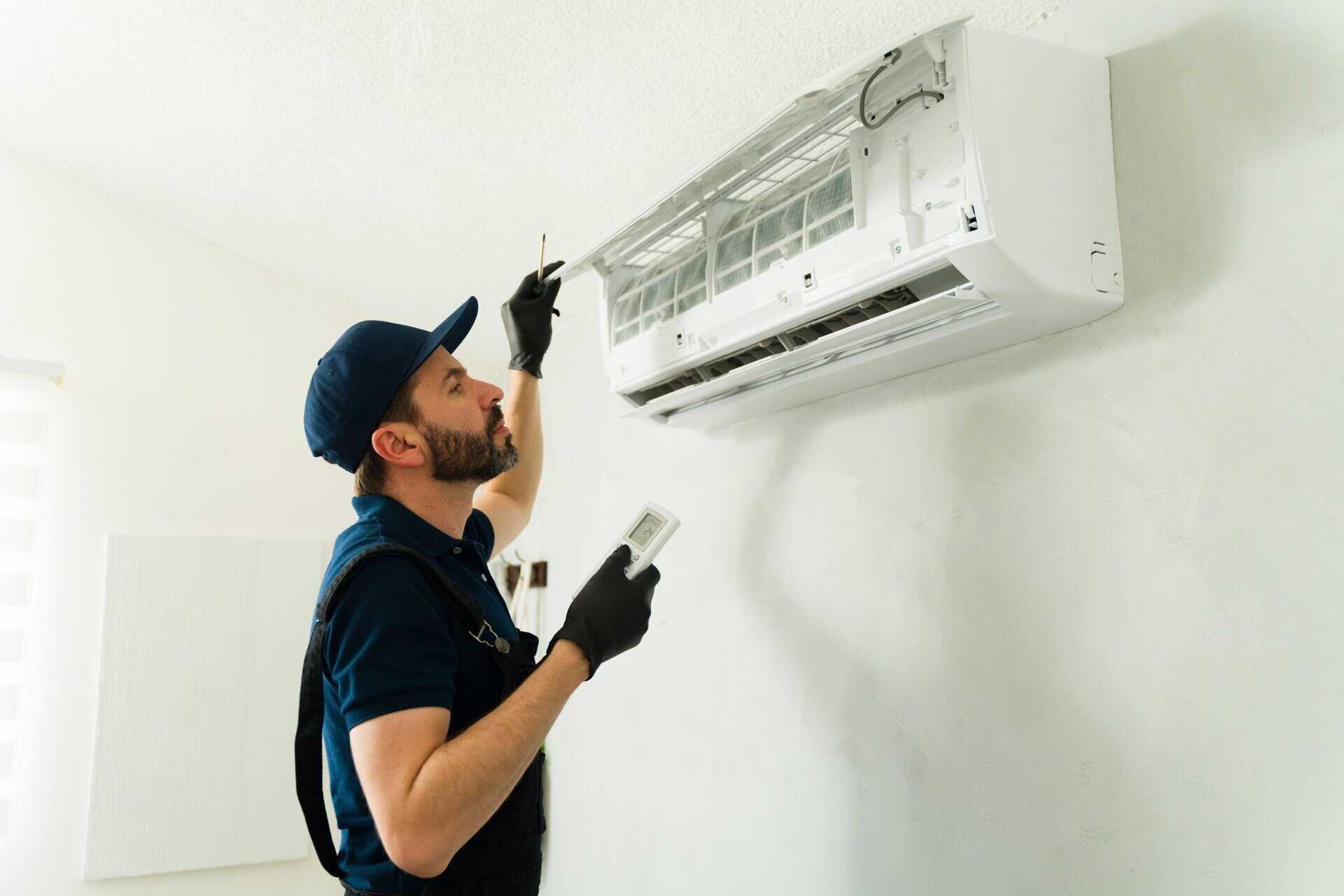
A professional air conditioning installation involves the precise sizing, mounting, and integration of cooling hardware into a residential or commercial structure. It requires a comprehensive heat load calculation (Manual J), specialized refrigerant handling, and electrical compliance to ensure the system operates at peak efficiency while meeting 2026 environmental and safety regulations.
The Evolution of Air Conditioning Installations in 2026
As of 2026, the landscape of residential and commercial cooling has undergone a significant transformation. The industry has moved beyond simple "box-swapping" to a highly technical discipline focused on decarbonization, smart-grid integration, and the use of low Global Warming Potential (GWP) refrigerants. Modern installations are no longer just about comfort; they are about building science, indoor air quality (IAQ), and energy management.
The shift toward electrification has made heat pump technology the primary choice for most new installations. Unlike traditional air conditioners that only provide cooling, modern heat pumps utilize a reversing valve to provide both heating and cooling, making them the most versatile option for modern climates. Furthermore, the regulatory environment in 2026 emphasizes the transition away from R-410A refrigerant toward A2L alternatives like R-32 and R-454B, which require specific technician certifications and specialized installation tools.
Precision Load Calculation: The Foundation of Every Installation
The most critical step in any air conditioning installation occurs before a single tool is lifted. A "rule of thumb" approach—such as installing one ton of cooling for every 500 square feet—is now considered obsolete and often leads to system failure. Professional installers in 2026 rely on Manual J Load Calculations, a protocol developed by the Air Conditioning Contractors of America (ACCA).
Why Oversizing is a Failure
Installing a system that is too large for the space is a common mistake. An oversized unit will reach the thermostat's set point too quickly, a phenomenon known as "short-cycling." Because the system doesn't run long enough to move sufficient volumes of air across the evaporator coil, it fails to remove humidity effectively. This results in a "cold and clammy" environment and significantly increases wear and tear on the compressor.
Factors in a Modern Load Calculation
- Building Envelope Integrity: The quality of insulation in the attic, walls, and floors.
- Fenestration: The U-value and Solar Heat Gain Coefficient (SHGC) of windows and doors.
- Orientation: The direction the home faces and the amount of direct sunlight it receives throughout the day.
- Occupancy and Internal Loads: The number of residents and the heat generated by appliances, electronics, and lighting.
- Ductwork Condition: The static pressure and leakage rates of existing distribution systems.
Selecting the Right System Type
The choice of system depends on the existing infrastructure of the building, the local climate, and the owner’s long-term energy goals. In 2026, four primary configurations dominate the market.
Central Air Conditioning and Heat Pumps
Central systems utilize a network of ducts to distribute air. In 2026, these systems are almost exclusively variable-speed or multi-stage. Variable-speed compressors can "throttle down" to as low as 25% capacity, allowing the system to run continuously at a low, quiet level to maintain a perfect temperature and maximize dehumidification.
Ductless Mini-Split Systems
Mini-splits have become the standard for retrofitting older homes or for zone-specific cooling. They consist of an outdoor condenser connected to one or more indoor air handlers via small refrigerant lines. Their primary advantage is the elimination of ductwork, which can account for up to 30% of energy loss in traditional systems.
Hybrid (Dual-Fuel) Systems
For regions with extreme winter temperatures, hybrid installations combine an electric heat pump with a high-efficiency gas furnace. The system intelligently switches between the heat pump for mild weather and the furnace for bitter cold, optimizing both cost and carbon footprint.
VRF (Variable Refrigerant Flow) Systems
Once reserved for large commercial buildings, residential VRF systems are gaining traction in 2026. These systems allow for simultaneous heating and cooling in different rooms, providing the ultimate level of personalized comfort and efficiency.
The Technical Installation Process: Step-by-Step
A high-quality installation is a multi-day process that requires mechanical, electrical, and plumbing expertise.
1. Site Preparation and Permitting
Before installation begins, contractors must secure local mechanical and electrical permits. The site is prepared by removing the old unit and ensuring the outdoor pad is level and structurally sound. In 2026, many local codes require specific clearances for A2L refrigerant systems to ensure proper ventilation in the unlikely event of a leak.
2. Indoor Coil and Air Handler Installation
The indoor portion of the system—either a furnace with an evaporator coil or a dedicated air handler—is positioned. Proper sealing is paramount here. Installers use mastic sealant or high-grade foil tape to ensure that the connection between the unit and the ductwork is airtight, preventing the loss of conditioned air into unconditioned spaces like attics or crawlspaces.
3. Refrigerant Line Set Integration
The "line set" consists of two copper pipes that carry refrigerant between the indoor and outdoor units. During installation, these must be sized correctly based on the manufacturer’s specifications. If the lines are too small, the compressor will overwork; if they are too large, oil may not return to the compressor properly, leading to premature failure.
4. Electrical and Control Wiring
Modern systems require a dedicated high-voltage circuit for the outdoor unit and often a separate circuit for the indoor air handler. Additionally, low-voltage communication wires connect the units to the thermostat. In 2026, many installations include Smart Home Integration, utilizing protocols like Matter or Thread to allow the AC system to communicate with other smart devices for demand-response energy savings.
5. The Vacuum and Charging Phase
This is the most technically demanding part of the installation. After the copper lines are brazed (welded) together, the technician must use a vacuum pump to remove all air and moisture from the system. This is verified using a micron gauge; a successful vacuum must hold below 500 microns. Once verified, the refrigerant is released into the system. Installers then use "Subcooling" or "Superheat" methods to "trim" the charge to the exact weight required for the specific line set length.
2026 Efficiency Standards and Refrigerant Regulations
Installers in 2026 must adhere to strict federal and international standards. The Department of Energy (DOE) now enforces SEER2 (Seasonal Energy Efficiency Ratio 2) and HSPF2 (Heating Seasonal Performance Factor 2) metrics. These tests are conducted under higher external static pressure to more accurately reflect real-world installation conditions.
| Feature | Standard (SEER2) | 2026 Market Standard | Impact on Installation |
|---|---|---|---|
| Minimum Efficiency | 14.3 - 15.2 (Regional) | 18.0 - 22.0+ | Requires larger coils and more space. |
| Refrigerant Type | A2L (R-32, R-454B) | Low-GWP Solutions | Needs spark-proof tools and sensors. |
| Airflow Control | Constant Torque Motors | Variable Speed (ECM) | Requires precise duct sizing. |
| Connectivity | Optional | Integrated Smart Control | Facilitates remote diagnostics. |
Cost Analysis: Investing in a 2026 Installation
The cost of an air conditioning installation has shifted significantly due to new technology and labor requirements. While the upfront price may be higher than in previous decades, various incentives often offset these costs.
Equipment and Labor Breakdown
- Entry-Level Systems (15-16 SEER2): Typically range from $6,000 to $9,000. These are reliable, single-stage units.
- Mid-Range Systems (17-19 SEER2): Usually cost between $9,000 and $13,000. These often feature two-stage compressors for better humidity control.
- High-End Variable Speed Systems (20+ SEER2): Can range from $13,000 to $22,000+. These offer the highest energy savings and the quietest operation.
Financial Incentives and Tax Credits
Under the continued frameworks of various green energy initiatives (such as the Inflation Reduction Act extensions), homeowners can often claim significant tax credits for installing high-efficiency heat pumps. These credits can sometimes cover up to 30% of the project cost, capped at specific annual limits. Local utility companies also provide rebates for systems that exceed baseline efficiency standards.
Common Mistakes in Air Conditioning Installations
Even the most expensive equipment will underperform if the installation is flawed. Awareness of these common pitfalls can help homeowners ensure they are getting a quality job.
- Reusing Old Refrigerant Lines: While tempting to save money, old lines often contain residual mineral oil from R-22 systems or R-410A contaminants that are incompatible with 2026 A2L refrigerants. Professional installers usually recommend new, properly sized line sets.
- Improper Drainage: Air conditioners produce significant amounts of condensate (water). If the primary and secondary drain lines are not pitched correctly or lack proper "P-traps" and float switches, it can lead to catastrophic water damage inside the home.
- Ignoring Indoor Air Quality (IAQ): An installation is the perfect time to address filtration. Relying on basic 1-inch pleated filters can restrict airflow. Modern installations often incorporate 4-inch media cleaners or UV purification systems.
- Poor Thermostat Placement: Placing a thermostat near a drafty window, in direct sunlight, or near a kitchen can cause the system to cycle incorrectly, leading to uneven temperatures throughout the building.
Choosing a Qualified Installer
In 2026, credentials matter more than ever. A reputable HVAC contractor should possess:
- NATE Certification (North American Technician Excellence): The industry standard for technical competency.
- EPA 608 Certification: Required by law for handling refrigerants.
- State Licensing and Insurance: To protect the homeowner in the event of accidents or code violations.
- A "Design-First" Mentality: They should provide a written load calculation and a detailed proposal, not just a verbal quote.
Frequently Asked Questions
What is the average lifespan of a new AC system installed in 2026?
Most modern systems are designed to last 15 to 20 years, provided they receive annual professional maintenance. However, systems installed in harsh coastal environments with high salt spray may see a reduced lifespan of 10 to 12 years unless treated with specialized anti-corrosion coatings.
Can I install an air conditioner myself to save on labor costs?
It is highly discouraged and, in many jurisdictions, illegal. Professional installation is required to handle refrigerants safely, comply with electrical codes, and maintain the manufacturer's warranty. Most manufacturers will void the warranty if the system was not commissioned by a licensed professional.
Why is the new A2L refrigerant being used instead of R-410A?
The transition to A2L refrigerants like R-32 is part of a global effort to reduce the use of high-GWP gases. These newer refrigerants have a much lower impact on climate change while often providing better heat transfer efficiency, which helps reduce electricity consumption.
How long does a typical installation take?
A standard "change-out" (replacing an existing unit with a similar one) usually takes 8 to 12 hours for a crew of two. A full "system-up" installation involving new ductwork or moving equipment locations can take 3 to 5 days.
Do I need to replace my furnace when I replace my AC?
While not always strictly necessary, it is highly recommended. The indoor evaporator coil must be matched to the outdoor condenser to achieve the rated SEER2 efficiency. If the furnace’s blower motor is old and inefficient, it will prevent the new AC from performing at its peak.
Final Recommendation for Homeowners
When planning an air conditioning installation in 2026, prioritize system design over equipment brand. A mid-tier brand installed with precision and a proper load calculation will always outperform a premium-brand system that was sized incorrectly or installed poorly.
Before signing a contract, request a copy of the Manual J report and ensure the contractor plans to perform a nitrogen purge during the brazing process to prevent internal oxidation. Investing the time to find a detail-oriented contractor will pay dividends in lower utility bills, fewer repairs, and superior indoor comfort for the next two decades.