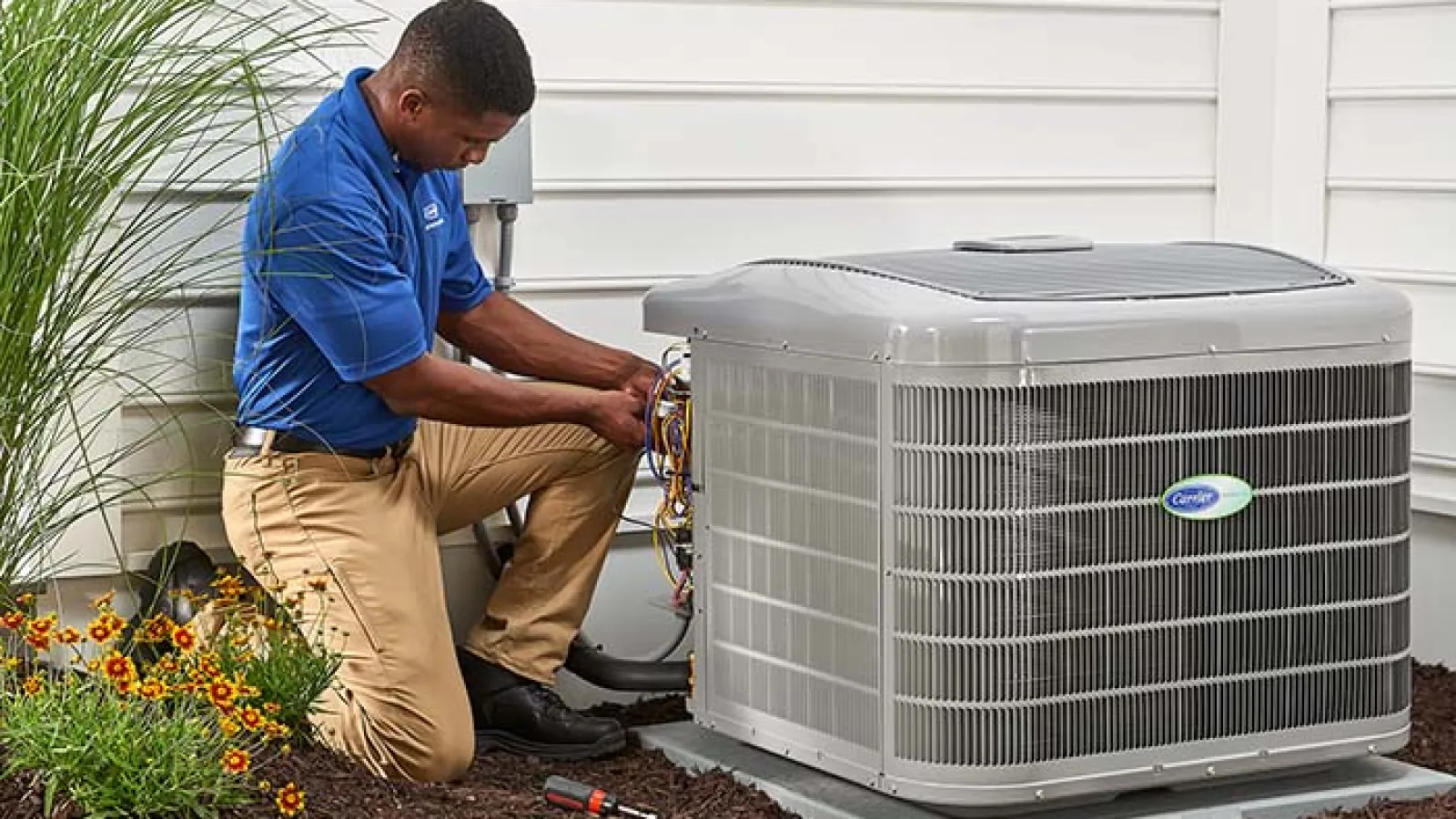
In Bradenton, FL, air conditioning is a critical utility required to manage high humidity and temperatures that frequently exceed 90°F. Reliable cooling involves selecting high-efficiency systems—typically SEER2 14.3 or higher—capable of withstanding salt-air corrosion, ensuring professional installation that adheres to the Florida Building Code, and performing bi-annual maintenance to prevent mold growth and mechanical failure.
Air conditioning in Bradenton is not merely a matter of comfort; it is a necessity for health, property preservation, and indoor air quality. Located along the Manatee River and near the Gulf of Mexico, Bradenton faces unique environmental challenges, including high saline content in the air and extreme moisture levels. As of 2026, homeowners and business owners must navigate evolving energy standards and new refrigerant regulations while maintaining systems that can run nearly 300 days a year.
The Bradenton Climate and Its Impact on HVAC Systems
The subtropical climate of Manatee County dictates the lifecycle and performance requirements of any cooling system. Bradenton experiences a "long summer" that typically spans from April through October, characterized by high dew points and consistent solar loading.
Humidity Management
In Bradenton, the primary job of an air conditioner is often dehumidification rather than just lowering the sensible temperature. When humidity levels exceed 60%, the risk of organic growth (mold and mildew) within drywall and upholstery increases significantly. Modern HVAC systems in 2026 often utilize variable-speed compressors and sophisticated blowers that can run at lower speeds for longer cycles. This allows the evaporator coil to pull more moisture out of the air without over-cooling the home, a process far more efficient than the "on-off" cycling of older, single-stage units.
The Salt Air Factor
Properties located near the Manatee River, Palma Sola Bay, or the Gulf beaches face accelerated equipment degradation. Salt air is highly corrosive to the aluminum fins and copper tubing found in standard outdoor condenser units. Without specific "coastal" protection—such as epoxy coatings (like Blygold or Heresite) or all-aluminum "Spine Fin" coils—a standard unit in Bradenton may see its lifespan reduced by 30% to 50%. Homeowners in 2026 are increasingly opting for units specifically engineered for high-salinity environments to protect their significant financial investment.
Understanding 2026 Efficiency Standards and Regulations
The landscape of air conditioning technology has shifted significantly due to federal mandates aimed at reducing carbon footprints and improving energy independence.
SEER2 Ratings and Florida Standards
The Department of Energy (DOE) implemented the SEER2 (Seasonal Energy Efficiency Ratio 2) standards to better reflect real-world external static pressure. In Florida, which falls under the Southeast region, the minimum efficiency for residential central air systems is 14.3 SEER2 (equivalent to the old 15 SEER). However, given Bradenton’s high utility rates, many residents find that the "sweet spot" for return on investment is between 16 and 18 SEER2. These mid-to-high-tier systems often qualify for federal tax credits under programs like the Inflation Reduction Act, which remains a relevant factor for financing in 2026.
The Refrigerant Transition
By 2026, the transition away from R-410A (Puron) to lower Global Warming Potential (GWP) refrigerants, such as R-32 or R-454B, is fully established in the new equipment market. These "A2L" refrigerants are mildly flammable but significantly more efficient at heat transfer. For Bradenton residents, this means that new installations require specific sensors and safety components. While R-410A remains available for servicing older systems, its cost has risen as production phased down, making the repair-vs-replace calculation lean more toward replacement for units older than 10 years.
Types of Air Conditioning Systems Common in Bradenton
Depending on the age and architecture of the home—ranging from historic cottages in the Village of the Arts to modern builds in Lakewood Ranch—different cooling technologies are applied.
| System Type | Best Suited For | Primary Advantage | Considerations |
|---|---|---|---|
| Central Air (Split System) | Standard suburban homes | Uniform cooling, uses existing ducts | Requires ductwork maintenance |
| Heat Pumps | Most Florida residences | High efficiency in cooling and heating | Ideal for Bradenton's mild winters |
| Ductless Mini-Splits | Historic homes, sunrooms, garages | Zoned cooling, no ductwork needed | Higher upfront cost per zone |
| Packaged Units | Mobile homes, small commercial | Space-saving, all-in-one footprint | Shorter lifespan due to exposure |
The Rise of Heat Pumps
In 2026, the traditional "straight cool" AC with electric heat strips is becoming less common in Florida. High-efficiency heat pumps are now the standard. Because Bradenton rarely sees temperatures below freezing, a heat pump can provide the necessary warmth during the few chilly nights in January by reversing the refrigeration cycle, which is up to 300% more efficient than electric resistance heating.
Critical Maintenance for the Florida Environment
The heavy workload placed on HVAC systems in Bradenton necessitates a proactive maintenance schedule. Neglecting a system in this environment leads to "biological blooms" inside the air handler and catastrophic drainage failures.
Drain Line Clearing
The most frequent cause of AC service calls in Manatee County is a clogged primary condensate drain line. As the system removes gallons of water from the humid air daily, algae and "slime" build up in the PVC drain lines. If the safety float switch fails, this can lead to water damage in ceilings or floors. Professional maintenance includes high-pressure clearing of these lines and the application of biocides to prevent regrowth.
Coil Cleaning and Inspection
Both the indoor evaporator coil and the outdoor condenser coil must be kept clean to ensure efficient heat exchange. In Bradenton, the outdoor coil often traps "cottonwood" seeds, dirt, and salt crust. If the heat cannot dissipate, the compressor runs hotter and consumes more electricity, eventually leading to a premature "burnout."
Indoor Air Quality (IAQ)
Given that Floridians spend roughly 90% of their time indoors during the summer, IAQ has become a major focus. In 2026, many Bradenton HVAC installations include UV-C germicidal lights or bipolar ionization systems. These technologies neutralize mold spores and viruses that thrive in the dark, damp environment of the air handler's cooling coil.
Installation and Replacement: What to Expect in 2026
Replacing an air conditioner in Bradenton is a major home improvement project that requires adherence to strict local codes and permitting processes.
Permitting and Compliance
In Bradenton and unincorporated Manatee County, a mechanical permit is mandatory for all AC replacements. This ensures that the installation is inspected by a third party for safety and code compliance. One critical requirement is the "Manual J" load calculation. This technical assessment determines the exact cooling capacity needed based on the home's square footage, insulation levels, window orientation, and ceiling height. Over-sizing a unit is a common mistake that leads to "short-cycling," where the home stays cool but the humidity remains uncomfortably high.
Cost Considerations
As of 2026, the average cost for a 3-ton high-efficiency split system installation in Bradenton ranges from $7,500 to $13,000, depending on the SEER2 rating and the complexity of the ductwork. While the initial price may seem high, the reduction in monthly Florida Power & Light (FPL) bills often offsets the cost over five to seven years. Financing options, including PACE (Property Assessed Clean Energy) programs, are frequently used by local residents to manage these costs through their property tax bills.
Choosing the Right HVAC Contractor in Bradenton
With numerous providers serving the Suncoast area, vetting a contractor is essential to ensure long-term system reliability.
- Verification of Licensing: Ensure the contractor holds a current Florida State Certified Mechanical (CMC) or Air Conditioning (CAC) license. This can be verified via the Florida Department of Business and Professional Regulation (DBPR).
- Insurance Coverage: A reputable company must carry general liability and workers' compensation insurance to protect the homeowner from liability during the installation.
- Local Reputation: Look for companies with established roots in Bradenton, Sarasota, or Palmetto. Coastal experience is non-negotiable; a contractor from a drier climate may not understand the necessity of corrosion-resistant hardware or proper humidity calibration.
- Warranty Offerings: Standard manufacturer warranties in 2026 typically cover parts for 10 years, but labor warranties vary. Ask about "transferable" warranties if you plan on selling your home.
Common Troubleshooting for Bradenton Residents
Before calling a technician, homeowners can often resolve minor issues or accurately describe the problem to save time.
- The System is Running but Not Cooling: Check the air filter first. A restricted filter reduces airflow across the coil, causing it to freeze into a block of ice. Turn the system off for several hours to let it thaw before restarting with a clean filter.
- Water Leaking from the Ceiling: This indicates a secondary drain pan overflow. Shut down the system immediately to prevent further structural damage and check the drain line for clogs.
- Strange Smells: A "dirty sock" smell often indicates bacterial growth on the coils. This usually requires a professional deep-clean of the air handler.
- The Outdoor Unit Won't Start: Check the circuit breaker in the main electrical panel. If the breaker has tripped, do not reset it more than once; a trip usually indicates a high-amp draw caused by a failing component like a capacitor or compressor.
FAQ: Air Conditioning in Bradenton
How often should I change my AC filter in Florida?
In Bradenton’s dusty and humid environment, standard 1-inch pleated filters should be changed every 30 days. If you use high-efficiency 4-inch or 5-inch media filters, they may last 6 to 12 months, but they should be inspected quarterly. Frequent changes prevent the blower motor from straining and keep the evaporator coil clean.
Why is my AC running constantly in the summer?
During Bradenton's peak summer months, it is normal for a correctly sized unit to run for 15 to 20 hours a day when temperatures are in the mid-90s. If the system never reaches the set point or the air coming from the vents isn't cold (typically 15-20 degrees cooler than the intake air), you may have a refrigerant leak or a failing compressor.
Are ductless mini-splits a good idea for older Bradenton homes?
Yes. Many historic homes in areas like Wares Creek lack the attic space for traditional ductwork. Ductless mini-splits allow for "zoned" cooling, meaning you only cool the rooms you are using. They are exceptionally quiet and efficient, though they require multiple indoor units for a whole-house solution.
What is the average lifespan of an AC unit in Bradenton?
Due to the heat and salt air, the average lifespan is 10 to 12 years. This is shorter than the national average of 15 years. Units located directly on the water may only last 7 to 10 years without specialized coastal protection and monthly rinsing of the outdoor coils with fresh water.
Can I install my own air conditioner in Florida?
No. Florida law requires a licensed HVAC professional to pull permits and handle refrigerants. Furthermore, manufacturers like Carrier, Trane, and Rheem will void the parts warranty if the system is not installed by a certified technician. Improper installation is the leading cause of premature system failure.
Does the 2026 refrigerant change affect my old R-410A system?
It does not require you to replace your existing system. However, as R-410A is phased out, the cost of the gas for repairs will continue to increase. If your older system develops a significant leak, the cost of the refrigerant plus the repair may make a full system replacement a more logical financial decision.
Practical Recommendation
For residents of Bradenton, the most effective way to ensure air conditioning reliability is to enter into a preventive maintenance agreement with a local provider. These agreements typically include two visits per year—one in the spring to prepare for the summer heat and one in the fall to check the heating components. Early detection of a failing capacitor or a clogged drain line in March can prevent a total system shutdown during a July heatwave. When selecting a new system, prioritize models with high-grade anti-corrosive coatings and variable-speed technology to maximize comfort and minimize utility costs in the unique Florida environment.