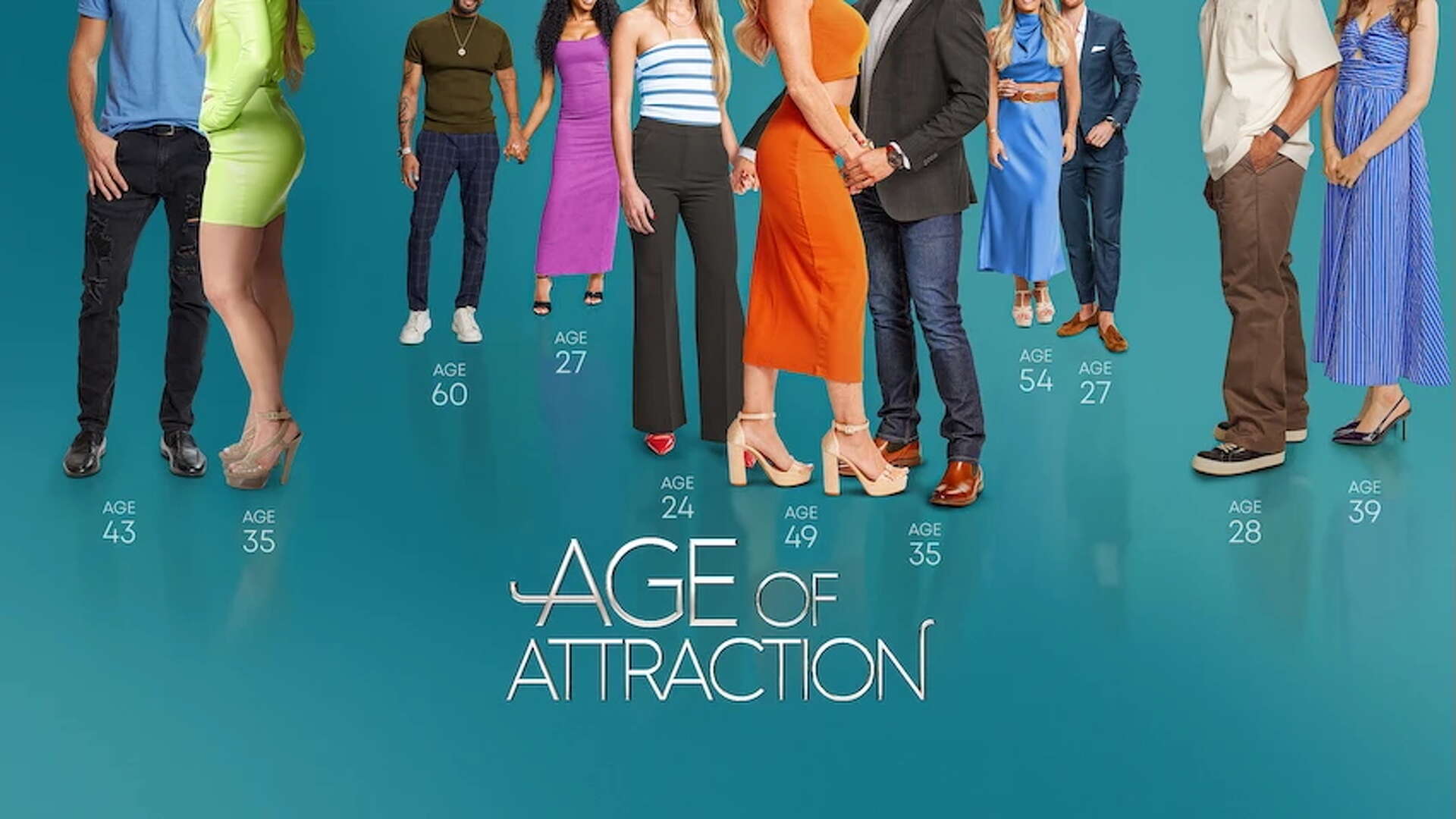
The "age of attraction" is a conceptual framework used to define the chronological and psychological stages during which individuals exhibit specific shifts in social, romantic, and professional magnetism. While not a singular biological clock, it represents the intersection of physical development, behavioral maturity, and socio-cultural factors that influence how individuals attract and are attracted to others throughout their lifespan.
Defining the Concept of Attraction Ages
Attraction is rarely static; it evolves as individuals transition through distinct life phases. The term "age of attraction" refers to the periodic fluctuations in an individual’s perceived "market value" and personal allure as viewed through the lens of social psychology and biological evolutionary theory. By the year 2026, researchers and social scientists increasingly categorize these stages not just by biological reproductive windows, but by the accumulation of social capital, emotional intelligence, and situational awareness.
At its core, the age of attraction seeks to quantify the qualitative experience of "being noticed." This process is heavily influenced by the "attraction ages" model, which suggests that human appeal is cyclical rather than linear. Rather than peaking at a single point, appeal often shifts focus from physical traits in youth to resource stability and personality depth in midlife, and finally to wisdom and legacy in later years.
The Developmental Stages of Attraction
To understand how attraction functions across a lifespan, one must break down the developmental milestones that dictate how society interacts with different age groups.
Early Adulthood: The Physical Attraction Phase
In the early stages of adulthood (typically ages 18–25), the primary drivers of attraction are physical vitality, health markers, and evolutionary signals of reproductive fitness. During this period, the "age of attraction" is heavily skewed toward external presentation. Social media metrics and peer-group dynamics in 2026 continue to reinforce this, as this demographic often prioritizes immediate aesthetic feedback.
The Rise of Socio-Economic Maturity
As individuals enter their late 20s and 30s, the criteria for attraction begin to shift. The focus moves toward "mate quality" indicators that include career stability, intellectual compatibility, and long-term planning capabilities. For many, this is the prime window where personal autonomy becomes a significant component of attractiveness. The "age of attraction" here is defined by what an individual brings to a partnership in terms of lifestyle and reliability rather than simple physical novelty.
The Mid-Life Threshold: The Competence Pivot
Approaching the 40s and 50s, the attraction dynamic undergoes another transformation. By 2026, societal standards have increasingly recognized "competence" as a high-value trait. At this age, the physical markers of youth have naturally evolved, but the perceived attractiveness of an individual often increases if they have cultivated a stable identity, refined their communicative skills, and established a clear sense of purpose. This is often where attraction becomes less about pursuit and more about gravitas.
Comparative Metrics of Attraction Across the Lifespan
The following table illustrates the shifting focus of attraction-based criteria as individuals move through different life stages.
| Age Stage | Primary Attraction Drivers | Secondary Indicators | Societal Focus |
|---|---|---|---|
| 18–25 | Physical Vitality, Aesthetics | Peer Approval, Energy | Discovery & Exploration |
| 26–39 | Stability, Ambition, Intelligence | Emotional Intelligence | Building Foundations |
| 40–55 | Competence, Identity, Resourcefulness | Wisdom, Charisma | Consolidation of Influence |
| 56+ | Legacy, Experience, Poise | Presence, Storytelling | Mentorship & Integration |
The Impact of Socio-Cultural Trends in 2026
By 2026, the digital landscape has fundamentally altered how attraction is measured and perceived. The rise of sophisticated algorithmic matching and the normalization of non-traditional career paths have meant that the "age of attraction" is no longer strictly bound by conventional milestones like marriage or home ownership at specific ages.
Individuals are now finding that they can extend their period of peak attractiveness by focusing on self-optimization. This includes advancements in wellness, mental health awareness, and the democratization of information regarding personal branding. The stigma once associated with aging has been significantly reduced, replaced by a cultural celebration of "ageless" appeal, which emphasizes that one's attraction age is largely determined by their internal state and lifestyle choices rather than their birth year.
Biological and Psychological Foundations
To fully comprehend why these attraction ages exist, we must look at the biological and psychological imperatives that drive human interaction. Evolutionary psychology posits that humans are wired to detect markers of health and longevity. While these markers change, the instinct to categorize potential partners based on these cues remains consistent.
Psychologically, attraction is also tied to "familiarity bias." As we grow older, our internal baseline for what we find attractive changes based on our own life experiences. If you have spent decades valuing independence, you are more likely to find independence attractive in others at 50 than you did at 20. This creates a feedback loop: as our personal values solidify, the age of attraction becomes a reflection of our internal maturity.
Common Misconceptions Regarding Attraction Ages
A major point of confusion for many is the belief that there is a "shelf life" for attraction. This myth often leads to unnecessary anxiety as individuals approach milestones like 30, 40, or 50.
The Myth of the "Drop-Off"
There is no empirical evidence to suggest that human attraction ends at any specific age. Rather, the target demographic for that attraction changes. An individual who feels their attraction is "fading" is often simply attempting to compete for attention within an age bracket that no longer aligns with their own stage of development or their current value set.
The External Validation Trap
Another common mistake is relying solely on external validation—such as likes on social media or unsolicited attention—as a measure of one's attractiveness. This metric is prone to volatility and is often skewed by the demographics of the platform being used. True attractiveness in the context of the "age of attraction" is internal and self-referential; it is about how effectively you inhabit your own current age.
Strategies for Optimizing Personal Magnetism at Any Age
Whether you are in your early 20s or navigating your 60s, there are consistent strategies that enhance your personal appeal and social standing.
- Cultivate Intellectual Depth: Regardless of physical age, individuals who possess the ability to engage in complex, nuanced conversation are universally perceived as more attractive.
- Prioritize Consistent Self-Care: This is not about anti-aging, but about "pro-aging." Maintaining physical health serves as a signal of high self-respect, which is inherently magnetic.
- Develop a Unique Personal Style: As you move through different attraction ages, your style should evolve to match your level of comfort and professional standing. Authenticity in presentation creates a strong psychological "hook" for others.
- Embrace Your Current Stage: The most unattractive trait is the active denial of one's own age. Accepting where you are in the cycle allows you to focus on the strengths of that stage, rather than lamenting the loss of a previous one.
Troubleshooting Your Attraction Metrics
If you feel that your social or professional interactions are stagnant, it may be time to audit your approach to the "age of attraction."
- Audit your circle: Are you attempting to appeal to an age demographic that does not share your current values? If you are in your 40s but still looking for validation from your 20-year-old social circle, you will likely feel a disconnect.
- Assess your communication style: As we age, our communication needs to become more focused and effective. If your social interactions are still characterized by the indirect communication common in youth, you may struggle to form the deeper, more attractive connections required in adulthood.
- Check your health baseline: If your energy levels are consistently low, your ability to project confidence and vitality will be diminished. Ensure that your physical health supports your desired social output.
Professional Advice and Limitations
While understanding the "age of attraction" can provide significant insights into human behavior and social dynamics, it is not a substitute for professional mental health care or specialized relationship counseling. If you find that your concern regarding your age or attractiveness is causing extreme anxiety, depression, or a distorted body image, it is imperative to seek guidance from a licensed therapist or psychologist. These frameworks are analytical tools, not medical or absolute psychological definitions.
Conclusion and Next Steps
The "age of attraction" is a dynamic and shifting landscape that offers a unique opportunity for self-discovery. By recognizing that each stage of life brings a new set of advantages and a different, often more profound, type of magnetism, you can move away from the anxiety of aging and toward the empowerment of maturity. Your next step should be an honest assessment of your current social goals. Identify which demographic you are currently trying to attract and ensure that your behaviors, style, and intellectual output align with the standards of that specific stage. Focus on building the traits—competence, poise, and purpose—that remain valuable regardless of the number on your birth certificate.