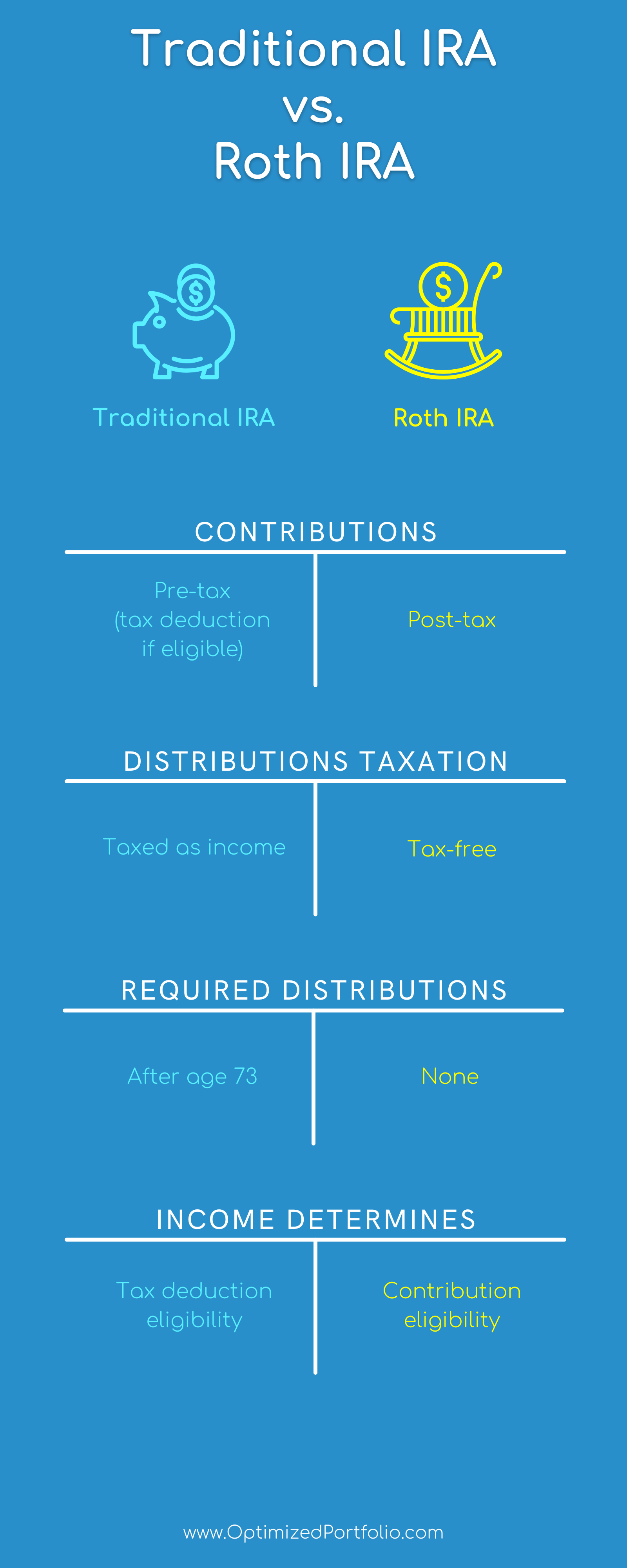
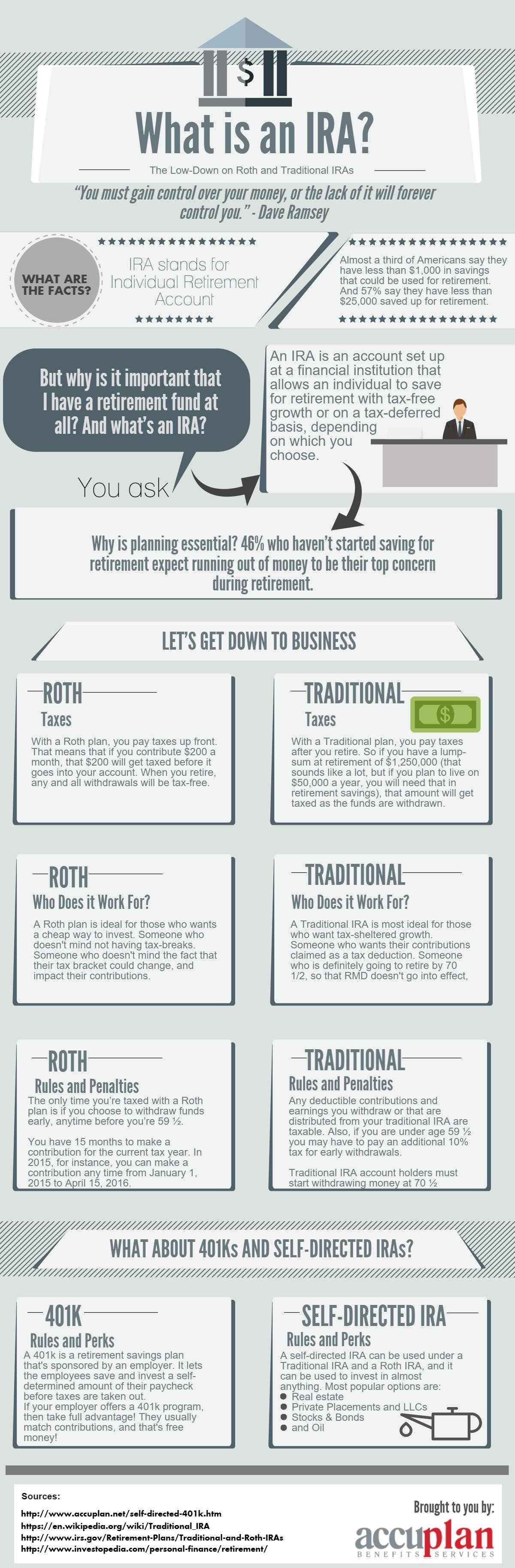
An after-tax contribution to a Traditional IRA, also known as a non-deductible contribution, occurs when you deposit funds into your account but cannot claim a tax deduction for that amount. While these contributions do not provide an immediate tax break, the earnings grow tax-deferred until withdrawal, and the original principal is not taxed again.
Making after-tax contributions is a common strategy for high earners who are phased out of deductible Traditional IRA contributions and Roth IRA eligibility. However, managing these contributions requires diligent record-keeping through IRS Form 8606 to track your "basis" and avoid being taxed twice on the same money when you eventually retire.
The Mechanics of Non-Deductible Contributions
In the 2026 tax year, the decision to make after-tax contributions usually stems from necessity rather than preference. Most taxpayers prefer a deductible contribution (which lowers their current taxable income) or a Roth contribution (which allows for tax-free withdrawals). However, the IRS imposes strict income limits on both of those options if you or your spouse are covered by a retirement plan at work.
When your Modified Adjusted Gross Income (MAGI) exceeds these thresholds, your ability to deduct a Traditional IRA contribution is reduced or eliminated. At this point, the IRS still allows you to contribute up to the annual limit, but the contribution must be designated as non-deductible. This creates a "basis" in your IRA—a portion of the account that has already been taxed.
The primary benefit of this approach is tax-deferred growth. In a standard taxable brokerage account, you might owe taxes annually on dividends, interest, and realized capital gains. Within a Traditional IRA, even one funded with after-tax dollars, those taxes are deferred until you take a distribution. This allows for more efficient compounding over decades.
2026 Contribution Limits and Income Phase-Outs
For the 2026 tax year, it is essential to understand the current limits to ensure you do not inadvertently trigger over-contribution penalties. The IRS adjusts these limits periodically based on cost-of-living adjustments (COLA).
| Contribution Category | 2026 Limit (Under Age 50) | 2026 Limit (Age 50+) |
|---|---|---|
| Total IRA Contribution | $7,500 | $8,500 |
| Deductibility (Single) | Phased out if MAGI is high | Phased out if MAGI is high |
| Deductibility (Married) | Phased out if MAGI is high | Phased out if MAGI is high |
Note: The limits above represent the aggregate total you can contribute to all your IRAs (Traditional and Roth) combined.
When Contributions Become Non-Deductible
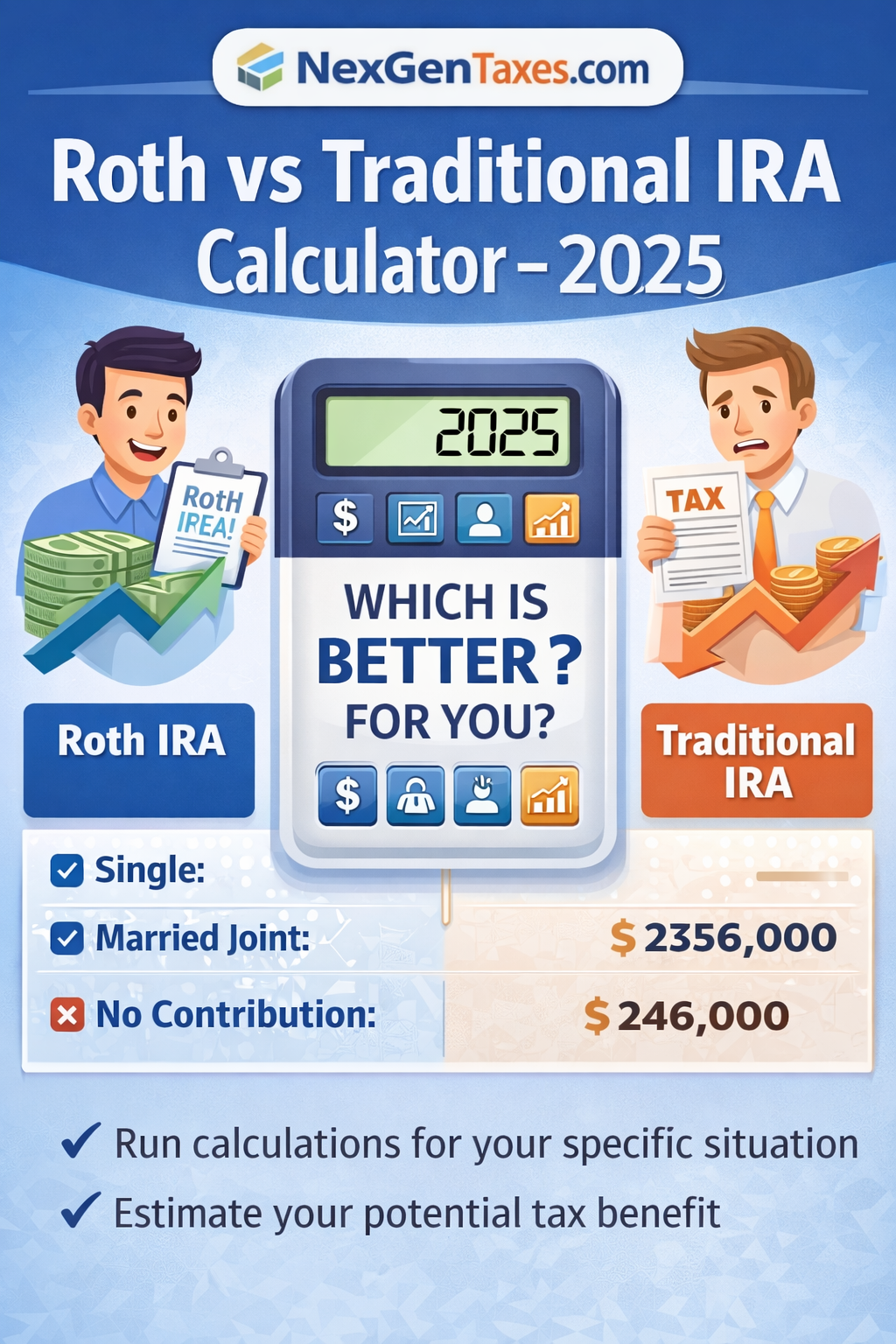
If you are covered by an employer-sponsored plan (like a 401(k)), your deduction for a Traditional IRA contribution starts to disappear once your MAGI hits certain levels. For 2026, single filers generally see a phase-out between $79,000 and $89,000, while married couples filing jointly see a phase-out between $126,000 and $146,000 (estimates based on 2025-2026 COLA trends). If your income is above the top of these ranges, your contribution is entirely after-tax.
The Critical Importance of IRS Form 8606
If there is one technical requirement to master with after-tax IRA contributions, it is IRS Form 8606, Nondeductible IRAs. This form is the only official way the IRS tracks how much of your IRA consists of money that has already been taxed.
Why You Must File Form 8606
Every year you make a non-deductible contribution, you must attach Form 8606 to your tax return. This form records your "basis" for that year and adds it to your total cumulative basis from previous years.
If you fail to file this form, the IRS will assume that all the money in your Traditional IRA is pre-tax. Consequently, when you retire and start taking distributions, you will be taxed on the entire amount—effectively paying income tax twice on your after-tax contributions. Furthermore, there is a $50 penalty for failing to file this form unless you can show reasonable cause.
Record Keeping for the Long Term
Because your IRA journey may span 30 or 40 years, you must keep copies of every Form 8606 you file until the account is completely emptied. If you switch tax preparers or software, the cumulative basis may not carry over correctly. It is the taxpayer's responsibility to prove the existence of after-tax funds.
Understanding the Pro-Rata Rule
One of the most significant misunderstandings regarding after-tax contributions is the belief that you can choose to withdraw only the after-tax portion later to avoid taxes. The IRS does not allow this; instead, it applies the Pro-Rata Rule.
The Pro-Rata Rule states that for tax purposes, the IRS views all your Traditional, SEP, and SIMPLE IRAs as a single combined pool of assets. When you take a distribution or convert funds to a Roth IRA, the IRS considers a proportional amount of pre-tax and after-tax money to be moving out.
The Pro-Rata Calculation Example
Suppose you have a total of $100,000 in all your Traditional IRAs. $10,000 of that was an after-tax contribution (your basis), and $90,000 is pre-tax (deductible contributions plus growth). Your "basis percentage" is 10%.
If you decide to withdraw or convert $10,000, you cannot claim that you are withdrawing the $10,000 of after-tax money. Instead:
- 10% ($1,000) is considered a tax-free return of basis.
- 90% ($9,000) is considered taxable income.
This rule makes after-tax contributions less attractive if you already have a large balance of pre-tax IRA funds, as it complicates the "Backdoor Roth" strategy.
The "Backdoor Roth" Strategy in 2026
The primary reason many high-income earners make after-tax contributions to a Traditional IRA is to immediately perform a conversion to a Roth IRA. This is commonly known as the Backdoor Roth IRA.
Since 2010, there have been no income limits on converting Traditional IRA funds to a Roth IRA. A high earner who cannot contribute directly to a Roth IRA can:
- Make a non-deductible (after-tax) contribution to a Traditional IRA.
- Wait a short period for the funds to settle.
- Convert those funds to a Roth IRA.
If the individual has no other pre-tax IRA assets, the conversion is largely tax-free because the contribution was already taxed. However, if the individual has other Traditional IRAs with pre-tax money, the Pro-Rata rule mentioned above will trigger a tax bill on the conversion.
For more details on conversion rules, the IRS Publication 590-A provides the official guidelines on contributions and conversions.
Comparing After-Tax IRAs to Taxable Brokerage Accounts
Is it worth the hassle of tracking basis and filing Form 8606 just for tax-deferred growth? For some, a taxable brokerage account may be more flexible.
| Feature | After-Tax Traditional IRA | Taxable Brokerage Account |
|---|---|---|
| Tax on Growth | Deferred until withdrawal | Taxed annually (dividends/gains) |
| Tax Rate on Earnings | Ordinary income rates | Capital gains rates (often lower) |
| Withdrawal Flexibility | 10% penalty before age 59½ | No age-based penalties |
| Required Distributions | Required (RMDs) starting at age 73/75 | No required distributions |
| Record Keeping | High (Form 8606) | Low (Automated by broker) |
The after-tax Traditional IRA is often seen as inferior to a taxable brokerage account if the funds are simply left there for decades. This is because the earnings in the IRA are eventually taxed at ordinary income rates, which are currently higher than the long-term capital gains rates applied to brokerage accounts. Therefore, the after-tax IRA is most effective when used as a stepping stone for a Roth conversion.
Common Pitfalls and Mistakes
Navigating non-deductible contributions requires precision. Even small errors can lead to IRS inquiries or unnecessary taxation.
- Forgetting the Pro-Rata Rule: Many investors forget to include their SEP-IRA or SIMPLE IRA balances when calculating the taxability of a conversion. This can result in a surprise tax bill.
- Missing Form 8606: As discussed, failing to track your basis is the fastest way to get double-taxed. Ensure your tax software is correctly accounting for non-deductible amounts.
- Investing After-Tax Money Aggressively: If you make an after-tax contribution and it grows significantly before you convert it to a Roth, that growth is taxable upon conversion. Many experts suggest keeping the funds in a money market account within the Traditional IRA until the conversion is executed.
- The "Step Transaction" Concern: While the IRS has signaled that the Backdoor Roth is a legal maneuver, some cautious advisors suggest waiting at least one statement cycle between the contribution and the conversion to avoid the appearance of a "sham" transaction.
How to Make an After-Tax Contribution: Step-by-Step
If you have determined that an after-tax contribution is the right move for your 2026 financial plan, follow these steps:
- Verify Income Eligibility: Check if you are truly phased out of deductible contributions. If you can take the deduction, you generally should.
- Fund the Account: Deposit the funds into your Traditional IRA. Ensure you do not exceed the $7,500 ($8,500 if 50+) limit for 2026.
- Designate as Non-Deductible: You do not necessarily tell your bank it is non-deductible; you tell the IRS. You do this when filing your taxes.
- File Form 8606: Complete Part I of Form 8606 to report the non-deductible contribution and establish your basis.
- Decide on Conversion: If your goal is a Backdoor Roth, initiate the conversion through your brokerage's "Transfer" or "Convert to Roth" tool.
- Maintain Records: Save a digital and physical copy of your tax return and Form 8606 for your permanent records.
Frequently Asked Questions
Can I make after-tax contributions if I am over 72?
Yes. Thanks to the SECURE Act, there is no longer an upper age limit for making IRA contributions, provided you have "earned income" (wages, tips, or self-employment income) that meets or exceeds the amount you contribute.
What happens if I accidentally deduct a non-deductible contribution?
If you realize the mistake before the tax deadline, you can file an amended return. If the IRS discovers it later, you may owe back taxes plus interest and penalties for underpayment. It is crucial to check your return for "Adjustments to Income" to see if a deduction was incorrectly applied.
Do after-tax contributions affect my 401(k) limits?
No. Your IRA contribution limits are entirely separate from your 401(k) or 403(b) contribution limits. You can maximize your 401(k) at work and still make a full after-tax contribution to a Traditional IRA.
Can I withdraw just my after-tax contributions if I need the money?
No. As per the Pro-Rata rule, any withdrawal will be a mixture of your after-tax basis and your pre-tax earnings/contributions. You cannot "cherry-pick" the after-tax dollars to avoid the 10% early withdrawal penalty or income taxes.
Is there a limit to how much "basis" I can accumulate?
There is no ceiling on the total basis you can have in your IRAs. Over decades of high-income years, some taxpayers accumulate six-figure bases. The only limit is the annual contribution cap ($7,500 or $8,500 in 2026).
Final Considerations
After-tax contributions to a Traditional IRA serve as a powerful tool for those caught in the "middle" of tax legislation—earning too much for standard deductions but still wanting to utilize tax-advantaged retirement vehicles. While the immediate tax benefit is non-existent, the long-term potential for tax-deferred growth or a successful Backdoor Roth conversion makes it a strategy worth considering.
If you choose this path in 2026, prioritize organization. Use high-quality tax software or a CPA who understands the nuances of Form 8606 and the Pro-Rata rule. For further reading on the legal definitions of IRA participants, consult the IRS website on IRA Small Business Guides.