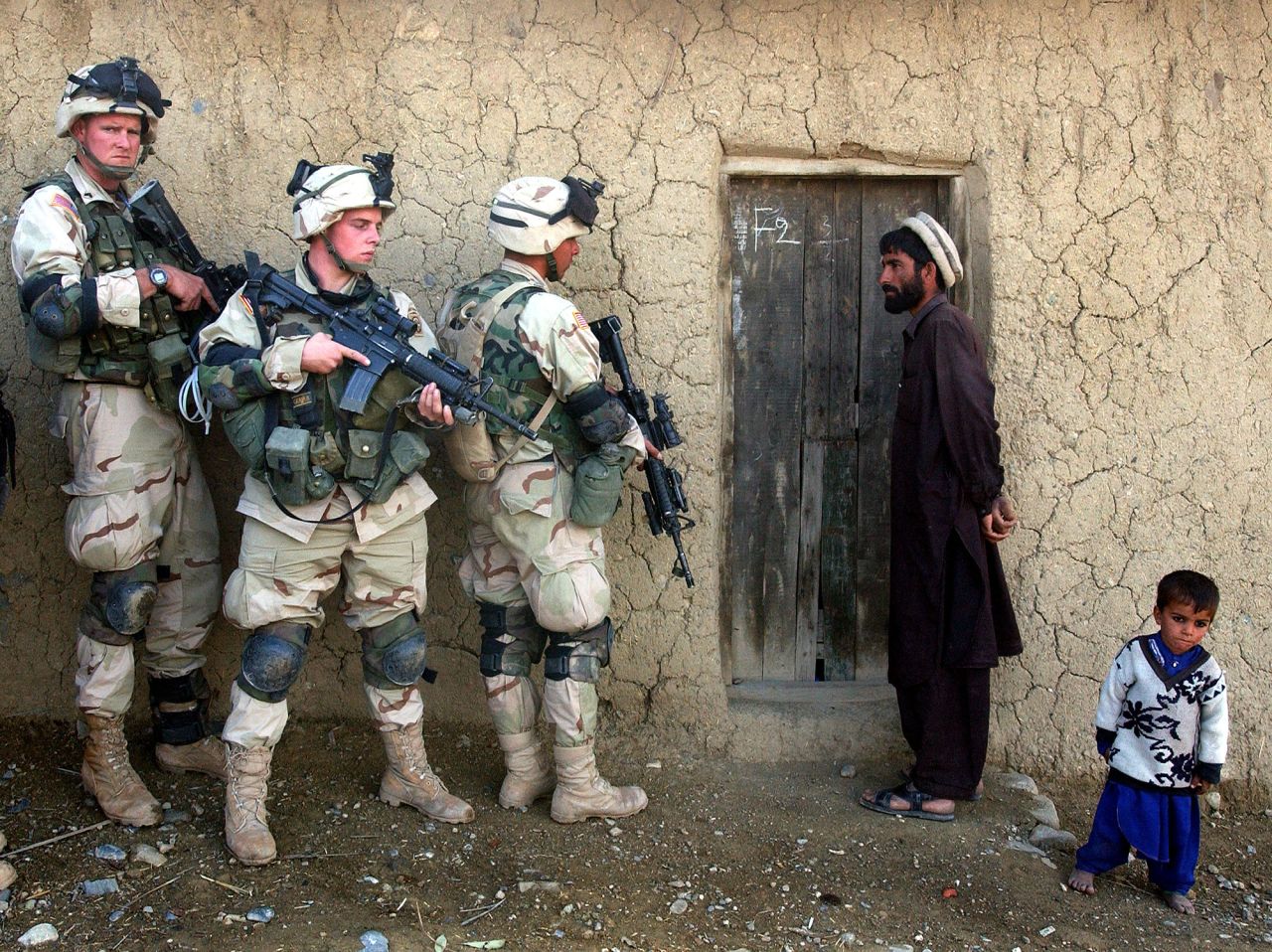
The Afghanistan conflict refers to a series of overlapping wars that have defined the nation’s political, social, and security landscape for over four decades. While the conflict is often associated with the 2001 U.S.-led intervention, it encompasses broader historical cycles of civil war, foreign occupation, and internal power struggles between the Taliban and various Afghan governing entities.
A Chronology of Conflict: From Soviet Intervention to Modern Geopolitics
To understand the current state of Afghanistan as of 2026, one must distinguish between the distinct phases of violence that have plagued the region. The modern history of the conflict is generally categorized into several primary segments.
The first major phase began with the 1979 Soviet invasion, intended to bolster the communist People's Democratic Party of Afghanistan (PDPA). This sparked a decade-long insurgency by the Mujahideen, who received support from the United States, Pakistan, and Saudi Arabia. The Soviet withdrawal in 1989 did not bring peace; instead, it ushered in a period of intense civil war between various warlord factions, eventually leading to the rise of the Taliban in the mid-1990s.
The second phase, arguably the most impactful in modern global politics, began following the September 11, 2001, terrorist attacks in the United States. The resulting U.S.-led military intervention, Operation Enduring Freedom, successfully ousted the Taliban from power by December 2001. However, the conflict transitioned into a prolonged counter-insurgency campaign as the Taliban regrouped in the rural areas and across the border in Pakistan.
The third phase materialized in the 2020s, defined by the February 2020 Doha Agreement between the United States and the Taliban, which outlined the terms for a full withdrawal of international forces. By August 2021, the withdrawal was finalized, and the Taliban re-established the Islamic Emirate of Afghanistan. As of 2026, the international community continues to grapple with the geopolitical consequences of this regime change, focusing on humanitarian aid, human rights, and regional security concerns.
Key Drivers and Sociopolitical Impacts
The longevity of the Afghanistan conflict is rooted in a complex interplay of geography, tribalism, and foreign influence. Understanding these drivers is essential for analysts and observers.
Ethnic and Tribal Dynamics
Afghanistan is a multi-ethnic state with significant Pashtun, Tajik, Hazara, and Uzbek populations. Political power has traditionally been contested along these lines. The Taliban is predominantly Pashtun, and their governance often reflects tribal hierarchies, which historically creates friction with the urban centers and non-Pashtun ethnic minorities who prioritize different social and political structures.
The Role of External Actors
Throughout the past 45 years, the conflict has acted as a proxy theater for regional and global powers. Pakistan’s role has been particularly pivotal, as the porous nature of the Durand Line—the border between Afghanistan and Pakistan—has allowed for the movement of insurgents, refugees, and resources. Global powers have shifted their focus from containment of communism during the Cold War to counter-terrorism in the early 21st century, often underestimating the resilience of local political organizations.
Humanitarian Consequences
The human cost of these decades of war is immense. Displacement remains a critical issue; millions of Afghans live as refugees in neighboring Iran and Pakistan or as internally displaced persons (IDPs) within the country. The economic degradation caused by sanctions and the freezing of foreign assets post-2021 has exacerbated a crisis of food insecurity and limited access to healthcare and education, particularly for women and girls.
Comparing Administrative Eras in the Afghanistan Conflict
The nature of the conflict has shifted significantly depending on which entity held central power. The following table provides a comparison of the characteristics of the three most recent administrative periods.
| Feature | Republic (2001–2021) | Transition (2021) | Islamic Emirate (2021–Present) |
|---|---|---|---|
| Primary Oversight | U.S.-backed civilian govt | Chaotic withdrawal | Taliban (Islamic Emirate) |
| Global Status | International recognition | International uncertainty | Unrecognized state |
| Economic Basis | Foreign aid dependency | Economic collapse | Informal economy/Sanctions |
| Security Focus | Counter-insurgency | Troop extraction | Domestic consolidation |
| Social Policy | Constitutional democracy | Rapid legislative shift | Religious legal framework |
Requirements for Engagement and Monitoring (2026)
For researchers, humanitarian organizations, and international monitors, interacting with the current landscape of the Afghanistan conflict requires navigating stringent limitations and requirements.
- Verification of Access: As of 2026, international organizations must negotiate directly with local authorities in Kabul to facilitate humanitarian access. This often involves lengthy permitting processes for the movement of personnel and goods.
- Sanctions Compliance: International entities must strictly adhere to existing sanctions regimes. Transactions with individuals or entities under international restriction can lead to severe legal repercussions for non-governmental organizations and private firms.
- Data Reliability: Information originating from the region is frequently subject to censorship or propaganda constraints. Verification requires triangulation using multiple sources, including regional monitors, satellite imagery, and independent NGO reporting where available.
- Safety Protocols: The security environment for foreigners and local staff remains volatile. Standard operating procedures typically require high-level risk assessments, localized security escorts, and contingency planning for rapid evacuation.
Frequently Asked Questions
What is the current status of the international recognition of the Taliban? As of 2026, no sovereign state has officially granted formal diplomatic recognition to the Taliban as the legitimate government of Afghanistan. Most nations maintain "working relations" to facilitate humanitarian aid and consular issues without extending full diplomatic legitimacy.
How does the 2021 withdrawal affect the security situation in 2026? The departure of international forces ended the primary "counter-insurgency" phase but shifted the security paradigm toward internal policing and the suppression of dissident groups like the Islamic State-Khorasan (IS-K). The absence of foreign air support or tactical advising means the Taliban must maintain control through local militia and intelligence networks.
Why is humanitarian aid to Afghanistan legally complex? Aid is complex because the primary goal of alleviating the suffering of the civilian population often conflicts with the legal prohibition against providing resources that could benefit a sanctioned, unrecognized regime. Most international aid is therefore routed through UN-affiliated agencies and vetted NGOs to ensure it does not enter state coffers.
What is the primary constraint on the Afghan economy? The primary constraint remains the freezing of Central Bank assets held abroad and the exclusion of the Afghan financial system from the global SWIFT network. This restricts trade, limits the ability of the state to manage monetary policy, and has caused a severe liquidity crisis that ripples through the entire civilian economy.
Are there still active military combat operations in Afghanistan? Large-scale "warfare" as seen in the 2001–2021 era has ceased. However, low-intensity conflict persists, characterized by targeted assassinations, localized skirmishes with resistance groups, and persistent terror attacks by extremist factions seeking to undermine the current administration’s legitimacy.
Strategic Outlook and Next Actions
For observers and policymakers, the trajectory of the Afghanistan conflict in 2026 is no longer defined by foreign troop presence, but by the regime’s ability to survive internal economic pressure and its willingness to address international concerns regarding fundamental human rights.
The next major indicators to watch include shifts in foreign policy from regional neighbors—who are increasingly forced to engage with the reality on the ground for the sake of border security—and any potential movement toward a more inclusive internal political structure. Those operating within the space or providing humanitarian support must prioritize strict compliance with international law while maintaining focus on the immediate, documented needs of the Afghan populace, as the legal and operational environments are likely to remain restrictive for the foreseeable future.